Videos

This Local Printer Makes Rad T-Shirts to Raise Money for Small Businesses in ChicagoAudrey Snyderon May 4, 2020 at 4:48 pm

“We’re all in this together.” It’s a phrase you hear a lot these days— from corporations, arts organizations, celebrities, or maybe even your neighbors. Some people really put those words into practice, and a few of them happen to be the folks at Barrel Maker Printing.

Shortly after the cancelation and shut-down of many events and local small businesses in March, the printing operation—based in north suburban Buffalo Grove—established an online store selling T-shirts which tout their wearers’ support of a number of Chicago institutions.

Advertisement


View this post on Instagram

Advertisement


We are so grateful 🥰

A post shared by Barrel Maker Printing (@barrelmakerprinting) on Apr 30, 2020 at 8:46pm PDT

Advertisement


Barrel Maker was started in 2009 by Erin and Justin Moore and has been printing shirts since then for occasions and establishments both large and small. Knowing that many Chicagoans in the service industry were out of work— as well as the print shop’s similar position of reduced income— Barrel Maker employees connected with record stores, venues, restaurants, and more to coordinate the launch of their Saving Small Business Chicago online shop.

Advertisement


Participating businesses either submit artwork to be used for their shirt designs or are each paired with a Chicago artist to create a new design. For each T-shirt purchased, $10 is set aside for a fund to be split between all participating businesses. A few of the designs currently featured on the Barrel Maker’s online shop include shirts supporting Avondale music venue Sleeping Village, Logan Square’s Chicago Diner, Wicker Park gem Quimby’s Bookstore, and more.

Advertisement


Barrel Maker is also facilitating separate online platforms for businesses to sell merchandise and accept tips that can be used to specifically benefit their own furloughed workers. With so many out of work and in a holding pattern while they wait to see what comes next, those employed by these small businesses need all the help they can get— and thankfully, there are people like those at Barrel Maker Printing who are ready and eager to help.

Read More

This Local Printer Makes Rad T-Shirts to Raise Money for Small Businesses in ChicagoAudrey Snyderon May 4, 2020 at 4:48 pm Read More »

9 Chicago Restaurants Serving Up Cinco de Mayo Taco Kits & To-Go MargaritasAngelica Ruizon May 4, 2020 at 7:27 pm

Cinco de Mayo in Chicago is usually a marker of the warm summer days to come. The date is originally a celebration of the Mexican army’s victory over France at the Battle of Puebla in 1862. While it’s a minor holiday in Mexico, the United States celebrates the win in a major way. The city bustles with parties, cookouts, and turns towards the Mexican restaurant scene for tacos, Tecate, and tequila. This year, we’ve got to be creative in our celebrations. Here’s a list of restaurants that are offering to go tacos, margarita kits, and carryout specials to get us in the fiesta spirit.

Advertisement


Dos Urban Cantina

The Chicago staple is offering special family-style meals. Starring chipotle chicken tacos or tamal Azteca (Mexican lasagna), the meals will include sides and dessert – enough to feed four. They’ve also collaborated with Bang Bang Pie to create the “Bang Bang Margarita Pie,” it’s key lime pie meets tequila.

Advertisement


Tallboy Taco

Tallboy Taco has put together their signature recipes into DIY kits. There’s a bundle for guacamole, a taco bar, and margaritas – they’ve even included a triple sec and simple syrup. Pre-batch these two, add provided tequila (or your own), and you’re golden.

Carnitas Uruapan

This Pilsen joint is a carnitas lover haven. Order carnitas by the pound, housemade chicharrones, nopales con queso, and more. Definitely grab the escabeche — a concoction of pickled jalapenos, carrots, and onions. Topo Chico, too.

5 Rabanitos

5 Rabanitos in Pilsen is offering a special menu for carryout and neighborhood delivery. Warmer spring days and Caldo de res go together like Arroz y frijoles. Start there, then live life lavishly with the carne asada or cochinita pibil, and finish with the housemade Horchata.

Arbella

The River North cocktail bar is offering some awesome libations. There’s a list of offerings including a michelada and taco kit, and two spicy margarita kits — each with different accouterment.

Etta

Family style “fiesta en casa” with these all-inclusive family meals. Featuring a wood-fired short rib barbacoa picnic with tortillas, rice, beans, salad, and tres leches cake. There’s an option to upgrade and add enchiladas Rojas, shrimp ceviche, and pork belly elote. Sombrero bendy straws available with margarita kits.

Foxtrot

Mezcal-based margaritas have cocktail lovers divided. Foxtrot is offering a Bahnez margarita basket that includes Combier and limes. Delivery or pickup.

Big Star

Big Star may not be the most authentic spot on this list, but to deny the greatness of their margarita is downright wrong. They’re re-opening both the Wicker Park and Wrigleyville locations just in time for la fiesta. Order curbside pick up or delivery ahead of time.

Furious Spoon

The devil works hard, but Furious Spoon works harder. Elevate your fiesta game with the Furious Couch Margarita or Ol’ Dirty Quarantine. There’s not much for Mexican food here, but they are also offering a beer pong back and a sake bomb kit. Party on.

Read More

9 Chicago Restaurants Serving Up Cinco de Mayo Taco Kits & To-Go MargaritasAngelica Ruizon May 4, 2020 at 7:27 pm Read More »

Learn to Draw Like Chicago Artist Tony Fitzpatrick While You’re Stuck at HomeAngelica Ruizon May 4, 2020 at 10:29 pm

As our active role in solving the pandemic problem is being inactive and staying at home, beginner artists are turning to the canvas as an outlet. As Chicagoans, we’re constantly interacting with an environment that promotes creativity. While we’re at home, we can take a page out of artist Tony Fitzpatrick’s book and create work about the past, present, and hopes for the future.

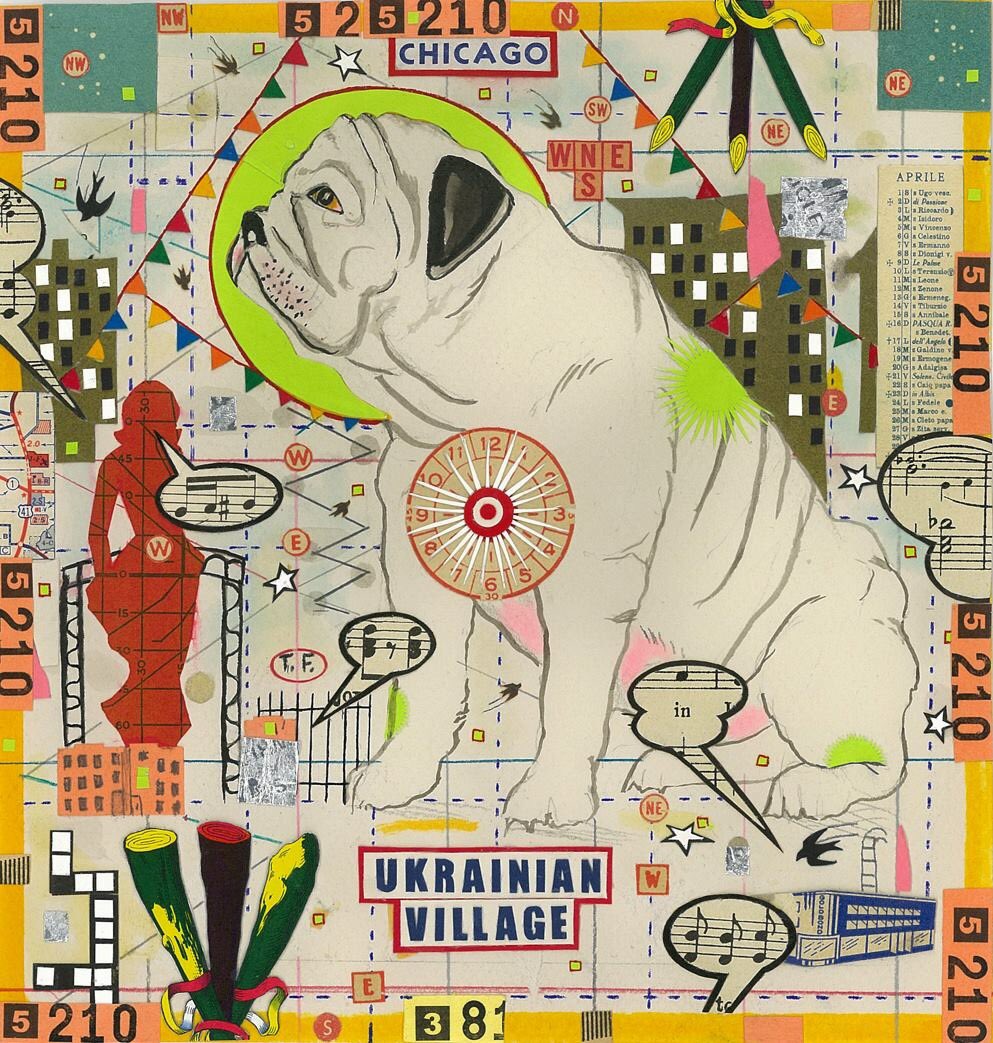
Photo Credit: Tony Fitzpatrick, Saint Butchie, of the Dry Cleaner in Ukrainian Village (Lunch Drawing #8). 2017. Fredrick Holmes.

Chicago-based artist Tony Fitzpatrick is best known for drawing, collages, and printmaking. His work is inspired by Chicago street culture – the things we see on our way to the bus, on the train, and outside our office windows. His work can be politically charged, or more focused on aesthetics. At its base, art is our interpretation or physical, emotional, and mental environment. While we’re disconnected from a lot of our regular coping skills, take a look around you and draw what you can see.

Advertisement


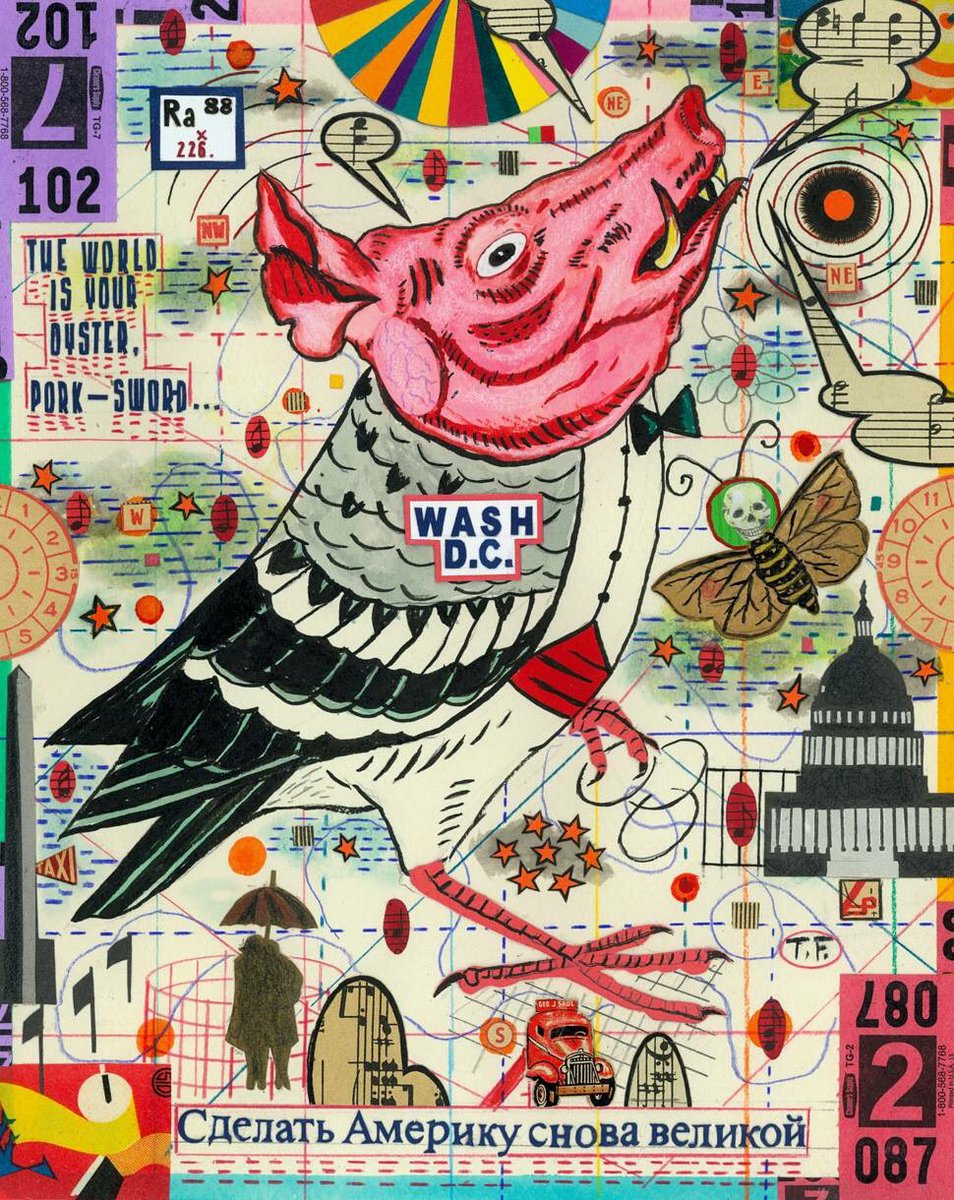
Photo Credit: Tony Fitzpatrick, Monument to the Trump Presidency ( The World is Your Oyster, Pork-Sword…) Lunch Drawing #22. Artist’s twitter.

1. Grab some paper, size doesn’t matter. It can be big or small, lined or unlined, and some kind of writing utensil, like a pen or colored pencils.
2. Is there a spot you have been spending time in lately? Whether it is your kitchen table, backyard, or a bench in the park — go there.
3. There’s a reason you’ve been drawn to this place and we’re here to explore it. It could be as simple as a spot in the grass at your local park. It could be indoors in a room such as the living room. There could be a bookshelf with your favorite titles or plants that you’ve obsessively overwatered.
4. Take whatever it is your eye is drawn to in #3 and write it down on paper. If compelled to write words, journal. If courageous enough to draw, do so. Or do both! (If you’re stuck here, don’t fret. Look up, what do you see? Sky? Draw the clouds. A ceiling? Describe the light fixture. Turn your head a few degrees and repeat.)
5. You’ve just made your first sketch. This is yours. This is your interpretation of the world around you. You made this!
6. What to do from here is your choice. Whether you change your environment or revisit the same place the next day, keep sketching. No expectations but to observe and record.
7. (Optional) Expand your arsenal. Grab some old magazines and make a collage. Dig up colored pens or grab some paint from Blick and add/subtract color, merge mediums like pencil and pen, and keep going.

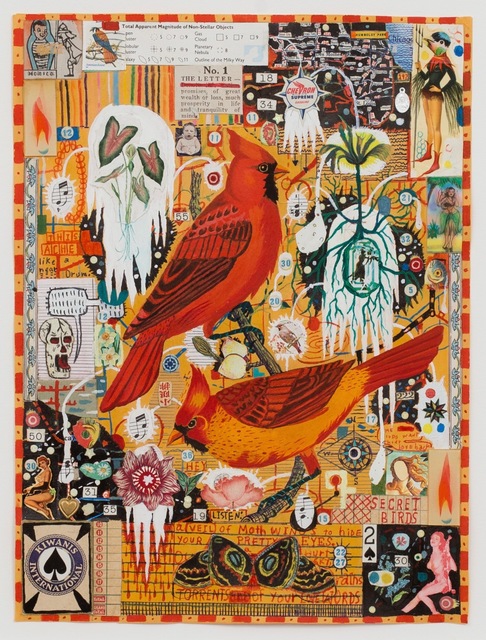
Photo Credit: Tony Fitzpatrick, Secret Birds. Artsy.

Tony Fitzpatrick likes to make “Lunch Drawings.” It’s his way of processing his day without any expectation but to observe and record what he sees, feels, and hears. Describe what’s on your plate, write about what you’ve seen others doing during quarantine, or draw the spring bulbs popping up in your backyard. When it comes to healthy coping mechanisms during a quarantine, we’re forced to push ourselves into new territory. But that’s nothing new for Chicago.

Advertisement


Advertisement


Read More

Learn to Draw Like Chicago Artist Tony Fitzpatrick While You’re Stuck at HomeAngelica Ruizon May 4, 2020 at 10:29 pm Read More »

37 Cool Things to Do at Home in MayAudrey Snyderon May 5, 2020 at 10:01 pm

You’re getting sick of this whole quarantine thing, aren’t you? Well, think about it this way: when it’s over, you’ll never have this much time to yourself ever again. Take advantage of not knowing what day it is and finish strong with this quarantine bucket list.

Photo Credit: Old Town School of Folk Music

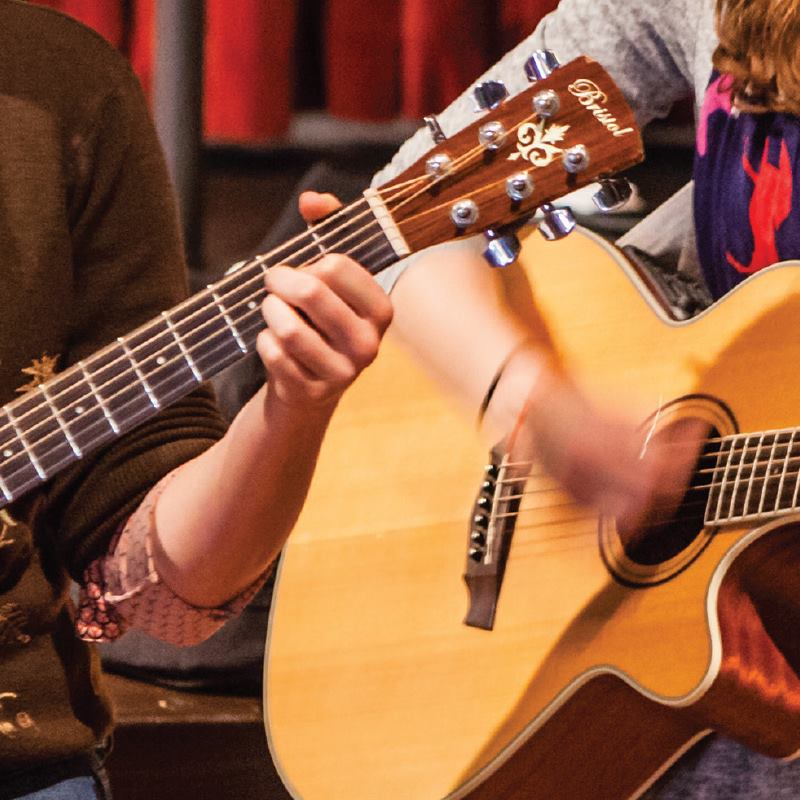
Learn to play guitar

You can get help, if you need it, from the teachers at Old Town School of Folk Music.

Advertisement


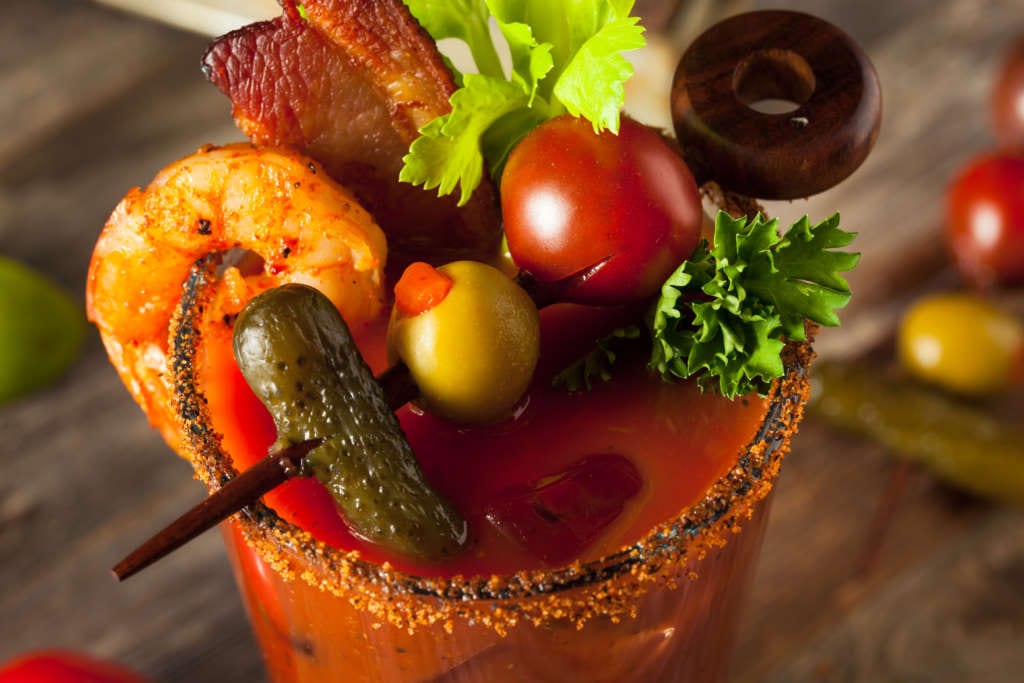
easy cocktail recipesGet into mixology

You can get cocktail kits to help you create delicious concoctions.

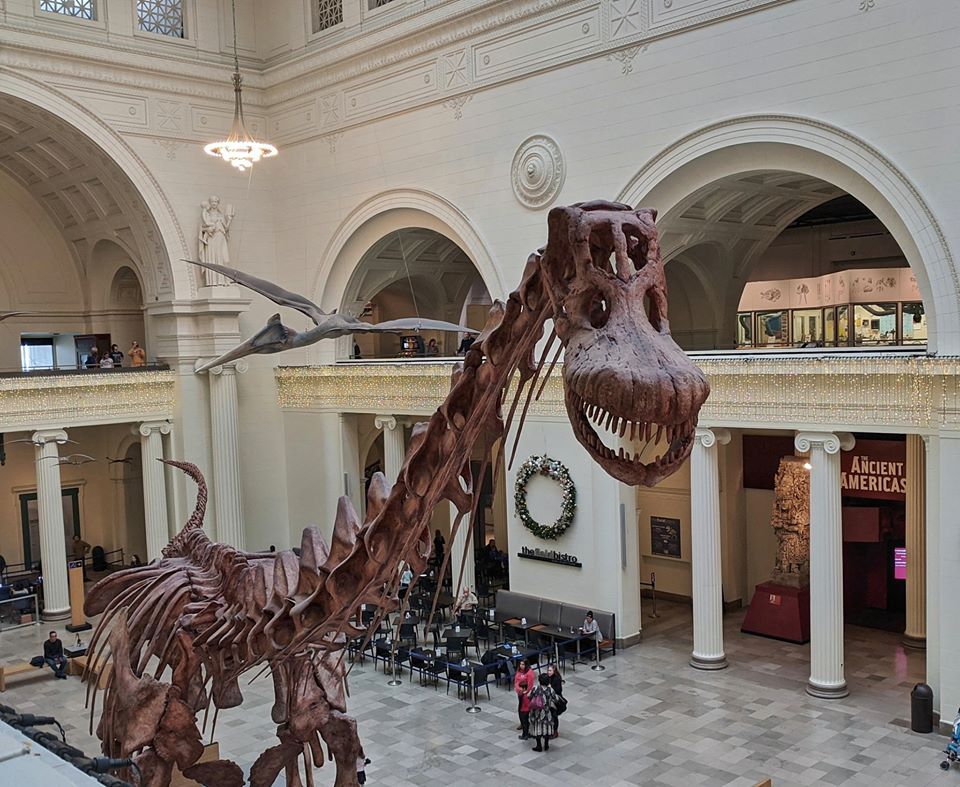
Photo Credit: The Field Museum

Take a virtual museum tour

Chicago is home to some of the best museums in the world.

Advertisement


Read or listen to books through the public library

Check out Chicago Public Library’s online resources to find out how to access materials.

Stream the Northern Lights any night of the week

This livestream of the Northern Lights runs 24/7.

Advertisement


Take creative writing classes with StoryStudio

Flex those creative muscles and get a story down on paper.

Advertisement


Follow the Shedd animals’ adventures on Instagram

They’re just so adorable.

Photo Credit: TimeLine Theatre

Watch a Broadway show

If you’re missing a little drama in your life, you can always stream it straight from BroadwayHD.

Advertisement


Watch a new streaming platform

You know, since you’ve binged everything else.

Photo Credit: Atsushi Nishijima

Or stick to movies on Netflix

The classics you can’t forget.

Sing along with your neighbors

You can join other Chicagoans nightly in singing to show support for healthcare and other essential workers.

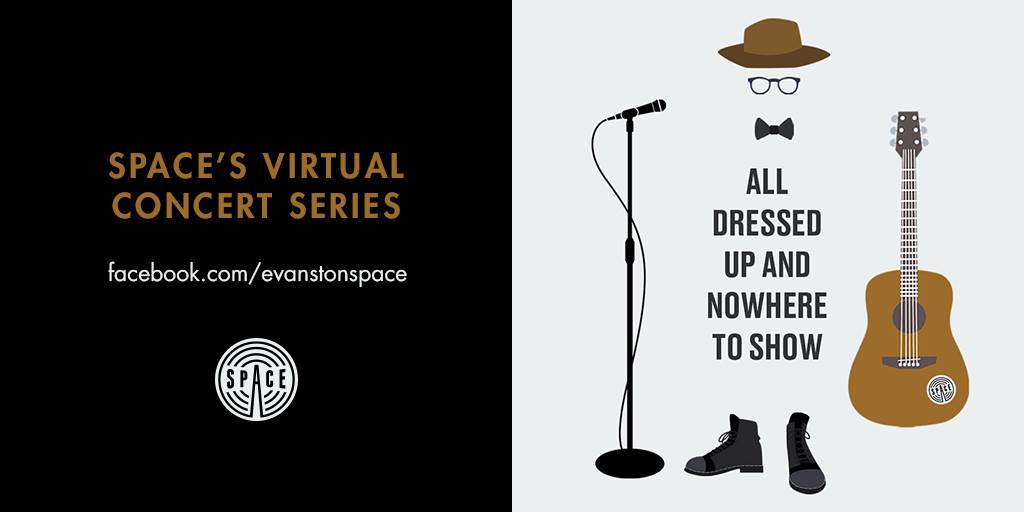
Photo Credit: SPACE

Check out SPACE’s virtual concert series

Or have someone come sing on your front lawn.

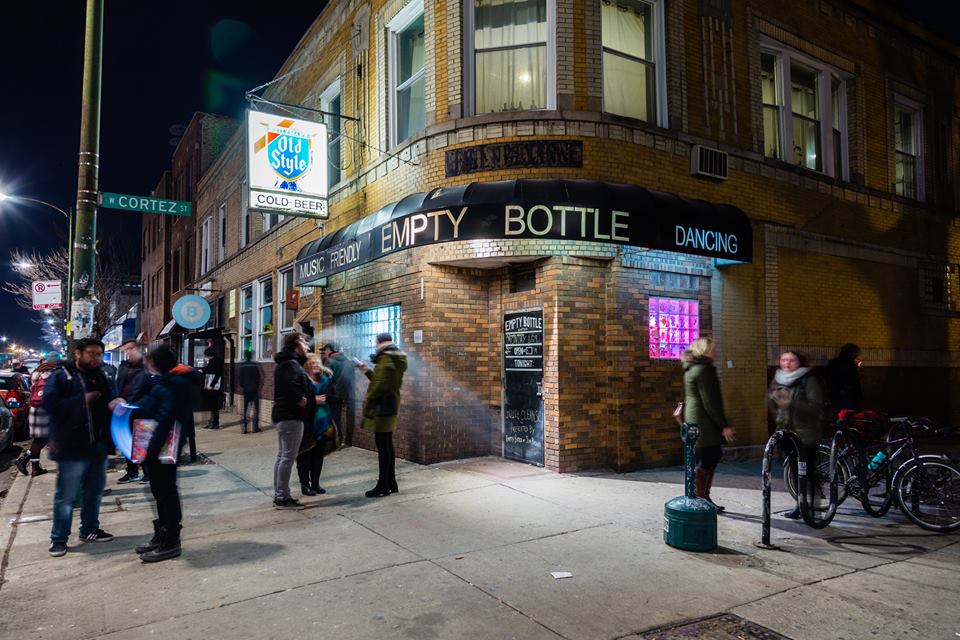
The Empty Bottle
Photo Credit: The Empty Bottle Instagram

Experience live music with Empty Bottle’s Music Friendly Distancing

We miss our concert venues a little too much.

Watch live painting and music

Watch the livestream of local artist Lewis Achenbach painting along with a musical performance by DoYeon Kim.

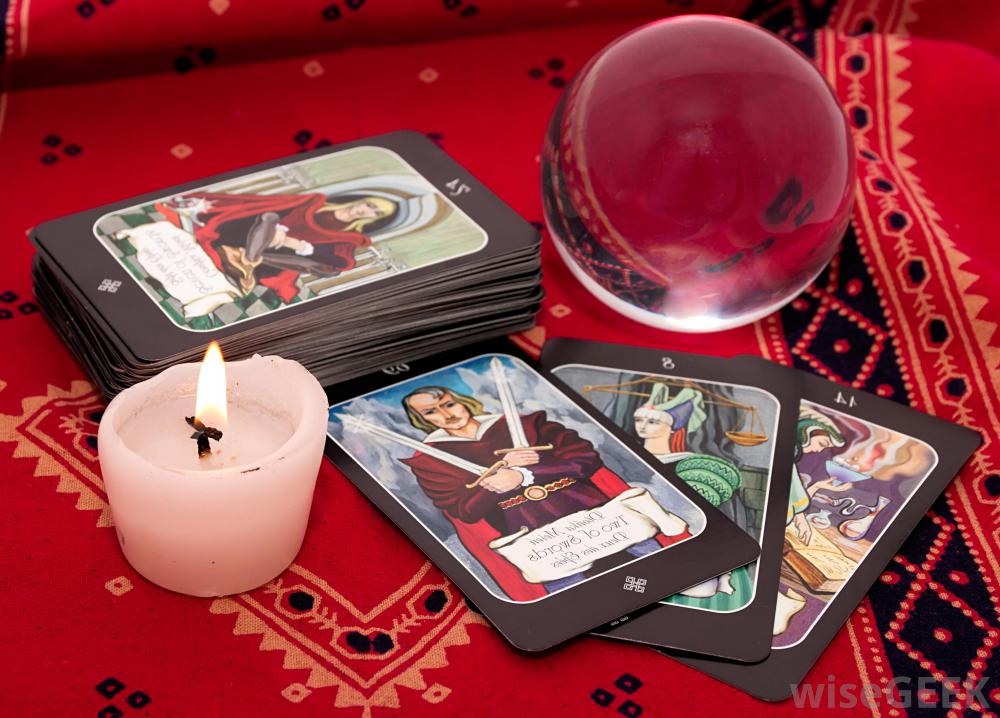
Chicago Psychic & Tarot Card

Get spiritual with a tarot meet-up on Zoom

Quarantine might have you feeling out of whack. Get realigned.

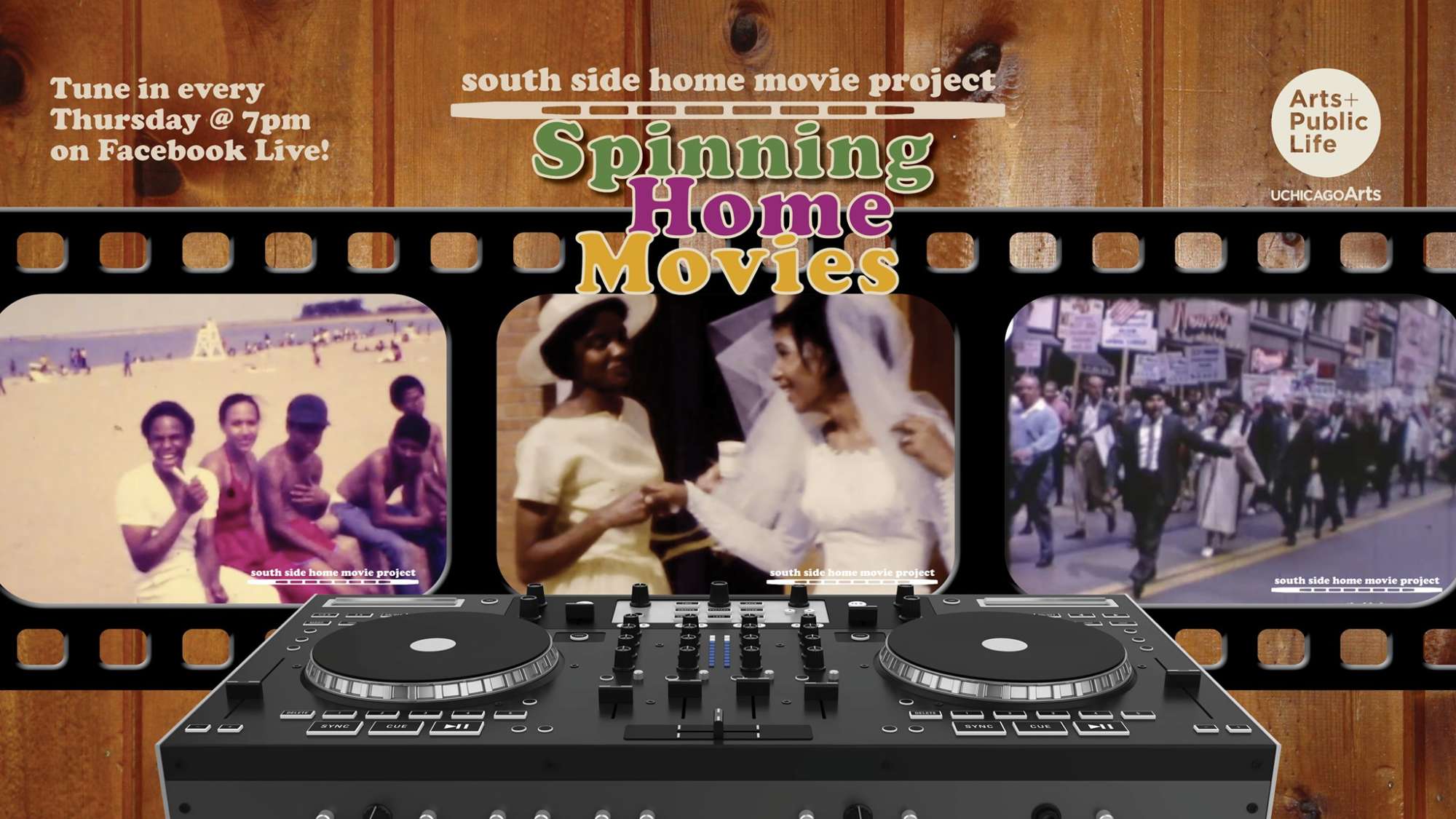
Photo Credit: South Side Home Movie Project

Watch home movie footage with a DJ set

Every Thursday at 7 pm, you can catch a set of footage from the South Side Home Movie Project digital archives, accompanied by Chicago DJs.

Have brunch with DJ Ca$h Era on Twitch every Sunday

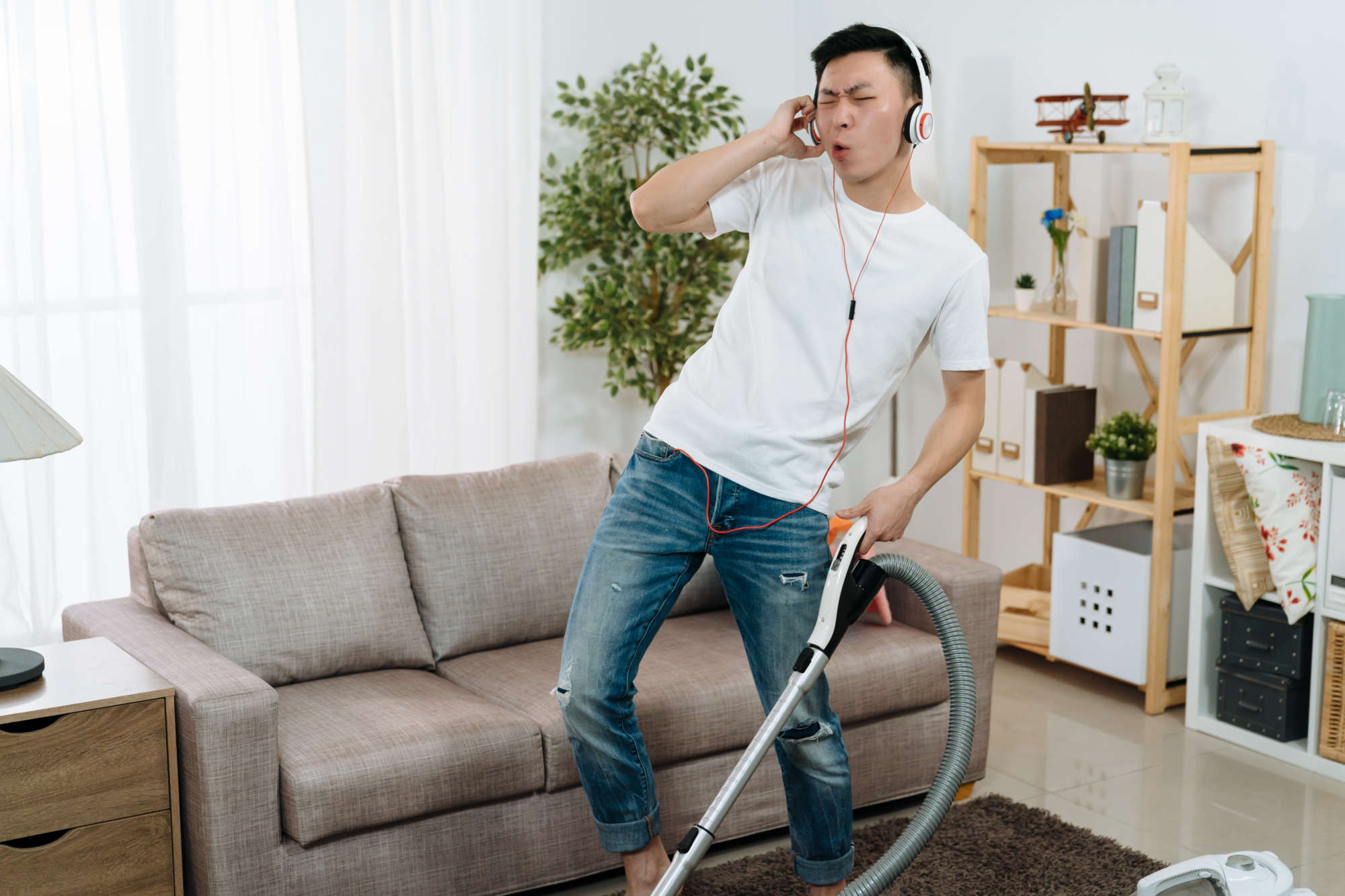
The virtual dance party you sorely need.

Get your fill of weirder sounds with Experimental Sound Studio’s Quarantine Concerts

Music feeds the soul.

Lollapalooza
Photo Credit: Lollapalooza Facebook

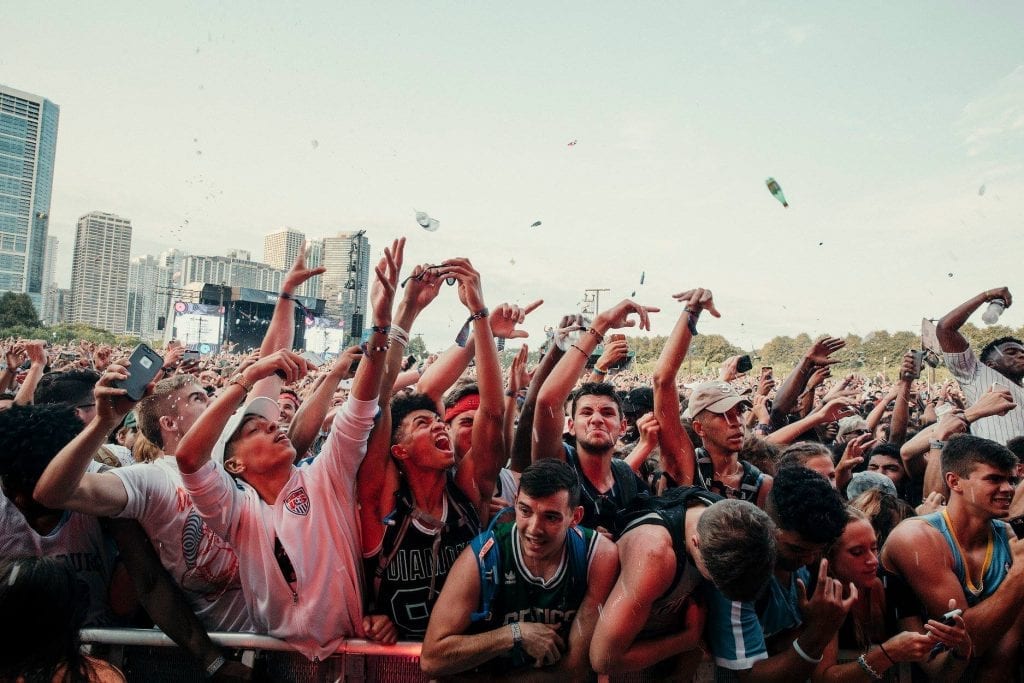
Relive an iconic Lollapalooza set every Thursday night

And tune in for Power Hour on Sundays!

View this post on Instagram

What the world needs now… is Colin! Is your little one lost without their weekly dose of chilling on the mat with Colin? Then join us every Monday at 4:00pm cst for Colin’s Storytime Chill LIVE on our Facebook page! Colin will be reading a story and just being Colin. Bring your favorite lovely, a blankie, or even a snack and get ready to chill! . . . #thisweekatstages #chicagomomblogger #chicagomom #chicagomoms #chicagobaby #chicagokids #chicagokid #chicagofamily #westloopisthebestloop #lincolnparkmoms #chicagoparent #chicagoparents #chicagochildrenstheater #chicagochildrenstheatre #chicagobabiesstuckinside #nykids #nybaby #nannylife #nanny #calibaby #lababy #toddlerlife #toddlermomlife #toddlersofinstagram #preschooler #storytime #virtualhug #chill #cuddles #denverbaby

A post shared by Stages Performing Arts (@stageschi) on Apr 6, 2020 at 9:34am PDT

Chill out with “The Baby Whisperer”

If you have kids and they (or you) need to chill out, let Colin read them a story!

Paint and sip at home

With this online class, you’ll be guided through painting Frida Kahlo.

Try a virtual beer tasting

We all know you’re drinking anyway. Try it with people again!

Wine Dinner

Taste some wine with In Grape Company

More of a wino? Got you.

Take a cooking class

Master those skills in the kitchen.

Chitown Comedy Takeover

Laugh your ass off at virtual comedy night

Cabin Fever puts on nightly shows for your entertainment.

Learn something new

Pick up a new skill.

Listen to a sonnet a day from Patrick Stewart

Brew some Earl Grey and settle in for Shakespearean sonnets with your favorite starship captain.

Star Wars: Galaxy’s Edge. Photo courtesy of DisneyWorld.

Virtually visit a Disney park

Wouldn’t it be so cool to visit a Disney park when no one else is there?

Solve a livestream escape room

You thought the real thing was hard.

Photo Credit: Old Town School of Folk Music

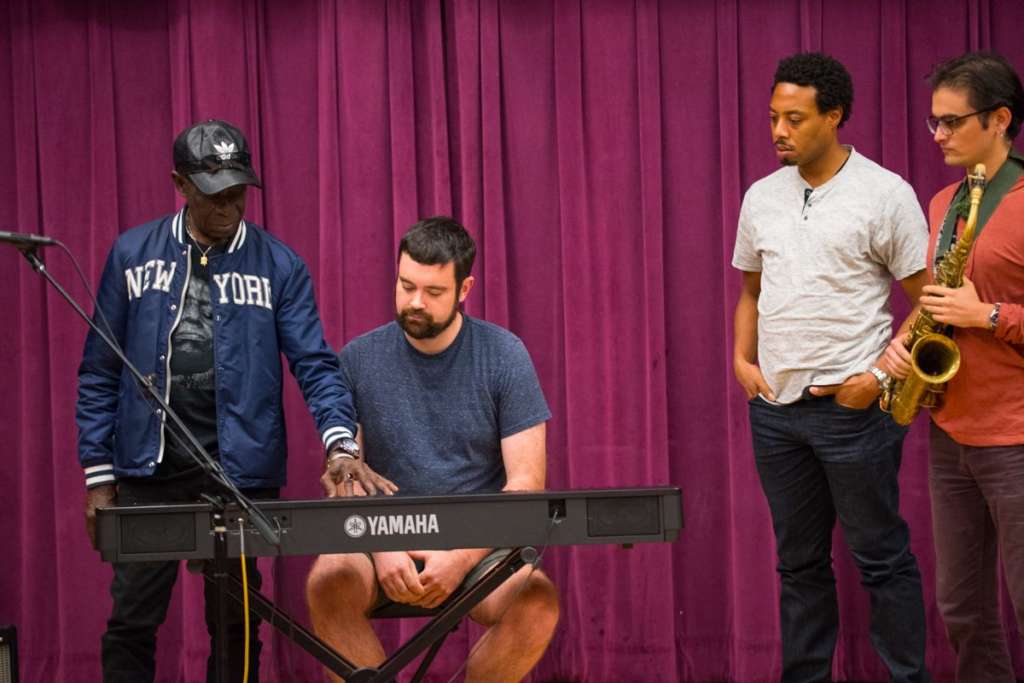
Listen to streaming improvised piano

Pianist Jonathan Hannau, who ordinarily performs an hour of improvised music for meditation at St. Vincent de Paul every Tuesday, has moved this session online.

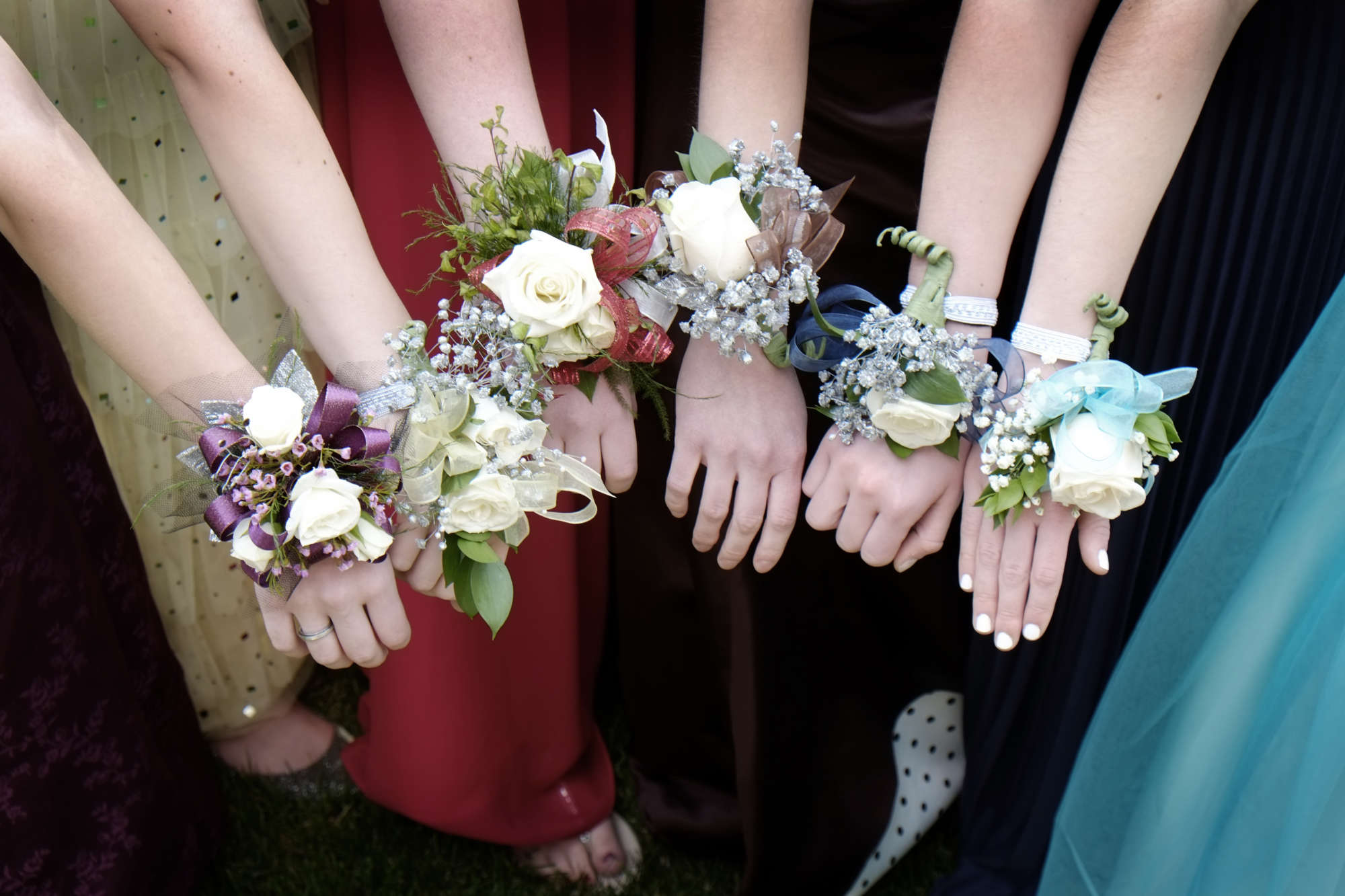
Go to prom

If you thought you couldn’t go to prom, you are mistaken— FitzGerald’s is doing an online prom show this month.

Second City
Photo Credit: The Second City Facebook

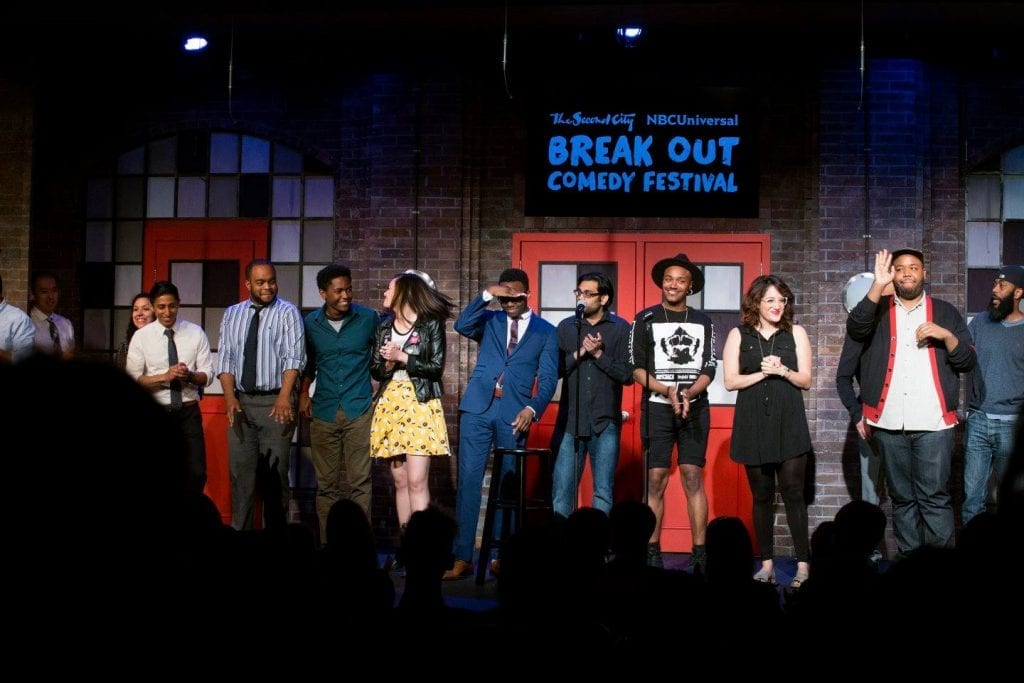
Watch an improv show

Second City is streaming free at-home improv shows on Tuesdays and Saturdays.

[embedded content]

Let Dolly Parton read you bedtime stories

Why not?

Have a boozy brunch at your place

BYOB, obviously.

MCA
Photo Credit: MCA

Visit the Museum of Contemporary Art’s Commons Online

Join this arts community.

Photo Credit: Daybreaker

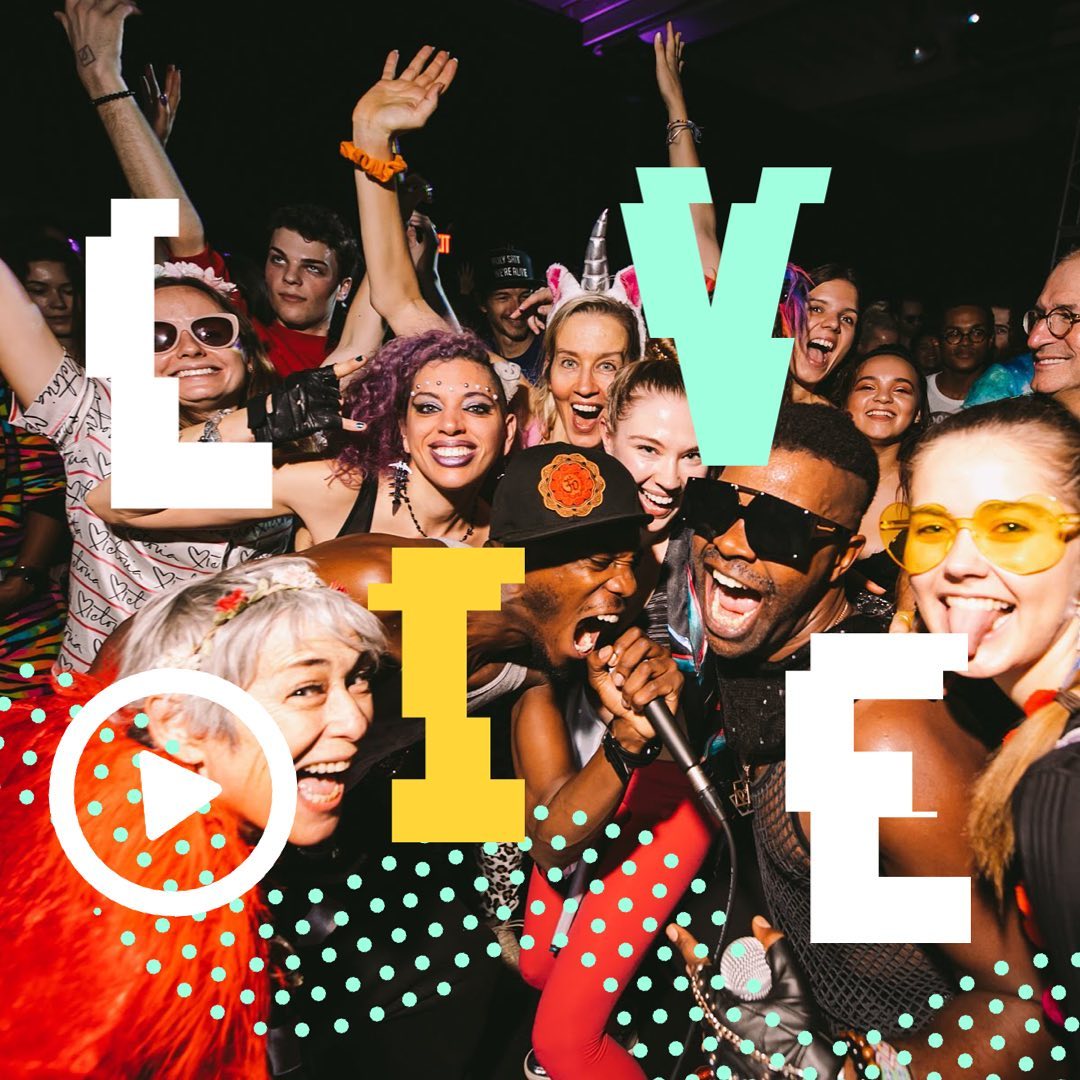
Wake up with a virtual dance party

Daybreaker has been throwing morning parties long before quarantine, but now they’re virtual!

Photo Credit: Warner Brothers

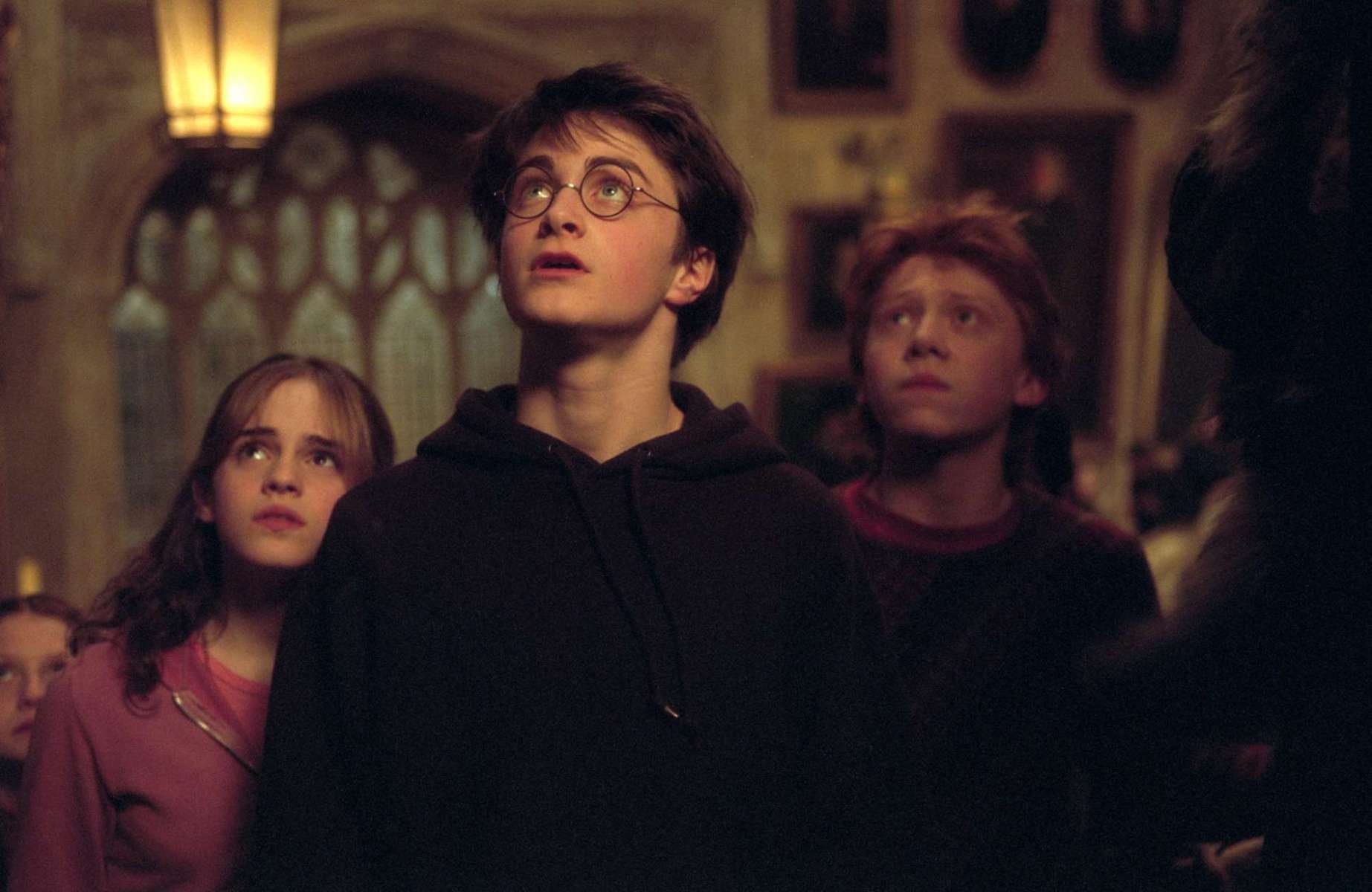
Go to Hogwarts

Put your sorting cap on and check out these Harry Potter activities on JK Rowling’s new site.

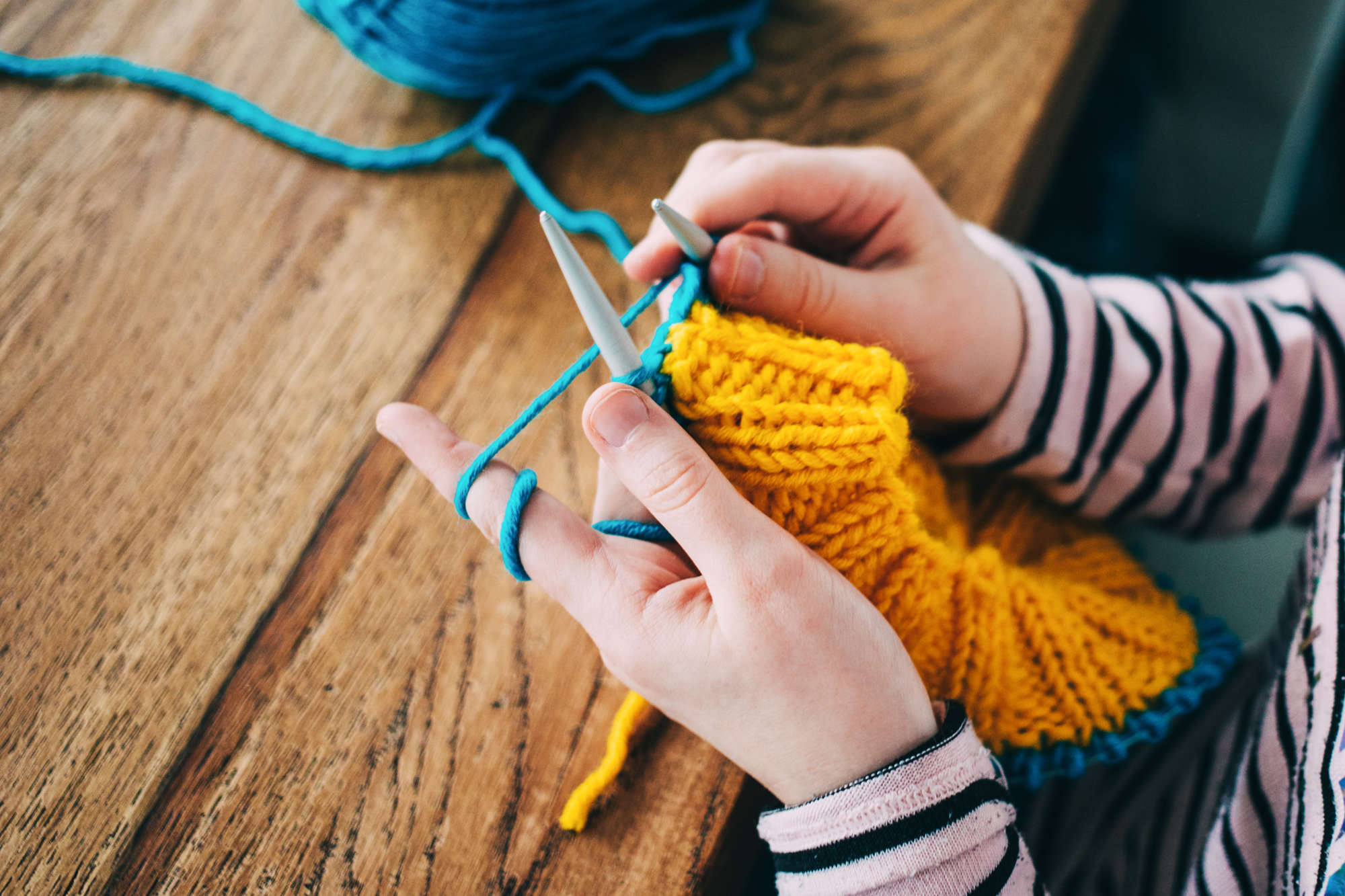
Learn how to knit

You know you’ve always wanted to.

Read More

37 Cool Things to Do at Home in MayAudrey Snyderon May 5, 2020 at 10:01 pm Read More »

10 Virtual Drag Shows to Watch This WeekendLindsey Congeron May 5, 2020 at 10:11 pm

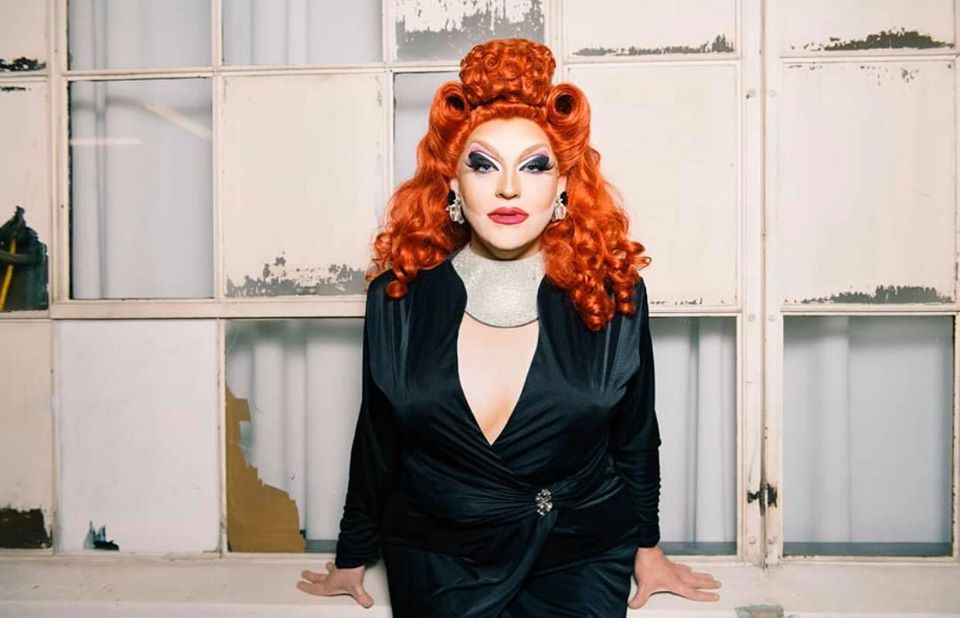
Bars might be closed around the country, but the show must go on! Drag queens have moved online to provide virtual entertainment to everyone cooped up at home due to the continuing shelter-in-place order. Here are 10 virtual drag shows to check out during your quarantine.

Sophia Lucia Presents: Freak Show Cabaret!

Saturdays @ 4 pm

Advertisement


This one-woman show has it all! Art, poems, stories, and music delivered to you by the insatiable Sophia Lucia. She has created her own style of theatrical anti-folk/funk/spoken-word/rock & roll music. Check her out every Saturday from 4:00 pm – 4:30 pm.

Photo Credit: Flip Phone Facebook

Flip Phone

All Week Long

Advertisement


Flip Phone hosts drag shows nearly every day, so you are sure to find something that piques your interest. You can check out dance parties, story hours, drag shows, and themed brunches at various days and times.

Sin & Gin Online Cabaret – ‘Cos’ What May!

May 17 @ 8:15 pm

Advertisement


Join in for a fun-filled evening with burlesque, drag, cabaret, music, and comedy. The online event will feature talented people from around the world and takes place on May 17 at 8:15 pm.

Advertisement


Mini Matinee

Tuesdays & Thursdays @ 10 pm

Twice a week, you can watch a 30-minute drag show with some impressive guest stars, but with a heavy emphasis on Chicago residents. Each week will feature a rotating cast, so it will always be unique. The shows will be every Tuesday and Thursday at 10:00 pm – 10:30 pm.

Advertisement


Photo Credit: Illusions The Drag Queen Show Facebook

Illusions- The Drag Queen Show

All Week Long

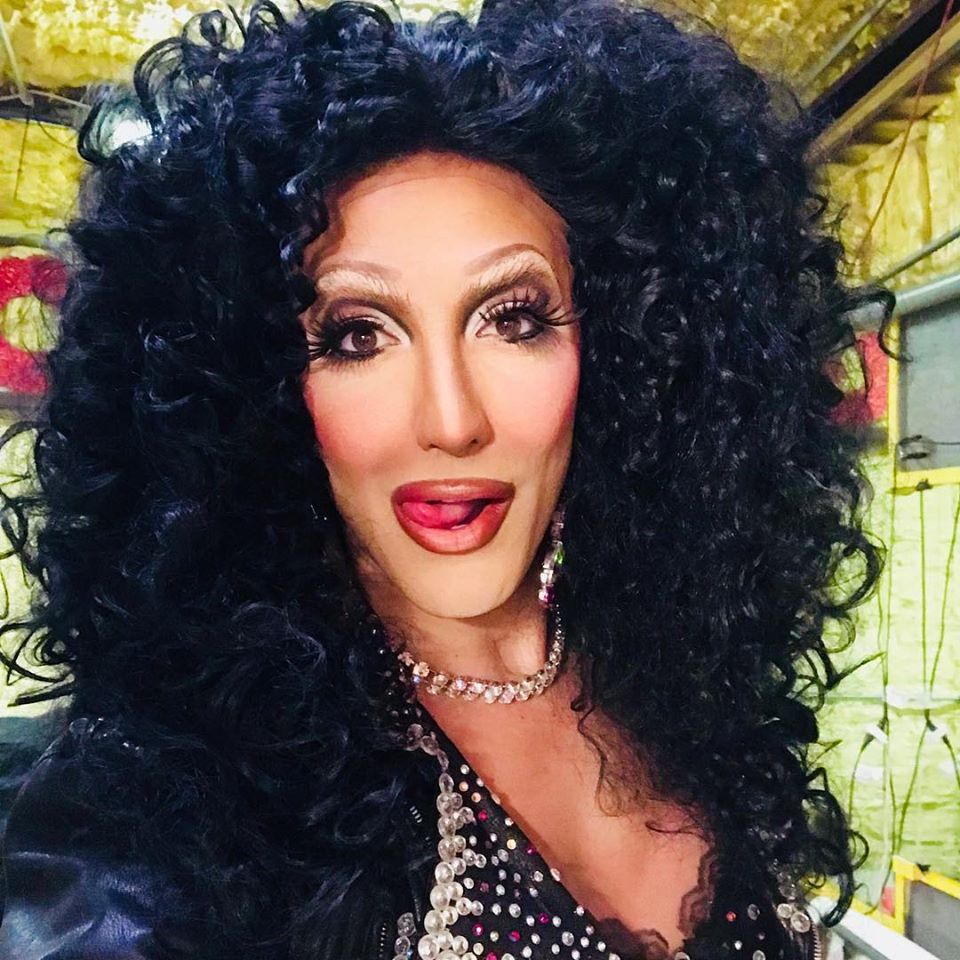
The drag show combines burlesque dancing and comedy performances by some of your favorite impersonators and hosts from Chicago! You’ll see impersonations of Cher, Madonna, Whitney Houston, Cardi B, Adele, and Amy Winehouse. Dates are available all month long.

Throwback Attack

May 11 @ 9 pm

This online drag show will be a ’90s-themed throwback, incorporating two of your favorite queens from RuPaul’s Drag Race—Detox and Sonique. The event is hosted by Tenderoni and will take place on May 11 at 9 pm.

Hot Mess: Digital Drag Show – Who is She?

Fridays @ 9 pm

Once a week, you can tap into one of the biggest drag events online. It will have everything you want from a drag show: Kings, Queens, and Gender Jesters. The event is free and takes place on Fridays at 9 pm.

MyOhMy Show – A Drag Show Extravaganza!

May 29 @ 8 pm

This two-hour long show is filled with breathtaking costumes, amazing performances, and catchy music. Some of the impersonators include Lady Gaga, Whitney Houston, and Mariah Carey. Check out the show on May 29 at 8 pm.

Photo Credit: Taina Norell Facebook

HD Drag On Demand

May 9 @ 8 pm

To get your laughs in during the quarantine, check out this drag show with a comedic twist. The 3-hour long event will be packed with entertainers and comedy. Catch the show on May 9 at 8 pm.

homeWERK: A Drag and Comedy Show

Thursdays @ 9 pm

Once a week, you can join the hilarious line of drag queens as they perform a comedy show. Some of the entertainers include Calpernia Adams, Jewels, Allusia, and Melanie Vesey. They will be performing every Thursday at 9 pm.

Featured Image Credit: FlipPhone Instagram

Read More

10 Virtual Drag Shows to Watch This WeekendLindsey Congeron May 5, 2020 at 10:11 pm Read More »

Stop the spread in styleBrianna Wellenon May 5, 2020 at 8:30 pm

Fashion, for many, is all about fantasy. In normal circumstances, this week we would have spent several days picking apart the outrageous outfits of celebrities attending the Met Gala (the theme would have been About Time: Fashion and Duration). But instead, at least here in Illinois, we’re left to contemplate a future with a mandatory, less-than-fantastical item: the face mask.

“The face mask is the it accessory of 2020,” says Gaudy God designer Matt Kasin. “We’ve seen entertainers wearing and designers showing face coverings over the past year. This is an example of a style/trend becoming a necessity.”

As of May 1, Illinoisians are required to wear a face covering in any place where they might not be able to maintain a six-foot distance. While the mandate certainly brings to mind a dystopian landscape filled with surgical masks, to local designers it brings an opportunity to create something new, support themselves and others out of work, and stop the spread of COVID-19.

Barrel Maker Printing first jumped on selling T-shirts featuring images of Chicago icons like the Tamale Man, Quimby’s, and Thalia Hall to raise money for local small businesses–they’ve raised more than $70,000 to date. It was an easy transition from there to include masks in those efforts, using the same screen-printing style the company is known for. Director of operations Justin Moore says that they’ve already started experimenting with using materials that would be more breathable and stylish than the typical T-shirt materials they work with. In the coming weeks they’ll be producing masks made from bamboo, hemp, and other soft, natural fibers.

Roger Rodriguez from Jugrnaut is also getting creative with materials, in part because fabric stores have closed. “I found some old vintage polo bear fabrics and coffee sacks that were given to me by Dark Matter Coffee,” he says. “I had them dyed by a good friend Saint Millie, and I created my first batch of masks with those materials.” He envisions a future where people have a different mask for each day of the week or each outfit, and he wanted to get a jump on creating “dope” masks for people who want to stand out.

One look at Instagram, and it seems there are already masks for every style. Kasin, @gaudygod, creates masks out of a rainbow light-reflective fabric, initially designed with a pair of matching shorts. Chelsea Hood, @chelshood, offers 14 different prints to choose from and also specializes in masks for children. Michaela Vargas Caro, @bricomode, has drawn inspiration from textiles used in her Bolivian textiles.

“Having this material that I intrinsically relate to through my upbringing and can now use stylistically to address our current protective needs provides a sense of comfort through self-expression, my cultural identity, and style to connect with others in various communities, especially during social distancing,” Vargas Caro says.

Even as designers are thinking more and more about how these masks look, the function needs to be prioritized. Hood knows this firsthand–it was her brush with COVID-19 in the early weeks of March that inspired her to start creating masks. While she was unable to get tested, Hood experienced textbook symptoms and says she was the sickest she has ever been for two weeks.

“After being face-to-face with it, I knew how important it was to take the virus seriously,” Hood says. “Aesthetically, deep down, I don’t give a shit what they look like. The masks I’m making have a 3M Filtrete viral air filter in them because at the end of the day, I want to keep my loved ones, and the people they love, healthy.”

Hood is also using this opportunity to support others. She’s hiring out-of-work comedians to make deliveries instead of relying on the now overloaded post office, accepting donations to send supplies to the team of nurses with Krucial Staffing in New York pop-up COVID hospitals, and donating masks to the Daybreak Shelter in Joliet.

All these designers agree that face masks aren’t disappearing anytime soon. And while major fashion houses have already started jumping on the trend, there are plenty of local artists who are offering affordable, unique styles that are brightening up dark times.

“Humans usually have a way of turning things that might seem dreadful into something novel that subverts that sentiment,” Vargas Caro says. “I think there is something exciting to look out for down the line in how this particular health/fashion accessory integrates into the fashion industry and our culture.” v

Read More

Stop the spread in styleBrianna Wellenon May 5, 2020 at 8:30 pm Read More »

Counting for cultureKerry Cardozaon May 5, 2020 at 9:15 pm

Children at the

You might know that data from the census is used to draw congressional and state legislative districts, determine the number of House seats a state has, and distribute federal funds for things like Medicaid, schools, and emergency preparedness. (That last one’s particularly relevant now.) But you might not know that getting an accurate census count is also important for the arts. Census-related funding in Illinois helps put foreign language curricula in schools, supports the careers of local artists in every discipline, and assists with keeping museums like the Block and the National Museum of Mexican Art free of charge.

“We want everybody to be able to experience art,” says Carlos Tortolero, the president and founder of the NMMA in Pilsen. “It’s not for the elite, it’s not for the well educated, not for people with money. It should be for everybody, which is why the museum is free, that’s been my philosophy about being accessible to everybody. The arts should be for everybody and not just for a few people.”

The census takes place every ten years. It is widely acknowledged that Illinois was “historically undercounted during the 2010 Census efforts,” and is expected to be undercounted again this year. The ongoing coronavirus pandemic only exacerbates this problem. According to a 2018 George Washington Institute of Public Policy report, in 2015 alone, Illinois lost more than $122 million in health and human services funding for every 1 percent of the population not counted in the 2010 Census. Cook County Board president Toni Preckwinkle puts it another way: “Every person represents between $1,400 and $1,800 per year in federal funding.” The 2010 response rate for Chicago was 66 percent; this year’s goal is 75 percent. Of course, an undercount impacts the arts landscape of Illinois as well, which is devastating for a field that is already underfunded.

“The cultural landscape of the city is absolutely integral as to why this is a world-class city,” says Mark Kelly, the commissioner of Chicago’s Department of Cultural Affairs and Special Events (DCASE). “It’s the cultural life of Chicago–and architecture and visual arts and music and theater and dance and the list goes on–that makes this an important city that people come from across the world to visit. And the economic equation for the arts, it always needs and assumes governmental support because it’s not built on a for-profit foundation. It’s always underfunded, underappreciated. We absolutely need governmental funding.”

Kristin Abhalter Smith received a $2,100 artist project grant from the IACA in 2018 that helped pay for materials and performers for a project called "Antecedent." - PATRICK GORSKI

Federal arts funding is directed to states by the National Endowment for the Arts. By law, 40 percent of the NEA’s annual budget is allocated to state and regional arts organizations. For the 2018 fiscal year, NEA’s programs budget was $121,650,000, so $48,322,000 was directed to arts organizations across the country. Illinois’s federal funds go to the Illinois Arts Council Agency, which then disseminates that money to artists, museums, and arts organizations across the state. State organizations are required to match that federal funding at least one to one. In 2018, the NEA granted $850,800 in federal funds to the IACA, which contributed an additional $9,471,730. Population is an important factor in calculating how much grant money the NEA gives to each state and regional arts organization.

The IACA’s main initiatives are to provide operating and technical support to arts programs throughout the state, advance arts education, and support working artists. The IACA funds statewide efforts, such as Poetry Out Loud and the biennial conference One State Together in the Arts. It also offers a wide range of funding opportunities, including grants for touring Illinois artists or ensembles; support for individual artists or arts programming; summer youth employment in the arts; an ethnic and folk arts master/apprentice program; and an Artist Fellowship program, which supports established artists.

Edra Soto was a 2019 fellowship recipient in the category of visual-based arts. She was one of 17 recipients, each of whom was awarded a $15,000 grant. For Soto, an interdisciplinary artist who creates large-scale and cost-intensive sculptures and installations, securing outside funding is crucial.

“It’s a really unstable situation, making large-scale projects,” she says. “It can become a challenge. Sometimes institutions don’t have enough money to support those projects. Sometimes I use a grant to supplement what institutions cannot supply.”

The IACA fellowship helped Soto fabricate and install two iterations of her ongoing project, “GRAFT.” One was installed at the Chicago Cultural Center, the other at the Smart Museum. Soto considers “GRAFT” an architectural intervention. It’s a poetic recreation of what are called rejas, or iron screens, which are ubiquitous in the artist’s native Puerto Rico.

“Everything always costs much more than anticipated,” Soto says of her work. “It’s not only the fabrication but the installing, transporting. Insane. People don’t understand how much it costs to do that, and how you have to always patch things, however the money comes in.”

The IACA also disseminates funds through its Community Arts Access program, which designates arts organizations throughout the state as regranting entities. In Chicago, the CAA partner is DCASE. DCASE already awards grants to artists and art organizations from its own budget, but its partnership with IACA allows it to disburse an additional $140,000 each year to local artists through its Cultural Grants program. DCASE awards a total of $700,000 annually in competitive, panelist-reviewed individual artist grants. In 2020, 171 artists received funding; the average award was $3,600.

“It’s not just a vote of confidence, because they received grants in this competitive process, but also it just keeps them going and respects their importance as part of the economic life of the city,” Kelly says of the artist grantees.

Artist Edra Soto was able to create

Public funding is also useful as a vote of confidence for private philanthropy. The NEA website notes that “even a low level of public funding can stimulate private giving.” NEA grants “provide a significant return on investment of federal dollars with $1 of NEA direct funding leveraging up to $9 in private and other public funds, resulting in $500 million in matching support.” The Block Museum found this to be particularly true for their recent, groundbreaking exhibition “Caravans of Gold, Fragments in Time: Art, Culture, and Exchange across Medieval Saharan Africa.” The Evanston museum has received some funding for general operating expenses from the IACA for at least half of the last ten fiscal years, though the amount makes up only a small amount of total revenue for the Block. (In fiscal year 2018, the IACA contributed $20,200; the Block’s total revenue that year was $4,785,626.) Lisa Graziose Corrin, the Ellen Philips Katz Director of the Block, says the museum was able to leverage IACA funding for “Caravans of Gold,” which subsequently won a highly competitive National Endowment for the Humanities grant.

“When you have support, when you’re applying for very big grants, whether it be NEA, the NEH, or competitive national foundations, if you are able to say, well we’ve already raised X, or we will match what you give us, with the state Arts Council funding, you begin to be able to leverage in order to demonstrate capacity to do things at the level of ‘Caravans of Gold,'” she says. “That Arts Council funding also shows that we have support in our community for this work, right? If the people of Illinois don’t think what the Block is doing is relevant and meaningful to them, why should a national foundation come in and support you? So it’s very important, it’s as important through the message it sends as the dollars it gives.”

Corrin says that without that $350,000 NEH grant, the “Caravans of Gold” exhibition, which broke the museum’s attendance records and opens this year at the Smithsonian’s National Museum of African Art, wouldn’t have happened. “Caravans of Gold” was the first major exhibition to use artworks from the medieval period to highlight the importance of Saharan trade and the networks between West Africa, the Middle East, North Africa, and Europe from the eighth to 16th centuries. It featured loans from Mali, Morocco, and Nigeria–many of which had never left their home countries; the cost of shipping and installing these works was not insignificant. “You need the resources to be able to realize a show that museums of that caliber want to bring to their own communities,” she says.

IACA’s disbursement of funds is not without criticism. The IACA is run by a full-time staff, helmed by executive director Joshua
Davis-Ruperto and governed by a council made up of private citizens who are appointed by the governor. The council has been chaired by Shirley Madigan, the wife of Illinois house speaker Michael Madigan, since 1983. Madigan is the spokesperson for the IACA. She has been under criticism in recent years for distributing funds to grantees who pose what could be seen as a conflict of interest and for failing to hold council meetings for a period of over two years, all the while granting millions of dollars that had not been officially voted on. A 2017 state audit also found noncompliance in several areas, including council members serving after their tenure had ended, failure to properly reconcile cash receipts, and various inadequate controls over grant procedures, among other violations. Madigan declined to be interviewed for this article.

The opening of

Government funding for the arts is crucial for its survival; private donations don’t come close to the breadth of government giving. According to the NEA website, “charitable giving as a whole in the United States is geographically disproportional, with rural areas receiving only 5.5% of all philanthropic dollars.” A mandate for the NEA as well as for state organizations like the IACA is to bring the arts to all communities, particularly those that are underserved.

“That’s important. It’s not the Chicago Arts Council, it’s a state council, and the funds are distributed to places I haven’t even heard of!” Tortolero says. “The state does a good job, the Arts Council, in making sure that people throughout the state receive funds so it enhances everybody’s opportunity to enjoy the arts.”

The National Museum of Mexican Art is situated in one of the areas in Chicago that is considered hard to count or with populations less likely to fill out their census form. Almost half of Chicago’s population–an estimated 1.3 million people–is considered hard to count. This includes immigrants, non-English speakers, college students, and people without homes, and is concentrated on the south and west sides of the city. More than two-thirds of African Americans in Chicago live in these tracts, as do more than 60 percent of the city’s Latinx residents.

Tortolero can understand why some immigrants may be hesitant to fill out the census form. “I think the Trump administration’s tactics against immigrants, you know these SWAT teams coming out and stuff, and the citizen question–they just did it to scare people,” he says. “But you know what, I think it’s going to work with some people. I think if I didn’t have papers and I get something from the government about census forms to fill out, I’d be kind of leery to fill it out, I’ll be honest with you.”

There is a statewide effort to encourage people to take the census: the Illinois Complete Count Commission. Toni Preckwinkle oversaw the formation of a similar coalition for Chicagoland, the Cook County Complete Count Census Commission. The commission has awarded $1.9 million in grants to local community organizations to try and raise awareness around the importance of the census, particularly for those hard-to-count areas. Those areas are often places where there is already a lack of opportunities to engage with the arts.

“I’ve always been a big proponent of the arts,” Preckwinkle says, noting how vital NEA funding is to the IACA. “I always say that arts enliven and enrich our lives.”

While the IACA plays a significant role in supporting and uplifting artists and art organizations in the state, it is clear there is still a need for more funding. Chicago artist Kristin Abhalter Smith received a $2,100 artist project grant from the IACA in 2018. The funds helped pay for materials and performers for an installation at the gallery Ignition Projects. The project, called “Antecedent,” involved the creation of inflatable sculptures, an ongoing series of Smith’s, that resemble the “air dancers” often seen outside the opening of a new business.

“Obviously it would be nice if there were more funds available,” Smith says. “While it’s helpful to get $1,000 or $1,500 to work on something, it’s still not going to come close to covering all of the expenses that you’re going to have as an artist, in terms of infrastructure. And it’s also being able to pay other people. It seems like they’re putting gestures forward to try to give, to have some kind of system in place to support artists, but I think that more attention needs to be paid to what the actual livelihoods of artists are, and how that can be supported fundamentally on an economic basis.”

According to data from the National Assembly of State Arts Agencies, art and cultural production accounted for 224,102 jobs in Illinois in 2017, and generated more than $30 billion for the state’s economy. A report from the NEA shows that at least one-third of artists are self-employed, compared to 9 percent of all U.S. workers, which typically means they make lower wages than regular full-time workers and have little or no benefits. From 2010 to 2014, self-employed artists “earned an annual median income of just under $42,000, about $14,000 less on average than earned by full-year/full-time artists on payroll.”

Soto agrees that funding often falls short of costs, adding that the financial challenges of making art and supporting yourself as an artist don’t necessarily lessen as one’s career progresses. “Reaching a mid-career level has put me in a more visible position for institutions to notice my work,” she writes over e-mail. “Opportunities for national presence are greater when you have more experience. This also means that the financial challenges are greater as well. It is not well understood or supported in general because it is not fresh news. The mid-career status comes with the assumption that it has been supported already.”

While the IACA has a limited amount of funding to give, and could arguably do a better job of disbursing those funds, it undoubtedly plays an outsized role for the arts in Illinois. Art is always valuable, not only for the jobs it creates and the economic benefits it brings to the state, but for its potential to transform lives, to help us envision a different future. And, as the coronavirus pandemic has shown us, music, movies, and books are often the first thing we turn to in dark times.

Soto sees art as a reflection of our cultural values and an opportunity to find connection in isolated times. “Now more than ever, art has become the form of communication that allows us to connect, discern from the overlooked and advocate for others,” she writes. “Art is in everything and is everywhere. We need art.” v

Read More

Counting for cultureKerry Cardozaon May 5, 2020 at 9:15 pm Read More »

Uprising Theater shifts focus from Palestine to PPECatey Sullivanon May 5, 2020 at 10:00 pm

Since founding Uprising Theater Company in 2014, Iymen Chehade and Maren Rosenberg have worked to tell stories of marginalized communities, especially those of Palestinians and Palestinian Americans. The specificity of their focus–including the first-ever reading of Chicago playwright Rohina Malik’s Layla in Lala earlier this year–makes them singular. But like every other theater in Chicago, Uprising has been dark for over a month, one of countless casualties of COVID-19.

But the uninvited hiatus hasn’t stopped Chehade and Rosenberg from sticking to their mission. In collaboration with a triumvirate of femme-led, all-volunteer start-ups, Uprising is working to put face coverings and other personal protective equipment in the hands of health-care workers and other hard-hit communities.

“We’ve refocused our energy to try and empower marginalized communities in different ways,” Rosenberg said of the wide-reaching Mask-er-Aid project. “We know masks are unavailable to many people. They can be expensive. They can be hard to find. We wanted to do something about that.”

With so many of their artist colleagues abruptly out of work, Chehade and Rosenberg brainstormed the possibility of a New Deal-type arrangement: put unemployed theater practitioners to work making PPE.

They weren’t alone in the notion. In tandem with the Chicago-based Artists’ Resource Mobilization (ARM), California’s Personal Protection Equipment for Healthcare Providers (PPEforHCP), and ProvidePPE (which operates out of Chicago, Detroit, and Oakland), Uprising has pivoted from drama to disease prevention, from fund-raising for performance to fund-raising for PPE.

“My idea was to put costume designers to work sewing masks,” said ARM founder and costume designer Kristen Ahern. Since designers are used to creating “all types of outlandish costumes or props,” the construction challenges of creating PPE seemed doable, she added.

Still, as with nascent efforts at PPEforHCP and ProvidePPE, ARM faced a formidable early challenge. It can take weeks–sometimes months–to get 501c3 status, the official nonprofit imprimatur that makes donations tax-deductible. While the Kafkaesque process labors on (“It’s a lot of paperwork that really can take you away from what you’re actually trying to do,” said ProvidePPE founder Meghan Larson), aspiring nonprofits often use “fiscal sponsors” as a workaround.

ARM secured a fiscal sponsor in the Apparel Industry Foundation Inc., which also kicked in a $1,000 seed grant. Uprising quickly signed on as fiscal sponsor for ProvidePPE and PPEforHCP. “We’re kind of like a middleman,” Rosenberg said. “Since we’ve had our nonprofit status for years, we can take donations [on behalf of PPEforHCP and ProvidePPE] that let the donors get the tax write-off.”

For ARM, donations have so far paid about 20 theater artists a piece rate between $2.50 and $3.50 per mask, depending on the design. “Our target is to make sure people are making between $15 and $20 an hour,” said Ahern. They’ve distributed 1,500 items so far to NorthShore University Healthcare Systems, Advocate Aurora Healthcare, and various veteran and eldercare groups.

“I joke with my partner that I got a dry run for COVID when he was diagnosed with cancer a few years ago,” Ahern added. “I’ve always been one to respond to a crisis with a spreadsheet, but I really had to learn to respond calmly, rapidly, and rationally to a traumatic and emotional situation. It’s like, ‘OK, what do I need to know, how do I need to organize the information, and what are the steps I need to take?'”

PPEforHCP founder Sophia Boettcher is similarly driven to provide protection to health-care workers. The data scientist has spent her professional career studying rare diseases, inspired by her own diagnosis with scleroderma, an autoimmune disease that can cause skin to harden and scar tissue to form on internal organs. “I’ve always been interested in rare diseases and advocating for people that have them, in part because I have one. So when COVID first surfaced, I followed it closely,” she said.

When Boettcher learned that COVID-19 had left one Washington hospital so short on PPE that health-care professionals were using craft supplies to make masks, she posted a query about the need for PPE on social media. She quickly learned it was great. “I made some phone calls, and basically bought all the masks I could find in the (San Francisco) Bay area. Then I shipped them out,” she said.

As the weeks went on, Boettcher was inundated with anecdotes from the front lines: disposable masks being reused time and again, plastic bags serving as gowns, one-time-use gloves being rinsed out and reused. Larson and Ahern were working on parallel tracks, fielding similar requests for PPE.

With an initial boost in fabric funding from ARM, PPEforHCP has donated more than 20,000 face masks to health-care providers across the country, including 1,400 to Chicago’s Iman Medical Center, Boettcher said. PPEforHCP has another 15,000 masks ready to ship. They’ve also acquired 400 isolation suits and 2,600 bottles of hand sanitizer. “I’m literally looking at gallons of hand sanitizer right now,” Boettcher said from her home in Santa Clara County. In late April, PPEforHCP sent 100 face shields (clear, full-face coverings) to the U.S. Veterans Association. In February, the organization filed a patent for a flat anti-tamper, latex-free, FDA- and CDC-compliant medical face mask design that provides the protection of the increasingly impossible-to-procure N95 masks.

Since December, Boettcher has been working with a family-owned factory in Guangdong, China. “We’re hoping to figure out a way to replicate the manufacturing process in the U.S.,” she said. “It’s tough, getting things out of China. I feel like customs regulations between here and China change every day. The labels have to be so exact. We’ve tried to let everyone in the distribution chain–including customs officials–know what we’re doing. We’re just like ‘please don’t stop us.'”

So far, Boettcher says, most of PPEforHCP’s work has been self-funded, with the exception of fabric donations from ARM and a “tiny” GoFundMe.

“We’re all just normal people who have made really big sacrifices to fund this,” she said of her cohorts at PPEforHCP. “I put off my grad school plans. That freed up some money. I’m not renewing my car lease because that’s no longer a priority. Obviously funding this way isn’t sustainable. And it gets a little depressing when you’re paying $1,200 in shipping costs every time you leave the house, although UPS does give us a 10 percent discount.”

During normal times, ProvidePPE founder Larson oversees Adistry, the start-up she created to package and sell ads to the cannabis industry. Now, she’s working with ARM, Uprising, and PPEforHCP as well as overseeing ProvidePPE. In addition to providing PPE on request to institutions, ranging from pharmacies to grocery stores, ProvidePPE runs an Etsy store where the general public can buy face coverings–some of them made from upcycled or recycled costume materials.

“We’re all interconnected, like one degree of separation,” she said of the groups. “We’re all facing the same issues. The information is fluid, the money is tight. Usually I’m all about making money, I mean, I’m the founder of a start-up. But now? Now we need to deal with this,” she said.

Uprising hopes to produce a staged reading at Prop this fall. But for now, Rosenberg and Chehade have their sights squarely on battling COVID. Virtual meetings among ProvidePPE, PPEforHCW, ARM, and Uprising take place weekly as Larson, Boettcher, Ahern, Rosenberg, and Chehade work through the labyrinthine webs of sourcing and supply chains.

“The Palestinian community in Chicago has a history of being very community-outreach oriented,” said Chehade. “We feel very comfortable going to these groups and saying, ‘Hey, we have boots on the ground here. We can get supplies to people who need them.'” v


Read More

Uprising Theater shifts focus from Palestine to PPECatey Sullivanon May 5, 2020 at 10:00 pm Read More »

Chicago Dance History Project archives the current momentIrene Hsiaoon May 5, 2020 at 10:45 pm

Founded five years ago and recipient of a 2019 Ruth Page Award, the Chicago Dance History Project has steadily built a digital archive of original and collected research documenting theatrical dance in Chicago, hosted and produced numerous public events exploring topics in Chicago dance, and amassed a large collection of performance footage and other historical materials. “We’ve been working with a sense of urgency to capture as many dance histories of Chicago as we can, while we still can, through recorded oral history interviews primarily. So far we’ve interviewed 131 people,” says CDHP executive and artistic director Jenai Cutcher. “Now that it isn’t quite possible in the same way, I’m working with the same urgency to make our materials as accessible as possible.”

These materials reflect the range of CDHP’s broad investment in the Chicago dance community, with interviews with Chicago dancers and dancemakers from a variety of genres, as well as administrators, educators, photographers, philanthropists, and producers participating in a field defined by generous parameters. (“What is theatrical in an age when we can’t gather in a theater? My barometer is whether or not an audience is required or intended,” says Cutcher.)

In addition to the interviews, each documented with a two-camera shoot and supplemented with photographs and other materials, CDHP’s collection includes scans of programs, letters, choreographic notes, manuscripts, and more, including over 700 hours of performance footage and 60,000 digitized files. “Indexing, cataloguing, assigning metadata, file management–the amount of work that goes into processing materials is astounding,” says Cutcher. “For over two years, we’ve been publishing excerpted clips of our interviews on our website, Vimeo channel, and social media. That’s the bulk of what’s public facing, but anyone can request to see a full oral history interview, read a transcript, or watch an event if they missed it.”

These events, produced in partnership with a variety of organizations, investigate topics in Chicago dance history through panel discussions, exhibitions, and lecture-demonstrations. Numbering 35 in total, the events cover such subjects as founding and sustaining a dance company (with the artistic directors of Ensemble Espanol, Joel Hall Dancers, and Natya Dance Theatre, all founded in the 1970s), the history of Chicago tap dance, prominent women in Chicago dance, and more.

Though little in living Chicago history can be compared to our present moment, Cutcher notes that resilience and creativity are persistent themes in CDHP interviews. “Finding freedom within limitations is something artists do, and stories like that come to me all the time. Now is no different. Artists learn how to be resourceful. Think of the original Links Hall. It was right by the el tracks, so everybody paused when the trains went by. There was no backstage or wing spaces so they used the closet doors. The collaborative spirit of the Chicago dance community is something else I think about. Folks have always worked collectively to address the needs of the community and to take care of each other–a good example of that is the inception of Dance for Life”–the annual concert founded in 1991 by Keith Elliott, Todd Kiech, Harriet Ross, Danny Kopelson, and Gail Kalver that raises funds for dancers living with HIV.

To capture history as it unfolds, the CDHP has begun collecting materials for a Dancing Under Quarantine collection. “If this [pandemic] had happened 100 years ago, we wouldn’t be able to shift our connections technologically. Now we’re able to maintain a sense of community digitally,” notes Cutcher. “We’re hoping to collect any sort of material that reflects the reality of the situation at this time, whether a dance in your living room, written thoughts, a video message, a recorded Zoom class, anything that you are creating or expressing that serves as bearing witness to this time we’re all in together. People are finding all kinds of ways to remain active, connected, and creative. We’re not selecting, we’re not curating. If you submit to the collection, it’s in–it’s a community archive.” To submit, dancers and dancemakers can send materials and contextual information to [email protected] with the subject heading “Dancing Under Quarantine.”

“CDHP has been and was always meant to be a resource for everyone,” says Cutcher. “Now more than ever, because we can’t escape to a theater to see live dance, I hope people might enjoy combing through CDHP’s archive and learning about the companies they can’t see live right now or explore any of the rich and vast history of dance in Chicago.” v


Read More

Chicago Dance History Project archives the current momentIrene Hsiaoon May 5, 2020 at 10:45 pm Read More »

Chicago, Argentina (Part 2: The Family Behind Tango Sur)Chris O’Brienon May 5, 2020 at 12:56 pm

Medium Rare

Chicago, Argentina (Part 2: The Family Behind Tango Sur)

Read More

Chicago, Argentina (Part 2: The Family Behind Tango Sur)Chris O’Brienon May 5, 2020 at 12:56 pm Read More »