Videos

Film has always been queerCody Corrallon June 23, 2020 at 4:20 pm

It’s safe to say that there are more stories being told by queer filmmakers than ever before, and which are even more diverse in recent years not just in terms of representation, but also in narrative and form. But queer people have existed forever–even in film!–and it’s imperative to immerse ourselves in our own history. Pioneers of Queer Cinema, available through Kino Lorber’s virtual cinema Kino Marquee, highlights classic queer films that paved the way for our current landscape, many of which have been less than accessible to modern audiences–and which explore themes of gender and sexuality that ring just as true now as they did when they were made.

Michael (1924)
Directed by Carl Theodor Dreyer

Before there was Portrait of a Lady on Fire, Carl Theodor Dreyer’s silent marvel Michael examined gay desire through the relationship between an artist and his muse. Based on Herman Bang’s 1902 novel Mikael, the film follows a tenuous and intimate partnership between acclaimed painter Claude Zoret (Benjamin Christensen) and his young assistant Michael (Walter Slezak) that becomes upended when Michael falls for a countess whom Claude is commissioned to paint. Michael is a delicate look at loneliness and loving someone as an expression of one’s art when that love cannot be reciprocated in reality, paralleled with mesmerizing cinematography from Karl Freund and Rudolph Mate that manages to encapsulate the fantasy of desire and art. Michael might be an overlooked gem in Dreyer’s extensive filmography–from The Passion of Joan of Arc to Vampyr to Ordet–but it holds its own not just through its stunning technical prowess, but also in its surprising cultural longevity.

Madchen in Uniform (1931)
Directed by Leontine Sagan

Heralded as one of the earliest lesbian feature-length films ever made–and certainly the only one produced in Germany during the rise of the Nazi Party–Madchen in Uniform is more than deserving of its radical cinematic legacy. Adapted from Christa Winsloe’s play Gestern und heute, Madchen in Uniform explores a forbidden relationship between Manuela (Hertha Thiele), a new student at an all-girls boarding school, and one of her teachers (Dorothea Wieck). Rumors of their relationship wreak havoc on the boarding school’s elite image–and they are forced to face the consequences of the love that has been deemed shameful by the institution, be it through expulsion or treatment of this supposed illness. Madchen in Uniform is an interesting piece of the classical queer film canon as it refuses to lean into the territory of unrequited love–a trope that has only gained in popularity in recent years. Instead of one woman pining over the other to no avail or at the risk of being seen as predatory, the film ruminates on the complexities of a first love that is returned. The film doesn’t critique their relationship but the persecution of it, and the fundamental inequities that stem from someone being allowed to wield power over another.

Victor and Victoria (1933)
Directed by Reinhold Schunzel

If you’re a consumer of queer and transgender cinema, you may already be familiar with Blake Edwards’s Julie Andrews-fronted musical Victor/Victoria (or the 1995 stage musical also fronted by Andrews). But the original 1933 version from German filmmaker Reinhold Schunzel–which tragically did not get much circulation in the United States at the time–is just as delightful as its sequin-clad remakes. Susanne (Renate Muller) is an aspiring entertainer, but can’t seem to get any work despite her burgeoning talent. Her opportunities explode, however, when she pretends to be a man doing drag as a woman, but juggling her personal life, her career, and her various identities becomes overwhelming, especially when she finds herself falling for her producer, who has only seen her as a man. Victor and Victoria is charming as a musical comedy, but it is also a remarkably poignant commentary on the performance–and illusion–of gender far before the likes of Judith Butler and other feminist scholars would do the same. v

Read More

Film has always been queerCody Corrallon June 23, 2020 at 4:20 pm Read More »

A dance-world wallflower finds digital sustenance with Fly HoneySallyann Priceon June 23, 2020 at 5:40 pm

On a Sunday afternoon in early April, feeling trapped at home and desperate for a dose of glamour, I threw together the sexiest outfit/attitude I could muster and tuned into an online dance workshop I’d heard about on Instagram. I needed to get my blood moving and I couldn’t handle any more drizzly, chilly walks around the same few city blocks, avoiding eye contact with neighbors masked and unmasked. Feels like ages ago.

For one hour that weekend, in the privacy of my studio apartment, I shook out all my early-quarantine stress: the abrupt shift to remote work, the isolation of my living situation, and the pervasive, collective fear of exposure to inevitable illness, death, and/or utter financial ruin. NBD. I cleared a makeshift dance space and attempted moves that would make my Catholic mother blush. I don’t remember the last time I felt so good in my body.

This was my first direct encounter with The Fly Honey Show, which hosted a wave of “Honey From Home” open dance workshops this spring through Instagram Live and Zoom. It was an unprecedented start to an uncertain summer season for the cabaret ensemble, which marked ten years as a Chicago dance tradition last August with a well-attended run at the Den Theater in Wicker Park. I never managed to catch the show, which I’ve heard described as “part cabaret, part variety event, and part burlesque,” with the feel of a “joyous private party.”

I’ll call my relationship with the Fly Honeys a social-media crush, as I was always bowled over by images of the performers’ bold confidence and raw sexuality. Even more than the range of body types and skin tones and ink on display, they always seemed to me to represent a certain kind of cool-babe self-love. The classes cover about one minute each of choreography from a past season of the show, taught by one of the three members of the choreography team: Kasey Alfonso, Alyssa Gregory, and founder and director Erin Kilmurray.

I should admit up front that I’m not much of a dancer, nor am I particularly athletic. I’m also a person with Type 1 diabetes who relies on an insulin pump and feels awkward in group-fitness situations. But Kilmurray takes issue with those stated limitations. She talks about dance like other people talk about yoga or mindfulness: It’s something you practice. Make adjustments. Try something different.

“Choreography is a conduit for a feeling that you as a dancer can create for yourself,” Kilmurray says. “You don’t have to be ‘good’ at it. My goal is that we give the tools to each person who’s practicing to make choices that feel right for you because of the story you’re trying to tell.”

It’s still unclear to me exactly what story I was trying to tell in those early weeks of lockdown, or to whom. But over the course of six or seven classes, I gradually started to pick up more Fly Honey lingo. A “dancer’s choice moment,” for example, means taking however many counts of music to freestyle, to be present in the live experience, to add some hips or some shoulders or whatever feels right. Love on yourself. Make a choice. I’m also a fan of what I’m calling the “shoomp-shoomp,” where you sort of throw everything to one side and then the other, a pleasingly symmetrical one-two punch.

“We’re well versed in the practice of making material that gives people the choice to work with what they’ve got, whether that’s their bodies, or their dance experience, or the room that they’re in,” Kilmurray says. The group had hosted citywide in-person workshops in springs past, so “that’s already built into our culture and our class culture.”

The Instagram Live videos indulge a pretty luxe backstage-showgirl fantasy, if you ask me. Kilmurray says it seems to be a decent mix of newcomers, like me, and former ensemble members or otherwise known quantities. The online open-level workshops this spring attracted about 50-60 people each–certainly more than one could reasonably fit in your average dance studio. Kilmurray says the workshops, which have been free of charge with a suggested donation of $5 per class, have been self-sustaining for the teaching artists and administrative side.

One Friday night, Kilmurray teaches a tease from a few seasons ago, set to “Pony” by Ginuwine. She offers some storytelling options around the flirtatious choreography: the idea is that you’re dancing to the left wall, whether that’s your partner, or an imagined audience member who’s caught your eye, or your cat, or your couch. Keep returning to that sightline and think about who you’re dancing for.

“The culture that my team and I work really hard to create is deeply embedded in the idea of togetherness and allowing for the dancers and the witnesses–I say witnesses because the dancers are also each others’ witnesses, right? It’s not just the audience–to exchange energy,” Kilmurray says. “To adapt that in the virtual world was certainly a challenge.”

The “Honey From Home” project evolved from week to week before hitting pause in June, while the Honeys rest their wings and rethink what this year’s “Honey Season” might look like. Advanced workshops were added on the Zoom platform on Monday mornings. The choreography team established a “Honey Hotline” to ensure communication between the class instructor and the live audience learning and rehearsing at home. And the world kept turning (hardly twirling) around us.

Gregory wore a Black Lives Matter shirt as she taught a class on Sunday, May 31, the first weekend that police protests seemingly engulfed the city in a collective flame, licking and raging and fusing together and splitting apart.

“That day was insanely hard,” recalls Gregory, who doubles as the organization’s social media manager, of the morning after the mayor’s first curfew. Though she felt deeply supported by her team, she felt a responsibility to show up to work: “For me, my body experiencing any moment of joy is an act of resistance. I don’t want to give this so much power that I can’t do my job. . . . In hindsight, I didn’t realize until I started the live video and going over choreography how OK I actually wasn’t.”

The decision to shift donations to charities in light of the recent police protests made immediate sense to the group’s leadership. Over the course of the first week of June the Fly Honeys saw a spike in giving when they announced a fund-raiser for Black Visions Collective, a Minneapolis-based social justice organization, and the south side’s Brave Space Alliance (after the flooded Chicago Community Bond Fund encouraged donors to shift their giving to other organizations in need). They raised a total of $2,669 for the two groups.

“Fly Honey is a body-based performance project,” Kilmurray says. “Bodies and space are political, no matter what space they’re in and whose they are. We’re doing what we can with the resources we have to contribute to the movement. It’s really as simple as that. It doesn’t feel like a radical gesture.” v


Read More

A dance-world wallflower finds digital sustenance with Fly HoneySallyann Priceon June 23, 2020 at 5:40 pm Read More »

Queer self-care straight from the VineS. Nicole Laneon June 23, 2020 at 7:30 pm

In the before times, Saturdays were filled with cocktails, sequins, queer DJs, and performances. My Saturdays look a lot different nowadays and my Sundays are a little less hungover. Before, I would be plotting, planning, and scheduling days to dance and surround myself with other dancing bodies. Since 2017, the lifestyle and event brand Peach has celebrated LGBTQ women and nonbinary folks with music, drinks, food, and dancing. The parties Peach threw at Market Days and Bad Hunter created a safe space for femme folks to join a community of anywhere from 70 to 400 people. And Peach is so much more than just an outing on a Saturday night. Dancing is self-care. Getting pampered and primped is self-care. Connecting with queer communities is self-care. With events and parties obviously being canceled and postponed, party projects like Peach have been hit hard during the pandemic. During the quarantine period, Peach promoters found that they needed to seek an alternative, digital component for their project. As a response, the Vine was born.

Bre Auberry, the president of Black Thread Agency, which produces Peach, says, “When quarantine went into effect and we saw that events wouldn’t be happening for the foreseeable future, we had team meetings to discuss what Peach should focus on and how we could contribute support to the community during this time. We created the Vine to give a platform to members of the Chicago queer community and create helpful, entertaining videos for our Peaches.” The digital content series, which lives on Instagram @peachpresents, features LGBTQ folks like DJs, health-care professionals, and more discussing sex, dating, wellness, music, art, and more. Where folks went to Peach parties to connect with their queer community, the Vine has stepped up as wellness support for queer people while in isolation.

Black Thread Agency is a multicultural marketing and events firm. Auberry began BTA as a way to create projects that empower her community and colleagues. “We build with intention and use our skills to uplift movements, people, and places that mean the most to us,” she says. To continue this momentum, Auberry’s creation of the Vine helps address certain concerns and anxieties occurring within our society during these precarious times.

A USA Today article from early May looked at how coronavirus is affecting LGBTQ folks, especially those of color, and how the community is–and has been–experiencing discrimination and vulnerability in the health-care system. Since many LGBTQ people live in metropolitan areas with the highest numbers of coronavirus cases, they have also been impacted by job loss and unemployment, as well as disparities in physical health and mental health. With 17 percent of LGBTQ adults not having access to health insurance coverage (compared to 12 percent of non-LGBTQ citizens), it can be a terrifying and mentally distressing time. The inequalities around BIPOC and the LGBTQ community are reflected in their access to health care.

Recently, the Vine published a video with Casey Tanner, who runs Queer Sex Therapy, a virtual brand that promotes anti-oppressive, pleasure-positive, queer content on Instagram, and partners with various sexual health brands that are looking at better ways to reach queer communities. Her “Sex Pros You Gotta Know” highlights BIPOC sex educators, therapists, and artists. Tanner has also been an avid Peach attendee since the collective’s early days.

Tanner’s episode for the Vine was filmed and posted prior to recent protests, but she addresses queer resilience and ways of coping in a healthy way with the stressors and anxiety of COVID. When I ask her how folks can armor themselves amidst the stress of the protests, she explains that she has to look at everyone’s different identity. “White people in the LGBTQ+ community are going to have entirely different experiences than LGBTQ+ Black folks, and Black folks will have different experiences than other people of color. As a white person, I can’t speak to ways in which people of color should cope, however, I can say that other white folks should be armoring themselves as protectors, advocates, and accomplices in this movement. We need to prepare ourselves to have hard conversations with family about white supremacy. We need to practice our distress tolerance skills that help us really self-evaluate our growth edges.”

In her Vine video, Tanner mentions “hypervigilance” as a response during times of stress. “Hypervigilance can look like being extra aware of your surroundings, feeling like you’re constantly on alert, and/or being easily startled,” she says. Our vigilance and alertness can cross the boundary into hypervigilance as we continuously scroll through news feeds, bombard our brains with constant information, and get worked up about negative outcomes. “For example, Black folks have every reason to be hypervigilant about possible experiences of racism, violence, and oppression given that these are very real threats. Thus, coping does not always look like decreasing alertness; rather, it may look like seeking out or creating spaces in which you feel certain you are actually safe. This is why it’s so important for queer folks to have access to queer-only spaces, and for BIPOC to have BIPOC-only spaces–virtual, or otherwise.” High Focus Center, a substance abuse outpatient treatment center in New Jersey, suggests looking at the three pillars of safety–physical safety, emotional safety, and social connections–for trauma symptoms during COVID-19. Support groups, close friends, creative outlets, and therapy sessions can reduce feelings of loneliness, keep you grounded, and begin the healing process.

Right now, folks are taking to the streets and still battling rising numbers of COVID. Patricia Newton, chief executive and medical director of the Black Psychiatrists of America, told the Washington Post that the quarantine was the “kindling, and the police brutality lit the fire.” Anger and isolation have conflated and resulted in a national response. Systemic racism has contributed to decades of trauma and stress, closely linked to PTSD. Psychologists call this “racial trauma,” where years of effects can severely damage the mental and physical health of Black folks. PTSD may be caused by a one-time event, whereas racial trauma is ongoing as Black people continue to be murdered and endure discrimination. For the Black LGBTQ community, trauma takes many roots. With the recent deaths of Riah Milton and Dominique “Rem’mie” Fells plus the Trump administration’s reversal on protections for trans people’s health care, communities are overwhelmed with heartbreak and frustration. As a result, self-care and mental health take a back seat. Tanner’s video addresses concerns surrounding our mental stabilities during the current health climate and how to overcome these obstacles. The Vine shows us that Peach was never just about partying–it’s so much more than that.

“From the start, the goal of Peach has been to create incredible queer experiences and gatherings that we ourselves would want to attend and that also give back,” says Auberry. “Every event and almost every project we do has a giving element with donations, support, resources, etc.” They recently partnered with Raygun to create a “Pride Is a Protest” shirt, and a portion of the proceeds will go to Brave Space Alliance, the only Black-led, trans-led LGBTQ center in Chicago, which is doing great work with jail support, CPS meal distribution, and feeding south- and west-side Chicagoans.

Auberry hopes that viewers will get a “nice little ten-minute mental break while they watch an episode” and feel connected to “others in the community, gaining useful tips for adapting to everything happening now.” v

Upcoming Vine videos will feature Kara Laricks, a national LGBTQIA+ matchmaker and date coach, and Deivid aka Plantita Papi, who will discuss plants and tips on plant care. You can find the latest episodes of the Vine on Peach’s Instagram account.

Read More

Queer self-care straight from the VineS. Nicole Laneon June 23, 2020 at 7:30 pm Read More »

The new face of DEI workBrianna Wellenon June 23, 2020 at 7:50 pm

Tiffany Hudson is in the DEI business–and right now, business is booming. For the past three and a half years her company Nova Collective been helping companies improve their diversity, equity, and inclusion practices, work that’s quickly gained momentum in recent weeks as a result of national attention being drawn even more to how systemic racism affects every industry. Hudson and her business partners work with all industries–they call themselves “industry agnostic”–and the companies range in size from two people to 40,000 employees. The reasoning behind that is simple: everyone can benefit from improving diversity, equity, and inclusion. I talked with Hudson about the Nova Collective’s approach to their work, her personal experiences she brings to the job, and the work we all still need to do.

Our conversation has been edited for length and clarity.

Brianna Wellen: What made you first decide to form the Nova Collective?

Tiffany Hudson: The four founders decided we wanted to work exclusively on diversity, equity, and inclusion work, and we wanted to do it a little differently than we saw a lot of companies doing it. That’s really why we started the business, we’re very passionate about it. We think that in the United States, and even in the world, diversity, equity, and inclusion work–there have been some great people out there doing some great work for quite some time now, I think most people would be surprised to know how long this work has been done, and we thought, “Let’s be another one of those companies that’s making some change, and making impactful change, not just coming in and doing one workshop and leaving.” Really it was about wanting to see a difference in the corporate space and disrupt some things corporately, that’s what we’ve been trying to do.

What are some of those things you do differently at Nova Collective?

We have a very strong commitment in making sure all of our teams are staffed with a majority women and majority people of color. We’re always prioritizing underrepresented groups, and honestly when we’re talking about diversity, equity, inclusion work, we’re always trying to make sure that the nondominant narrative is being pushed to the top because the dominant narrative has been talked about for so long, and so for us the nondominant narrative is something that we really focus on when we’re having conversations with organizations. We ground our work in social identity. A lot of companies and organizations talk about unconscious bias, or talk about allyship, or talk about these different DEI topics, but what we say is, “Yes, we can certainly talk about those topics with you, but instead of diving into those topics, let’s lay some foundational work here and talk about social identity, because really that’s why all of those things are existing.” And I’ll tell you, some companies are totally on board with it, and some companies hate it, but it’s something that we will not shy away from.

Why do you think there is that pushback from some people to approach it in that way?

What we’ve been told [is], “Well you’re putting people into boxes” or “You’re quote-unquote calling people out,” and we’re actually not doing that at all. A lot of these big corporations have what we call employee resource groups, and so businesses with employee resource groups are often defined or explained by social identity. Like, if we have a resource group for Black individuals at the organization or a resource group for folks who identify on the LGBTQ+ spectrum. We’re already talking about social identity, we’re just not calling it that, so the groups are already there. So I think that this is more of an approach that gets people a little uncomfortable, and I think that’s what folks have to start doing, is getting comfortable with being uncomfortable when talking about diversity, equity, and inclusion.

How has your experience growing up and working in the world informed how you approach this topic for other people?

My dad has worked in diversity, equity, and inclusion at a bank here in Chicago for quite some time, right up until his passing. I think I’ve always been around the work and I’ve subconsciously probably been taking in so much growing up, and I think growing up in a diverse suburb right out of Chicago, I saw a lot. I think being a Black gay woman, I’ve had some positive experiences and I’ve had some negative experiences, so I’m able to relate to a lot of different people. For me, my personal experiences have certainly put me in a position where I have seen a lot, I’ve experienced a lot, and I’ve learned when and how to react.

It seems like a very difficult job to separate from your personal life because it has to be personal.

Especially with everything right now with the movement, the Black Lives Matter movement has always been incredible to me, and I think now seeing where the Black Lives Matter movement has gone, there’s certainly, certainly some personal feelings around all of it, and then there is a professional side. I think I’m still figuring it out. Our business is the busiest it’s ever been since we started. I prioritize my care, I’m never ashamed to say I’m upset. And my business partners and employees, we also take care of each other. My business partners are real good at knowing if we’re in a conversation and I’m checking out, to know we have to step back, especially at a time like this.

How are you approaching all the business you’re getting right now and making sure people continue to do the work beyond this specific moment?

I’ll be very honest with people. A lot of the people I’ve spoken to–and now mind you, we are in the process of hiring folks and we are dividing and covering it as a business–but the folks that I’ve spoken to, no one is really in it for the one and done, and I’m actually very, very happy to hear that. It’s very interesting to me that some people are really just realizing that systemic racism is a thing, but also I’m glad that they’re realizing it. It’s better now than never. I think that a lot of companies and organizations are understanding that this is not something that changed overnight, because this has been hundreds and hundreds of years that it has been building. And so now how do we break it down. Right now we’re offering companies something called processing sessions, and the one thing that we’re telling them is, “Hey, here’s the deal, if you have this, we want you to understand that this is going to unearth a lot of things that are happening at your organization, and what you have to understand is this is not the end, this is just the beginning.” v

Read More

The new face of DEI workBrianna Wellenon June 23, 2020 at 7:50 pm Read More »

3 officers accused of providing false statements during investigations should be fired: COPACarly Behmon June 24, 2020 at 2:33 am

The agency that investigates use of force by Chicago police has recommended an officer who had faced charges in punching a handcuffed man and two other officers accused of lying during an investigation about a police-involved shooting be fired.

The Civilian Office of Police Accountability called for the firing of Officer Clauzell Gause for hitting a handcuffed person multiple times June 3, 2014, and lying to investigators, according to a statement from the agency Tuesday.

In that incident, Gause, who prosecutors said was seen in surveillance video, shoved a person who was handcuffed into a wall and punched him at Jackson Park Hospital, according to the COPA report.

Gause was charged with misconduct two years after the incident, but the charges were dropped last year. A video of the incident shows Gause attacking the handcuffed man in a room and then leaving after hospital staff stepped in.

The man Gause punched also filed a lawsuit against the city and Police Department in 2016. The suit was settled, and the man was awarded $175,000 in 2018, according to court documents.

Officers Carol Weingart and Laura Kuhlmann also are accused of giving false statements during an investigation stemming from an officer-involved shooting Dec. 29, 2015, COPA said. At the time, Kuhlmann was accused of firing shots at a moving vehicle in Lake View.

Chicago Police Superintendent David Brown concurred with COPA’s recommendation, and the matter is pending a judgement by the Chicago Police Board, the release said.

“At this historical time in our nation and city, it is imperative that officers are truthful and cooperative when COPA initiates an investigation into the actions of members of the Department and the public,” Sydney Roberts, chief administrator at COPA said in a statement. “Our mandate requires that we follow the evidence and facts of each case and when officers knowingly make false statements, we will hold them accountable.”

A Chicago police spokesman didn’t immediately respond to a request for information.

Read More

3 officers accused of providing false statements during investigations should be fired: COPACarly Behmon June 24, 2020 at 2:33 am Read More »

Electric Scooters Return to Chicago This Summer With a Quadrupled FleetNishat Ahmedon June 23, 2020 at 9:25 pm

Last year, Chicago introduced a pilot program for electric scooters for city folk to experiment with and ride around on through the summer months. This year, that program is back with four times the amount of electric scooters in Chicago than last year and will be available across a much wider expanse of the city.


Photo Credit: Bar Roma Facebook Page

View the Best Places in Chicago for Global Eats

Need a destination to hit up on your next ride through the streets? View our list of the best places in Chicago to get some global eats.

Advertisement

View the Best Places in Chicago for Global Eats


electric scooters chicagoWhile last year’s program lasted roughly four months, included a fleet of 2,500 electric scooters, and covered around 50 square miles of the North, South, and West sides, this summer will up the game.
Advertisement

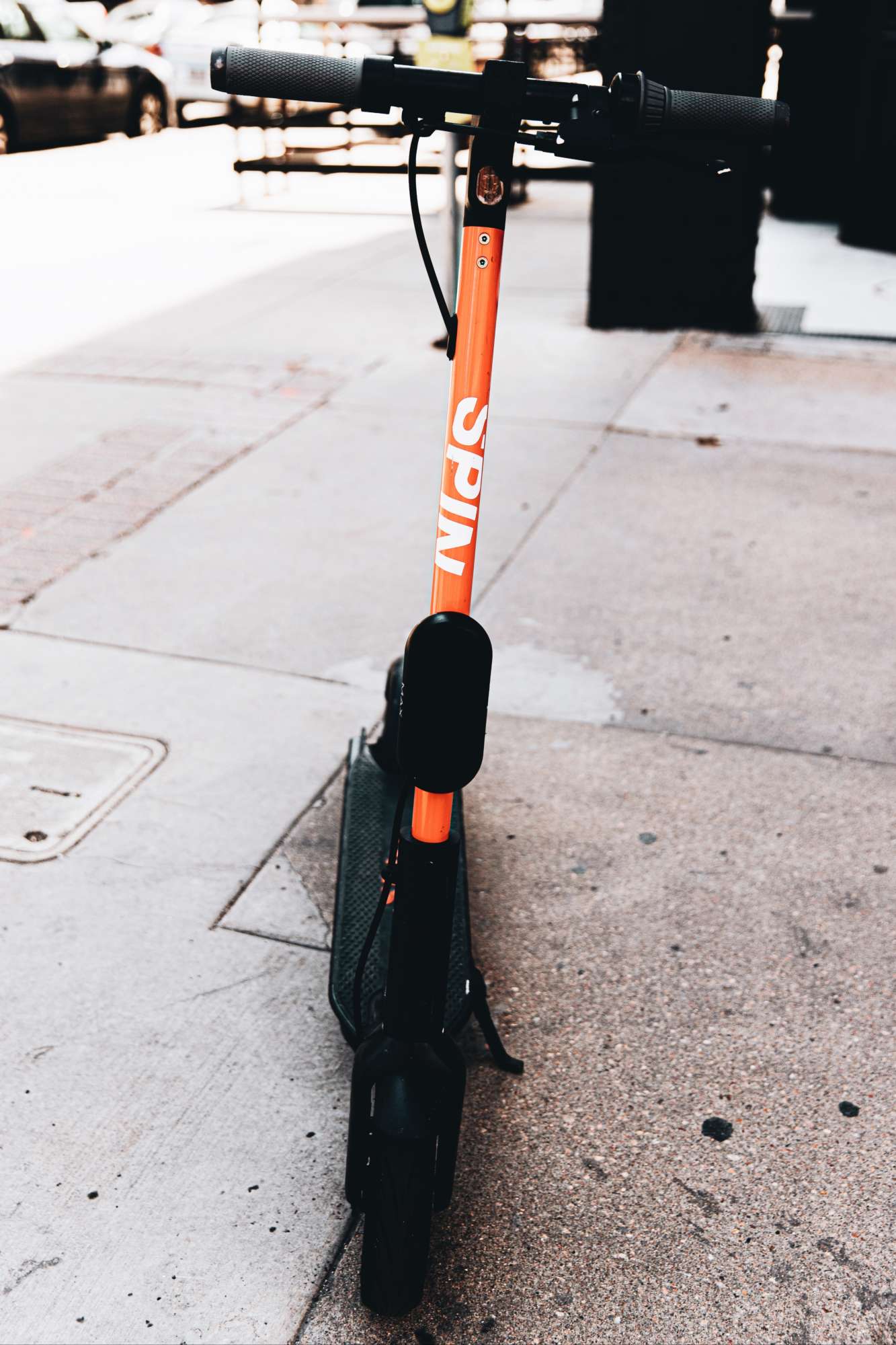
This year’s program is aiming to have four times the scooters deployed and have the 10,000 scooters distributed amongst three vendors instead of the 10 providers that supplied the scooters last year. (All of the vendors from last year are eligible to submit applications to the city, but only three of them will be given permission to deploy the scooters.) City officials hope this will be an improvement in satisfaction given that users won’t have to download as many apps for their phones to unlock and activate the scooters as they did last year.

electric scooters chicagoThe area in which scooters will be deployed is larger than last year’s limit to the West Side priority areas (chosen primarily because of the diminished access to Divvy bikes there compared to the rest of the city). This year, scooters will be available all over the Chicago area save for The 606, The Loop, the lakefront, and at O’Hare Airport. With this expanded area of service, the city expects usage to climb even higher than the average of 7,000 trips a day that were happening last year. Of course, the introduction of even more electric scooters also increases the potential for injury. Last year, almost 200 emergency room visits in the city were due to scooter-related injuries.
Advertisement

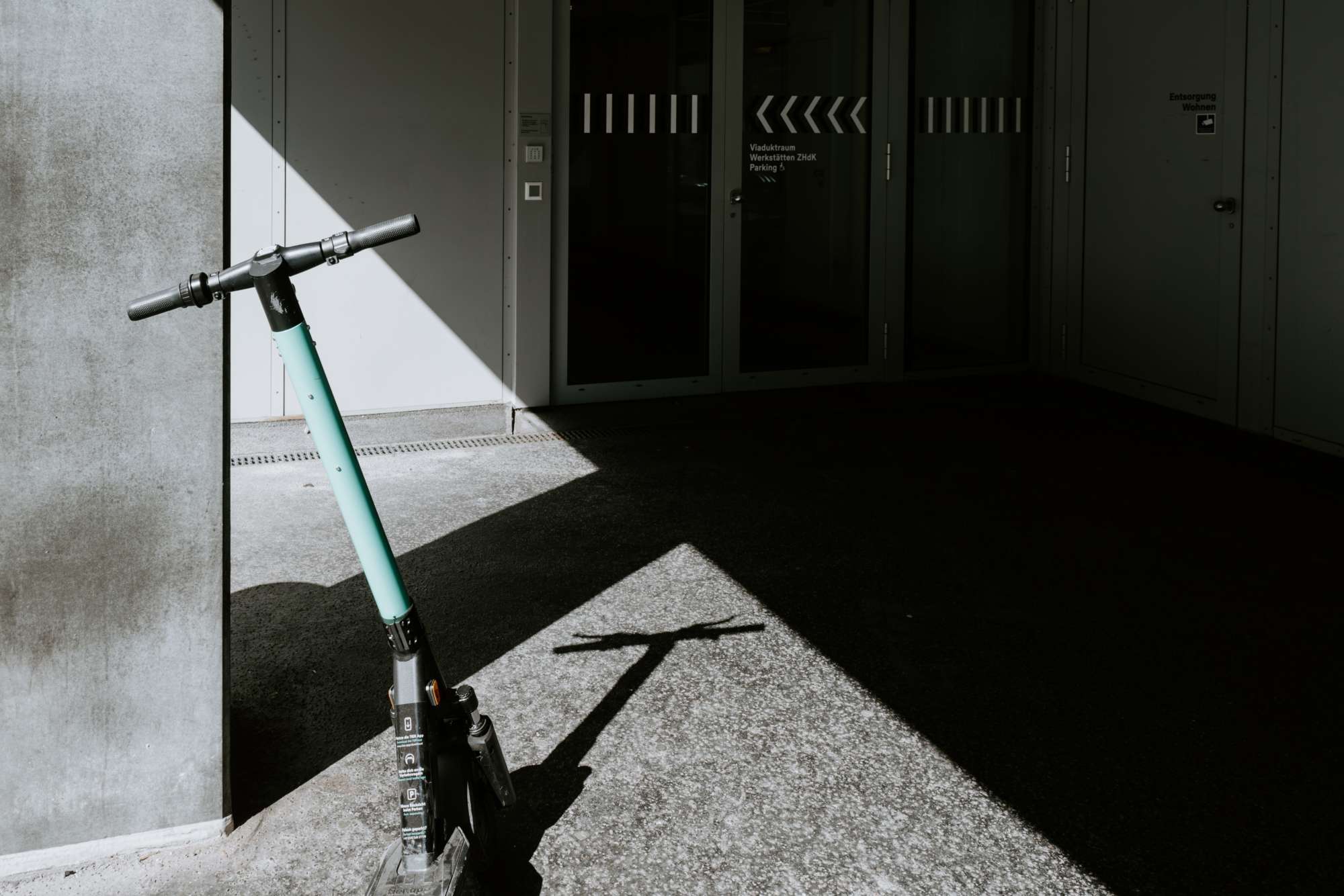
electric scooters chicagoOne of the biggest changes coming to the scooters this summer is that after a ride, scooters will be required to be locked up to a bike rack or other fixed objects in order to curb complaints about scooters being tripping hazards or obstructing pedestrian pathways. This will also help eliminate the need for companies to round up the scooters nightly and then redistribute them in the morning. 

While it’ll be more convenient for the companies without rounding up measures in place, the current pandemic will prove another challenge in terms of sanitation. Staff for these companies will be coming around to clean the scooters, but riders are still encouraged to wear gloves and wash/disinfect their hands after each ride. In addition to the routine cleanings, vendors will be required to offer educational material digitally on and social media and work in tandem with the transportation department’s safety ambassadors and Chicago Police to give educational safety events and distribute helmets (not required by riders, but certainly recommended). All new riders will be required to take an in-app safety quiz. With the fear of cars overrunning the city this summer, perhaps a larger fleet of scooters will aid in lessening the load.

Advertisement

At UrbanMatter, U Matter. And we think this matters.

Advertisement

Tell us what you think matters in your neighborhood and what we should write about next in the comments below!

Featured Image Credit: Unsplash

Advertisement

Advertisement

Read More

Electric Scooters Return to Chicago This Summer With a Quadrupled FleetNishat Ahmedon June 23, 2020 at 9:25 pm Read More »

PHOTOS: Lakefront mansion in Kenilworth with private beach: $8.75MChicagoNow Staffon June 23, 2020 at 5:38 pm

ChicagoNow Staff Blog

PHOTOS: Lakefront mansion in Kenilworth with private beach: $8.75M

Read More

PHOTOS: Lakefront mansion in Kenilworth with private beach: $8.75MChicagoNow Staffon June 23, 2020 at 5:38 pm Read More »

My Three Days Of Taking A Break From Quarantine Was A Real TreatSabrina Nixonon June 23, 2020 at 7:51 pm

Purple Reigns: How to Live a Full Life with Lupus

My Three Days Of Taking A Break From Quarantine Was A Real Treat

Read More

My Three Days Of Taking A Break From Quarantine Was A Real TreatSabrina Nixonon June 23, 2020 at 7:51 pm Read More »

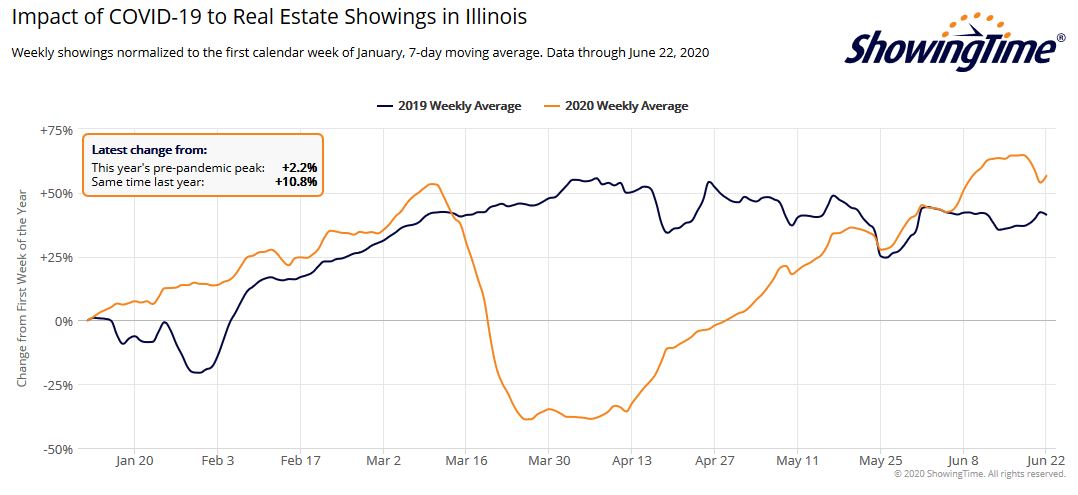
The Lingering Impact Of Covid-19 On The Chicago Real Estate MarketGary Lucidoon June 23, 2020 at 7:58 pm

Getting Real

The Lingering Impact Of Covid-19 On The Chicago Real Estate Market

Read More

The Lingering Impact Of Covid-19 On The Chicago Real Estate MarketGary Lucidoon June 23, 2020 at 7:58 pm Read More »