ChicagoBulls (Photo by Adam Glanzman/Getty Images)
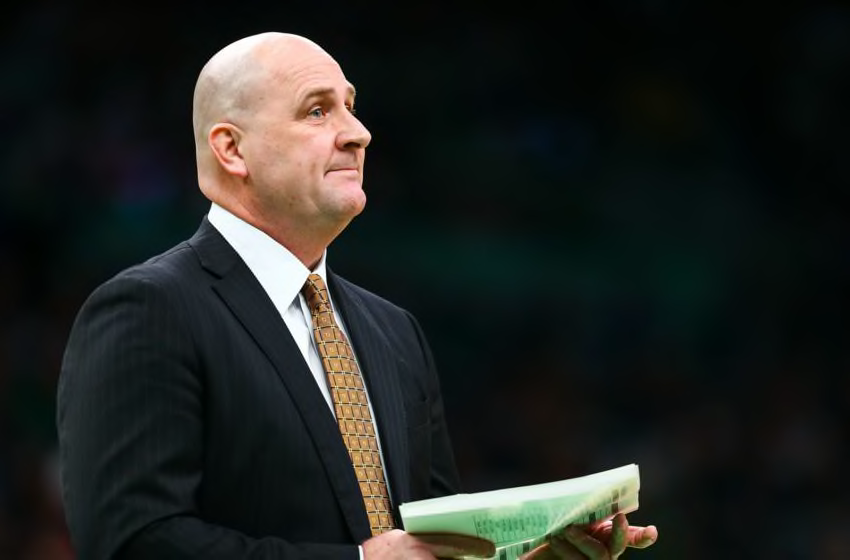
Will Jim Boylen stick around a while with the Chicago Bulls? If he does, we might know why.
If you are a fan of the Chicago Bulls, there is a decent chance you’re also a Chicago Cubs fan. This past offseason, we heard plenty from the Cubs brass about why they wouldn’t go after higher tier free agents.
It was simple, really.
“We don’t have the money” is the gist of what Rickets continued to hammer when questioned. For the Cubs, we are now seeing the consequences of not spending money on an area of weakness: The bullpen.
Similarly, now, the Bulls are in a familiar position. When Arturas Karnisovas took over as Vice President of Basketball Operation, most believed he would end up canning Jim Boylen in favor of a younger, more player-friendly type of leader.
It was almost a foregone conclusion that Boylen would be out before next season. It seemed like a no-brainer, especially having the front office completely retooled with the likes of Karnisovas and new general manager Marc Eversley.
Yet, a recent report out of the Chicago Sun-Times gave us some inside information regarding Boylen’s future.
RELATED PRODUCT
Chicago Bulls Floral Straw Hat
“. . . even if Karnisovas didn’t like what he would have seen from Boylen he would likely be handcuffed from making a change.” (Joe Cowley via Sun Times)
If you’re like me, you read that and immediately question, “Why?”
Per the same report out of the Sun Times, Jerry Reinsdorf would be opposed to spending the money on another head coach. According to multiple sources via the Sun Times, Reinsdorf is fearful of losing out on a large amount of money due to the current state of the country amidst the COVID-19 pandemic.
The Bulls were recently valued at approximately $3.2 billion, again pointed out by Cowley. As anyone else would state, the fact that Reinsdorf attempts to complain about money when his franchise is valued at such a high number is absolutely laughable.
Recently, there were worries that the Bulls brass wasn’t listening to the players enough. An anonymous player came out and said as much. Yet, Karnisovas and Eversley said this would be their focus going forward — to listen to the players and put them first.
It’s a bit difficult to stay locked onto your word when ownership is cramping your style, though. You have to assume Karnisovas is wondering what he got himself into with taking on this role. Is it Karnisovas’ show? Or, is Reinsdorf going to play him like a puppet?
For the sake of the fanbase, players, organization and city of Chicago, for that matter, we better hope Reinsdorf figures this out and knocks off these ridiculous cries for help. No one feels bad for him. No one cares.
There are real people out there, who bleed red and black, and are literally grasping at a thread to hold on financially. This pandemic has hit the everyday, hard-working people where it hurts. Many of us are struggling — actually struggling.
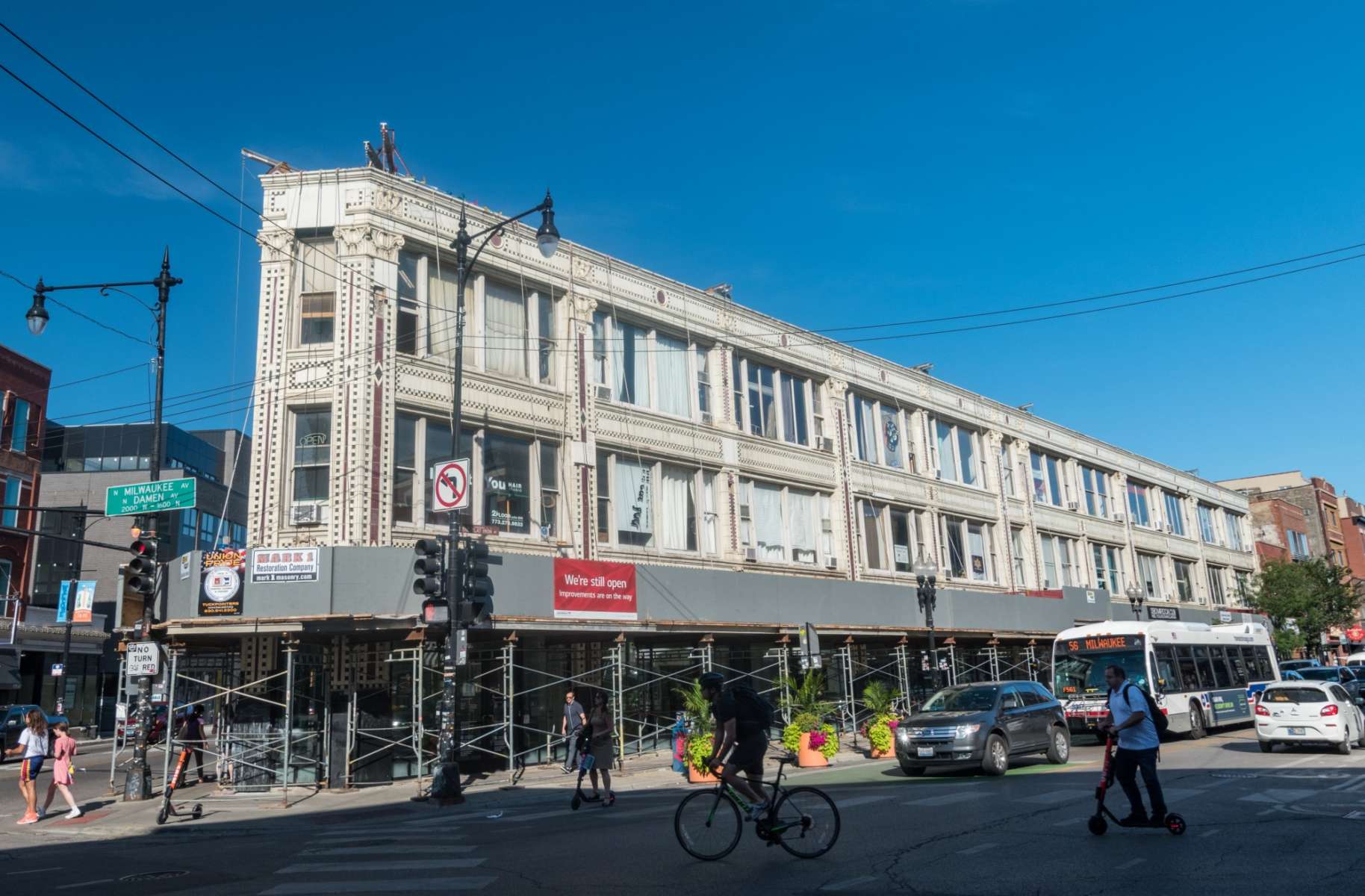
Open House Chicago, put on by the Chicago Architecture Center, is the city’s annual architecture festival. The festival traditionally takes place over an October weekend where festival attendees can explore the most iconic and unique architectural gems of Chicago. This October, Open House Chicago will still bring its festivities with outdoor and online programming to accommodate for the new health and safety guidelines put into place by the city and health officials.
Celebrating its 10th anniversary, the Open House Chicago is the second-most widely attended event of its kind in the whole world. Known as “the city of neighborhoods,” Chicago’s South and West sides are intentionally focused on by Open House Chicago, spotlighting architecturally, culturally, and historically significant buildings and areas.
Advertisement
Photo Credit: Erica Allix Rogers via Open House Chicago
Usually running for only a weekend, this year’s modified Open House Chicago will be extended to 10 days, beginning on October 16th and running through October 25th. The programming for the festival is still under construction, but the largest thing to note is that most (if not all) the buildings featured for the festival will only be accessible in an outdoor capacity. For those wishing they could step inside historic spaces and take in famed views, this news might come as a disappointment, but given all the cancellations that have happened this year, the fact that such an important event is still surviving should (hopefully) come as a relief.
Photo Credit: Erica Allix Rogers via Open House Chicago
Individuals, families, and other small groups can take self-guided tours using the Open House Chicago mobile app and visit over 20 neighborhoods in the city. The app will provide history for these significant areas and buildings and, while no one can enter the buildings, there is still plenty to admire and marvel at from the outside. Yet, for those who absolutely must know about what beauty awaits inside, Open House Chicago will have virtual programming to take viewers inside some buildings inaccessible to the public at this year’s event. For online programming, both free and paid options will be available. If you’d like to attend, make sure you register in advance!
Advertisement
Photo Credit: Beyond Cinema
View the Drive-Ins Coming to Chicago
Looking for some more family fun? View our list of drive0in theaters coming to the city.
With concerns of rising coronavirus case numbers rising across the city and state, Open House Chicago will not be conducting any kind of large group activities/gatherings and, while not mandatory because all in-person programming will be happening outdoors, all attendees are strongly encouraged to wear face masks at all times while maintaining six feet of social distance during their explorations save for the others in their attending group. To keep informed of all safety updates and full programming for Open House Chicago, be sure to check out their website.
Advertisement
At UrbanMatter, U Matter. And we think this matters.
Tell us what you think matters in your neighborhood and what we should write about next in the comments below!
Advertisement
Featured Image Credit: Erica Allix Rogers via Open House Chicago
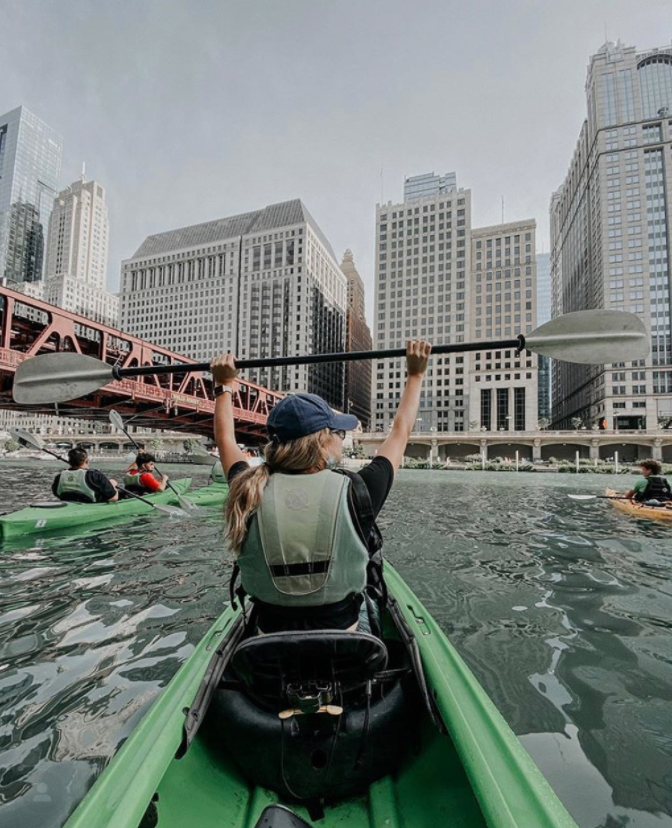
From the winding Chicago River to the clear blue waters of Lake Michigan, it’s no secret that Chicago has some of the best paddling in the Midwest. And here’s even better news: you don’t have to own a kayak to enjoy it. Rental shops offer a variety of kayak trips ranging in length and difficulty. So, whether you’re new to paddling or a seasoned expert, take advantage of summer with an aquatic adventure! Here are the 7 best kayak rentals in Chicago.
Photo Credit: @ariadnaepineda Instagram Page
435 E Chicago Riverwalk, Chicago, IL 60601 | 110 N Lakeshore Dr, Chicago, IL 60601
Advertisement
Looking for a leisurely paddle? The Lakefront location at Monroe Harbor is great for beginners with calmer conditions. Consider yourself more advanced? The Riverwalk location is a more challenging option. Heads up, renters will be given a quick skills assessment to make sure they’re ready. Newbie kayakers should opt for a tandem kayak with a more experienced partner. Reservations must be made online, in advance and prices start at $30/hour per person (one per single or two per tandem).
Photo Credit: Wateriders Facebook Page
500 N Kingsbury St, Chicago, IL 60654
Advertisement
Since 1997, Wateriders have led adventure-seekers through the concrete canyons of downtown Chicago. You can choose from several different tours ranging from an architecture tour, moonlight paddle, ghosts and gangsters tour, plus more. Need some quick coaching? Everyone gets a lesson on land but the friendly folks at Wateriders will provide additional training on water, at no cost! Prices start at around $40.
Photo Credit: Kayak Chicago
1220 W Lemoyne Ave, Chicago, IL 60642
Advertisement
Escape your house and get active with the best social distancing activity there is: paddling (duh). The team at Kayak Chicago is taking every precaution to ensure all equipment is clean. They’re sanitizing each kayak and paddle after every use and continue to enforce strict social distancing guidelines. Prices start at $30 per hour but use code Openair20 to snag 10 percent off now!
Photo Credit: Kayak Chicago North Avenue
1603 N Lake Shore Drive, Chicago, IL 60642
Advertisement
Experience a breathtaking sunset on the lake! Your evening will start with the basics: rules of the water, safety, and paddle strokes. Then you will launch from the beach with your boat lights on. From there, enjoy a relaxing paddle and watch the sun sink into the horizon!
Photo Credit: Chicago SUP Instagram Page
1601 N Lake Shore Dr, Chicago, IL 60614
Advertisement
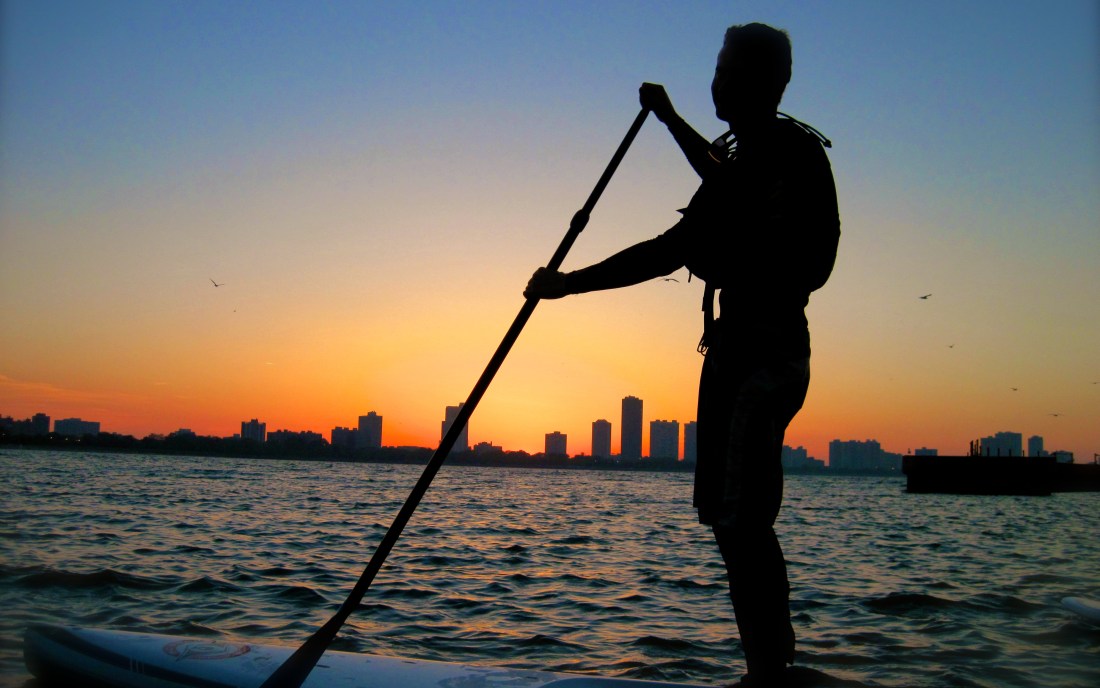
Want to try something different? Check out Chicago’s “Stand Up Paddling.” Their rentals include everything you need for an easy, breezy paddle! Perfect to take in Chicago’s lakefront and skyline, without the need to lug around a heavy board. Also great for expert paddlers visiting the Windy City, or just about anyone searching for fun! Rental prices start at $35 per hour.
Photo Credit: Chicago River Instagram Page
3400 N Rockwell St, Chicago, IL 60618
Advertisement
Channel your inner nature-lover! Paddle along the soothing shorelines of Busse Reservoir or take on calming waters of Lake Tampier. Heads up, both locations are a bit of a drive but the destination is worth it. The Busse Reservoir location is open Saturdays and Tuesdays and the Lake Tampier site on Sundays and Wednesdays. Hours are 9 am until 4 pm and the team operates on a first-come, first-served basis. Kayak rentals start at $20 per hour.
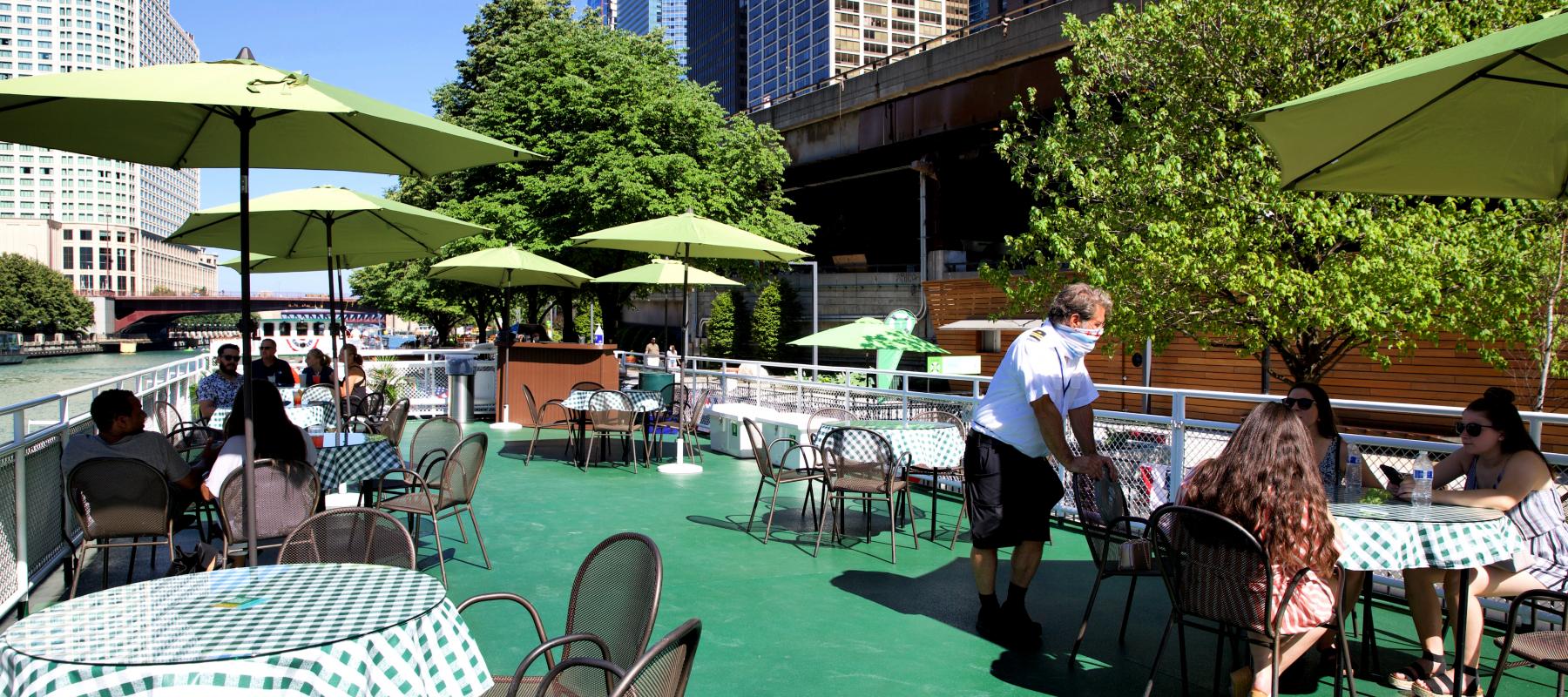
Photo Credit: Chicago’s First Lady Floating Rooftop
Check Out this Floating Rooftop Bar in Chicago
Can’t get enough of the river? Check out our breakdown of this floating rooftop bar in the city.
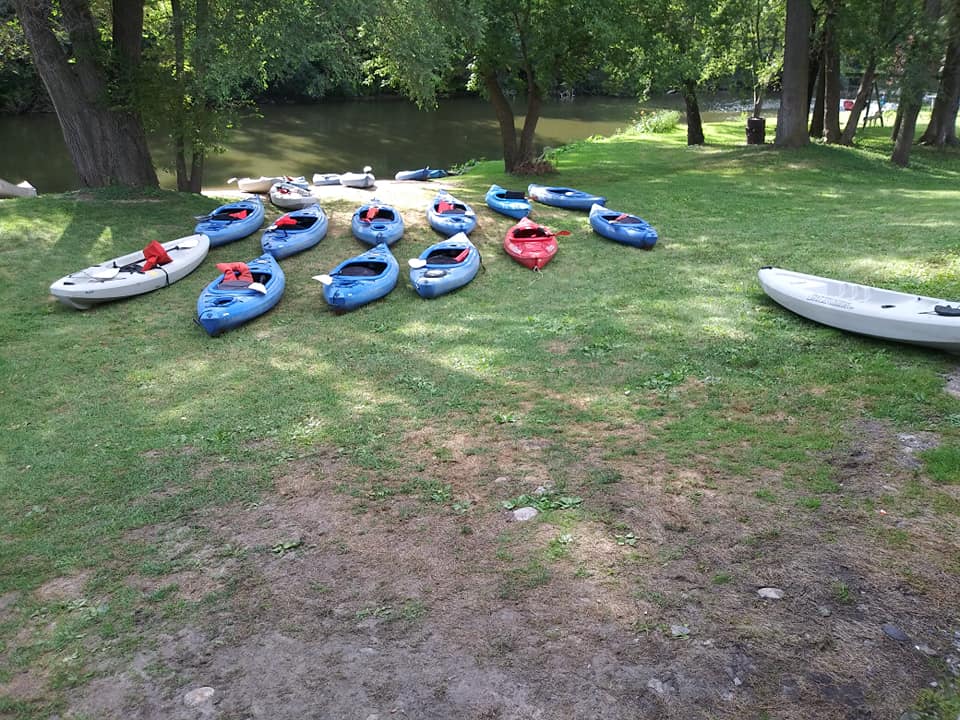
Enjoy nature at it’s finest, just outside of Chicago. Choose from two different journeys. A 4-hour, 7-mile paddle begins at Keystone landing in Richmond and will take you through Glacial Park. Or opt for a 6-hour, 11-middle paddle that starts at Keystone Landing and winds down Nippersink Creek. Both offer scenic views and plenty of wildlife to observe. Single kayaks start at $55.
At UrbanMatter, U Matter. And we think this matters.
Tell us what you think matters in your neighborhood and what we should write about next in the comments below!
People have always saved scraps of their experience to help remind them of a magical time in their lives. We save a shell from our vacation at the beach where we fell in love. Perhaps a ticket stub from the championship game when the Cubs won the world series.
It doesn’t make ‘intellectual’ sense. It’s more of the lucky charm concept. A feeling that there is some mysterious mojo, buzz, aura, ‘divine intervention’… something with a spirit beyond explanation that we believe exists outside our normal perception of space and time. We just “feel it.” It’s an awareness that there is something, a force that operates unseen. How else would the dice answer our plea to toss seven at the craps table!
In that rabbit foot is something we’re sure will bring us good fortune. The power in that furry paw is invisible, but it is there. That’s what makes symbols important, their connection to ‘unseen power.’ That’s why we put a horseshoe over the barn door, always with the ends pointing up. (Do it otherwise and you’ll wind up in the dreaded realm waiting below).
Sometimes, when I’m meditating, I use an aromatic dispenser that puts out a fragrant mist. It’s not so much the fragrances that waft into the room, but what the scents conjure up in my relaxed state of mind. A kind of mystic aura. Something different in the atmosphere: eerie; other worldly. As if I’m connecting with a time beyond the past, to the ancient history of the early world.
Throughout the centuries, swamis, shamans, and holy men have used essential oils to stimulate our awareness of the invisible energy reservoirs within us, the textures and scents igniting our senses to help us connect to the spiritual side of our lives.
Essential oils refer to substances extracted from roots, stems, bark, flowers, or any part of a plant. Many common essential oils, such as eucalyptus, chamomile, frankincense, lemongrass, and lavender are used for cosmetic or healing purposes. Some have been even been associated with treatment for anxiety and depression.
Does it work? If it makes you feel better… it works! Try this if you’re feeling a bit down. Rub a few drops of Rosewood directly over the heart (where unconditional love, forgiveness and compassion reside). Work the oil into the center of the chest in wide circles and inhale the scent with deep breaths. Feel the love that resides there! Do you feel better? Then it works.
Seriously? Well, in 2014, Germany approved lavender as a legitimate medicinal substance for treating anxiety. And some studies have indicated that lavender-oil massages can lower blood pressure and ease headaches. Here’s more “proof:” Aromatherapy with Orange essential oil was used on children aged six to nine before undergoing dental treatment. It had positive results in reducing stress and anxiety. And Bergamot oil, derived from its bitter fruit, was shown in a 2011 lab test to be calming and mood-elevating (Disclaimer: the 2011 test was performed on rats!).
Stones, like oils, can hold ‘the unseen power that lives within us.’ It is said, “If you truly hold a stone, you can feel the mountain it came from.”
Green Jasper, known as the Bloodstone because of the traces of iron rust resembling drops of blood, is the stone of courage. Warriors of ancient times carried them to defeat enemies and stop bleeding when wounded. Apparently, it calms anxiousness and drives away negative thought, which would be a good thing if you’re about to go into battle!
Another stone basic to a rockhound’s collection is the Sunstone. It’s said to bring good luck and abundance and to dispel fears and phobias of all kinds. It’s also said to be helpful in contacting animal or spirit guides. So it might be a good idea to keep one handy if your dog is prone to run away.
It’s easy to make fun of the so-called healing powers of oils and stones, but I view them in this light: as mirrors of our feelings. They call into existence all that is within us and around us; they bear witness to the impenetrable mystery of life.
In the course of a long business career I held many titles familiar to the corporate world. But as I quickly learned the lofty nameplates no longer apply when your career comes to a close and you move from the corner office to a corner of the den. The challenge was to stay vital and active rather than idling on the sidelines. I had to create a new foundation upon which to build life’s purpose and joy.
I stopped adding up my stock portfolio as a measure of my net worth and developed a healthy self esteem independent of applause from others.
I am the co-author of The In-Sourcing Handbook: Where and How to Find the Happiness You Deserve, a practical guide and instruction manual offering hands-on exercises to help guide readers to experience the transformative shift from simply tolerating life to celebrating life. I also am the author of 73, a popular collection of short stories about America’s growing senior population running the gamut of emotions as they struggle to resist becoming irrelevant in a youth-oriented society.
I admit I wasn’t enthusiastic about the 2020 MLB season initially, but that has changed. The Cubs and White Sox have both come out of the gate well. I can only hope that more MLB teams don’t go all Miami Marlins and force the 2020 season to shut down. If that was to happen, it would be like when Delmer, of “Oh Brother Where Art Thou” fame offered Everett some gopher. To paraphrase Everett, he said the gopher would only arouse his appetite without satisfying it. I hope MLB hasn’t just aroused fans appetite for baseball.
The Cubs currently sit at 10-2 after Wednesday night’s 6-1 win over the Royals. It seems like the Cubs came out of the gate well prepared and ready to play. Frankly, that’s a departure from the team’s last couple of seasons under former manager, Joe Maddon. Joe’s laid back approach currently has helped the Anaheim Angels get off to a 4-8 start.
A number of guys who seemed underutilized under Maddon have helped the Cubs get off to a torrid start. Ian Happ has seen more playing time under David Ross and currently has an OPS of 1.047. Tyler Chatwood has given the Cubs two excellent starts, going 2-0 with an ERA of 0.71. With all the bullpen woes the Cubs suffered during the 2019 season, it seemed like Chatwood should have gotten more opportunity.
Alec Mills has also given the Cubs two quality starts, going 2-0 with an ERA of 1.38. Mills was effective in limited action in 2019. In 36 innings he out together an ERA of 2.75 to go along with a 1-0 record and pretty good peripheral stats. I don’t believe he wasn’t a better option than what Maddon would often roll out of the pen in 2019.
Finally, there’s the matter of the closer. I didn’t think Craig Kimbrel could possibly be any worse in 2020 than he was in 2019. I was wrong. Kimbrel currently has an ERA of 32.40. He hasn’t been good for a long time now. Rowan Wick looked to be the best option the Cubs had as their closer last season. He looks like a decent option this year. If not him, Jeremy Jeffress should get a shot.
One of the most frustrating things about the Cubs in the last couple of seasons was the feeling they were were playing up to their potential. The 2019 Cubs should have won 90 games instead of 84 based on the Pythagorean method. While a lot of Cubs fans were upset about the loss of Nicholas Castellanos to free agency, the substitution of David Ross for Joe Maddon as Cubs manager has more than made up for that loss.
The improvement of the Cubs under a new manager illustrates why the last two seasons of Cubs baseball were so Maddon-ing.
I’ve been a Chicagosports fan for over 50 years. My first positive Chicago sports memories revolve around the 1963 Bears championship. Some people may think it inappropriate, but I root for both the Cubs and White Sox. When I grew up, I watched them both on WGN and Jack Brickhouse rooted for them both so why not me? I’ve rooted for the Bulls since their inception and grew up listening to Lloyd Pettit call Blackhawks games.
I grew up in the Lockport/Joliet area. Currently I live in Florida and write for a couple of syndicated cartoons strips as well as help supplying cartoons for a number of websites. My gags have also appeared in a number of printed publications including, Parade Magazine, The Wall Street Journal and Barron’s. I sold material to a number of TV standups, including Jay Leno for the Tonight Show. I also do work for ad agencies. And finally, I’ve written a number of cartoon books.
I’m thrilled to have my work get in front of Chicago sports fans and sports fans in general.
Everyone is working from home these days. It can be challenging to find a quiet office space when everyone is home and you can’t leave the house. If you don’t park in your garage, why not turn it into an office? Here are a few tips and tricks to help you make the most of your extra space so you can finally work in peace.
Cleaning
If you’re like the rest of us, your garage is a bit of a catch-all for everything that won’t fit in the rest of your house. It won’t be easy to turn your garage into an office if you have to parkour your way over boxes and garden tools every time you head into the room. With that in mind, start by cleaning and organizing your garage.
Go through everything you’ve stored in there and figure out what you want to keep and what you can stand to part with. That should cut down on the clutter. Then you just need to organize what’s left.
Insulation
Most garages aren’t designed with temperature control in mind, so your next step will be to insulate the space to keep it comfortable while you’re working. If you’re going to leave a work computer out there, the insulation will keep it from overheating. If you’re not sure where to start, it might be a good idea to consult with a professional — especially if your garage walls are finished and you’ll need to tear down drywall to insulate.
Security
The last thing you want to do is waste all your money to create the perfect garage office, only to have someone make off with your work computer because the space isn’t secure. Remember to have your garage door inspected regularly to ensure it’s working properly and will protect whatever you store in your garage. Proper maintenance will also make sure your door doesn’t accidentally injure someone when opening or closing — including you!
Lighting
Don’t kill your eyes squinting at a computer or laptop screen in the perpetually dim light of your garage. Natural lighting is best, but if that’s not an option because it’s hot outside, upgrade your lighting so you can actually see what you’re doing. Overhead fluorescent lighting is inexpensive and easy to install. Depending on your garage’s design, you may even want to install a ceiling fan and an attached light fixture to keep the air moving.
Climate Control
Whether you live in warm or cold climates, this will be a necessity. In most houses, the garage isn’t attached to your HVAC system, so there’s no heat in the winter and no AC in the summer. You have two options here. One, you can pay an HVAC technician to connect the garage to the rest of the home’s ventilation. Or two, you can purchase a portable air conditioner to keep you and your office comfortable.
Keep in mind that portable ACs can chew up a lot of power if you use them often, so if this garage office space will become a long-term thing, it may be more cost-effective to choose option one.
Create Your Space
Once you’ve got the basics down, your garage office space is yours to create. Add some wall hangings, fairy lights or whatever tickles your fancy. Hopefully, once it’s done, you’ll be able to get the peace and quiet you’ll need to work from home.
PIZZA FOR BREAKFAST – Chicago Stories You Can Sink Your Teeth Into
For the first time in my life, I’m working remotely from home.
It’s been months, and I sit here alone, except for listening to WXRT Radio as my companion: Fittingly, Beck’s Uneventful Days is on today’s line-up.
The advisory comes through each hour:
“Stay home as much as you possibly can.”
Staying in place. It’s getting more difficult each day.
The isolation is getting the better of me. Plus, I need to distract myself from the pervasive news.
I call my mom.
As usual, she has good advice for me: Stay Busy.
She relays a story about her own father, who found himself relocating himself, wife and five children to New York in 1942.
His mechanical expertise was needed at LaGuardia Airport, where he spent long hours working to support the war effort.
To decompress during those stressful times, my grandfather set to work on a venture of his own.
He garnered all the excess lumber he could find in those days, recycling wooden pallets and the like, in order to start his project.
He devised a plan in the backyard of the family home.
“What are you building out there?”
his wife asked the next afternoon.
“I’m building you some kitchen cabinets,” was his reply.
My grandmother looked out the kitchen window the following day, shaking her head.
What she saw looked nothing like the cabinets she had requested.
To be sure, the project looked more like a boat.
The secret was out. My grandfather spent his leisure hours designing and building a wooden cruiser cabin in the backyard of their rented home.
Looking toward the future, he knew, once the war was over and his family was back home in Illinois, he would use that watercraft to cruise the bluewaters of Lake Michigan.
The time came for my grandfather to move his family back home. With the help of his buddies, they removed the panels of the backyard fence,
allowing enough room to push the new boat out of the yard and onto a trailer hitch to be taken to the railroad yard.
Grandpa paid to have his prized possession sent by freight car to Lyons, Illinois – its new home.
My grandparents enjoyed their cruiser cabin for years by taking excursions on Lake Michigan.
The craft even survived damage from a fire – started when my uncle was careless with holiday fireworks. My grandfather and uncle repaired
the beloved boat back to near original condition, ensuring its capacity to act as a source of recreation for many years.
Decades later – 1969 to be exact – my grandparents trailed their cabin cruiser by car, down to their newly built home in Lake Placid in central Florida – a tranquil location for their retirement years.
Why did my mother tell this story?
… to remind me to search for a healthy diversion.
… to remind me that it’s time for a project of my own.
My venture won’t be as large. Nor is it likely mine will last 30 years. All I need is a task to occupy my time, alleviate my stress, and influence my imagination.
As a native Chicagoan, I hear tales from the present and years past. I enjoy capturing interesting and/or suspicious tales from my family, friends and enemies. Thought I’d put them to good use by sharing with others.
The electric chair at Auburn State Prison, Courtesy The Library of Congress
In 1881, in Buffalo, N.Y., former steam-boat engineer, dentist, and inventor Alfred P. Southwick witnessed an intoxicated man die instantly after inadvertently touching the terminal of a large generator. Southwick had been thinking about a more humane way of executing condemned criminals and electrocution he thought could be the answer.
After David B. Hill was elected governor of New York in 1885 there were a number of publicized botched hangings and Southwick saw the opportunity to approach Hill with the idea of electrocution as a more civilized means of execution.
Dr. Alfred P. Southwick who became known as the father of the electric chair.
In 1887, Hill formed a three-person Commission made up of Southwick, Elbridge T. Gerry of New York, and Matthew Hall of Albany. They studied different means of execution then currently in use including the guillotine by ten governments, the gallows by three, the sword by nineteen, the musket by two, and the ax by one. On January 17, 1888, they submitted their report with the unanimous support of electrocution. The New York legislature framed and passed a bill that received Hill’s signature on June 4, 1888, and the new law, the first in the world, establishing electrocution as the modern means of execution went into effect in the state of New York on January 1, 1890.
The stage was set for the world’s first execution by electricity but who would be the star of the show?
William F. Kemmler was born on May 9, 1860, and was living in Philadelphia when he became interested in a married woman by the name of Mathilda Ziegler. Mathilda was the sister-in-law of Kemmler’s brother Henry. Kemmler was a produce peddler and called on Mathilda Ziegler as a customer. They had conversations that she was not happy with her husband and in 1887 Kemmler married a woman named Ida Fortner that he was not happy with. Kemmler and Ziegler decided to take off together to escape their unhappy marriages ten days after Kemmler’s marriage to Forter.
Around November of 1887, Kemmler and Ziegler left Philadelphia for Buffalo, NY, and took up residence in a couple of different locations under the names of John and Mathilda Hart. Kemmler started up again as a peddler of produce and they ended up at 526 S. Division Street. John DeBella was one of the persons working for Kemmler and lived with the couple starting in January of 1889.
Kemmler was a heavy drinker and co-workers and neighbors would hear them arguing frequently. According to Kemmler, Ziegler was constantly saying that she was going to take him back to his first wife because he was worthless.
There also seemed to be some suspicion on Kemmler’s part that Ziegler was taking a liking to his employee DeBella.
It all came to a head on the morning of March 29, 1889. Kemmler and Ziegler were in a heated argument when Kemmler took an axe and brutally murdered Ziegler in the kitchen of the home. He hit her with the ax in the head no less than 26 times and fractured her skull in over 17 places.
William F. Kemmler aka John Hart was the first man to be executed by electrocution.
Kemmler left Ziegler on the floor and walked out of the house wiping the blood from his hands. He told Mrs. Reid who was their landlord and lived in the front of the house what he had done. He then walked to Martin’s Saloon, ordered a beer, and told them exactly what he had done. He stated that he killed his wife and was willing to hang for it.
Mathilda Ziegler, Kemmler’s victim and her four-year-old daughter.
He was arrested, arraigned and plead not guilty to first-degree murder. The Trial was short and he was found guilty of first-degree murder on May 10, 1889, and was sentenced on May 14, 1889, to die by electrocution sometime during the week starting June 24, 1889, at the state prison at Auburn, NY.
It all seemed pretty cut and dried and Kemmler was resolved to die for the crime that he had committed even if he would be the first to die by electrocution but there was something going on behind the scenes that remained secret for some time.
Kemmler’s crime was taking place during what we now call “The Current Wars”. American Inventor, Thomas A. Edison who was banking on direct current (D.C.) was deeply at odds with George Westinghouse and genius Nikola Tesla who were proponents of alternating current (A.C.). Both were banking on the fact that their preferred currents would be the predominant mode of transmission going forward.
It seemed that on December 19, 1887, A.P. Southwick had written a letter to Edison asking him for his advice on the best method to execute a human being using electricity. Edison, who was technically against capital punishment, advised Southwick to procure a Westinghouse Dynamo because alternating current was by far the more lethal of the currents available. Of course, Edison had been on a crusade to generate fear about alternating current to persuade people that alternating current would be too dangerous to use in commercial or residential applications and thereby eliminating Westinghouse as a competitor. What better way to show how dangerous alternating current was than to use it to kill people.
Southwick attempted to procure a Westinghouse dynamo for his death chair but Westinghouse denied selling it for that purpose stating that they didn’t sell to government entities. Of course, it was because Westinghouse did not want the negative publicity for their alternating current.
It was later determined that Edison used an employee of his named Harold P. Brown who had also set himself up as an independent consultant to advise the New York State Agency in charge of designing the electric chair. He was able to procure the Westinghouse dynamo which he then used under contract to the New York Medico-Legal Society who was tasked with the help of Southwick and Auburn Prison Warden Charles F. Durston to design the death mechanism.
Westinghouse learned of the scheme and hired the best lawyers he could find to appeal Kemmler’s case even without Kemmler’s or anyone else’s knowledge.
The appeals were based in part on an assertion that death by electrocution would be considered a “cruel and unusual punishment”
Ultimately, all attempts at saving Kemmler failed. Early in the morning of August 6, 1890, William Kemmler was led to the death chamber at the state prison in Auburn. He was very calm and collected and had become friends with his keepers and Warden Durston. In fact, Durston’s wife had studied the bible with Kemmler and had him converted while in captivity. He had made out his will gifting his bible, his autograph cards (he had learned to write his name in prison), and various other personal effects to his captor friends.
Warden Durston introduced him to those who were there to witness the execution and then said, “I have informed you as to the provision of the warrant and it is now my duty to carry the sentence and judgment of the court into effect. Have you anything to say?”
“No, I haven’t much to say. The newspapers have been saying a lot of things about me which was not so. I wish you all good luck in this world. I believe I am going to a good place.”
The clergy present said, “Amen.” Kemmler said, “Goodbye.”
He took off his jacket and laid it on the back of the electric chair. The chair was made of wood and was in the shape of a dentist’s chair with straps for the arms, chest and legs. His shirt had been precut for one of the electrodes to be placed on his lower spine, his head was shaved for the electrode to be placed on his head. Later the small of the back electrode would be replaced with one on the calf for future executions.
After a few minutes, the straps were in place and Kemmler shook his head stating that the electrode on his head was a little loose. Kemmler looked at the warden and said, “I guess you’d better make that one a little tighter, Mr. Durston”
Warden Charles F. Durston, Auburn Prison July 1887 to May 1893.
Durston tightened the electrode on his head. The last strap was fastened around Kemmler’s face. It was a wide strap that covered the eyes, nose, and chin but left the nostrils and mouth free to be able to speak and breathe.
A syringe was used to inject a saline solution on the sponges used by the electrodes to make sure a good electrical connection was made and to reduce burning.
Warden Durston stepped to where he could reach the door where the switch was and said, “Nothing has been forgotten, Goodbye William.” Durston tapped twice on the door leading to the anonymous executioner who was later determined to be another prisoner.
A muffled, “Goodbye” could be heard from Kemmler.
The electrical switch was thrown and Kemmler’s body tensed. For seventeen seconds over 1,300 volts of electricity passed through Kemmler’s body as his hands and arms constantly contracted.
When the current stopped Kemmler’s body relaxed. The doctors stepped forward and a blue froth could be seen on the corners of Kemmler’s mouth.
The doctors attempted to remove the strap around Kemmler’s mouth and then he twitched! The froth was blown from his mouth and the doctors yelled out, “He is alive! Turn on the current again. Quick more current!”
The sound of the switch could be heard again and while the body movements ceased the overwhelming smell of burnt flesh and singed hair filled the room. At the base of Kemmler’s spine, a small blue lick of flame could be seen. One man turned and vomited. The stronger and longer current was turned off. The doctors waited about four minutes before approaching Kemmler. He was indeed dead but nothing so horrible or gut-wrenching had been witnessed by anyone in the room.
The Chicago Tribune published Westinghouse’s reaction to the horrors of the execution on August 7, 1890.
Pittsburg, PA., Aug. 6 [Special] George Westinghouse Jr., President of the Westinghouse Electric company, breathed a sigh of relief when he was advised this morning of the result of Kemmler’s electrocution.
“I do not care to talk about it,” he said. “It has been a brutal affair. They could have done better with an ax.”
Find Chicago History The Stranger Side on FACEBOOK
If you love Chicago History please consider subscribing to my posts. You will receive an email that alerts you when a new article is published. My list is completely spam free, and you can opt out at any time.
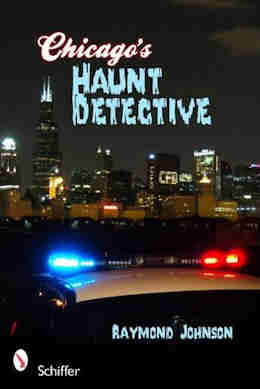
Ray Johnson is a former criminal investigator in Du Page County, Illinois. He was born in Chicago and has spent his entire life in the Chicagoland area. He is a graduate of The University of Illinois at Chicago and has taught College Classes in Criminal Justice at the College of Du Page in Glen Ellyn as well as lecturing on Chicago folklore and history and teaching adult education classes on historical research techniques. He is a former Chicago Area Representative of the Association of Professional Genealogists, a member of the Jackson Park Advisory Council and a member of the Hyde Park Historical Society. He is a life-long fan of Chicago history and especially the stranger side of Chicago’s history which really makes history come alive for adults and kids alike. His first published work is “Chicago’s Haunt Detective”, Schiffer Publishing, Atglen, PA, 2011. His website for the stranger side of Chicago is HauntDetective.com He also runs a historical research service from his other website, HistoryCop.com. His second book, “Chicago History – The Stranger Side”, Schiffer Publishing, Atglen, PA, 2014 was released this February.
The 1893 World’s Columbian Exposition is one of Ray’s favorite historic topics in Chicago history and he recently started a not for profit called “Friends of the White City”
The last several weeks have been brutal. Hot weather takes a big bite out of the fishing. It’s not comfortable and the fish become sluggish.
One thing to do when it’s really hot outside, switch from fishing the lakes and ponds to river and creek fishing. Wading in moving water somehow just seems cooler and you’ll find more active fish.
A friend of mine, Ken O’Malley, aka Husker, did just that and spent a few hours on the Kankakee River.
“Hey Don, Here is a recap of this past week’s fishing.
Kankakee River is very wadeable right now. Water clarity is slightly stained, which is perfect. Working a Bandit 100 along current seams took the larger smallmouth. Pitching a TRD along current breaks took good numbers of bass. TTYL”
Ken “Husker” O’Malley Husker Outdoors
Give this a try. Even on a hot day you may just enjoy getting back into the outdoors.
Don Dziedzina of Illinois Outdoors Inc., has been involved in the outdoors industry for over 40 years.
Don has written columns for numerous outdoor magazines and many local newspapers. For a couple years he wrote outdoor columns for the Chicago Tribune in the Sports section.
For over 20 years ago Don was the producer and host of the Illinois Outdoors TV show. It aired on Comcast, Insight, and MediaCom Cable stations having a reach of nearly 7 million viewers every week.
Don joined Jim DaRosa as a co-host of the Fishing and Outdoor Radio Show. The very popular outdoor radio show aired every week, simulcast on WCSJ AM 1550, WCSJ FM 103.1, WSPY FM 107.1, WSPY AM 1480, WSQR FM 93.5 and WSQR AM 1180.
After two years of retirement from writing, TV and Radio, Don started a new blog on ChicagoNow titled Back Into the Outdoors.
On the Illinois Outdoors TV Show, Don always says, “Great Fishing (or hunting) is not that far away.” tm That saying is still popular today.



 Celebrating its 10th anniversary, the Open House Chicago is the second-most widely attended event of its kind in the whole world. Known as “the city of neighborhoods,” Chicago’s South and West sides are intentionally focused on by Open House Chicago, spotlighting architecturally, culturally, and historically significant buildings and areas.










 Haunt Detective
 Strange Chicago History


Leave a comment