In a recent Illanoize Radio interview, south-side rapper Lil Romo said he started to approach his music more professionally in October 2018, after he dropped “Realla (Scrilla Remix),” where he raps like he’s trying to outrun the anxious, zippy instrumental. Since then, his career has seemed to draw on the energy of that track. He’s dropped four singles since February, and most of them have racked up at least 100,000 YouTube views. His most recent video, for the forlorn “Long Time,” hit 10,000 views in less than two days–and I imagine it’ll reach ten times that soon, given how expertly Romo and rapper Duke Da Beast slather their verses in Auto-Tune sweetness. The song exemplifies the pop proclivities that color Romo’s new debut, King Without a Crown (The Programm/Empire), where he leans into the euphonic wave of drill that’s come to the fore over the past couple years. The bulk of the album uses refined, gentle melodies that seem to console him as he raps about his fallen friends. But Romo can sound harsh too, when the feeling moves him–he really bares his teeth on “Let’s Do It,” where his terse lines hit hard enough to raise welts. v
One day, when Uptown resident and freelance photographer Paul Octavious was shooting in his apartment, he saw young Black children walk by his window and stare at him while he worked. As a self-taught photographer who wasn’t exposed to the art form as a child, seeing these children watch him lit a light bulb: How could he help open the door of photography to Black folks wanting an outlet to be creative and document their communities?
His idea became very real when the George Floyd protests erupted worldwide. Seeing protest documentation–and the misplaced desire from some white photographers to capitalize on capturing the movement–inspired him to start Black Archivist, a donation-based photography project designed to get cameras into the hands of Black people all over the country so Black communities can accurately tell their own stories without worrying about barriers like equipment access or formal education.
“This is for Black people living in America. They don’t have to be a photographer per se–if you have the urge, the drive to want to learn photography, that’s all you need to apply,” says Octavious, who started documenting with his first camera in 2005 and has been a full-time freelancer since 2008. He launched the project on Juneteenth, and since then, Octavious says he has received more than 50 camera donations, 300 applications from Black photographers, and more than $3,000, which will be used for shipping and purchasing new cameras if necessary. Through word of mouth and social media, the project has grown bigger than he ever thought it would.
The outpouring of community support speaks to the appetite for this kind of work in a time when protests for Black liberation are on center stage. Octavious thinks the movement reinvigorated folks to take action and see the disparity between Black and white communities in a new light. And part of that is credited to the power photography can bring to communities historically left out of the mainstream narrative.
“As a human race, we are more visual,” he says. “That’s what happened with George Floyd: People saw this Black man not breathing, with someone’s knee on his neck. I think people had to see it in order to [believe it].”
This witnessing of history and documenting the humanity of Black life is seen through the work of 18-year-old Kaleb Autman, an organizer, photographer, filmmaker, and artist from the west side who has documented Black Liberation movements since he was 12 years old. After a recent protest at Mayor Lightfoot’s house, Autman’s camera, lens, and phone were destroyed after liquid spilled onto his bag. To replace this equipment essential to his documentation and organizing work, he created a GoFundMe that raised more than $7,000 in less than 24 hours. “It felt humbling to understand that folks do see my work, and not even from the donations but from the messages of people I didn’t know who had seen my photography, to my peers saying, ‘I stand on your shoulders. You allowed me to do this and we are the same age,'” Autman says.
Octavious was one such person who reached out to the young photographer, offering a donated camera. But once the fundraiser goal was met, Autman decided to decline the offer so that the camera could go to a documenter who could not afford one. Having surpassed his goal, he paid it forward, giving $500 to five organizers on the ground to help pay for rides to and from protests, a logistical matter not often acknowledged that is just as important as the action.
The role of documenting has opened opportunities for Autman–at 13, his work photographing Black Lives Matter marches in 2014 was published online at BET and NBC, making him one of the youngest people in the U.S. to have photographs featured on a national media platform. While this fact is padded by his humility, it’s a testament to how photography can build trust with the media and the community–and hold accountability. He says stripping away the financial barrier for Black creatives is key. It took Autman seven years to raise money for his first camera. “The power of photography is narrative building, documenting history, and it is humanizing the folks on the other side of the lens, as well as humanizing yourself,” he says.
Vashon Jordan Jr., a 21-year-old photographer and Columbia College senior from West Pullman, wants more Black documenters out on the streets. The television student gained notoriety on social media as of late for covering recent unrest through an unfiltered and honest view that has allowed him to amplify Black voices, an approach which stems from his own experiences. But he doesn’t want to be put on a pedestal for his work–it should be the norm, he says.
When he was a junior in high school, he bought his first DSLR camera and taught himself how to use it. He then won a sponsorship from a photo and film rental company to produce a short film about a trans woman wrongly accused of sexual assault to highlight how the justice system disproportionately affects transgender people. Since then, he has been documenting his community and beyond for the last five years. He recently gave his first camera to a friend, also his photo assistant, whose camera was stolen. “If you give a camera or a tool to the source, magic is guaranteed to be made because our lives and our experiences are magical,” Jordan says.
That magic is what Octavious hopes to spread with Black Archivist. Aside from providing documentation access, the project is a way to uplift Black photographers, share their work, and create a network of support. Since Black Archivist began, he’s been sharing beautiful photos on Instagram to highlight the variance of Black art and give these artists a bigger audience. And it’s a reminder that anyone–regardless of race, education, or class–can do anything they want if they are drawn to it. “Not being a photographer and then becoming a photographer, I learned that I can become a photographer,” Octavious says. “You have to believe it to make other people believe it.” v
In a recent survey published in the Singapore-based paper the Straits Times, “artist” was labeled the top nonessential job during the pandemic. Folks flocked to social media to push back and criticize the results–and rightfully so. Just because museums have been largely closed and art openings have been put on pause doesn’t mean art is absent from our everyday experience.
Art spaces are trickling back with shows, events, and exhibitions since we entered phase four of the reopening. That’s why “Artists Run Chicago 2.0” makes so much damn sense. Because they do–and they always will–run Chicago (pandemic or not).
I don’t frequent the Art Institute or the Museum of Contemporary Art all that often. I’m more of an ACRE, Heaven, Franklin kind of gal. So it’s a relief to know that the Hyde Park Art Center’s exhibition is inviting all of my favorite artist-run, DIY galleries to feature work all over the building. No need to travel up to Oak Park and down to Pilsen to try and catch several openings in one night–they are all going to be in the galleries, hallways, and even the kitchen space of HPAC.
There are 50 galleries involved in “Artists Run Chicago 2.0,” and those are just a handful of the spaces that exist in the city’s DIY art scene. Chicago thrives off of alternative art spaces. There’s even an exhibition space, Clutch, that takes place inside of a purse. Whether it’s in a backyard, a garage, or storefront, all of the spaces involved in the show are artist-run.
The Hyde Park Art Center is commemorating the anniversary of the original “Artists Run Chicago” show in 2009. Some of the galleries like 65GRAND, Julius Caesar, and Devening Projects overlap with this year’s show, but many of the galleries included in the 2.0 edition have popped up since 2009. Like many DIY spaces, some have come and gone, while others have transformed into a new gallery or project space.
In 2010, LVL3 started as a live-work space which has now turned into an inclusive exhibition space. LVL3 celebrated its ten-year anniversary in February, which is a large part of their selection of work in “Artist Run 2.0.” Vincent Uribe, the director of the gallery, says, “It’s an honor to participate alongside so many of our favorite artist-run spaces. It’s a bit surreal to think we’ve been doing year-round exhibition programming for the past ten years, having interacted with so many different artists from all over the world.”
The pieces at HPAC are work and ephemera that LVL3 has collected and archived over the years. “There are notes from artists, instructions, fragments of things left behind but they have a distinct memory tied to them to help us recognize the work we’ve put into LVL3 with so many different people involved,” Uribe says.
When I did a walk-through of the show with Allison Peters Quinn, the director of exhibitions at HPAC, she mentioned how different this opening will look compared to the 2009 exhibition. Artist-run gallery openings are known for their after-parties and the in-person connections made from artist to artist and gallery to gallery. She says that excitement will definitely be missed here as folks will have to view the show with limited capacity.
While the opening may look different, it’s still a way to engage with new galleries and project spaces. I was drawn to the library project space, Chuquimarca, and its display of a selection of Native, Caribbean, and Latinx art and history books that take a closer look at HPAC’s archive and library. Above the installation are the words “Decolonize Zhigaagoong, Defund CPD, and Defend DACA,” which, as the organizer of the space John H. Guevara explains, acknowledges “Chicago’s Indigenous legacy and racist colonial systems. The assemblage of the statement and library installation hopes to encourage Chicago’s art communities to evaluate their principles and operations with social and political issues and laws.”
Guevara says while Chicago’s independent art spaces and projects are important, “initiatives that slow down, problematize, and workshop art-making, and are vocally working to be anti-racist and anti-colonial are more imperative.” So while folks may miss gallery openings, the connections made, and professional networking, it’s all trivial in the grand scheme of reality. Folks like Guevara are utilizing this exhibition to provide education and he explains that to make art for the “visibility sake becomes secondary,” and community and healing come first. “We aren’t able to speak on other cities, but that may be the juice of Chicago’s artist-run spaces and projects.” v
The public can attend the Art Center’s opening of the exhibition on September 1 which takes place in Gallery’s 1, 2, 5, the Cleve Carney Gallery, the Kanter McCormick Gallery, and the Jackman Goldwasser Catwalk Gallery.
Final Thoughts: Kris Bryant sits again as he nurses his sore left wrist. David Bote boosted the Cubs out of a four-game losing streak with his pinch-hit three-run home in game 2 of Monday’s doubleheader. Yu Darvish was lights out in his most recent start.
The overlap between extreme metal and avant-garde improvised music is admittedly slight, but that tiny patch of ground produces some extravagantly bizarre fruits–among them New York City trio Imperial Triumphant. Drummer Kenny Grohowski frequently collaborates with downtown-scene daddy John Zorn, most notably performing his music in Simulacrum with guitarist Matt Hollenberg of Cleric and organist John Medeski. And bassist Steven Blanco not only has a history as a jazz pianist but also plays bass in PAK with guitarist Ron Anderson of Molecules and Rat at Rat R fame, alongside Cleric drummer Larry Kwartowitz. The dissonant, shape-shifting tangle of black and death metal on Imperial Triumphant’s new fourth full-length, Alphaville, uses improvisation only in its details–these are unmistakably composed pieces–but it does adopt the avant-garde stance of insisting that you come to it. Frenzied, decadent, and spring-loaded with unpredictable shifts in mood and intensity, this chaotic but tightly controlled music has no special interest in catchy riffs, and it doesn’t care if you’re tired of waiting for a chorus–it’s not going to meet you on your terms. Grohowski, Blanco, and guitarist and front man Zachary Ilya Ezrin used a producer for the first time on Alphaville, working with Trey Spruance of Mr. Bungle (who’s also enlisted Grohowski for his band Secret Chiefs 3). The resulting arrangements are the most jarring and florid of the band’s career, incorporating an elegant unaccompanied piano-and-trombone duet, delirious choral vocals, an interlude of nonidiomatic taiko drumming, corny silent-film organ, and even a barbershop quartet that’s draped in static like a dusty old 78. Blanco’s bass takes the stairs three at a time, indulging in gymnastics and convolutions that might read as “jazzy” if it weren’t for his weird harmonic choices; he constantly changes his angle of approach to Ezrin’s spindly, laddering riffs, whose high-wire act is broken up by nerve-wracking wobbles of tremolo and tense, queasy intervallic leaps. Grohowski’s formidable drumming almost makes the music’s metrical oddities comprehensible, even as he shifts between light-footed, impossibly fast blastbeats, snarled tech-death, and loose, splattery fills. Even in black and death metal as bastardized as this, misanthropy is de rigueur, and Imperial Triumphant give theirs a special New York flavor. Their lyrics, which Ezrin delivers in a clotted howl, convey a bilious contempt for the city’s wealthy parasites–and the cover of Alphaville, with its sinister art deco imagery, links their amoral excess to America’s civilizational suicide by capitalism in the 1920s. Our own self-immolation is well under way–U.S. billionaires have grown more than $600 billion richer during the pandemic, while almost 40 million Americans have applied for unemployment–and it promises to leave the country uninhabitable for everyone but the white-collar criminals who’ve persuaded the world they’re its elite. To indict this towering corruption, Imperial Triumphant enact a furious boiling over of the human energies it exploits. v
Japanese multi-instrumentalist and singer-songwriter Eiko Ishibashi has spent the past couple decades working in a multitude of idioms, including art-pop, jazz, postpunk, and free improvisation. It’s been thrilling to hear her move among styles and ideas from album to album, and her latest, Hyakki Yagyo (“Night Parade of One Hundred Demons”), is one of her most arresting to date, replete with tantalizing, haunting atmospheres conjured by electronics, acoustic instrumentation, and field recordings. Made with two of Ishibashi’s frequent collaborators, Joe Talia (percussion) and former Chicagoan Jim O’Rourke (double bass, mixing), Hyakki Yagyo feels uneasy right from the get-go: synth tones flicker patiently and ominously, a faint clanging arises in the distance, and soon we hear dancer and choreographer Ryuichi Fujimura energetically whispering a tanka by 15th-century poet Ikkyu Sojun, adding to the alluring mystique and horror suggested by the album’s title. The image of otherworldly spirits in an uproarious gathering is apt, given that Hyakki Yagyo presents a dizzying assortment of noises: chiming bells and rattling metal, wheezing flutes and rushing water, screeching strings and warbling electronics. Ishibashi has always used extreme dynamics for dramatic effect in her experimental works, and here they’re at their most theatrical and breathtaking–the quietest and loudest moments feel equally important in keeping you on your toes. Despite how cacophonous the album can sound, it’s clearly constructed with meticulous care–every note and sound and texture has a purpose. Once you pick up on that, each new development makes you curious about what will come next and how the piece’s narrative will unravel. Ishibashi has accomplished a marvel with Hyakki Yagyo: it combines the intimacy of a ghost story told at a campfire with the grandiosity of one presented onstage. v
Two 18-year-old men were shot Monday — one fatally — in Austin on the West Side.
They were standing in a large group in the 1700 block of North Luna Avenue when multiple gunmen exited a white sedan and opened fire, Chicago police said.
Trayvon McMorris took off down an alley about 11:45 p.m and was shot in his back, officials said.
Officers were flagged down by bystanders and found him in an alley, police said. He was taken to the Loyola University Medical Center in Maywood, where he was pronounced dead, according to the Cook County medical examiner’s office.
Autopsy results Tuesday found McMorris died from his gunshot wound and ruled his death a homicide.
Another man brought himself to West Suburban Medical Center in Oak Park with a gunshot wound to the foot, police said. He was listed in good condition.
No one is in custody as Area Five detectives conduct a homicide investigation.
In our continued coverage of the increasingly fractured relationship between the City of Chicago and small businesses, the city has issued citations and shut down 5 more restaurants and nightclubs for the evening after a series of COVID-19 guideline violations.
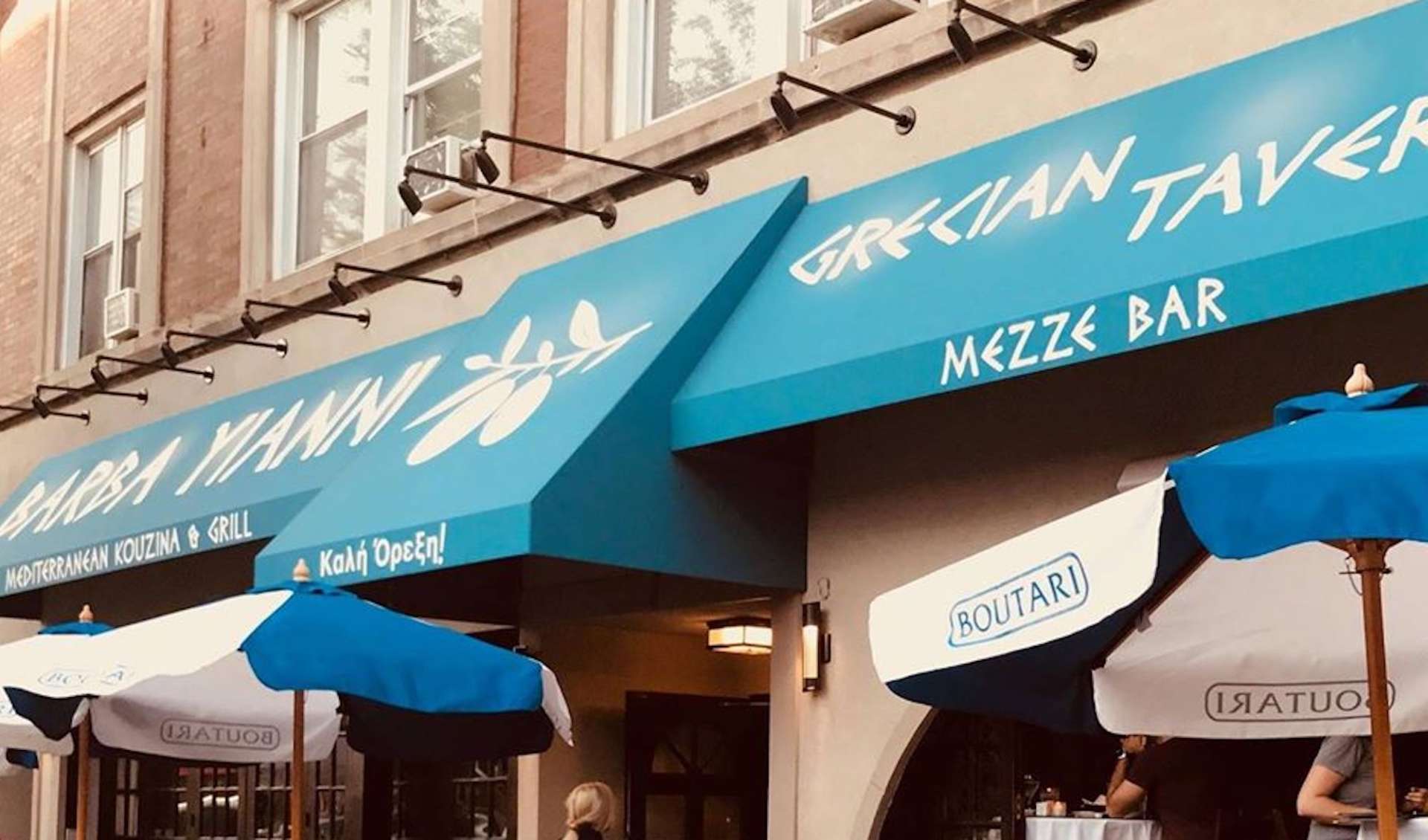
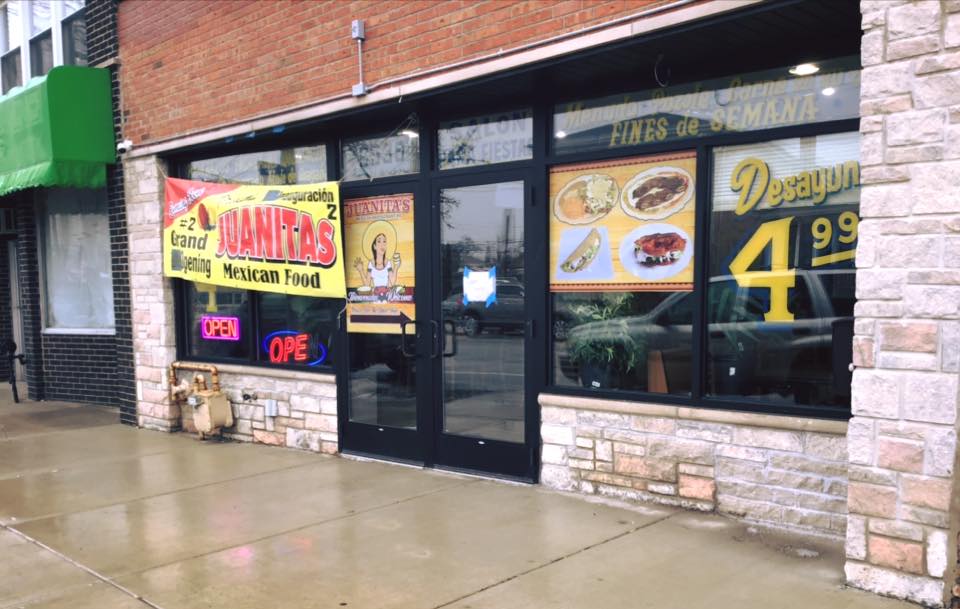
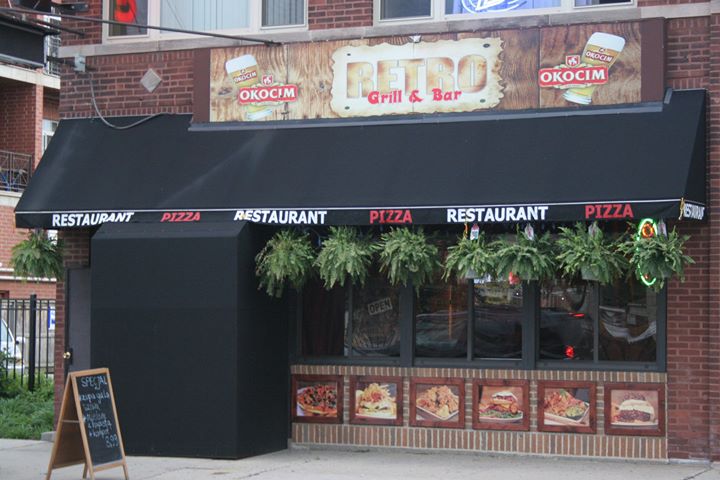
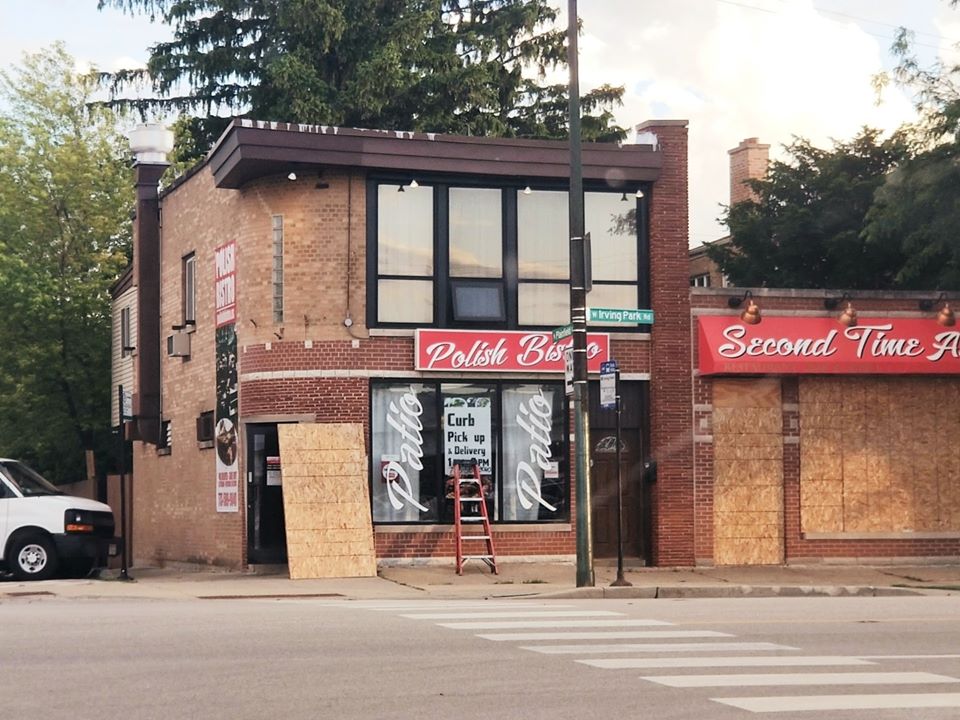
The establishments: Barba Yianni in Lincoln Square, Juanita’s Restaurant #2 in Clearing, Retro Cafe and Restaurant in Belmont Cragin, La Estrella Blanca Nightclub near Old Irving, and Second Time Around in Irving Woods, were cited and shut down for a variety of violations. You can see the individual citations below, however, it’s pertinent to note that each citation comes with a $10,000 fine.
Advertisement
Here are the five establishments that were closed after COVID-19 guidelines last evening (per WTTW News):
Photo Credit: Barba Yianni Facebook Page
4761 N Lincoln Ave, Chicago, IL 60625
Advertisement
The Lincoln Square restaurant known for having the best Greek food outside of Greektown was issued two citations for having more than 80 people inside, operating after midnight, and violating social distancing and face-covering guidelines.
Photo Credit: Juanita’s #2
6539-6541, W 63rd St, Chicago, IL 60638
In Clearing, Juanita’s was closed and issued two citations for having more than 70 people inside, operating after midnight, and violating social distancing and masking guidelines. Juanita’s Google page claims they are currently closed for dine-in options at their establishment.
Advertisement
Photo Credit: Retro Cafe Facebook
3246 N Central Ave, Chicago, IL 60634
In a sports bar meets a Polish dive bar, Retro Cafe and Restaurant was closed and issued two citations for operating after midnight and violating social distancing and masking guidelines.
3049 N. Cicero Ave., Chicago, IL 60641
The west side staple for live music was closed and issued two citations for allowing guests to drink alcohol inside without a retail food license and for violating masking guidelines.
Advertisement
Photo Credit: Second Time Around Facebook Page8303 W Irving Park Rd, Chicago, IL 60634
The far west side Polish restaurant known for massive platters and cheap late-night eats was closed and issued two citations for operating after midnight.
Advertisement
Since Mayor Lori Lightfoot began implementing Phase 4 of her COVID-19 reopening plan, bars and restaurants—namely the ‘mom and pop’ variety—have been clawing to stay afloat. Every hour counts. As does every dollar. And while the larger, more well-known establishments have maintained operation through takeout deals, the small fish in Chicago’s large restaurant operator pond have seen harder times.
It’s a further representation of the misguided priorities of the mayor’s office. The regularity of shenanigans in Wrigleyville on a nightly basis is well-documented at this point. We have partaken in them as well. But the continued targeting of Chicago’s neighborhood joints feels like part of a bigger agenda at this point.
Yes, the guidelines are in place for a reason and establishments should adhere to them. The five businesses cited and closed last night are no different. However, the biggest question remains unanswered and has for some time. Why these restaurants? Why the places engrained into the fabric of the city’s oft-ignored neighborhoods while frequented, larger, higher-revenue generating places continue to skirt the line of what’s acceptable and allowed per the same guidelines and do so in plain view.
Know a restaurant or bar in your neighborhood that could use some love and is actively losing business by operating within the rules? Share your thoughts and amplify those small businesses in the comments below!
At UrbanMatter, U Matter. And we think this matters.
Tell us what you think matters in your neighborhood and what we should write about next in the comments below! Featured Image Credit: Barba Yianni Facebook Page
Chicago might be known for deep-dish pizza and Italian beef. But did you know we have some of the best Chinese food in the midwest? Yep, it’s true. And with so many incredible options to choose from, it can be tough to choose. But we got you! From plump soup dumplings to melt-your-face-off spicy noodles, here are some of the best Chinese restaurants in Chicago.
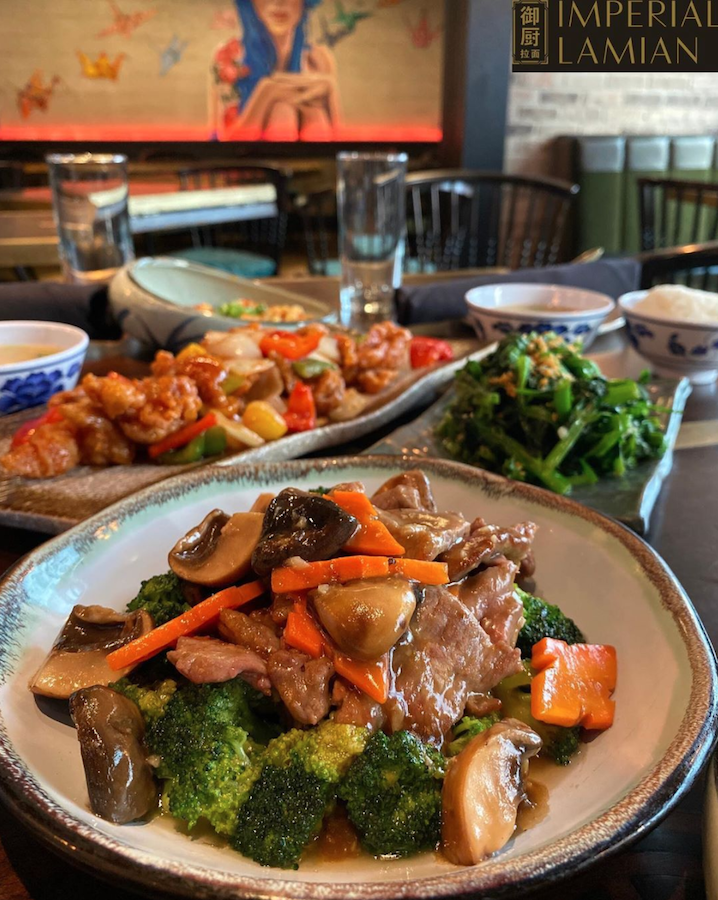
Photo Credit: Imperial Lamian Instagram
6 W Hubbard St, Chicago, IL 60654
Advertisement
Stop into this River North restaurant for refined and real Chinese cuisine. Imperial specializes in freshly made dim sum, hand-pulled Lamian noodles, and wok-fired entrées. Plus, they offer monthly cooking classes where you can learn how to noodle or make dumplings!
Photo Credit: Han 202 Facebook Page
605 W 31st St., Chicago, IL 60616
Advertisement
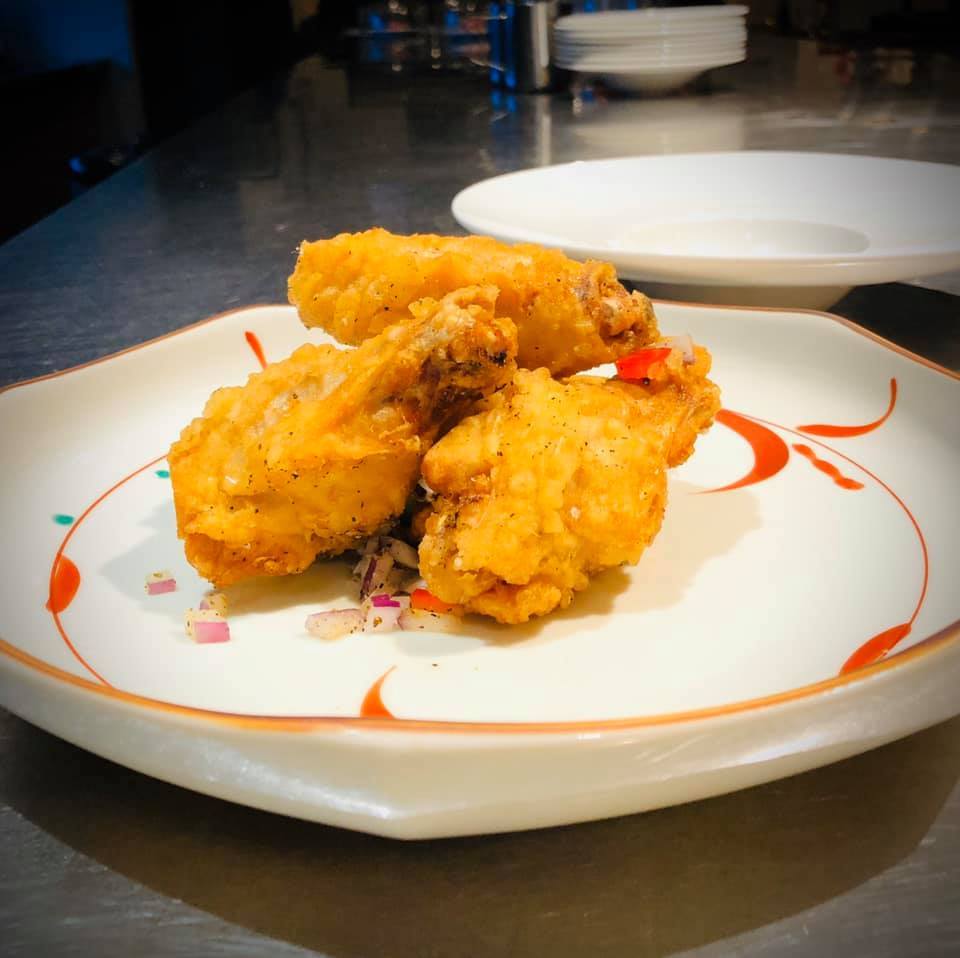
Since 2009, Han 202 has been blending traditional flavors with thoughtful plating that compliments each dish. Their open kitchen concept allows diners to see the chef hard at work preparing your meal. Fill up on their dumplings, hearty entrees, and delectable desserts, and you’ll leave feeling satisfied.
Photo Credit: Great Sea Restaurant Facebook
3253 W Lawrence Ave, Chicago, IL 60625
Advertisement
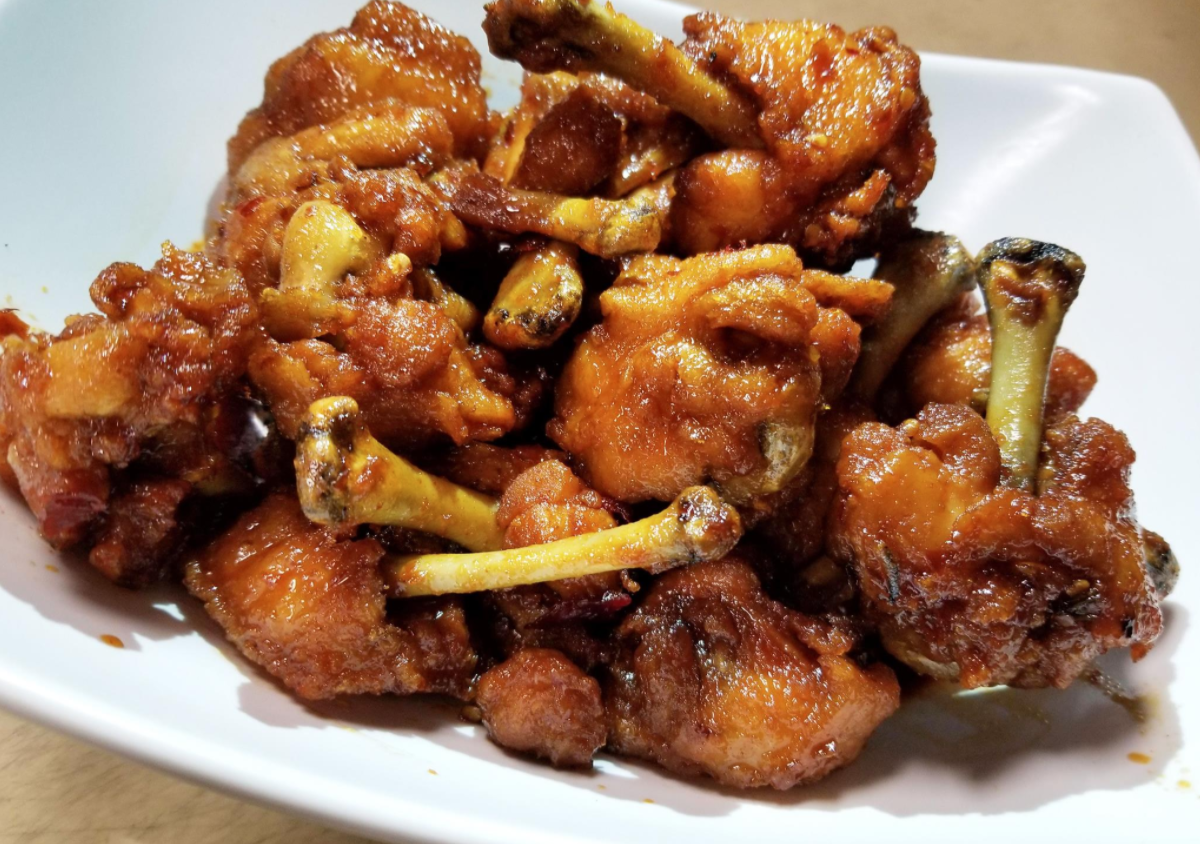
Hey chicken wing lovers, here’s one for you. This long-standing, cash-only spot serves up Chinese and Koren favorites but is known for their lollipop chicken wings. Each wing is deep-fried to perfection and doused in a sweet and tangy sauce. Complement your order with one of their pork, beef, or chicken dishes and you’ll be golden.
Photo Credit: Sun Wah BBQ
5039 N Broadway St, Chicago, IL 60640
Advertisement
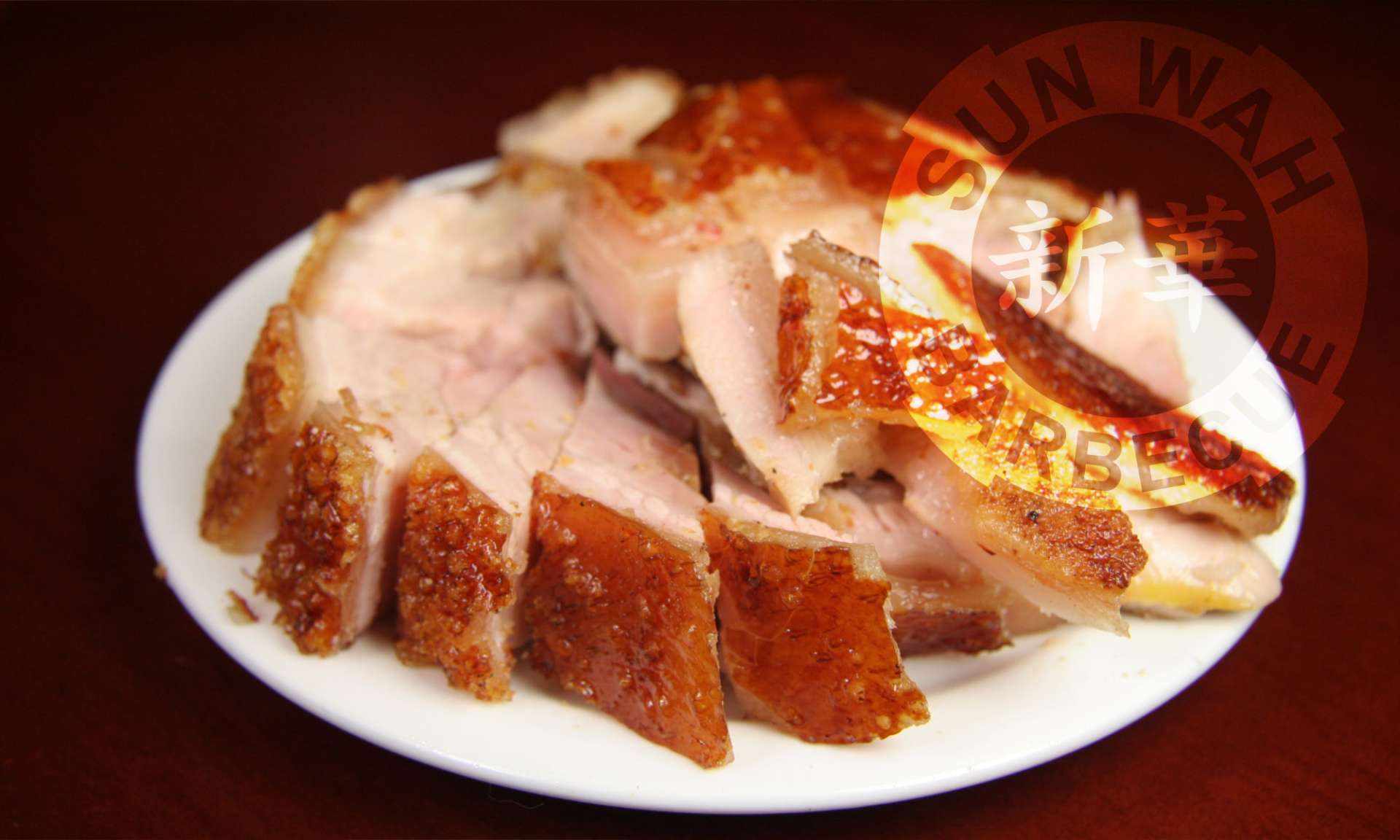
Craving Hong Kong-style Chinese barbecue? Check out this destination with an open, barrel-vaulted ceiling and a lively atmosphere. Sun Wah’s continuously growing numbers prove Chicago has an insatiable appetite for the finest Hong Kong fare with their most famous off-menu feature, the Beijing Duck Dinner.
Photo Credit: QXY Dumplings Instagram
2002 S Wentworth Ave #103, Chicago, IL 60616
Advertisement
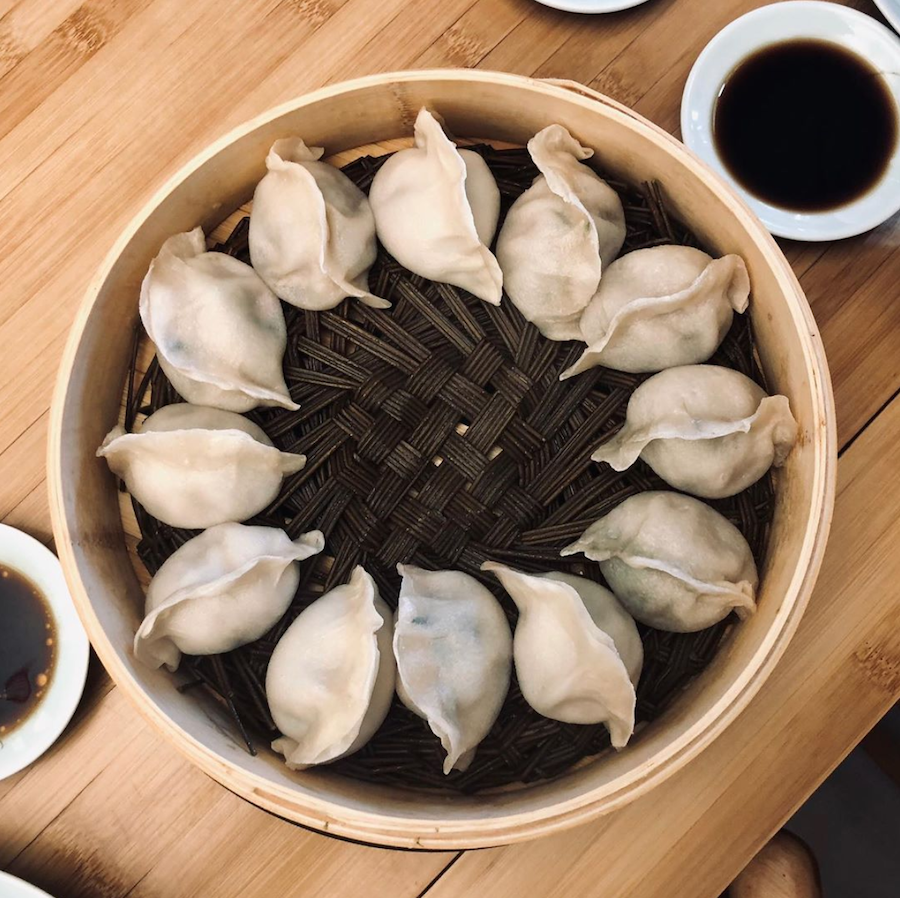
Looking for a dumpling that absolutely slaps? Here you go. QXY specializes in handmade dumplings stuffed with everything from lamb and beef to sea urchin and mackerel. BBQ skewers are also a hot item. Or if you’re in the mood for something different, learn how to make dumplings (they offer free classes).
Photo Credit: Dolo Restaurant Facebook
2222 S Archer Ave, Chicago, IL 60616
Advertisement
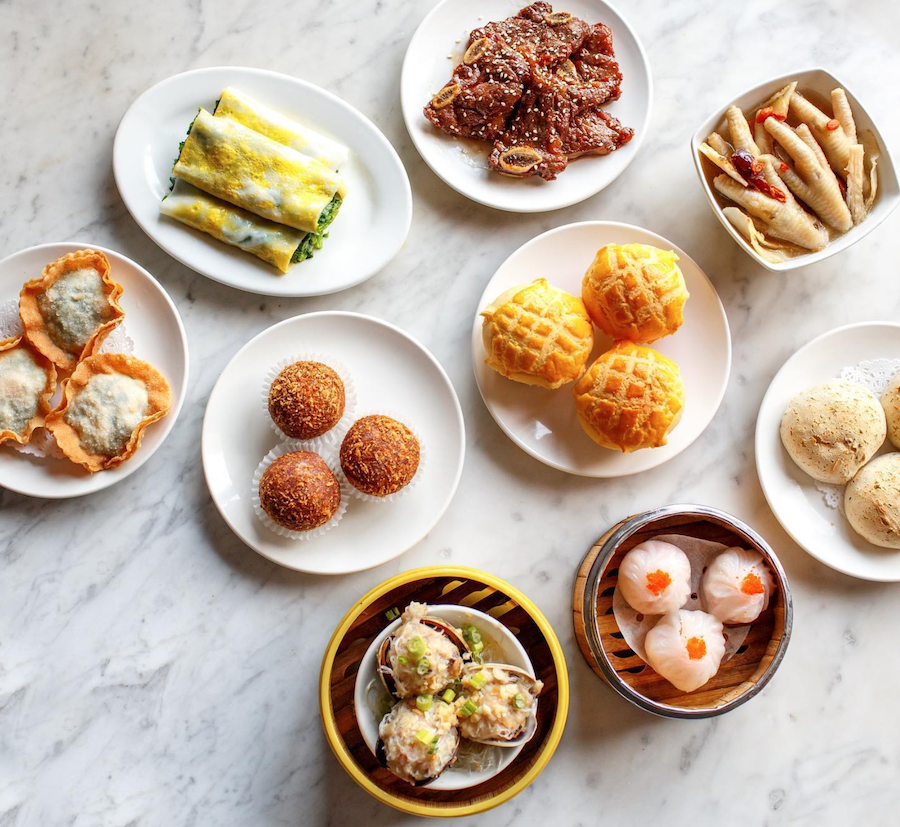
As Chinatown’s newest restaurant, Dolo is one of the only restaurants offering a full bar with beer, wine, and cocktails. They also have a gorgeous outdoor patio that’s a perfect spot to enjoy gourmet Dim Sum, bento boxes, dumplings, steamed buns, and more.
Photo Credit: Go 4 Food Facebook
212 W 23rd St, Chicago, IL 60616
Advertisement
Check out this Michelin-star restaurant to experience Chinese fusion in the heart of Chinatown. Explore the usual suspects like Mapo Tofu and Beef Chow Fun, or go something more contemporary like Baby Geoduck, Fusion Chili Crab, and Millionaire Style Fried Rice. Or try one of the various Prix-Fixe menus for a comprehensive experience.
Photo Credit: Fruama Facebook
4936 N Broadway St, Chicago, IL 60640
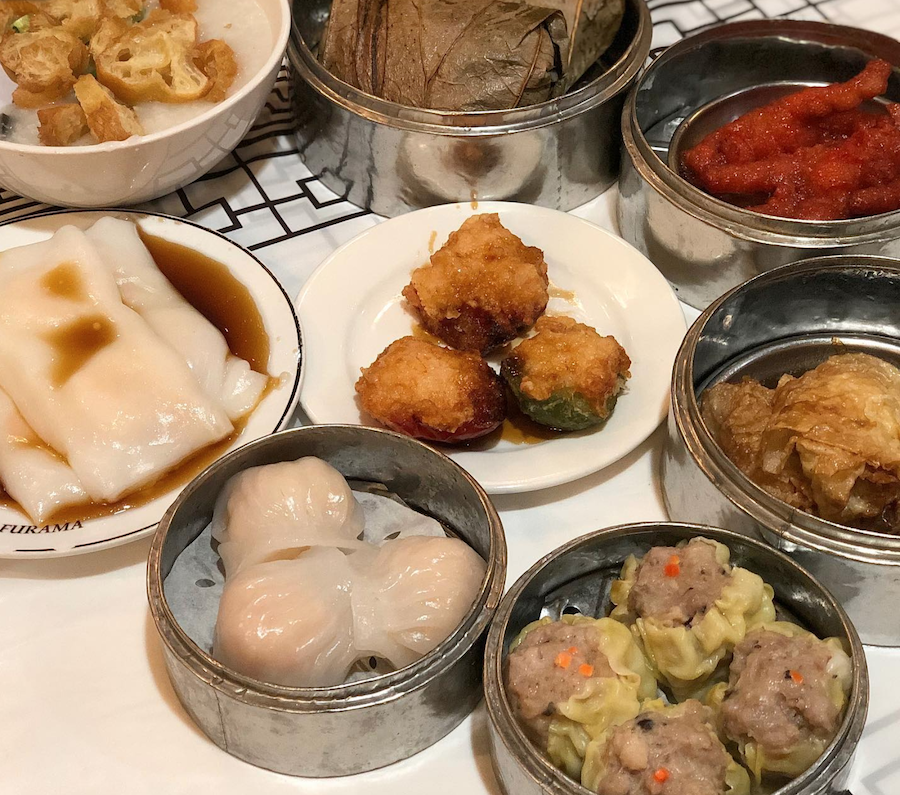
Two words: dim sum. Sure, you can get this wonderful Chinese dish at a lot of places around Chicago but no one does it quite like Furama. Browse their extensive menu for all sorts of dishes, a variety of dumplings, egg tarts, pork buns, and more. Order online to get a free crab rangoon with $15 purchase or free potstickers with a $20 purchase!
Photo Credit: Chengdu Impression
2545 N Halsted St, Chicago, IL 60614
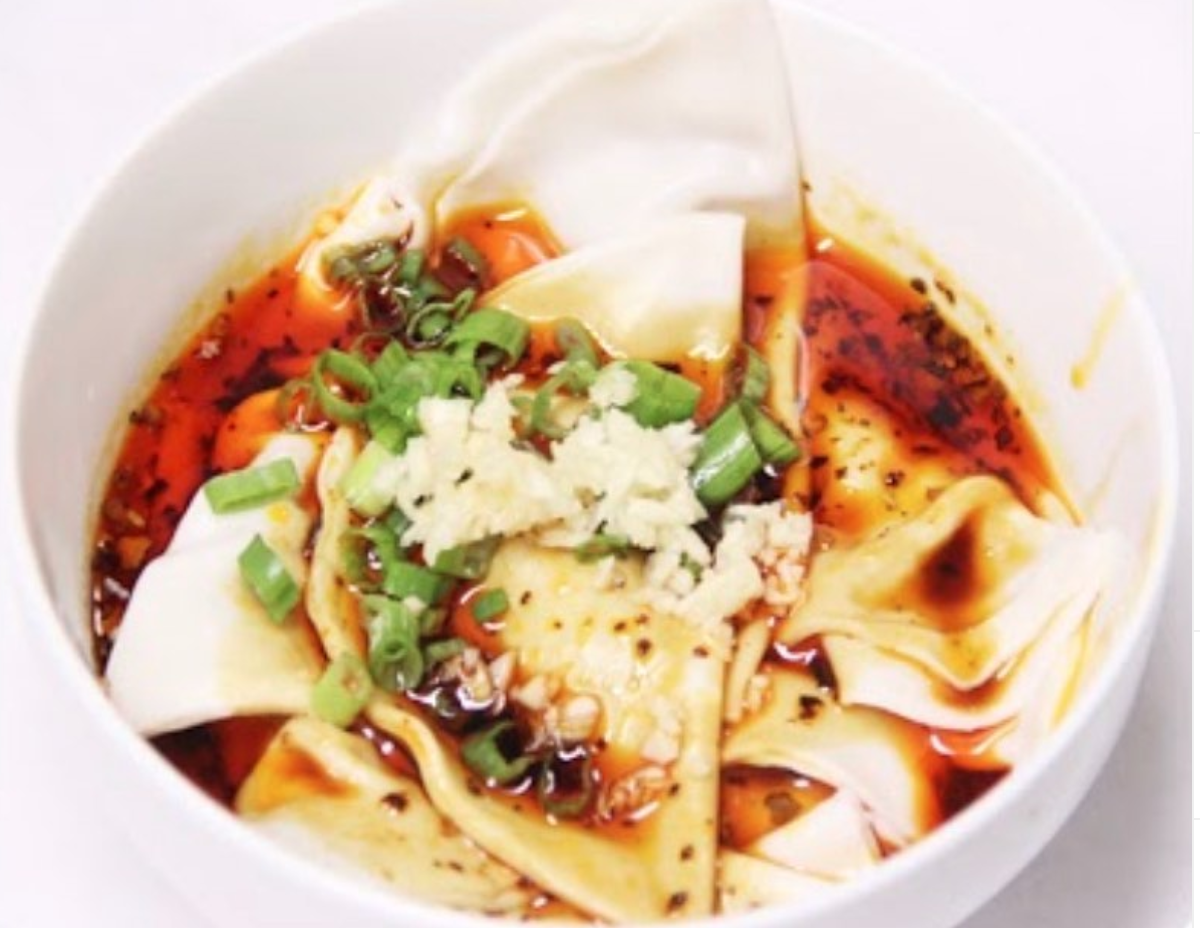
Prepare your taste buds for something amazing. This Lincoln Park favorite checks all the boxes for authentic eats. Step out of your comfort zone with interesting dishes like Diced Rabbit and Dry Chili Pork Intestine. Or if you’re feeling less adventurous, you can’t go wrong with their Broccoli Beef or Kong Pao Chicken.
Photo Credit: Tufanos (Vernon Park Tap) Facebook Page
View the Best Italian Restaurants in Chicago, Ranked
Are you trying to find the best Italian joints in Chicago to visit? View our list of the top 50 pizza restaurants in the city.
Photo Credit: BBQ King Website2148 S Archer Ave, Chicago, IL 60616
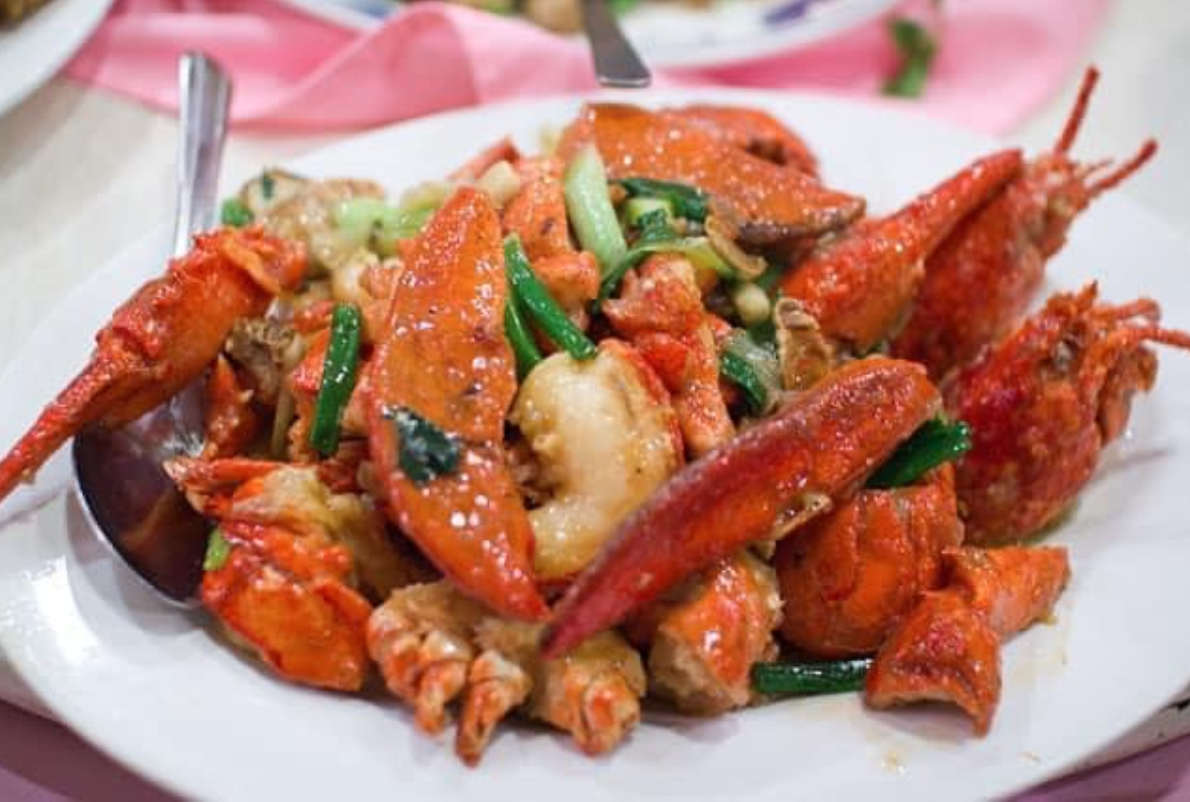
Serving a crowd of hearty eaters? BBQ King House might be your perfect option. Consider scooping up a Dinner for Ten which comes with everything from beef ribs and salted chicken to fish maw soup and lobster. With their never-ending menu, you’re sure to please every palate.
At UrbanMatter, U Matter. And we think this matters.
Tell us what you think matters in your neighborhood and what we should write about next in the comments below! Featured Image Credit: Photo Credit: Chengdu Impression Yelp!





8 comments