NEW YORK — Arvid Soderblom is so relaxed and confident at 23 that Blackhawks goalie coach Jimmy Waite has difficulty believing it sometimes.
“It’s pretty impressive how calm he is,” Waite said. “It almost makes me nervous how calm he is. [I ask him], ‘Are you ready to go?’ And that’s how [Corey] Crawford was — so calm.”
In his nine seasons in this role, Waite has seen 18 goalies start at least one game for the Hawks, with many of them passing through in the two years since Crawford left Chicago and ultimately retired in 2021. Waite, one of a few fixtures left after recent heavy turnover in the Hawks’ coaching staff, plans to stay “as long as they want me.”
And in Soderblom, he sees a blossoming star with the potential to stabilize the Hawks’ net in Crawford-like fashion. Waite anticipates working closely with Soderblom for many years to come.
“We have a young guy that’s probably our future,” he said. “The sky is the limit for this guy. I really like him, and the organization loves him.
“We just have to make sure we’re careful. And that was the plan this year — to be careful and not bring him up too quick. We had some injuries, but still we don’t want to push him too hard. But he keeps playing well, so we keep putting him in net. He deserves it, too.”
With opening-night backup Alex Stalock still nowhere close to returning from a concussion, Soderblom has settled into a 50-50 starting rotation with veteran Petr Mrazek.
The young Swede’s numbers don’t jump off the page — he’s 2-5-2 with a .905 save percentage, 3.24 goals-against average and plus-2.1 goals saved above expected — but that mediocrity is almost entirely the fault of the porous team in front of him.
In fact, Soderblom has looked like an above-average NHL goalie, and his combination of 6-3 size, cheetah reflexes (particularly with his glove hand) and remarkable awareness and intelligence give him elite upside.
“What I’m really impressed about is [that] his save selection is really good,” Waite said. “Knowing what to do and controlling his depth, he’s really good at that. For a young goalie like that, he understands the game well, so that’s a big plus. Obviously, he’s very talented, but he reads the game really well as well.”
Soderblom has instincts for different situations and knows which goaltending position to take before facing different types of shots — what Waite means by “save selection.”
Against sharp-angle shots, he knows whether to use an overlapping position, a “reverse VH” stance or a one-knee-down position. Against more direct attacks, he knows the correct depth at which to set up in his crease, either high to challenge a shooter or low to have time to move laterally against a passer.
Because he chooses correctly so often, he makes goaltending look easy to the untrained eye.
Arvid Soderblom is in a “reverse VH” position — with one pad along the ice and against the post, the other up and mobile — to make this save.
Michael Reaves/Getty Images
The overlapping approach — a technique in which his short-side pad overlaps the outside of the post instead of pushing against the inside of it — is new to him. He never overlapped when in Sweden.
But Waite is a big proponent of overlapping and has integrated it into both Soderblom’s and Mrazek’s styles. Soderblom has noticed it helping him as a “big part” of his game and cites that as evidence of his solid rapport with Waite.
“It has been great,” Soderblom said. “Even the short time I was up here last year with him felt good. And then this year, we’ve been working more consistently.
“When you work together on a daily basis, it’s easier to connect and understand how each other works. [We know] how I want the feedback and how he works with feedback. It feels like we’re connecting more and more each day.”
The first time Waite compared Soderblom to Crawford, the remark seemed to slip out almost absentmindedly. But when asked about it, Waite reflected for a moment and doubled down.
“Both guys have simple games,” he said. “Crow was always [focused on] beating passes, being set against every shot. That’s one of the basics I tell goalies to do — beat the plays and be set — so [Soderblom is] doing that well. He’s good around his posts like Crow. [They’re] two big guys. So, yeah, they look quite a bit alike.”
Crawford was still mostly playing in the AHL at 23; he didn’t break through full-time to the NHL until he was 25. Soderblom, therefore, isn’t just ahead of the Hawks’ development schedule for him but also ahead of the career trajectory of the team’s best modern-era goalie.
So is it possible that Soderblom, if all goes right in the years ahead, could have a career like Crawford’s?
“Why not?” Waite said.
That’s surely exciting for the Hawks as they search for the pillars around which to build their next contending team.
Jimmy Waite, now in his ninth season as Blackhawks goalie coach, has become a team fixture.
AP file photo
More from Waite
The overlapping approach, while increasingly popular and effective, shouldn’t be used universally against sharp-angle plays, Waite said. It limits and slows a goalie’s ability to move laterally because he can’t push off the post. For it to work best, the defensemen need to take away all cross-crease passing lanes.
If an opposing forward does come open on the weak side, Waite instructs his goalies to switch to the “reverse VH,” in which one pad lays flat on the ice against the post and the other stays upright or diagonal. That position allows for quicker post-to-post movement.
“It’s never black or white how to play a situation,” Waite said. “Reading the game is so important for any goalie. We’re going to practice about two or three tools to use, but you have to make the decision when to use them. And then we watch the video to see, ‘OK, what should we have done on that play?'”
It’s also sometimes worth changing positions just for the sake of changing them.
“If you become too predictable as a goalie, that’s when you start getting picked apart,” Waite said. “We study the goalies from the other teams, too. That’s part of my [opponent] pre-scout. You have to be unpredictable sometimes. . . . If you’re always down on your post, guys will know what’s open.”
Sixty-four years ago this week, 92 children and three of their teachers died in the Our Lady of the Angels School fire on Chicago’s West Side. The anniversary of that tragedy takes me back to a fifth grade classroom in another Chicago Catholic school two miles to the south, the day after the fire.
The talk that day was about a boy named Frankie, who had transferred from our school to Our Lady of the Angels that fall. Was he among the victims? There was no internet back then, no source of instant information, so we waited and prayed that good news would work its way back to us through friends of our former classmate’s family.
The story of the Our Lady of the Angels school fire has been told many times, and it has often been cited for bringing about major changes in fire safety standards and building construction codes.
But for the families and friends of the victims, the sense of loss was overwhelming, the new construction standards would come too late, and the future was forever changed.
Although 5-year-old Marlene Ramelli was in kindergarten at a nearby school the day of the fire and did not see the flames, its impact hit close to home.
“My brother Michael and four of our cousins were in school at OLA that day,” Marlene Ramelli Sweeney told me years later. “They all survived, but four children on my block never came home.”
Why were they gone? she wondered. The answer was beyond the understanding of a 5-year-old. “I was forever changed that day, at such a young age, but I am grateful for the life lessons that remain in my heart. We need to live the hell out of every day and give our kids and grands that extra hug before we leave for the day.”
My friend Marc Perilli attended Our Lady of the Angels school and survived the fire. His fifth grade classroom on the first floor was evacuated early. The full impact of that day would not hit home until later, but he remembers the period after the fire as a strange and difficult time for the children, the parents and the neighborhood.
“There were no grief counselors back then,” he says. “Today I do not know if I could cope with 92 deaths of children ages 9 through 13.” Years later, the book “To Sleepwith the Angels” by David Cowan and John Kuenster would help him work through the complex emotions — sorrow, guilt, and empathy — of the survivor.
“The authors put me in rooms that I did not need to ever be in. Keep in mind, the school had two wings and housed 1,600 students. I was in a first-floor classroom, so it was the aftermath that affected me at first. Then at middle age. the book put me in those classrooms that suffered the greatest losses.”
Cowan and Kuenster described the far-reaching scope of the fire. It wasn’t only a “neighborhood calamity,” they wrote, but also “a microcosm of all great tragedies: swift, cruel, and unexpected.”
Although Marlene Ramelli did not see the flames, the smell of smoke would live in her memory for a long time. She remembers sitting with her mother at their family’s dry cleaners as mothers and grandmothers carried in the coats of victims and survivors and pleaded with her parents to get rid of the smoke smell.
“This was impossible with the technology of the time,” she says. “The smoke was embedded in those garments forever.”
The evening of Dec. 1, 1958, I sat in front of the television with my parents and older brother as veteran newscasters fought off tears. That night and all the next day I wondered about Frankie, who had sat in the desk behind me the previous year in fourth grade.
Two days later, we learned he had jumped from a second-floor classroom window and survived with minor injuries. As his story came back to us, he became a symbol of hope and survival in the midst of great tragedy.
Paul Cioe grew up on the West Side and now lives in Rock Island. He is a professor emeritus at Black Hawk College in Moline.
The Sun-Times welcomes letters to the editor and op-eds. See our guidelines.
The views and opinions expressed by contributors are their own and do not necessarily reflect those of the Chicago Sun-Times or any of its affiliates.
SAN FRANCISCO – Goran Dragic wasn’t wearing a hat.
It didn’t stop Dragic from reaching up for an imaginary one on his head, pretending to take it off, and then giving it a wave in a direction where no one was actually located.
The game hadn’t even started, and Stephen Curry already had the veteran Bulls guard seeing ghosts.
“No,” Dragic said on Friday, when asked if he had ever seen a player that runs around on an offensive set as much as Curry does. “He’s a unique player, and that’s why he’s changed the entire NBA.
“That’s why, here, I tip my hat to him.”
Curry’s greatness isn’t even an argument these days. Even on a night in which the Bulls held him to just 19 points in the 119-111 loss to the Warriors, Curry’s presence was still felt with the ridiculous amount of time he spends forcing defenders to chase him around during offensive sets.
That’s the secret sauce to Curry’s game in what Dragic described as “relentless.”
“Most of the time he’s doing that without the ball,” Dragic said. “That’s what’s really unique is even though he doesn’t have the ball, he’s creating mismatches. It’s tough to guard if you have to do it by yourself.”
That was the focus going into the prep of defending Curry on Friday.
So much so that coach Billy Donovan changed his starting lineup to best try and remedy that, as well as spark something out of a unit that has been inconsistent all season long. Out was Ayo Dosunmu, and in was Alex Caruso to try and run with Curry.
Donovan also sat usual starter Patrick Williams in favor of Javonte Green.
“The decision to do this wasn’t just for this game [against Golden State],” Donovan said afterwards. “It was more to see, ‘OK, let’s see what this looks like here a little bit.’ That’s really what it was more about.
“I just wanted to take a look at something different and see what that would look like.”
Donovan’s decision was helped a bit by the blowout loss in Phoenix two nights earlier, and when asked about that change being necessary by the coach, guard Zach LaVine had a pull-no-punches answer.
“Nah, nah, I think that was [Donovan’s] opinion,” LaVine said.
As far as how the new-look lineup and rotation looked in its debut? Let’s just say it was a very mixed bag.
The Bulls fell behind as much as 19 in the third quarter, as Golden State’s Jordan Poole went nuts for 13 points off the bench in that stanza.
Then it was like the two teams switched places, as the Warriors (12-11) started turning ice cold and the Bulls started figuring it out.
A Green layup with 6:14 left in the game brought the Bulls to within four. With 2:27 left, a LaVine three cut the deficit to just one. But the champs are the champs for a reason, and when Draymond Green – of all people – hit a three on the very next possession, it seemed to be a gut punch from which there was no recovery, as Golden State closed it out the rest of the way.
So where does this all go from here?
Physically to Sacramento for the finale of this six-game road trip. Mentally with the new look, however, Donovan will watch it, evaluate it, and see how it holds up.
“I’m not trying to make a decision after two or three games, and then project,” Donovan said. “I think there was a pretty good body of work with the number of games we played. I just wanted to take a look at something different.”
Benet was the story of the opening night of the Chicago Elite Classic. The crowd peaked during Fenwick’s win against Oak Park but any fans that stuck around saw the Redwings come out firing.
Brady Kunka scored 20, Nikola Abusara added 15 and Brayden Fagbemi made it all go. Benet played fast and together and looked impressive on the college court draining college three pointers.
There isn’t a high school three-point line on the court at UIC, as you can see from the picture above. But there was a 35-second shot clock.
“I decided not to say anything to our guys,” Benet coach Gene Heidkamp said. “I didn’t want it to get in their heads. But I don’t think we shot any fewer three-point shots. We shot some deep ones but we might have shot those anyway. We were a little unprepared but it was the same for both teams.”
Fagbemi enjoyed the space the larger college court provded.
“There was definitely more space available on offense but more to cover on defense too,” Fagbemi said. “But we play our best when we are in transition so I would say it helped us.”
The Redwings are off to a 6-0 start. They beat Proviso East in the championship game of the St. Charles East Thanksgiving tournament last week.
“I really like this group but we have a lot of work to do,” Heidkamp said. “We have to improve our defense and we aren’t the biggest team around. But we have some really good players that play well together. I like the potential.”
Friday’s top games
Fenwick 64, Oak Park 60: The Friars held off a late comeback from the Oak Park. Sophomore Ty Marcariola led the way with 20 points and junior Darshan Thomas added 18. Sophomore Justin Bowen had 16 for the Huskies.
Lincoln-Way East 62, Lincoln-Way Central 41: Kaiden Ross led the Griffins with 12 and sophomore Brendan Sanders added 10 points.
Bloom 56, Thornton 41: Vincent Rainey continues to put up big numbers for the Wildcats, he had 25 tonight but it wasn’t enough. Jordan Brown and Rae Harris each scored 12 for the Blazing Trojans and Jayden Watson added 10 points and 10 rebounds.
Oak Forest 63, Richards 47: The Bengals are 4-1 in the post Robbie Avila era. Johnny Wiggins scored 18 and Chris Sieverin added 13.
Yorkville 64, West Aurora 60: Maybe the score of the night. The Foxes are 5-0 and this is a statement win. Jory Boley scored 18, LeBaron Lee added 14 and Jason Jakstys scored 12.
Father Tolton, Mo. 56, Hyde Park 55: Jurrell Baldwin had a breakout performance in the Thunderbirds’ first loss of the season, finishing wiht 22 points and 13 rebounds.
Bolingbrook 79, Stagg 62: DJ Strong with a big 27 points for the Raiders. Mekhi Cooper scored 17 and Keon Alexander added 18 points and eight rebounds.
Marist 67, Joliet Catholic 58: The young RedHawks win again. Justin Lang scored 19, Marquis Vance had 13 and freshman Stephen Brown added 10.
Farragut 77, Orr 49: Jonathan Calmese led the Admirals with 19 points, seven assists and five blocks and Justin Pickens added 12 points and eight rebounds.
Joliet West 79, Romeoville 71: A sold out high school gym in early December. Joliet is excited about the Tigers. Sophomore Jeremiah Fears scored 21 and Jeremy Fears Jr. had 20. Troy Cicero Jr. led Romeoville with 26 points.
Palatine 58, Hoffman Estates 43: The Pirates win the MSL opener. Connor May scored 21 and Sam Millstone added 13.
Homewood-Flossmoor 67, Andrew 64: The Vikings pull it out behind 23 points, seven assists and seven rebounds from junior Carson Brownfield. Senior Vincent Davis added 18 points and six rebounds.
Westinghouse 89, Clark 84: This must have been a fun one in Clark’s tiny gym. Isaiah Giles scored 27 and Terrell Craig had a triple-double with 15 points, 13 assists and 10 rebounds.
Lemont 66, Eisenhower 46: Still unbeaten. Matas Castillo had 23 and Rokas added nine.
Hillcrest 69, Oak Lawn 53: Wow, the Hawks closed this one with a 30-5 run. Darrion Baker scored 19 and Quinten Heady added 20.
St. Patrick 59, Notre Dame 40: The Shamrocks dominate the rivalry game. I didn’t see any stats for this one, but I saw pictures of the crowd.
Evanston 61, Glenbrook South 59: No stats for this one either, but an important score. Big win for the Wildkits but also a definite sign that Phil Ralston and the Titans are rebuilding very quickly.
Benet was the story of the opening night of the Chicago Elite Classic. The crowd peaked during Fenwick’s win against Oak Park but any fans that stuck around saw the Redwings come out firing.
Brady Kunka scored 20, Nikola Abusara added 15 and Brayden Fagbemi made it all go. Benet played fast and together and looked impressive on the college court draining college three pointers.
There isn’t a high school three-point line on the court at UIC, as you can see from the picture above. But there was a 35-second shot clock.
“I decided not to say anything to our guys,” Benet coach Gene Heidkamp said. “I didn’t want it to get in their heads. But I don’t think we shot any fewer three-point shots. We shot some deep ones but we might have shot those anyway. We were a little unprepared but it was the same for both teams.”
Fagbemi enjoyed the space the larger college court provded.
“There was definitely more space available on offense but more to cover on defense too,” Fagbemi said. “But we play our best when we are in transition so I would say it helped us.”
The Redwings are off to a 6-0 start. They beat Proviso East in the championship game of the St. Charles East Thanksgiving tournament last week.
“I really like this group but we have a lot of work to do,” Heidkamp said. “We have to improve our defense and we aren’t the biggest team around. But we have some really good players that play well together. I like the potential.”
Friday’s top games
Fenwick 64, Oak Park 60: The Friars held off a late comeback from the Oak Park. Sophomore Ty Marcariola led the way with 20 points and junior Darshan Thomas added 18. Sophomore Justin Bowen had 16 for the Huskies.
Lincoln-Way East 62, Lincoln-Way Central 41: Kaiden Ross led the Griffins with 12 and sophomore Brendan Sanders added 10 points.
Bloom 56, Thornton 41: Vincent Rainey continues to put up big numbers for the Wildcats, he had 25 tonight but it wasn’t enough. Jordan Brown and Rae Harris each scored 12 for the Blazing Trojans and Jayden Watson added 10 points and 10 rebounds.
Oak Forest 63, Richards 47: The Bengals are 4-1 in the post Robbie Avila era. Johnny Wiggins scored 18 and Chris Sieverin added 13.
Yorkville 64, West Aurora 60: Maybe the score of the night. The Foxes are 5-0 and this is a statement win. Jory Boley scored 18, LeBaron Lee added 14 and Jason Jakstys scored 12.
Father Tolton, Mo. 56, Hyde Park 55: Jurrell Baldwin had a breakout performance in the Thunderbirds’ first loss of the season, finishing wiht 22 points and 13 rebounds.
Bolingbrook 79, Stagg 62: DJ Strong with a big 27 points for the Raiders. Mekhi Cooper scored 17 and Keon Alexander added 18 points and eight rebounds.
Marist 67, Joliet Catholic 58: The young RedHawks win again. Justin Lang scored 19, Marquis Vance had 13 and freshman Stephen Brown added 10.
Farragut 77, Orr 49: Jonathan Calmese led the Admirals with 19 points, seven assists and five blocks and Justin Pickens added 12 points and eight rebounds.
Joliet West 79, Romeoville 71: A sold out high school gym in early December. Joliet is excited about the Tigers. Sophomore Jeremiah Fears scored 21 and Jeremy Fears Jr. had 20. Troy Cicero Jr. led Romeoville with 26 points.
Palatine 58, Hoffman Estates 43: The Pirates win the MSL opener. Connor May scored 21 and Sam Millstone added 13.
Homewood-Flossmoor 67, Andrew 64: The Vikings pull it out behind 23 points, seven assists and seven rebounds from junior Carson Brownfield. Senior Vincent Davis added 18 points and six rebounds.
Westinghouse 89, Clark 84: This must have been a fun one in Clark’s tiny gym. Isaiah Giles scored 27 and Terrell Craig had a triple-double with 15 points, 13 assists and 10 rebounds.
Lemont 66, Eisenhower 46: Still unbeaten. Matas Castillo had 23 and Rokas added nine.
Hillcrest 69, Oak Lawn 53: Wow, the Hawks closed this one with a 30-5 run. Darrion Baker scored 19 and Quinten Heady added 20.
St. Patrick 59, Notre Dame 40: The Shamrocks dominate the rivalry game. I didn’t see any stats for this one, but I saw pictures of the crowd.
Evanston 61, Glenbrook South 59: No stats for this one either, but an important score. Big win for the Wildkits but also a definite sign that Phil Ralston and the Titans are rebuilding very quickly.
SAN FRANCISCO – It was a question that led to Billy Donovan going story time.
In the wake of his contract extension leaking out this week, the Bulls coach was asked about his own longevity in the profession and if there was a stop date in mind.
After all, the 57-year-old has been going at it since 1989 when he became an assistant at Kentucky, and what’s been unique about Donovan’s career is he’s never been fired.
A rarity for a coach on any level.
“When I was younger and I first started working, and I was with Coach [Rick] Pitino, he would always say, ‘Hey, 50, 55 years old, that’s it for me, right?’ Here he is 70 still doing it,” Donovan said laughing.
And that’s just one of the reasons Donovan isn’t going to make that same mistake, especially with his current situation with the Bulls and the relationships he has with the front office and ownership.
“I do think as you get older, the years are draining, they are,” Donovan said. “For me, when the year is over with it’s, ‘OK, are you excited about, do you tweak this, tweak that? Did you get better here, get better there?’ Whatever it may be. ‘Coaching, team, what we’re running …’ As long as I’m inspired by that, and enjoy that challenge, I’ve never really put a timeline on it where, ‘This number, I’m done, I don’t care what happens, and that’s it for me.’
“What I love is when you’re with a group of guys on a team and you’re trying to work towards a common goal. There’s a level of sacrifice that goes into that by everybody.”
While Donovan also had a good relationship with his bosses in Oklahoma City, when his contract was up after the 2020 season, a mutual decision was reached to go their separate ways, especially with the Thunder wanting to go young and rebuild.
Bulls executive vice president of basketball operations Arturas Karnisovas wasted very little time pursuing Donovan and getting him on board, and with the original contract set to expire after the 2023-24 campaign, the extension was done.
What’s Donovan’s shelf life with the new deal in his mind?
“If that goes where I wake up and it’s, ‘You know what, I don’t like working in this environment, I don’t feel we’re working together, we’re all separated, so far apart.’ That’s when the joy of the job gets totally taken away,” Donovan said. “I’ve been fortunate that I haven’t had that. ‘I’m wiped out, I’m drained, I’ve got a few more years left.’ As long as I continue to enjoy it, I’m going to do it.”
Night watch
It’s been awhile since Zach LaVine and knee load management have appeared in the same sentence, but that doesn’t mean the two-time All-Star has completely moved out of that protocol.
The schedule spreading out like it has just put things on hold.
According to Donovan on Friday, while LaVine has been a full participant in all the recent practices and shootarounds, there is still constant dialogue on his availability in the wake of the offseason left knee surgery.
As long as there are no setbacks, the next real test won’t come for a few weeks, when the Bulls have a back-to-back in Miami and the next night in Atlanta.
“It’s not like every back-to-back he’s going to sit one of them,” Donovan said. “But it’s definitely going to be evaluated. Absolutely.”
LaVine has sat four games so far this season with the load management.
There was a moment in the first half when Shaheed Solebo leaped into the air a solid foot higher than the other nine players on the court, he was above the rim and looked ready to stylishly drop the ball into the basket.
That didn’t go well. The shot rimmed out from point-blank range. But the startling image of Lane’s 6-5 junior guard athletically outclassing everyone on the court was impossible to miss.
“He’s the most talented player I’ve coached at Lane,” said Champions coach Nick LoGalbo, who has been at the helm of the North Side school for 15 years. “He’s beginning to understand that its not just what you do between the lines. It’s what you are as a leader and how you bring the guys together. Tonight he did that.”
Solebo helped lead a fourth-quarter charge that gave Lane a 51-46 win against Taft in the first game of the Chicago Elite Classic on Friday at Credit Union One Arena.
The Champions have regularly featured on the first night, which serves as an undercard before the main event on Saturday. Solebo is good enough to turn Lane into a Saturday team next year, especially if 6-6 sophomore Dalton Scantlebury continues to improve.
Solebo finished with 15 points, 11 rebounds and five assists. Scantlebury had 15 points, seven rebounds and five blocks.
[Scantlebury] has good timing and length,” LoGalbo said. “He’s been wonderful for us and really impacted the game on both sides of the floor. Tonight he took a big step offensively.”
Taft (3-3) led by seven at halftime and four after three quarters. The Champions (4-2) stepped up defensively early in the fourth quarter and held Taft scoreless for the first three minutes.
“Those defensive stops turned into big energy plays for us,” Solebo said. “And once we started looking for other guys it opened things up offensively and got a lot easier.”
Junior Parker Williams added 13 points for Lane.
“We’ve been up and down because we are young,” LoGalbo said. “We are figuring out how to win games and playing off one another and building chemistry. We knew Taft was going to come out with a chimp on their shoulder because this is a rivalry game.”
Taft’s Armin Aliloski (24) shoots the ball over Lane’s Parker Williams (23) and Jackson Labkon (24).
Kirsten Stickney/For the Sun-Times
Junior Lyle Scibor led Taft with 17 points and seven rebounds and senior Armin Aliloski added eight points and 13 rebounds. Junior Frank Paszkowski scored 10.
“Our boys are playing extremely hard,” Eagles coach Andre Harris said. “We just got some of our football players back last week and we are still jelling. Lane is a tough team but I think we played well.”
The shootout features a shot clock, which is a first for a Chicago high school basketball event. However, the floor at UIC doesn’t have a high school three-point line. The CEC has been held at UIC several times and there has always been a high school three-point line in the past.
“Well, we showed up and asked where it was but it just wasn’t there,” Harris said. “There wasn’t much you could do about it.”
Lane’s players said they barely noticed. Taft had three-point shooters setting up in the corner on several offensive sets and the player was camped out at the college three-point line. The Eagles made three threes and Lane made four.
“It was certainly a unique one, playing with a shot clock and a college three line,” LoGalbo said.
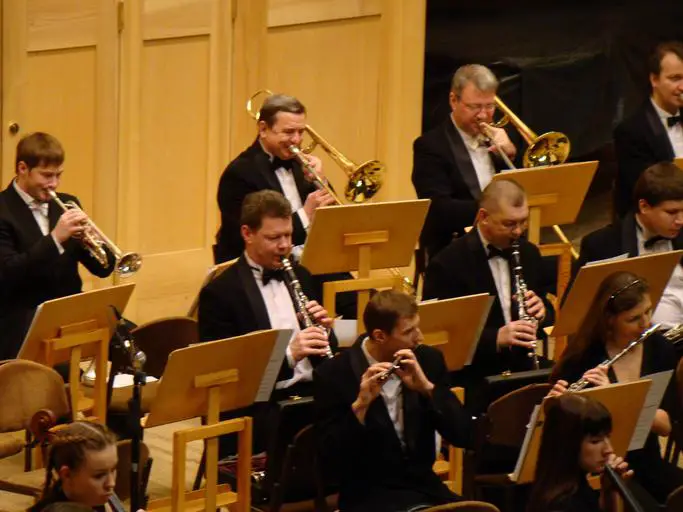
Are you looking for a way to experience the beautiful sounds of classical music in Chicago?
Look no further than the world-renowned CSO! With its upcoming Chicago Symphony Orchestra schedule, you can enjoy a variety of concerts from classical pieces to contemporary compositions.
From attending one show at the iconic Chicago Symphony Center or planning an entire night out with friends and family, there is something for everyone when it comes to enjoying the chicago symphony orchestra schedule.
Get ready for an unforgettable evening filled with incredible performances by some of today’s top musicians as they bring life into classic works through their own unique interpretations.
Whether you’re looking for a romantic evening out or an exciting night with friends, there’s something for everyone at Symphony Hall.
Dates and Times:
The CSO performs over 130 concerts each season from September to June, including special holiday performances during December and January. Concert times vary depending on the performance but typically begin at 8 pm with some matinee shows available as well.
Check their website for upcoming dates and times so you can plan your perfect night out!
Ticket Prices:
Ticket prices vary based on seating location within Symphony Hall but range from $20 – $150 per ticket. Student discounts are also available for select performances so be sure to check before purchasing tickets!
Symphony Hall has a capacity of 2,500 seats which includes both balcony and orchestra sections that provide excellent views regardless of where one is seated. Buy tickets here from the CSO Box Office.
Additionally, there are private boxes located near the stage for those who wish to have an even more intimate experience.
Attending a concert at the Chicago Symphony Orchestra is an unforgettable experience. Get ready to be inspired by the amazing music, and now let’s look into ticket prices and seating capacity for upcoming concerts!
Explore the world-class Chicago Symphony Orchestra and discover its stunning venue, convenient parking options, and box office hours.
The Chicago Symphony Orchestra (CSO) is one of the most renowned symphony orchestras in the world, and its concerts are held at the historic Symphony Hall. Located in downtown Chicago, this venue offers a unique experience for music lovers.
The address of Symphony Hall is 220 S Michigan Ave, Chicago IL 60604. It is located on South Michigan Avenue near Grant Park and Lake Michigan, making it easy to find from any direction.
Parking Options:
There are several parking garages nearby that offer discounted rates for CSO concertgoers with validation from the box office or lobby bar before or after performances.
Additionally, there are several public transportation options available including buses and trains that can take you directly to Symphony Hall.
Box Office Hours:
The box office opens two hours prior to each performance and closes 30 minutes after curtain time begins for evening shows; matinee show times vary so be sure to check ahead of time if you plan on arriving late!
Tickets may also be purchased online up until two hours before curtain time begins but keep in mind that tickets will not be available once they have sold out so make sure you purchase your tickets early!
Overall, attending a CSO performance at Symphony Hall is an unforgettable experience. To ensure the best possible experience, it is important to be prepared by knowing all of the necessary information beforehand.
Venue information is an important part of planning your visit to the Chicago Symphony Orchestra. With this information, you can plan ahead and ensure that you have a great experience at the show. Next, let’s look at the upcoming schedule for the orchestra so you can find just what performance best fits your needs!
Experience the magic of classical music, special events, and family-friendly shows with the Chicago Symphony Orchestra!
The Chicago Symphony Orchestra offers a variety of concerts for music lovers to enjoy. From classical performances to special events and galas, there is something for everyone.
Classical Music Performances:
Enjoy the beauty of classical music with performances from some of the world’s most renowned musicians. Whether you prefer Beethoven or Bach, Mozart or Mahler, you can find it all at the Chicago Symphony Orchestra.
Special Events and Galas:
For those looking for an extra-special experience, check out one of their many special events and galas!
These are typically larger scale productions featuring guest performers from around the globe as well as unique collaborations between different musical genres.
Family-Friendly Shows and Programs:
The CSO also has plenty of family-friendly shows and programs that are perfect for introducing young ones to classical music in a fun way!
They offer interactive activities like singalongs, story time readings, instrument demonstrations, dress up days, and more – so bring your kids along for an unforgettable experience!
Whether you are an experienced concertgoer or just beginning your journey into classical music appreciation, the Chicago Symphony Orchestra has something to offer. Do not miss this opportunity to explore all types of concerts offered by this amazing orchestra.
The Chicago Symphony Orchestra offers a wide variety of concerts, from classical music performances to special events and galas. The next heading will discuss the family-friendly shows and programs available.
Discover the world-class amenities and services available at Symphony Hall, from gourmet dining options to accessible seating for disabled patrons.
Symphony Hall offers a variety of amenities and services to make your experience enjoyable. From food and beverage options during performances, to accessibility services for disabled patrons, there is something for everyone!
Food and Beverage Options Available During Performances:
Symphony Hall provides an array of delicious food and drink options available throughout the venue. Guests can enjoy snacks such as popcorn, candy, chips, pretzels or even hot dogs from the concession stand.
For those looking for something more substantial, there are also sandwiches and salads available at select locations. In addition to traditional snack fare, guests can purchase beer or wine from any of the bars located throughout the venue.
Accessibility Services for Disabled Patrons:
Symphony Hall is committed to providing accessible seating areas in all sections of the venue so that all guests may enjoy their visit regardless of physical limitations.
Wheelchair-accessible seating is available on each level with companion seats nearby; please contact customer service if you need assistance finding these designated areas prior to your arrival at Symphony Hall.
In addition to wheelchair-accessible seating areas, Symphony Hall also has elevators located near both entrances which provide access between levels within the building as well as audio amplification devices available upon request at no additional charge.
Symphony Hall offers audio/visual equipment rentals to enhance any performance experience.
Whether it is for a corporate event or private party celebration, they have the necessary items such as projectors and screens (both large and small), sound systems (including microphones) and lighting packages for stage shows.
All rental requests must be made through their website 48 hours prior to the desired date in order for them to accommodate your needs.
Prices vary depending on what type of equipment is required, so planning ahead is advised.
Symphony Hall offers a variety of amenities and services to ensure that patrons have an enjoyable experience. From food and beverage options during performances, to accessibility services for disabled patrons, Symphony Hall is committed to making every visit memorable. Now let’s explore the audio/visual equipment available for rentals at Symphony Hall!
Key Takeaway: Symphony Hall in Chicago provides a variety of amenities and services to make your experience enjoyable, including food and beverage options during performances, wheelchair-accessible seating areas, elevators for easy access between levels, audio amplification devices available upon request at no additional charge, and audiovisual equipment rentals. All these features ensure that everyone can enjoy their visit regardless of physical limitations.
Additional Resources for Symphony Hall Visitors
Discover the best attractions, restaurants, hotels, and reviews near Symphony Hall to make your experience unforgettable!
When visiting Symphony Hall, there are plenty of additional resources to make your experience even more enjoyable.
From nearby attractions and restaurants to local hotels with discounted rates for guests, you can easily find the perfect way to enjoy your time in Chicago.
Nearby Attractions and Restaurants:
Symphony Hall is located in downtown Chicago, so it’s easy to find something fun or delicious near the venue.
There are several popular attractions within walking distance from Symphony Hall such as The Art Institute of Chicago, Millennium Park, Shedd Aquarium and Field Museum of Natural History.
If you’re looking for a bite before or after the show, there are many great restaurants nearby including Girl & The Goat (American), RPM Steak (Steakhouse) and Sushi-San (Japanese).
Local Hotels with Discounted Rates for Symphony Hall Guests:
Whether you’re traveling from out of town or just need a place to stay close by while attending an event at Symphony Hall, there are several hotels offering discounts specifically for guests attending shows at the venue.
Some popular options include Hampton Inn & Suites Downtown/River North (3 star hotel), Hyatt Place River North (4 star hotel) and Radisson Blu Aqua Hotel Chicago (5 star hotel).
All three offer special deals when booking through their websites that include discounted rates on rooms as well as other perks like free parking or complimentary breakfast buffets.
Before making any decisions about where to stay or what restaurant to visit during your trip to Symphony Hall, it is important to read reviews online from previous visitors who have already experienced these places firsthand.
TripAdvisor is a great resource that offers honest feedback about all types of venues around the city, including hotels near Symphony Hall, so you can get an idea of what others thought before committing yourself.
From finding nearby attractions and restaurants to taking advantage of discounted hotel rates, there are plenty of resources available for visitors to Symphony Hall. Next, let’s explore online reviews from previous guests.
Key Takeaway: Symphony Hall in Chicago is a great place to enjoy an evening of music and entertainment. With nearby attractions, restaurants, and hotels offering discounted rates for guests, there are plenty of ways to make the most out of your visit. Be sure to read reviews online before committing yourself so you can get an idea of what others thought about their experience at Symphony Hall.
FAQs in Relation to Chicago Symphony Orchestra Schedule
What are the best seats at the Chicago Symphony Orchestra?
The best seats at the Chicago Symphony Orchestra depend on your preferences. For those who prefer a more intimate experience, the first few rows of seating in the main orchestra section offer excellent views and sound quality.
If you’d like to be closer to the stage, balcony seating provides an elevated view with great acoustics. For those looking for a more immersive experience, box seats provide excellent sightlines and are often accompanied by complimentary drinks or snacks.
No matter where you choose to sit, you’re sure to have an enjoyable evening at one of Chicago’s premier music venues!
What do you wear to the Chicago Symphony Orchestra?
The Chicago Symphony Orchestra is a formal event, so attire should be smart and elegant. Men typically wear suits or dress pants with a collared shirt and jacket, while women usually opt for dresses or skirts with blouses.
If you prefer to be more casual, dark jeans are acceptable as long as they are paired with a nice top. Shoes should also be appropriate; avoid sneakers or flip-flops in favor of dress shoes or sandals.
Remember that the goal is to look neat and presentable without being overly flashy.
How much do Chicago Symphony musicians make?
The Chicago Symphony Orchestra musicians are among the highest paid in the world. The base salary for a full-time musician is $162,822 per year, with additional compensation for seniority and other factors.
Musicians also receive an annual pension of up to $50,000 and health insurance benefits. In addition to their salaries, they may earn extra money through private teaching or performing engagements outside of the orchestra.
The Chicago Symphony Orchestra is committed to providing its musicians with competitive salaries and benefits that reflect the quality of their performances.
Where does the Chicago Civic Orchestra play?
The Chicago Civic Orchestra plays at the Harris Theater for Music and Dance in downtown Chicago. The orchestra is composed of professional musicians from around the world, dedicated to providing quality performances of classical music.
Their season runs from September through May, with concerts taking place on Sunday afternoons and Wednesday evenings. They also offer special programs throughout the year such as holiday concerts, family matinees, educational outreach events, and more.
With a commitment to making classical music accessible to all audiences, they are sure to provide an unforgettable experience!
Conclusion
If you’re looking for a great way to spend an evening in Chicago, the Chicago Symphony Orchestra schedule is sure to provide something that will fit your needs.
From classic symphonies and operas to modern music, there’s something for everyone at Symphony Hall.
With its convenient location, comfortable seating capacity, helpful amenities and services, and easy access to tickets through the box office or online resources, it’s no wonder why so many people come back time after time.
So don’t miss out on all the amazing performances offered by the Chicago Symphony Orchestra – check out their schedule today!
Come to ThingsTodoInChicago.co for the most comprehensive and up-to-date listing of Chicago Symphony Orchestra events! Our site is easy to use, providing information on upcoming concerts, symphonies, operas and more in one convenient place. We provide tickets at competitive prices with unbeatable customer service. Find out what’s playing this week or plan ahead by searching our full schedule of future performances – you’re sure to find something that sparks your interest!
Reader senior writer Ben Joravsky riffs on the day’s stories with his celebrated humor, insight, and honesty, and interviews politicians, activists, journalists and other political know-it-alls. Presented by the Chicago Reader, the show is available by 4 p.m. Tuesdays through Fridays at chicagoreader.com/joravsky—or wherever you get your podcasts. Don’t miss Oh, What a Week!–the Friday feature in which Ben & producer Dennis (aka, Dr. D.) review the week’s top stories. Also, bonus interviews drop on Saturdays, Sundays, and Mondays.
Chicago Reader podcasts are recorded on Shure microphones. Learn more at Shure.com.
With support from our sponsors
Chicago Reader senior writer Ben Joravsky discusses the day’s stories with his celebrated humor, insight, and honesty on The Ben Joravsky Show.
Redtwist Theatre is also making some staff changes. Founded in 1994 as Actors Workshop Theatre by the husband-and-wife team of Michael Colucci and Jan Ellen Graves, they changed their name to their current moniker in 2001 and moved to their storefront home at 1044 W. Bryn Mawr (smack-dab in the center of the Bryn Mawr Historic District and just down the street from City Lit Theater) a year later. The company has mostly focused on American classics (Arthur Miller and Edward Albee have been particular favorites) alongside contemporary writers like Lucas Hnath and Lauren Gunderson.
Colucci and Graves stepped aside in 2019 and Charlie Marie McGrath took over as AD—just in time for the COVID-19 shutdown to put a screeching halt to live theater. McGrath steered the company into virtual productions and helped pave the way for reopening shows after COVID, but she too decided to step aside in May of 2022.
Longtime ensemble member Brian Parry has served as interim artistic director for the past few months, but now the board has announced that Dusty Brown will be the new AD. Brown, a nonbinary director from Atlanta whose resume includes work with Georgia Shakespeare and Georgia Ensemble Theatre, has an MFA in directing from Ohio University and directed Macbeth for Three Crows Theatre at Redtwist earlier this fall.
Brown will be joined by Eileen Dixon as community director and Michael Dias as development director. Dixon’s background includes acting and directing with a particular focus on new play development, and Dias is an actor and mime with deep experience in independent production.
Redtwist will be announcing its next season shortly.
The funds will help the company build out what is currently a pretty raw space in their new venue into a black-box theater and enhance public space for community engagement projects. (The company ran the Boxcar, a bar and performance space adjoining their former home, and frequently made that space available for other artists and neighborhood organizations for a couple of years before losing their lease.)
In a press release, Steep’s artistic director Peter Moore said, “We recognize that this is an investment not only in our company, but in our Edgewater community and our theatre community, which has been hit so hard these last two years by the pandemic. We take those responsibilities very much to heart. Chicago isn’t Chicago without its theatre, and we’re proud that our city recognizes theatre as both an indispensable cultural asset and an undeniable economic catalyst.”
Steep is also searching for a new executive director; Kate Piatt-Eckert, who held that role for nine years, left the company last month.
Jenn Freeman (Po’Chop) in Litany. Freeman is one of five Chicago artists receiving a fellowship from Dance/USA this year. Credit: Jordan Phelps
Chicago artists recognized by Dance/USA
Each year, Dance/USA, the national service organization for professional dance, awards fellowships to artists. This year’s cohort recognizes 30 artists “representing an array of modalities rooted at the intersection of social and embodied practices. These include community-building and culture-bearing practices, healing and storytelling practices, activism and representational justice practices, and more.”
Of those 30, five are based in Chicago: footwork artist Jemal “P-Top” Delacruz; Jenn Freeman, also known as Po’Chop; cat mahari; Vershawn Sanders-Ward; and Anna Martine Whitehead.
Freeman’s work has focused on elements of storytelling, striptease, and dance, and she’s also the creator of the digital zine The Brown Pages. She’s collaborated on video projects with Jamila Woods and Mykele Deville and also created the dance-film series Litany in association with Rebuild Foundation.
Afrofuturism, body history, and exploring the “informal legacy of Blk liberation through documentation” are intertwined parts of mahari’s practice. A past recipient of the 3Arts Award in dance, along with other awards, one of mahari’s current projects, Blk Ark: the impossible manifestation, is “a multimodal reflective of marronage, anarchism, Hip Hop, and play to be completed [in] 2025.”
Sanders-Ward, the founding artistic director of Red Clay Dance Company, has also received numerous plaudits for her company’s work. In 2019, Red Clay opened its own community studio space in Woodlawn. Her upcoming site-specific choreographic project set to premiere in June 2023, Rest.Rise.Move.Nourish.Heal, was also selected for a 2021 National Dance Project Award from New England Foundation.
Martine Whitehead’s work, both collaborative and solo, has “‘embodied epistemologies of Black in FORCE! an opera in three acts, created with Ayanna Woods, Angel Bat Dawid, and Phillip Armstrong, the waiting room of a prison provides the setting for a piece that, as Martine Whitehead says, is “a structure for resourcing ourselves to dream of a world beyond the prison-industrial complex and all its impoverished tentacles that reach into our lives and make it almost or actually impossible to live.”
Each artist receives a $30,167 grant from Dance/USA (provided in partnership with the Doris Duke Charitable Foundation) to be used at their discretion.