What’s New

Reviews by a gamer(s)Salem Collo-Julinon May 27, 2020 at 4:55 pm

I’m privileged to have a built-in “stay-at-home bubble” because I rent an apartment from my friends, who live on the first floor of the building with their son (see “Interview with a gamer” for his take on video games). We all have a fondness for the design and aesthetics of board games from the 70s and 80s, and quarantine time has given us a bit of an excuse to do a deep dive into the household collection. Note that while these are all games that were sold in the U.S. more than 30 years ago, for the most part we have the Canadian versions (as my friends grew up in Canada and these games are all from their childhood homes). All of these were available on eBay when I last checked.

click to enlarge
MELINDA FRIES

King Kong
King Kong, like many of our favorites, was a board game created to tie in with a movie release, in this case the 1976 version of King Kong that features the gorilla climbing up the World Trade Center rather than the Empire State Building. As such, the cover art features the ape on top of the twin towers, and the board includes a plastic version of Kong that spins as he climbs. Kong basically knocks down each player with each spin on the board, so it takes forever to get your player past him and win. But the painting of the building is so detailed and wonderful that I give this an “A” as an art object and a “C-” for tedious game play.

The Fall Guy
There is more than one board game dedicated to the actor Lee Majors in the board game collection but this one, based on his early 80s action/adventure TV show, is the opposite of King Kong–an “A” for fast and fun (easy to learn how the pieces move around the board while you’re playing) and a “C-” for bland art that basically amounts to a photo of Lee Majors along with a logo that no one remembers from The Fall Guy‘s opening credits. We also have the board game for The Six Million Dollar Man, the 70s TV show in which Majors starred, but we didn’t end up playing it because when you have that much Lee Majors in one sitting all you want to do is recreate the Six Million Dollar Man’s feats of strength in the living room.


click to enlarge
MELINDA FRIES

The Mad Magazine Game
The 1979 game itself is secondary to the board art (illustrations from classic Mad contributors like Al Jaffee and Antonio Prohias). Unfortunately the anarchic rules “You are a rock. Act like one. If you’re good, you lose $1000. If you’re not so good, you win a rock.” and Monopoly-in-reverse gameplay (you move around a board, taking cues from random cards, and the goal is to lose all your money first) make not a lot of action and no surprises. And the board doesn’t become an Al Jaffee fold-in! My grade on this one is a “C” all around–thanks for showing up, but you’re a disappointment.

Whosit?
A more contemporary version of this was made in the 90s (with flip cards like the Memory board game) but we often play the 1976 Parker Brothers original. It’s a guessing game in which each player gets assigned a character, and the other players have to figure out “who’s it?” by a process of elimination using the game-issued questions on cards. You’re basically asking the others “does your character have glasses?” and those sorts of things, but the game loves capital letters and was created in the 70s, resulting in cards that read ARE YOU ORIENTAL or ARE YOU BLACK. The newer version doesn’t have these questions. Of course the fun of the game is getting confused about your own identity in the process of figuring out everyone else’s, which sound like some deep thoughts but I’m not sure if the Parker Brothers intended this game to be analyzed. A “B”–it’s pretty fun, but not an “A” because it feels weird to hear your friends screaming “Are you oriental?!” at you.


click to enlarge
MELINDA FRIES

CB Radio Game
Another 1976 Parker Brothers game, built around the odd craze for truckers and CB radios at the time. While game players waited two years for the excellent and ridiculous 1978 Kris Kristofferson movie Convoy to be released, they could learn all the CB radio lingo from a great list inserted in the game instructions. I give myself an incomplete because at this point we forgot about game play and just read funny CB terms to each other–my fave is “brush your teeth and comb your hair,” which is what some truckers would say to let you know that there’s a radar trap ahead. vRead More

Reviews by a gamer(s)Salem Collo-Julinon May 27, 2020 at 4:55 pm Read More »

Cybersex and sex work in Second LifeS. Nicole Laneon May 27, 2020 at 4:15 pm

click to enlarge
S. NICOLE LANE/SECOND LIFE

When I first walked into Black Planet, a sci-fi-themed erotic adult night club, I stood around for a few minutes. I started to jump and fly a little, but quickly realized this wasn’t proper sex club etiquette–some clubs even ban it. This particular club offers live music every day from 2 PM to 4 PM, and I arrived just in time. Neon phallic shapes lit up the room and a figure with large black wings led the dance floor. The dark electro pumped throughout the club as I stood there, beneath the purple and blue lights, unsure of what to do. Don’t worry, I didn’t break my quarantine, but being in my virtual club atmosphere, I had flashbacks of the real-life club. The stench of sweat and beer came rushing back. However, I felt content in Black Planet, sitting in my pajamas in real life, completely nude in Second Life.

Currently, there are about 800,000 to 900,000 users in Second Life (SL), which has declined from its 2013 peak of 1.1 million. The virtual world came to life in 2003 and is one of the oldest 3D cyberspace simulators. After picking an avatar, the free virtual simulator takes you through a short tutorial, and after that, the world is yours. While the fanbase may be dwindling, SL is still incredibly strong with dedicated users, especially those with an interest in BDSM and fetishes. Users can voice chat, send messages, or simply float around (like a voyeur) in SL. Without leaving the comfort of their home, a user can teleport to any fantasy they’ve ever had–sexual or otherwise.

User MistressLove is a full-time club owner and former sex worker on SL. “I’ve been playing since 2005,” she says. “I’m an oldie!” While every club may ask for different requirements, the basics are that the avatar must be 18 years old in real life (user entered) and have an outfit that appears appropriate for the club (the less, the better). Some clubs, like MistressLove’s club, require voice verification. Users only need to be 13 years old when signing up for SL, but there are age restrictions on entering areas with adult content, as well as on purchasing certain items from the marketplace.

In the Adults Only section of SL, there is an abundance of fantasies, kinks, and desires to choose from (over 100 to be exact). The Femdom Mansion offers discussions, parties, and contests on a weekly basis. It’s newbie-friendly and invites open conversation to the femdom side of BDSM. Places like the Forest Mansion are set in a German adventure world where you can participate in moderate BDSM in the space amongst live singers, tribute bands, and DJs. Traveling even further, Planet Enzyion offers a magical, otherworldly experience and is a popular honeymoon destination. Adult-only photographers travel here for photoshoots. Bootys ‘n Beauties is a genderfluid hangout spot for all sizes and identities. Nookies Gay Club is for gay men to hit the gym, shop together, or enter private rooms. People who participate in specific lifestyles, like furries, can head over to Furry Hangout for private rooms, monthly raffles, events, and live DJs. And if you’re looking for your vanilla gentlemen’s club, look no further than Labyrinth, and go to Unleashed for an adult venue geared toward women.

There are burlesque clubs, nude beaches, sacred forests, roleplay clubs, and swingers resorts. It’s a catalog of sexual preferences.

MistressLove was a virtual sex worker for a few years before opening her club in the virtual world. “I wanted to see more dungeons in the game. Fetish wear and BDSM are popular communities in SL but I wanted to see a very specific type of dungeon, which I wasn’t getting.” After working in the scene for a few years as a dancer in an LGBTQ-friendly strip club, she decided to take the business plunge. “It’s important to know that investing in a club in SL [has] cost me hundreds of U.S. dollars.”

Like real life, SL‘s groundwork lies within commerce, as money is still imperative to the survival of businesses and the future of the virtual world. In SL, however, ways of making or spending money are much more surreal and alternative (like purchasing virtual pubic hair from a seller). Users have Lindens, which are the currency within SL, to purchase items, skins, and pay for services at clubs like MistressLove’s. A premium membership for SL costs $11.99 a month and includes a weekly stipend of L$300 and a signup bonus of L$1,000. Premium members can buy land, invest, and purchase items more freely in the marketplace. “So you basically always have some kind of money and are technically making money just by being on the game every week,” says MistressLove. “In addition to hosting particular events (which include raffles), I also sell items that I think are beneficial in running my business. I sell skins and accessories for those interested in bondage. This gives me extra revenue in running my venue. Not everyone is going to pay for a Dominatrix. Some people just [come] in to stand around.”

Approximately L$252 equal one U.S. dollar. Linden Lab’s wholly-owned subsidiary Tilia handles the transaction between SLD and USD for users who want to convert their Lindens to real-life dollars. VirWox, a virtual currency exchange that closed in January 2020, was the easiest way for SL players to convert their Lindens. Other popular ways of converting money include Open Metaverse Currency, Robinhood, Upload, and Buttercoin. Folks on SL can also exchange their money with Bitcoin and on LindeX, SL‘s official virtual exchange. “Overall, the exchange isn’t much,” says MistressLove. “My club is a labor of love. I don’t pull as much as I put in. But that’s okay with me.” SL is filled with so many clubs, worlds, beaches, resorts, and anything else you can dream of that sometimes the clubs are more empty than filled. “With so many clubs, there aren’t enough players to fill the space. That’s why specific clubs are so successful. Hosting events and contests at particular times are key to a great business model in SL. It brings people to the club and fills the space.”

Of course, not every club makes it in SL. MistressLove says she knows many people who have opened and closed clubs within a six-month timespan. “Land, building, marketing, advertising, staff, music, security all cost money for me. I have invested a lot of time and finances into my club and I’m really proud of it but it wasn’t easy.” MistressLove decided to purchase land instead of renting, which would include a landlord and could create an extra headache since it’s an adult-only business. “Linden Lab can come to me if they have any issues with my business. I’ve owned it since 2016 and haven’t had any problems! I consider myself a success story,” she says.

When MistressLove was a sex worker a few years ago, she remembers teleporting a patron to an island to perform for him. “He kept telling me how he could never do this in real life and how his shyness prevented him from visiting a real club.” For some sex-club beginners, SL offers the ability to learn more about a certain kink or fetish. Workshops, seminars, conversations, and libraries geared towards sexual interests are available for avatars to explore. Users can indulge in their desires without any restraints. “I loved being able to work as a dancer and an escort. It’s something I would never do in real life. I would never own a dungeon in real life either. I love being someone else on Second Life, and I love being able to please people and give them what they want.” MistressLove may not be making millions off of her sex work and sex club, but she says, “I’m a disabled woman who suffers from chronic illness. I couldn’t get up and dance on a stage even if you paid me in real life! Second Life has given me the freedom to be who I fantasize about. I don’t think I would be a sex worker if I was able-bodied per se, but I do enjoy being able to dance, slide down a pole, perform sexual acts, do backbends, and whatever else all while sitting in a wheelchair in real life. That’s worth so much more than the money.”

click to enlarge
S. NICOLE LANE/SECOND LIFE

I found myself in oRgAsMs, a free adult sex lounge with poles and vivid videos displaying sexual acts.

“You’re basically up my ass,” someone typed to me when I realized my avatar was literally on top of them. This room prohibits voice chat so the chat feature is appreciated for a novice like me. Still, I gasped, not knowing where to go or where to run. I ran straight into another avatar who was completely naked and whose penis almost reached his toes. With a large whip between his legs, Jorg578 typed, “Hi sweety, how’s your day going?” Panicked, I teleported to another world. Yes, I was chickenshit. Even in this virtual reality world, I ran away from men talking to me. But I found that in every world I went to I was met with another unsolicited conversation. In retrospect, what did I think was going to happen? It’s a sex club in cyberspace. I ended up in Skinny Dip Nude Beach where I watched dancers, chatted with a man-deer hybrid, and sat on a pink dildo machine.

I’m a bit relieved I didn’t indulge in SL at an earlier age. I can easily see how I would have been slack-jawed, sleep-deprived, and finger-cramped at 14 years old. It’s better that I explore now when deadlines are due and I have real-life responsibilities that prohibit me from denying myself any sleep.

User HaileyNicole has been playing SL since she was 12 years old. Back in 2009, users could join as a teen sim, but now, you have to be 13 years old and there are restrictions for younger folks.

Since she’s not working during the pandemic, HaileyNicole has been playing SL every day. Normally, she plays four days a week at night. When HaileyNicole first reached out to me, she mentioned that SL can be judged and stereotyped. I asked about this, via e-mail correspondence, and she explained that SL is seen as something that features adult content and is played by someone who is “in a basement that never sees daylight.”

HaileyNicole says, of course, SL does have those types of people but “there are also some amazing communities, churches, events, games, parties. There are people that had a really bad childhood and they can recreate it in Second Life to have a good one. Disabled people that can do anything their heart desires that they can’t do in real life, women that can’t have kids can go through a virtual pregnancy and have a child and grow a family. There are businesses that support people’s families in real life, there are fundraisers that raise money for real-life people and places and events. People meet lifelong friends, partners, lovers.”

HaileyNicole created a large family, which is something that she doesn’t have in real life. She met her SL family in real life this past year. Her SL parents are the same age as her real-life parents and her SL sister is just two years younger than her. She says there was no awkwardness. They ate at a restaurant, went to a garden, took a tour of a museum, and stayed at an Airbnb. “Our parents consider us their real kids that they didn’t get to have together because they met later in life,” she says.

SL has given HaileyNicole the freedom to escape without any worries. “I can look however I want, do whatever I want, and be the person I may not be so comfortable being in real life.” It wasn’t until last year that HaileyNicole participated in sexual activities on SL. She says while she doesn’t date much in SL, as she’s more into dating in real life, she did see potential in someone last year. They went on a date, listened to soft music, and sailed across open waters. After hours of talking and dancing, the duo had virtual voice-chat sex. HaileyNicole doesn’t visit the several sex avatars and clubs on SL because she’s personally not a huge club fan. She’s more into exploring, shopping, and playing games. But her real-life best friend was a sex worker on SL so she knows a bit about the lifestyle. “At those clubs, the girls get paid, DJs and hosts get paid, live singers get paid, and they all make pretty good money off of these tips,” HaileyNicole explains. “There are a lot of ways you can make money in Second Life. It is some people’s full-time jobs (mainly creators).”

I’ve dabbled in SL as a lifelong Sims player, but I became overwhelmed and frustrated at not understanding it right away. HaileyNicole says this is common. “People will come and try to play it but when you are new it is so hard to get into it and figure it out unless you have someone helping you. Everybody has a different Second Life experience and this is just mine and my opinion from what I have seen and experienced.”

You can be a banker, real estate agent, wedding planner, tattoo artist, a person who sits in a camping chair (long durations of sitting can earn you the small amount of L$1 per 10 minutes), or a sex worker in the groundbreaking reality of Second Life.

I signed off of Second Life after visiting Skinny Dip Nude Beach. “Thunderstruck” by ACDC played as the DJ announced that for the next two hours they would be playing 80s hard rock hits. I passed signs that advertised “free cock” and found my way to the nude beach to join the dance party. I was reprimanded for wearing stockings and was instructed to remove them. All nude or swimwear only allowed. Yes, sir!

As “More Than Words” by Extreme slowly started playing on the dance floor, a user began to sing the lyrics to me on voice chat. The rest is Second Life cybersex history. v


Read More

Cybersex and sex work in Second LifeS. Nicole Laneon May 27, 2020 at 4:15 pm Read More »

Otherworld Theatre unites gamers and theater nerdsKerry Reidon May 27, 2020 at 3:30 pm

Role-playing games and theater seem so closely aligned that it’s surprising more companies haven’t fully embraced gamer culture as part of their aesthetic. (If you can believe that pirates somehow miraculously appear in the nick of time to save Marina’s life in Shakespeare’s Pericles, you can pretty much believe any of the narrative twists in LARPs.) And in pragmatic terms, there’s also a helluva big potential audience in gaming fans for theater companies eager to reach new patrons.

But it’s still relatively rare for the world of online games to appear onstage beyond surface tropes and broad-brush stereotypes about nerd culture. An exception is Madhuri Shekar’s 2014 play In Love and Warcraft, which blended the story of an undergraduate “gamer girl” and her complicated feelings about relationships with World of Warcraft. Shekar’s play received several productions around the country, including one with Chicago’s Halcyon Theatre in 2015.

Some theaters are also increasingly borrowing structural elements from LARPs via immersive choose-your-own-adventure stagings. The UK company Punchdrunk’s Sleep No More, their site-specific ambulatory take on Macbeth that has been in NYC for years, where patrons wander as they will through a series of rooms evoking the “Scottish play,” comes to mind. But those productions don’t lean fully into games culture. Patrons are voyeurs who can walk around where they choose, rather than active participants in the narrative.

But for the past several years, Otherworld Theatre has been successfully creating stronger connections between games and theater.

Appropriately, the idea for Otherworld came to artistic director Tiffany Keane Schaefer while she was waiting in line for the midnight release of the video game Skyrim. Schaefer, who was studying directing at Columbia College Chicago at the time, notes that “there were a lot of discussions [in class] about ‘how do we engage young people in theater? Theater is dying, you know.'” Looking around the line, Schaefer says she decided “these are my people and I wanted to have the theater where people are standing in line at midnight, talking about the narrative that they are going to explore.”

Since its founding in June of 2012 as a theater devoted to science fiction and fantasy, Otherworld’s productions have included adaptations of classic sci-fi stories, such as Ray Bradbury’s stage version of his novel Fahrenheit 451 and Edgar Rice Burroughs’s A Princess of Mars (adapted by Schaefer and Nick Izzo), to original fantasy tales such as Joseph Zettelmaier’s The Winter Wolf, the company’s version of a holiday show. But they’ve also infused much of their work with an open appreciation for what bringing in the world of gaming can do onstage.

Last year, they unveiled Super Richard World III, the inaugural production of their in-house Stupid Shakespeare Company. That show, created by director Joshua Messick and Katie Ruppert, smashed together Richard III with Nintendo characters; Duke Luigi played the scheming pretender set against Mario and Princess Peach. Reader critic KT Hawbaker described it as “a fucking hoot.” In addition to scripted productions, Otherworld also has offered the weekly Improvised Dungeons & Dragons. (Stupid Shakespeare and Ruppert also created PickleRickickles, a mash-up of Pericles and Rick and Morty.)

Like every other theater in the world, Otherworld’s live shows are now on hiatus during the pandemic. But they decided to do more than just put archival material up on their website (though you can see recorded versions of Super Richard World III and other shows online–some free, some available for a small fee through Patreon). They’ve decided to take advantage of the shutdown to go even further into the world of online games.

In late April, the company unveiled VALHA11A, their first all-digital virtual LARP through its in-house game production company, Moonrise LARP Games. Moonrise has produced in-person LARP events over the years, such as Dark Labyrinth, which draws on gothic horror, and Albion: School of Sorcery, which, as the title implies, uses the world of magic as its backdrop.

VALHA11A completed its initial arc on May 27 but will be returning for another installment later in the summer. “You sign up and you are playing up to five episodes for your character,” explains Schaefer. The premise for the game is that players are “Vikens,” or members of an ancient race known for their interstellar navigational skills, and they must complete the journey known as the “Grand Rite.” Players choose a ship at the beginning of the game, which, notes Schaefer, “kind of dictates what kind of experience you will have,” though players can also, via Zoom breakout rooms, travel to different realms. Actors from the Otherworld ensemble play the captains, AI computers, and fellow crew members. It’s not necessary for a player to have been part of the first arc, or “saga,” as Schaefer calls it, to do the second. Otherworld charges players $35 per episode, or $150 for the entire campaign; the first saga played every Wednesday at 7 PM for three hours.

Otherworld has done their own immersive ambulatory productions in the past, such as 2015’s Gone Dark, Stuart Bousel’s story of vampire hunters staged at Epworth United Methodist Church. And their non-digital LARPs with Moonrise have involved “taking over grand estates and people are staying there for three days and they are LARPing for three days,” says Schaefer.

The challenge with VALHA11A, she notes, was, “How do you translate that online where everything is so cold? At least right now, humans are not used to connecting through a screen. Humans are not used to looking at a lens. We had to retrain our actors a little bit as NPCs [non-player characters].” She adds, “Some of the challenge with being online is that there is a delay, and as actors in a live performance, you’re always trying to fill space with content, with drama, with light changes, what have you. In a digital sense when you don’t get those social cues, or body language cues, you have to wait seven seconds for the other person to respond to whatever it is you have just done. It feels very alien to communicate in such a way. Our first episode, it was a little rushed, and we got the feedback from our audience about ‘we need time to process the information.'”

Still, Schaefer sees the new online LARP creations as not just a way to fill time before Otherworld can reopen their venue, but as part of the company’s larger mission of being a “bridge” between game fans and theater lovers. “It’s really the nerds who pushed through for us. We are such a niche company. We’re excited to join this community of gamers and nerds alike in creating a community and a home for them. This fan base is just so dedicated to helping science fiction and fantasy stories come together that it’s really been them, even now in this pandemic of COVID, that have come through for us and supported the art that we’re doing online now. So . . . hashtag blessed.” v


Read More

Otherworld Theatre unites gamers and theater nerdsKerry Reidon May 27, 2020 at 3:30 pm Read More »

Take the TARDIS to see Ben Folds Five on the (fantasy) gig poster of the weekSalem Collo-Julinon May 27, 2020 at 11:00 am

click to enlarge
gigposter_1_benff_sm2.jpg

This week’s poster didn’t exist 21 years ago, but the concert it advertises did happen. Logan Square artist Scott Baker was inspired by this column’s recent fantasy gig posters to look through his collection of old ticket stubs and take a trip down memory lane.

Baker found his ticket from a pivotal show of his teenage years: Ben Folds Five at the Riviera in 1999. Baker based the design of the poster on the cover of the band’s album The Unauthorized Biography of Reinhold Messner, which prompted that tour. “Geez, time flies!” Baker says. “I still have the T-shirt from this show.”

COURTESY SCOTT BAKER

Baker’s work is the eighth fantasy gig poster the Reader has featured in this space during the pandemic–it’s actually the ninth post, but that 1937 WPA poster in March was for a real concert, not an imagined one. This is our first fictional poster for a real concert–and we welcome more. We continue to accept submissions.

To participate, please e-mail [email protected] with your name, contact information, and your original design or drawing (you can attach a JPG or PNG file or provide a download link). We won’t be able to publish everything we receive, but we’ll feature as many as possible while the crisis continues. Your submission can also include a nonprofit, fundraiser, or action campaign that you’d like to bring to the attention of our readers.

Not everybody can make a fantasy gig poster, of course, but it’s simple and free to take action through the website of the National Independent Venue Association–click here to tell your representatives to save our homegrown music ecosystems. And anybody with a few bucks to spare can support the out-of-work staffers at Chicago’s venues–here’s our list of fundraisers. Lastly, don’t forget record stores! The Reader has published a list of local stores that will let you shop remotely.


ARTIST: Scott Baker
FANTASY GIG: Ben Folds Five and Jude at the Riviera Theatre on Friday, June 18, 1999
ARTIST INFO: instagram.com/wiselike_studios
NPO TO KNOW: Scott would like you to help out the Chicago Hope Food Pantry, part of Logan Square’s Armitage Baptist Church.

Read More

Take the TARDIS to see Ben Folds Five on the (fantasy) gig poster of the weekSalem Collo-Julinon May 27, 2020 at 11:00 am Read More »

Where indie music meets indie gamingLeor Galilon May 27, 2020 at 11:00 am

ILLUSTRATION BY JOHN GARRISON

Ben Babbitt created the soundtrack for one of the most critically acclaimed indie video games of the past decade, but it wasn’t the fulfillment of a long-standing aspiration: he didn’t even consider the possibility of working in games till his second year in the sound department at the School of the Art Institute. And even then, it wasn’t his idea.

In 2011 his classmate Jake Elliott, who’d launched an embryonic game studio called Cardboard Computer, asked Babbitt if he wanted to compose something. Babbitt, now 31, didn’t play video games growing up–his parents wouldn’t let him–and he still hadn’t had much experience with them in college. But he knew music. His father, Frank, plays viola in the Lyric Opera Orchestra, and his mother, Cornelia, is a cellist with the Chicago Philharmonic. Babbitt rebelled as a preteen by playing pop-punk and emo, but his parents stayed supportive–when he was 16, they made guest appearances on the self-titled debut by his indie-rock band, This Is Cinema.

By the time Babbitt met Elliott in 2011, he’d become part of Chicago’s indie-rock community. He lived in Logan Square, in a coach house behind Mark Trecka, front man of Pillars & Tongues, and Babbitt joined that mystical avant-folk group. Babbitt also turned his basement into a DIY show space called Hotel Earth, which most notably hosted Angel Olsen. Everything about Babbitt’s musical life up to that point had epitomized the typical Logan Square indie-scene experience–but then he played some of his compositions in an SAIC class called Electronic Writing. Elliott liked what he heard and offered to hire Babbitt to soundtrack a game that he and an SAIC grad named Tamas Kemenczy had been working on. It was called Kentucky Route Zero, and it would end up consuming nine years of Babbitt’s professional life.

No one had ever commissioned Babbitt to write music, and he’d never collaborated with people who didn’t make music themselves. “I had no idea what I was getting into,” he says. “It was like, ‘Why wouldn’t I want to write a couple pieces of music for this thing and get paid a bit of money? That sounds cool.'”

The job turned out to involve far more than a couple pieces of music. As Kentucky Route Zero evolved, Elliott and Kemenczy realized it needed to be a multivolume game. They released what became the first act in January 2013, and the fifth and final act came out January 28, 2020. Early in this protracted process, Babbitt became part of Cardboard Computer, and his work with the two developers became far more collaborative.

Kentucky Route Zero is a sprawling, surrealist point-and-click journey through backroads and subterranean tunnels, and it had earned extraordinary acclaim even before Cardboard Computer finished the game. Wired recently invoked “the next Great American Novel” to praise the complex storytelling of Kentucky Route Zero, whose elegantly blocky 3-D environments evoke the hard-to-pin-down feelings of economic and communal decline.

Babbitt’s music, which includes immersive ambient soundscapes and rustic folk numbers, plays a central role in the game’s world-building. Babbitt recruited his ex-girlfriend Emily Cross (of Cross Record) and his old Logan Square housemate Bob Buckstaff (of Mutts) to support his acoustic guitar on the folky material, which they recorded under the name the Bedquilt Ramblers; the band’s onscreen avatars appear as background characters throughout Kentucky Route Zero.

I first heard of Kentucky Route Zero because of Babbitt’s music. In 2014, I found his score for Act III while doing one of my regular Bandcamp searches for music tagged “Chicago.” (Babbitt lives in Los Angeles now, and Elliott is in Elizabethtown, Kentucky, but Kemenczy–the only other employee of Cardboard Computer–remains based here.) I was smitten with the song “Too Late to Love You,” whose whale-call vocals undulate atop chintzy lounge-music claves and thin, crystalline synths. Babbitt is singing, but he’s processed his voice to sound feminine, alien, and a little robotic–the song is credited to a game character named Junebug.

Babbitt has since made an entire album as Junebug, separate from his Kentucky Route Zero work. He finished the record in 2015, and it finally comes out later this year on an LA-based label called iam8bit, which specializes in video-game music. Vinyl preorders have already sold out.

Discovering Babbitt piqued my curiosity about other Chicagoans in his field. I wondered if there were places where composers go to meet one another and exchange ideas, the way game developers do. Columbia College and DePaul University offer game-design degrees–the latter advertises the program’s connection to Chicago indie company Young Horses, whose founders made the cheeky 2010 hit Octodad while at DePaul. Those schools provide built-in opportunities for in-person networking, and several other organizations–including Indie City Co-op and Cards Against Humanity–rent space to programmers and upstart game companies.

DePaul’s games degree includes a mandated sound-design course; Columbia requires a two-semester course sequence in video-game music as part of its Music Composition for the Screen MFA, and offers a survey course for composers in production for games, augmented reality, and virtual reality. But in general, game music is an appendage to game development, not a discipline with its own parallel infrastructure. Musicians usually collaborate with programming teams, rather than writing independently and then looking for buyers. And given that programming teams, like the one at Cardboard Computer, can be spread across the country, can a “scene” of game composers emerge anywhere but online?

My question brought me to Marc Junker, a game composer who lives in Vancouver, B.C., and works for a company in Aurora called the Yetee that specializes in video-game merchandise: T-shirts, plush toys, enamel pins, music, and more. Junker joined the Yetee team in 2014 and oversees its record label, which launched the same year. “A lot of the games we work with, they’re famous indie games,” Junker says. “They have huge audiences and their soundtrack is only available through Steam or on the artist’s Bandcamp, and it’s not necessarily getting the pomp and circumstance it totally deserves.”

Yetee Records has released more than 50 records and cassettes, including a seven-inch of music from Octodad sequel Dadliest Catch, a 12-inch of the score from 80s Konami arcade classic Gradius, and the soundtrack for TumbleSeed, a two-dimensional game in which a tottering seedling ascends a mountain pockmarked with holes and traps.

TumbleSeed is the creation of developers Benedict Fritz and Greg Wohlwend, who made it at the Cards Against Humanity incubator. Composer Joel Corelitz, who created the game’s soundtrack, met them there in 2014 and soon began collaborating. I found him, like Babbitt, by cross-referencing the “video game” and “Chicago” tags on Bandcamp. That technique also led me to two other Chicago-area composers, John Robert Matz and Charles Heinrich (who makes music as ec2151). Each of them took a different path into the industry, which didn’t help my attempts to locate a community of composers, but they all had useful information to share about shaping the sound of video games.

Heinrich, 28, grew up in the Jefferson Park area and began his formal music education at age eight. He took ten years of piano lessons and also picked up cornet and trumpet, which he played in school jazz bands and orchestras. He also joined the marching band at the De La Salle Institute, where he graduated in 2009.

As much time as Heinrich spent on music, he also played a lot of video games. He grew up on Super Nintendo, then moved to the Nintendo 64, cycling through the system’s classic characters–Mario, Zelda, Kirby. In high school, as Heinrich began dabbling in composition, he dreamed of learning to shape the mood of a narrative with music. Even at that age, though, he was pretty sure the world of film music was out of his reach. “I want to create those emotional moments and help tell stories through sound,” he says. “Video games seemed like the avenue–that was a step I could take.”

In 2007, Heinrich started making rudimentary compositions with free multitrack music software–especially one developed by Russian composer Shiru8bit, which emulated the sound of the Sega Genesis. It reminded Heinrich of the Yamaha YM2151 sound chip, which he particularly liked–it was used in many 80s arcade games, and Heinrich’s “ec2151” alias is in part a reference to it.

As a student at Loyola, Heinrich bought a copy of FL Studio on sale. “I’ve been riding off of that $100 purchase now for over ten years,” he says. “That’s the best $100 I’ve ever spent yet.” He majored in history (he now works as an archivist for the Archdiocese of Chicago), and he confined music to his free time. He also did most of his gaming alone or with select friends, and he didn’t care for the online multiplayer experience. “I never got involved in meetups, competitive gaming, or gaming clubs,” he says. “I always preferred playing at my own pace, and I usually prefer single-player games to begin with.”

Heinrich has sought out communities of composers, though, and the closest he’s come to finding them has been in Internet forums–especially Reddit and OverClocked ReMix, a long-running site dedicated to video-game music. “The OC ReMix forum was very good for learning music production and compositional skills, as well as getting general ‘business’ advice from composers who would go on to be bigger names in the industry (such as Andrew Aversa, alias Zircon, and Jake Kaufman, aka Virt),” he says. “Nowadays I mostly interact in chiptune-making communities, indie-game dev communities, and one very small community of rhythm-game/indie-game composers.”

[embedded content]

ec2151 . [DEMON’S TILT OST PREVIEW] ~ For Whom The Ball Rolls ~ [MULTIBALL THEME] (YM2612 + SN76489A)

Heinrich began uploading his music to Soundcloud about nine years ago. His first paid opportunities came via blind messages from developers who’d found his Soundcloud page–that’s how he ended up working on the 2019 digital pinball game Demon’s Tilt. “Three of my four projects were from people reaching out, out of the blue: ‘I heard your music online, I’m interested in you working on my game,'” Heinrich says. “The first of those, the guy messaged me: ‘I’m working on this game, I really like the sound that you make’–referring to my chiptune music. ‘I think this would be a perfect fit.'”

Chiptune pays tribute to the sounds of outmoded video games, whose technological limitations severely restricted their music but also forced a lot of make-do ingenuity. By the late 90s, when John Robert Matz was old enough to start taking inspiration from games, those limitations were long gone; Lennie Moore’s music for the 1999 intergalactic adventure Outcast involved a choir and the Moscow Symphony Orchestra.

“It was the first score where I remember hearing an orchestra of this scope before–a live-performance capture that fits so well with the game,” says Matz, 34. “It sounded like a really, really good film score. As someone who’d been playing in orchestras in high school and was a huge film-score nerd, it was really kind of mind-blowing.”

In his early teens, Matz played cornet and trumpet in an ensemble for home-schooled students. In the mid-2000s he studied music education at Elmhurst College, focusing on brass and vocal performance. While he nursed his ambitions as a composer, he supported himself teaching. He found his window into game music after discovering a 2010 demo version of the multiplayer sci-fi game Artemis: Spaceship Bridge Simulator.

Artemis developer Thom Robertson had offered to send gamers a free copy of the finished game if they filmed themselves playing with friends, uploaded the video to YouTube, and sent him the link. Matz watched some of those YouTube videos and noticed that they were soundtracked with simple ambient tones or borrowed music from Battlestar Galactica or Star Trek.

“It told me something very interesting, and playing the game confirmed it: there was no music in this game,” Matz says. “It’s a very neat game, and it has no music. I had this terrible, terrible idea–what if we film this, then I write music for this video and send it to the developer, who’s going to look at it anyway, and say, ‘Hey, if you like the music here, I wrote it. I couldn’t help but notice your game has no music. If you like this, I’d love to maybe work with you on this.'” Robertson hired Matz to create an orchestral score for Artemis, and it was added to the game in 2011.

“My first job was actually writing music for commercials–it took me a long time to find video games,” says Joel Corelitz. “I knew I wanted to do it; I just didn’t know how. Nobody has a road map.”

Corelitz, 40, had already spent about a decade in music when Sony enlisted him to compose for The Unfinished Swan, a 2012 adventure game about a child tracking down a renegade swan that’s escaped from a painting. Corelitz had been in the field since he graduated from the Oberlin Conservatory in 2002, first working for the commercial composition studio Steve Ford Music and then becoming a freelancer five years later. When Sony offered him that first video-game job, he was in his early 30s.

[embedded content]

PlayStation Music Group . “The Unfinished Swan” from The Unfinished Swan – Original Soundtrack

“By the time I finally got to write music for a video game, I was ready,” he says. “I had enough iteration under my belt. I’d figured out how to take feedback, how to revise things, how to not take feedback personally, how to execute revisions quickly. I’ve gotten a lot of experience learning the skill that I think is the most important for any composer. It’s not about creating the best piece of music; it’s about creating the right piece of music.”

In 2018, Columbia College hired Corelitz to teach its two-semester course on music for games. Last year the Hollywood Reporter ranked Columbia’s program third in the world, behind Juilliard and the University of Southern California’s Thornton School of Music. Film is its central focus, but Corelitz has pushed it further into the world of video-game music.

None of the people I interviewed had anyone to show them how to become a professional video-game composer. But Corelitz can now show students that there is a pathway–and that it’s open to them.

“Most of the music that’s written over the course of a game’s development never gets heard by the audience,” Corelitz says. “Most of it ends up on the cutting-room floor, so to speak.”

One of the factors that makes game music so labor intensive is the necessity for it to respond to a player’s decisions. Matz makes the task sound like toddler-proofing a kitchen. “It’s a tricky thing to kind of wrap your head around sometimes, because it’s basically not unlike writing for film–or more accurately, not unlike writing for live theater productions, where things aren’t perfect. Except you’re writing for the least cooperative actor in existence, who is the player,” he says. “You are thinking about writing interactive music in a way that’s like, ‘OK, what’s the worst way the player can break this? What can they do? They could stop at this point and make a sandwich, and we have to make the music work.'”

Playing the game also helps a composer find the right tone for its music. As Corelitz explains, this also takes time. “You have to learn about the lore of the game, the story, the characters, the way the game feels,” he says. “If you’re writing a piece of music for a certain place in the game, you have to figure out where that piece lives in the game, why it’s being used there, and what it’s communicating. The only way to do that, I think, is to just live with it for a while.”

Every composer I interviewed echoed Heinrich’s rule of thumb: “The client’s needs come first.” That can require composers to leave their comfort zones or work outside styles they find personally interesting. It’s difficult enough to make a piece of interactive mood music interesting in a vacuum, and taking into account the gameplay and the designers’ tastes makes it even trickier.

The frequently protracted process of writing music for a game does have an upside: it gives composers lots of time to refine the textures of their soundtracks. As Babbitt worked on Kentucky Route Zero, he found inventive ways to broaden his palette. While he was writing for Act II, for instance, his mom put him in touch with the musical director of Highland Park Presbyterian Church so he could use its organ. “Probably the most extreme example was attempting to learn the theremin for the fourth chapter of the game–it’s incredibly difficult,” he says. “I got one at Guitar Center, basically got what I needed out of it, and returned it.”

“Video-game music has always been, in my opinion, in a limbo state,” says Marc Junker of Yetee Records. “When I was younger, I would look really, really, really deep for downloads of all these Japanese CD releases of, like, orchestration for Final Fantasy soundtracks–like Final Fantasy IV: Celtic Moon, this Celtic chamber ensemble recording of the Final Fantasy IV soundtrack. It was the coolest thing ever. In terms of where you’d find that, outside of some Angelfire, Geocities zip file downloads–it was impossible. Nowadays it’s obviously better than that.”

Yetee has helped improve the availability of video-game soundtracks, in the process demonstrating the healthy overlap between gamers and collectors of vinyl and cassettes. For its vinyl release of Corelitz’s TumbleSeed music, the label provided all the ideas for art and presentation. “They really understand the audience for vinyl, especially for video-game vinyl,” Corelitz says. “They basically said, ‘We’ll do this–edit down 40 minutes of material, and we’ll throw it on a piece of vinyl and sell it.'” In 2018, Yetee released the TumbleSeed soundtrack on a picture disc emblazoned with the game’s titular seed.

Yetee’s catalog also demonstrates the overlap between video-game music and more conventional pop. It includes music from Junker’s vaporwave project, R23X–his EP Re-Gen came out in 2017 on picture disc and VHS. The label’s 2018 release Synthetic Core 88, issued on vinyl, cassette, CD, and 3.5-inch floppy diskette, embodies an even more intimate symbiosis between video-game music and contemporary electronic music: it presents itself as a classic early-90s video-game soundtrack, but the game doesn’t actually exist. The music is the work of Chicago producer and composer Equip, who’s since released an album via the 100% Electronica label run by New York cult favorite George Clanton.

Video-game music obviously communicates with adjacent pop styles, so I asked Babbitt whether he carried over anything from Kentucky Route Zero when he contributed synths, string arrangements, and other auxiliary instrumentation to Angel Olsen’s recent fourth album, All Mirrors. “I have my aesthetic interests and tendencies,” he says. “I worked on both projects, so they come through in some way.”

Corelitz knew he wanted to make music for video games before The Unfinished Swan, but he also knew he wanted to work in more than one medium–and be able to call his own shots. “I wanted to find a job where I could experiment with lots of different styles, where I could do it by myself, in a room by myself,” he says. “For me, that’s where I feel most at home. It’s like a lab.”

I approached this story looking for a community of Chicago game composers, and though I found one, it’s impossible to separate from the community of Chicago game developers. And since composition work can be siloed–Corelitz does in fact work in a room by himself–location doesn’t necessarily matter. Matz has done much of his professional networking online: “I definitely lurked around the Northern Sounds forums back in the day, picking up some early knowledge,” he says. “But mostly I frequent various Facebook groups for game-audio folks nowadays. Great folks, useful sounding boards, and solid advice.”

Matz met his friend Gordon McGladdery, director and composer for Vancouver studio A Shell in the Pit, at the 2014 Game Developers Conference in San Francisco. McGladdery ended up hiring him to make the music for the 2016 adventure game Fossil Echo. He’s currently composing for games being developed by teams based in San Francisco, Vancouver, and Bordeaux, France.

Indie games can be developed anywhere, but it certainly doesn’t hurt to have colleagues in your backyard. To push back against the atomized nature of the business, Matz is helping build more local infrastructure for video-game composers. He’s a collaborator in Chicago collective Unlock Audio, which outsources sound and voice-over work for game developers from all over.

Corelitz may not share his workspace, but he appreciates community. For much of his life, he had wanderlust, and often imagined living anywhere but Chicago. But while working on TumbleSeed, he became a regular at the Cards Against Humanity incubator, where the developers rented space–he liked talking shop and meeting other game designers. “That’s when Chicago really felt like home,” he says. “I just stopped wondering what it would be like to live somewhere else.” v

Read More

Where indie music meets indie gamingLeor Galilon May 27, 2020 at 11:00 am Read More »

Illinois movie theaters push Pritzker to let them open at 50% capacity (LIVE UPDATES)Sun-Times staffon May 27, 2020 at 9:00 pm

The latest

Movie theaters pressure Pritzker to loosen up and allow them to open at 50% capacity

The front entrance of a closed AMC Theaters location in Burbank, California.
Chris Pizzello/AP Photo (file)

Movie theater owners are pressuring Gov. J.B. Pritzker to let them reopen to additional capacity this summer to boost ticket revenue and pave the way for major studios to release their traditional summer blockbusters.

Pritzker wants to keep movie theaters closed until Phase 4 of his reopening plan–June 26 at the earliest–and cap the number of movie patrons at 50 per theater.

Chris Johnson, president of the National Association of Theater Owners of Illinois, is not overly concerned about waiting until Phase 4. His major complaint is the 50-person cap.

Johnson called it unreasonably low at a time when a handful of theaters — like the Pickwick in Oak Park, the Tivoli in Downers Grove and Chicago’s Music Box — still seat 1,000 while remodeled theaters with recliners have “already taken out two-thirds of their seating.” In those theaters, social distancing can easily be maintained, he said.

“We want to have the capacity, rather than a hard 50, based on social distancing so that, if you have a bigger auditorium and you can seat groups six feet apart, whatever that number is would be allowed,” Johnson said.

Read the full story from City Hall reporter Fran Spielman here.


News

4 p.m. Restaurants prepare for outdoor dining as city moves to next phase of reopening

Many restaurants are eager to restore some semblance of normality to the city’s dining scene as officials begin scaling back restrictions triggered by the coronavirus pandemic.

But what will the future of dining look like as the threat of COVID-19 still casts a dark cloud over people gathering in confined spaces?

Gov. J.B. Pritzker shared new guidelines Sunday offering a glimpse of what customers can expect when restaurants begin reopening Friday — outside Chicago, anyway.

For now, restaurants are limited to outdoor dining and drinking, and only for parties of five people or less.

“In every aspect of our pandemic response, and especially as we begin to safely reopen meaningful swaths of our economy, our number one priority must be the health and safety of our workers, our customers, and Illinoisans at large,” said Pritzker in a statement.

Read the full story here.

3:29 p.m. Cook County death toll in less than five months surpasses entire 2019 tally: ‘We do not believe that these deaths had to occur’

More people have died in Cook County in less than five months this year than in all of last year.

And more than half of those 2020 deaths were linked to COVID-19.

Those are the grim statistics released Wednesday by the Cook County Medical Examiner’s Office, where pathologists are now conducting as many as four times as many autopsies on any given day.

So far this year, the office has handled more than 6,500 deaths in the midst of the coronavirus pandemic.

Of the 6,586 cases the medical examiner’s office has recorded in 2020 more than half — 3,518 — were COVID-19 related deaths.

Read the full story from Rachel Hinton here.

2:42 p.m. Illinois coronavirus death toll eclipses 5,000

Another 160 people have died of COVID-19 in Illinois, with the state’s fatalities now totaling 5,083.

Officials on Wednesday, however, said the latest deaths could include some from over the holiday weekend. Gov. J.B. Pritzker’s office on Tuesday warned the 39 deaths recorded then could have been lower due to a lack of reporting on Memorial Day, when many state laboratory workers were given a day off.

The high death tally comes after four consecutive days seeing fewer than 100 deaths, something that had not occurred since mid-April, when the state recorded its first 100-plus day. Wednesday also marked the 22nd day in which more than 100 deaths were reported.

There were also 1,111 new cases reported, raising the state’s total to 114,306. The state received 17,179 test results, officials said. In total, the state has performed 803,973 coronavirus tests.

Read the full story from Tina Sfondeles here.

2 p.m. What reopening Illinois will look like on Friday

The four regions in Gov. J.B. Pritzker’s reopening plan are set to see some restrictions loosened on Friday.

Pritzker on Tuesday planned to outline the regional metrics needed to head into the third phase of his reopening plan. That includes a positivity rate under 20% and stable or declining hospital metrics. All regions are set to move forward on Friday, Pritzker’s office said.

Pritzker released guidelines Sunday for retailers, manufacturers, barbershops, salons, health and fitness centers, and other businesses that will be allowed to reopen when the state enters the next phase of its “Restore Illinois” plan.

In addition to social distancing, wearing masks and hand-washing, Phase 3 of Pritzker’s plan includes some specific guidelines for places like gyms, hair salons and day camps.

Read the full story for more on the Phase 3 guidelines here.

1:57 p.m. As many as 130K employees might return to work in Phase 3 of Chicago’s reopening plan

As many as 130,000 employees — one-third of those sidelined by the coronavirus pandemic — could return to work under Phase 3 of Mayor Lori Lightfoot’s plan to slowly and safely reopen the Chicago economy, top mayoral aides said Wednesday.

Ten industry-specific groups, involving 200 people, developed guidelines that are at least as strong as those released by Gov. J.B. Pritzker and stronger in a few instances.

Chief among them is Lightfoot’s decision to limit nonessential retailers to 25% of normal capacity instead of 50%. The 25% cap would also apply to “common areas” in commercial office buildings.

“Chicago is a dense city. In many contexts, we believe the 25% capacity restriction is the right place to start,” said Samir Mayekar, deputy mayor for economic and neighborhood development.

Read the full story from City Hall reporter Fran Spielman here.

12:19 p.m. No summer camp? No problem. Here are 5 ways to re-create the experience for kids stuck at home

We are headed into possibly the weirdest summer ever.

We are in the midst of a worldwide pandemic. School ended early. Kids are bored. Parents are about to lose their ever-loving minds. And to top it all off, summer camp is probably canceled, too, or at least it’s going to look very, very different.

Last week, the Centers for Disease Control and Prevention released updated considerations for camps amid the COVID-10 outbreak, including a “decision tree” for directors to use to determine whether their programs should go on. The American Camp Association followed up with a field guide. Camps must also follow regulations set by state and local authorities.

“Camp is about the connection. It’s about exploring,” says Penn Henthorn, director of programs and camps for Camp Fire Heart of Oklahoma. “Our outcomes are based on critical skills you need to work with other people: communication, collaboration, critical thinking, creativity. We just get to let kids have fun and those things are part of the process.”

While social distancing is making all of those things a challenge, there are ways to keep the important experiences of camp going while families stay home.

Here are four ideas from camp counselors themselves.

11:07 a.m. Less than 60 percent of CPS students are logging on for online classes most days, new data shows

Newly released and long-awaited data from the nation’s third-largest school system show what many have suspected: In the best circumstances, remote learning has been an uneven and dubious replacement for in-person instruction; and in the worst, it has left students entirely disconnected from their teachers.

Fewer than 60% of all Chicago Public Schools students are engaging with online remote learning three or more days per week, data unveiled Wednesday shows. Vulnerable populations, such as kids who are homeless and black and Latino students whose families have been disproportionately hurt by the coronavirus pandemic, are logging on at lower rates. Tens of thousands of students aren’t being reached by their schools at all despite computer and internet access having largely been achieved.

The report, which includes some of the most detailed metrics in the country, measures 294,000 students at district-run schools and focuses on the week of May 11, the most recently measured time span which also saw the best engagement thus far. Officials said they don’t have access to data for another 60,000 who attend charters.

Read the full story from Nader Issa here.

9:36 a.m. Museum of Science and Industry cuts 84 jobs

The Museum of Science and Industry has laid off about one quarter of its staff citing the financial challenges of dealing with the coronavirus pandemic.

The museum is also requiring the remaining staff to take 10 furlough days and is introducing “graduated pay reductions” for the majority of employees, spokeswoman Julie Parente said.

“We made these decisions to protect the museum’s long-term future, so that we can continue to inspire the inventive genius in everyone,” Parente said in a statement. “We are grateful for everything that our staff has done for the museum and especially for the students, families, educators, schools and communities we serve.”

In total, the museum has laid off 84 of its 358 full-time employees, Parente said.

Read the full story from Stefano Esposito here.

7:58 a.m. Pritzker ready to toast ‘cocktails-to-go’ — but Lightfoot wants a chaser

Gov. J.B. Pritzker on Tuesday said he’ll sign legislation that will legalize “cocktails-to-go” to aid ailing business owners during the pandemic.

What that will look like in Chicago — a hotspot for COIVD-19 — and when that may happen remains unclear.

While Mayor Lori Lightfoot is supportive of the plan, mayoral aides says they are exploring changes to it. That’s allowed under the legislation, which gives municipalities local control to either opt out or make changes.

The next City Council meeting is scheduled for June 17, and it’s unlikely a meeting would be called earlier to take up the plan.

Read the full story from Tina Sfondeles here.

6:52 a.m. Total Recall? GOP quartet seeks to oust Pritzker, insisting ‘it’s going to be difficult’ but not ‘impossible’

SPRINGFIELD — Suburban Republican Allen Skillicorn insists he would really rather Gov. J.B. Pritzker finish out his term than be booted from office.

“Frankly I just hope the governor fixes the unemployment system, so people can get their unemployment and we should move on from this,” the state representative said. “I mean, I would much prefer that.”

Whether the governor is able to solve the unemployment problems that have arisen during the coronavirus crisis remains to be seen, but Skillicorn isn’t waiting to find out.

The East Dundee Republican launched a recall effort to remove the Chicago Democrat from office — an uphill battle that would require bipartisan support from legislators and hundreds of thousands of signatures from voters to get on the ballot.

Skillicorn said troubles with the Illinois Department of Employment Security website was the last straw.

He said he would “happily” take his recall petition “off the table,” if the governor fixes the problem. But it might not matter what Skillicorn leaves on the table, given the high threshold for a successful recall petition.

Read the full report from Neal Earley here.


New cases


Analysis & Commentary

12:14 p.m. Steering a middle course between COVID-19 hopes and fears

Despite what many people hoped, COVID-19 is clearly worse than the seasonal flu. But despite what other people feared, it does not seem to be nearly as lethal as the “Spanish flu” of 1918, which killed about 0.7% of the total U.S. population — equivalent to more than 2 million people today.

As we move from lockdowns to something more closely resembling normal life, the emerging evidence about the threat posed by COVID-19 should inform our judgment about which precautions make sense. The initial, ham-handed approach — which confined hundreds of millions of people to their homes except for government-approved purposes — should be replaced by more carefully targeted measures focused on protecting the people who face the highest risk.

According to the Centers for Disease Control and Prevention, the current “best estimate” of the death rate among Americans who develop COVID-19 symptoms is 0.4%. By that measure — the symptomatic case fatality rate — COVID-19 is roughly four times as deadly as the seasonal flu but far less deadly than the Spanish flu.

Read Jacob Sullum’s full column here.

6:33 a.m. Temperature checks on deck: Reopening guidelines usher in new normal

You’re familiar, perhaps, with those signs in restaurants and bars: “No shoes. No shirt. No service.” Add this one for the COVID-19 pandemic era as Illinois and Chicago start to phase in reopening plans: A fever keeps you out, too.

Temperature checks, staggered operating hours and eliminating many amenities taken for granted — from water fountains to dropping in anytime at the health club — are what Illinoisans could be dealing with in the coming days. Could be, because so far, the state does not have an enforcement mechanism in place.

For at least 10 industries in Illinois, guidelines for the “new normal” arrived Sunday when the state released a series of detailed reopening procedures to kick in as soon as Friday.

Whether employers and customers will adapt and whether businesses can be profitable under the new rules will be key to the revival of the Illinois economy.

Gov. J. B. Pritzker at his Tuesday briefing called the provisions “minimum expectations moving forward.” Mayor Lori Lightfoot on Tuesday issued guidelines tailored to Chicago and aligned with the state.

Maintaining six feet of social distancing at all times, using face coverings, frequent hand washing or sanitizing remain key to curbing the pandemic. To do this in a workplace will require extensive — and perhaps expensive — reconfiguring.

Lynn Sweet breaks down what’s ahead for owners, workers and customers.

Read More

Illinois movie theaters push Pritzker to let them open at 50% capacity (LIVE UPDATES)Sun-Times staffon May 27, 2020 at 9:00 pm Read More »

Movie theaters pressure Pritzker to loosen up and allow them to open at 50% capacityFran Spielmanon May 27, 2020 at 8:52 pm

Movie theater owners are pressuring Gov. J.B. Pritzker to let them reopen to additional capacity this summer to boost ticket revenue and pave the way for major studios to release their traditional summer blockbusters.

Pritzker wants to keep movie theaters closed until Phase 4 of his reopening plan–June 26 at the earliest–and cap the number of movie patrons at 50 per theater.

Chris Johnson, president of the National Association of Theater Owners of Illinois, is not overly concerned about waiting until Phase 4. His major complaint is the 50-person cap.

Johnson called it unreasonably low at a time when a handful of theaters — like the Pickwick in Oak Park, the Tivoli in Downers Grove and Chicago’s Music Box — still seat 1,000 while remodeled theaters with recliners have “already taken out two-thirds of their seating.” In those theaters, social distancing can easily be maintained, he said.

“We want to have the capacity, rather than a hard 50, based on social distancing so that, if you have a bigger auditorium and you can seat groups six feet apart, whatever that number is would be allowed,” Johnson said.

“We’re not gonna be crowded until we get new product into the theater, and we can’t get new product into the theater until there’s theaters that are open [with capacity to justify it]. So, it’s a bit of a chicken-and-egg situation.”

The theater association is proposing an alternative plan that would allow Illinois movie theaters to reopen at 50% of normal seating capacity with strict sanitation guidelines.

They include mandatory training for theater employees before returning to work, temperature checks before the start of each shift and wearing face masks at all times and disposable gloves during customer interactions.

The plan would also use empty seats and rows to maintain social distance between “viewing parties” and place 6-foot space markings in areas where movie patrons are lining up to buy tickets or refreshments. Customers would be encourage to buy their tickets online to “decrease contact opportunities.”

Illinois ranks third in the nation in movie ticket sales behind California and New York.

Noting the marketing engine for a major release takes several weeks to rev up, Johnson argued a delayed reopening of Illinois theaters could “prevent many more films from opening this summer, creating a ripple effect in the film and entertainment industry that will impact jobs and tax revenues across the nation for years to come.”

He’s particularly concerned about, “Tenet,” a film directed by Christopher Nolan that is scheduled to open July 17.

“Let’s say L.A., New York and Chicago aren’t open. Are they gonna open a film? … It is a question they’ve put forth. They have charts and outreach to determine, ‘How much of the marketplace can we have, and what capacity do we have?’ Then, they can determine how much it makes sense to open,” Johnson said.

“The earlier theaters get open — even in a reduced capacity — signals to them that, ‘We should start releasing.’ And it is a little bit of a chain reaction. Once one major release opens, then another one and another one. Kind of in the same way when one movie [studio] took their release off schedule. Then, the next one did. We’re trying to do the opposite and get movies back on the calendar and have the ability to play new movies, rather than the throwback movies, which we will open with and reduce the crowds that come out.”

Pritzker’s cousin, Gigi, is a Hollywood movie producer.

The governor’s press secretary Jordan Abudayyeh defended the time line and seating capacity limits for Illinois movie theaters.

“Indoor movie theatres are slated to reopen with public health guidance in phase four. Theatres are higher risk environments because people spend significant amounts of time in close proximity,” Abudayyeh wrote in an email to the Sun-Times.

“Every phase of the Restore Illinois program is guided by the public health experts and listening to the experts has proven successful thus far. The administration looks forward to working with industry to ensure a safe reopening in a few weeks if health metrics indicate the state is ready.”

Read More

Movie theaters pressure Pritzker to loosen up and allow them to open at 50% capacityFran Spielmanon May 27, 2020 at 8:52 pm Read More »

7 Cosmetic Companies in Chicago You’ll LoveMary Winkenwerderon May 27, 2020 at 5:43 pm

Look Great With Chicago Cosmetic Companies

Chicago is known for many things like pizza, windy weather, and being a top city for the cosmetic industry. The city hosts major industry gatherings and educates thousands of talents. In addition, it produces quite a lot of beauty products that touch faces across the nation. There seems to be no end to what can be found for topical and color needs. What are some of Chicago’s claims to beauty fame? Keeping in time with cosmetic companies in the Windy City, we found six cosmetic companies you’ll love.

chicago cosmetic companies
Photo Credit: YASOU

YASOU Skin Care

This Greek skincare company offers a variety of effective products that address the topical needs of your skin. Their claim to fame is a proprietary blend called Calityl-O Complex. In short, their secret formula seems to melt away dryness, signs of aging, and boosts overall skin performance. The line consists of products that offer a luxurious sanctuary for your body, face, and hands. This brand is vegan, gluten-free, and Leaping Bunny certified.

Advertisement


Emma Jean Cosmetics

Anyone who likes getting their nails done will love this resource. Emma Jean Cosmetics focuses on all things nails. The vegan brand offers mainstream and fashionable colors for nails. Not to mention, these products are deliciously scented.  Yes, paint your nails and let them dry, then enjoy a colorful and scented cosmetic experience. This brand is vegan and cruelty-free.

Advertisement


cosmetic companies chicago
Photo Credit: H2O+ Skin Care

H2O+ Skin Care

The West Loop has many claims to fame, including the ever-so-popular body care line H2O+. Based on the belief that pure water is the key to creating beauty products that enhance and protect natural beauty, this brand offers solutions for face, body, hands, and color products for lips. Although they’re now headquartered in San Francisco, this line originally from Chicago is the ultimate form of beauty by hydration.

Advertisement


View this post on Instagram

Advertisement


Charles Ifergan Hair Care

The mega salon culture of Charles Ifergan offers more than just hair services. The brand is also made up of a fully comprehensive collection of products. The collection consists of products, brushes, tools, and accessories ready to make your hair better than ever. Customize your care regime with Charles Ifergan’s offerings.

cosmetic companies chicago
Photo Credit: LIPSNOB

LIPSNOB

Need a good lip statement and not just a product that will get you through the day? Amp up your lip’s color appearance with LIPSNOB. The line is rich with color pigment. Offerings include lipsticks, lip liners, and gloss. Choose from matte, non-matte, and glossy gloss. Enjoy the defining lip pencils that duo as all-over color on demand. 

Photo Credit: Luster Products

Luster Products

Born on the South Side of Chicago over 60 years ago, Luster Products is the reason Chicagoans have always sported great hair. They’re the leading Chicago manufacturer for black hair products, all of which are formulated ethically and vary to serve men, women, children, and hairstylists throughout the world.

Photo Credit: Ulta Beauty

Ulta Beauty

Headquartered in Bolingbrook, IL, Ulta Beauty not only leads a national chain of beauty stores, but also manufactures a vast line of makeup products. From exotic eyeshadow palettes to thin-tipped eyeliners to poreless face primers, the Ulta Beauty line is not to be overlooked, helping you fill out your collection with a few essentials.

At UrbanMatter, U Matter. And we think this matters.

Tell us what you think matters in your neighborhood and what we should write about next in the comments below!

Read More

7 Cosmetic Companies in Chicago You’ll LoveMary Winkenwerderon May 27, 2020 at 5:43 pm Read More »

7 Best Diners Keeping Things Old-Fashioned in ChicagoMolly Tyleron May 27, 2020 at 4:33 pm

The diner is an American staple. Burgers and fries. Milkshakes. Breakfast. Whatever the dish, it’s always served up warm on a big plate (or two). Diners are known for their casual atmosphere, round-the-clock hours, and, most of all, their hearty meals, but Chicago diners are something special. Here are a few Chicago diners that uphold this American tradition, if sometimes with a twist.

diners chicago
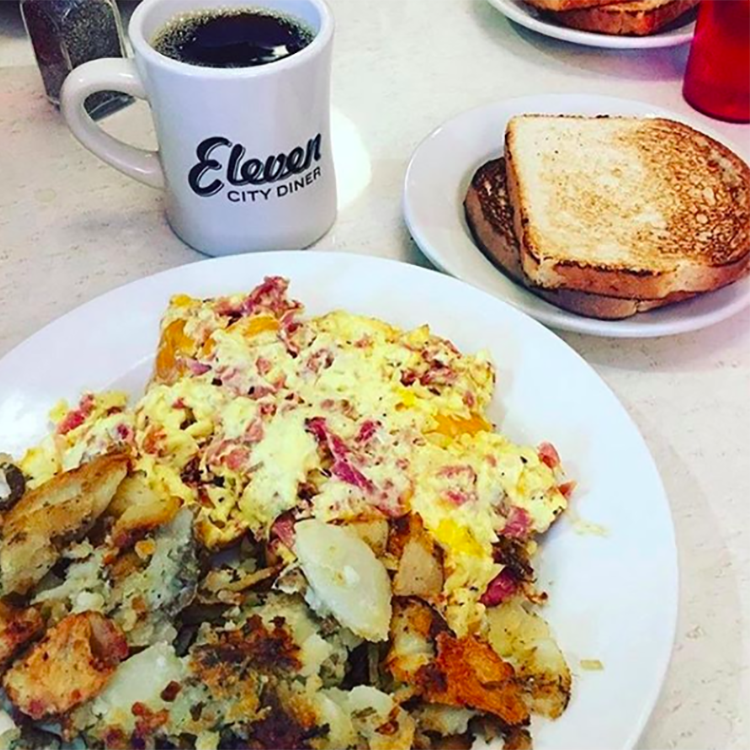
Photo Credit: Eleven City Diner

Eleven City Diner

1112 S Wabash Avenue

Advertisement


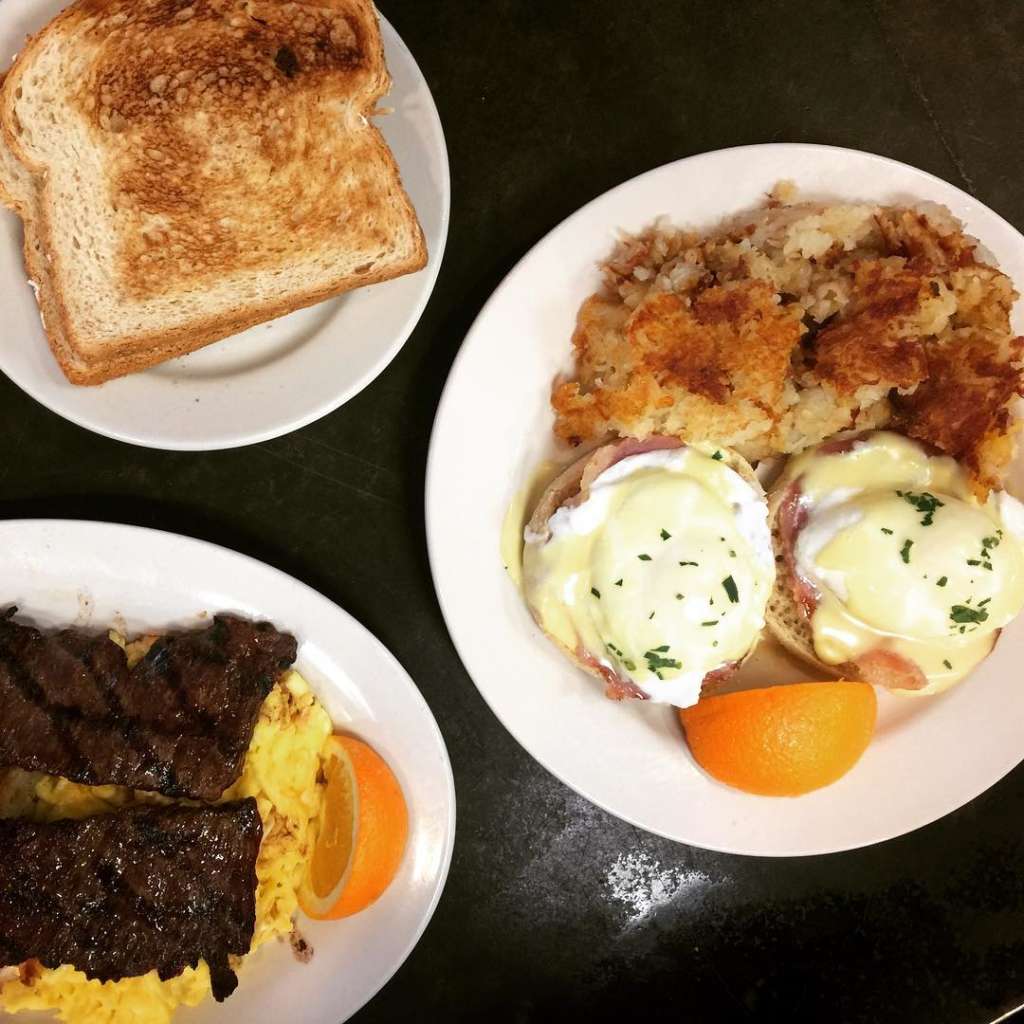
Inspired by the nostalgia of trekking across the States and stopping into roadside diners full of charm along the way, Eleven City has that classic, old-school atmosphere you want to go with your burger and milkshake. Here, breakfast is served all day, including a make-your-own omelet bar, but don’t you dare sleep on their loaded mac-and-cheese either. Needless to say, Eleven City Diner has it all and more.

Dove's Luncheonette
Photo Credit: Dove’s Luncheonette

Dove’s Luncheonette

1545 N Damen Ave

Advertisement


Unlike the others on this list, Dove’s serves up tequila and mezcal to go with your Tex-Mex-style order. An intimate diner with counter seating throughout, you’ll feel like one of the family as you enjoy favorites like Burnt End Hash and Torta Ahogada. Open for breakfast, lunch, and dinner, Dove’s Luncheonette is committed to Southern hospitality on every level.

best diners chicago
Photo Credit: @palacegrill

Palace Grill

1408 West Madison Street

Advertisement


The West Loop‘s oldest restaurant has classic diner written all over it. Black and white striped awnings. A stainless steel counter. Egg sandwiches known as “heart stoppers.” It’s no surprise that the Palace Grill has hosted plenty of celebrities in the past 79 years. Everyone from television personalities to prime ministers can enjoy good diner food here. And, apparently, the Blackhawks also have a hearty appreciation for this diner’s big portions. Stop in and you might find your team chowing down before practice.

diners
Photo Credit: The Cozy Corner

Cozy Corner Restaurant & Pancake House

2294 North Milwaukee Avenue | 4356 West Diversey Avenue | 6349 North Clark Street | 5454 N Harlem Avenue

Advertisement


Even the name is cute. The Cozy Corner has four locations in Edgewater, Logan Square, Hermosa Park, and Norwood Park. They also have an expansive breakfast menu featuring eight different toppings for your pancakes in addition to a variety of omelets, skillets, waffles, and french toast. If you’re not in the mood for breakfast food, try one of their burgers, sandwiches, or wraps instead. And, whatever you order, make sure to enjoy it all in a cozy corner booth.

diners
Photo Credit: The Chicago Diner via Facebook

The Chicago Diner

2333 North Milwaukee Avenue | 3411 North Halsted Street

Advertisement


So it’s not quite a traditional diner. As in, you won’t find any meat here. But even carnivores will love The Chicago Diner. Accompany your vegetarian or vegan breakfast, brunch, or lunch with one of the diner’s renowned vegan milkshakes and you’ll be wondering when you can come back for a second visit. And the Mac & Teese? More like Mac & Please Bring Some More Of This. The Chicago Diner is perfect for anyone craving warm comfort food who doesn’t want to see a slab of meat on their plate, or even non-vegans who’ll enjoy the cool and quirky atmosphere.

diners
Photo Credit: Pittsfield Cafe via Facebook

Pittsfield Cafe

55 East Washington Street

Advertisement


Put together your typical diner fare, Chicago-style hot dogs, and spaghetti and meatballs and you’ll get the Pittsfield Cafe’s huge menu. This place has it all, from “The Best of the Best Breakfasts” to chicken parmesan. Bring your picky eater or a group with diverse tastes here and everyone is likely to find something they love.

stella
Photo Credit: Stella’s Diner via Yelp

Stella’s Diner

3042 North Broadway

Advertisement


Stella’s has a pretty eye-catching exterior, and pretty hunger-smashing food. This place has been in Lakeview for around 50 years and despite many changes over the decades, it’s still around. Boasting classic diner breakfast favorites and delicious shakes at low prices, Stella’s has no trouble bringing in the crowd. Their outdoor seating makes for a great place to lounge, sip some coffee, and enjoy your eggs when the weather is nice. Otherwise, hope there’s an open booth near their huge front windows so you can watch the busy street outside and be glad you’re relaxing with a peanut butter shake.

Whether it’s vegan or meaty, sweet, or savory, each of these places remembers the most important aspect of any traditional diner: comfort. With friendly service and a familial atmosphere, you’ll feel right at home at these Chicago diners, no matter where you choose to go.

At UrbanMatter, U Matter. And we think this matters.

Tell us what you think matters in your neighborhood and what we should write about next in the comments below!

Read More

7 Best Diners Keeping Things Old-Fashioned in ChicagoMolly Tyleron May 27, 2020 at 4:33 pm Read More »

10 Chicago Barber Shops Reopening This JuneAudrey Snyderon May 27, 2020 at 1:59 am

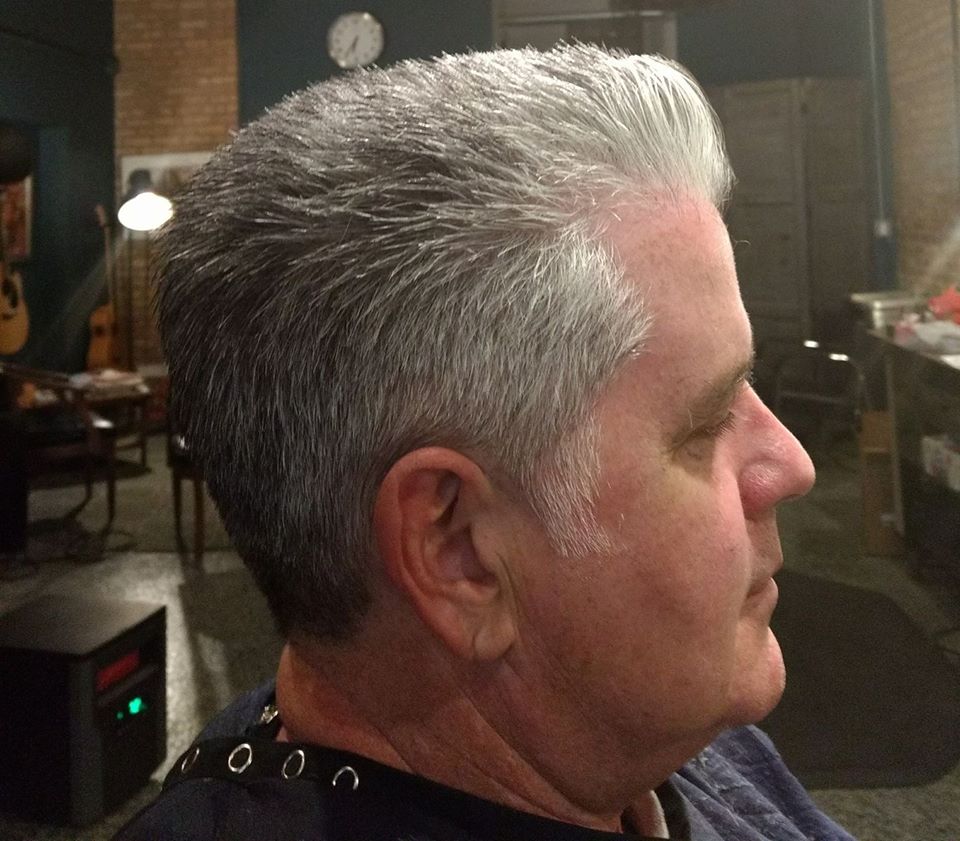
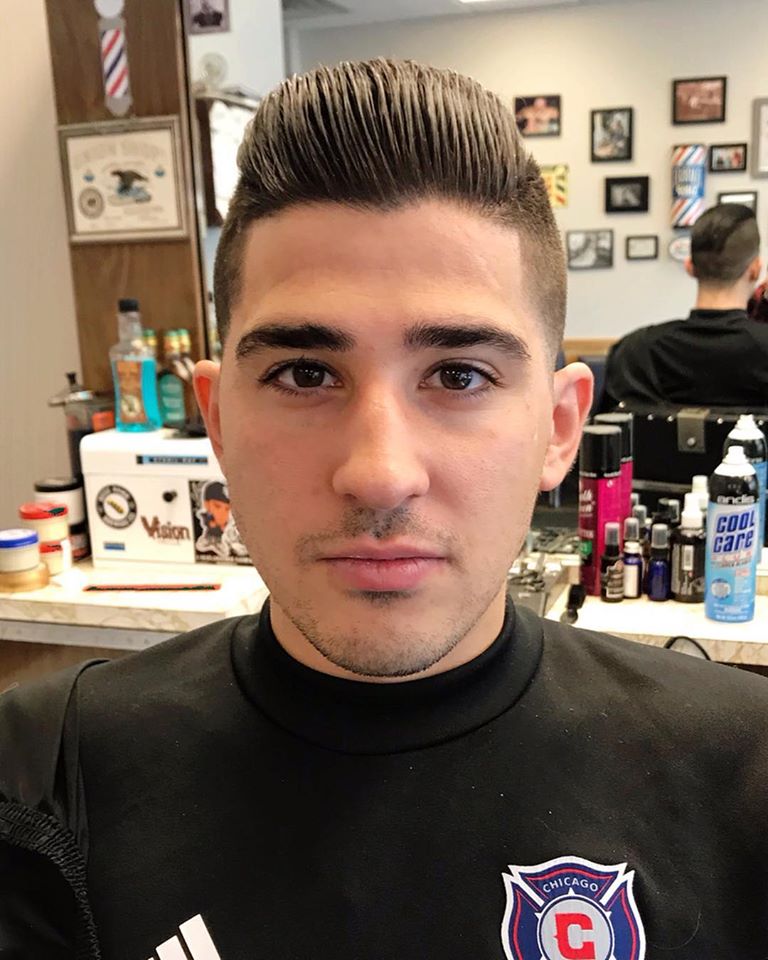
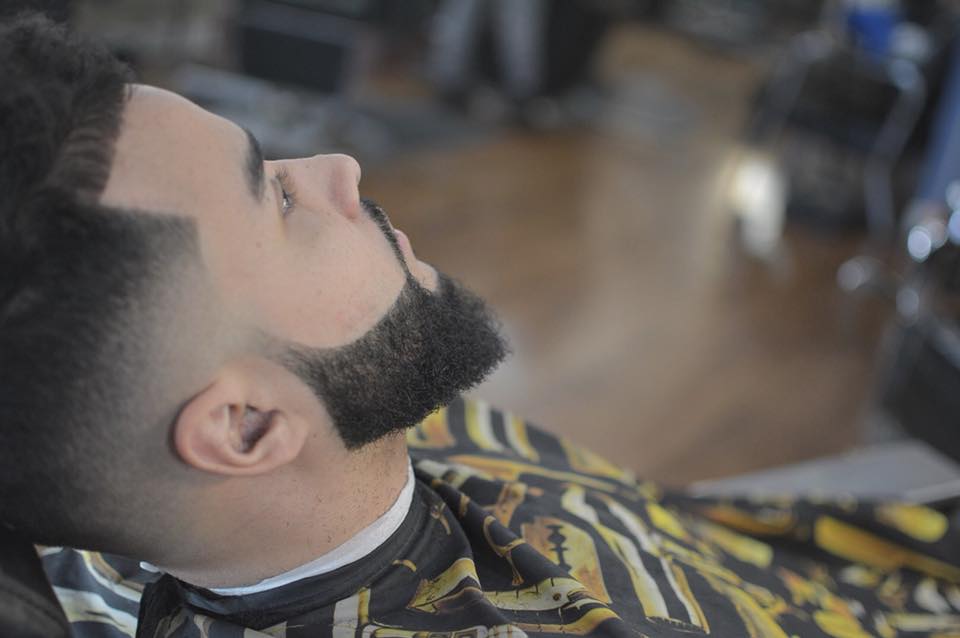
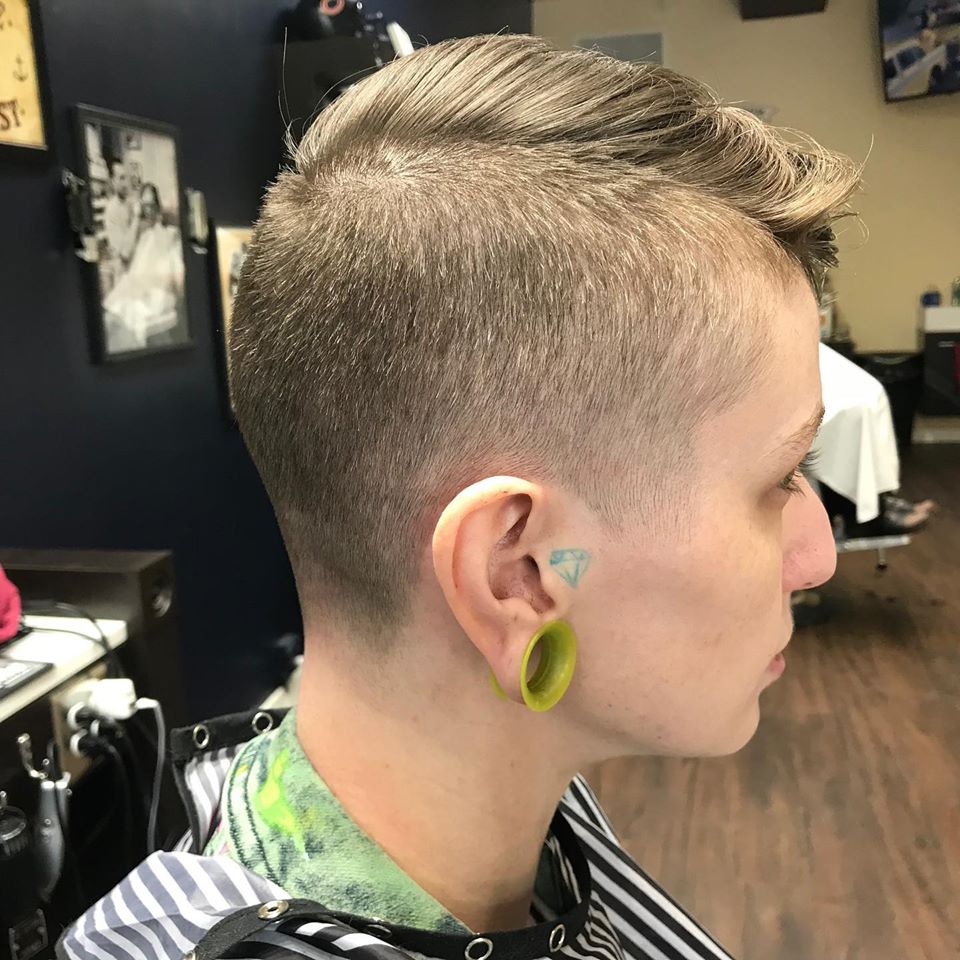
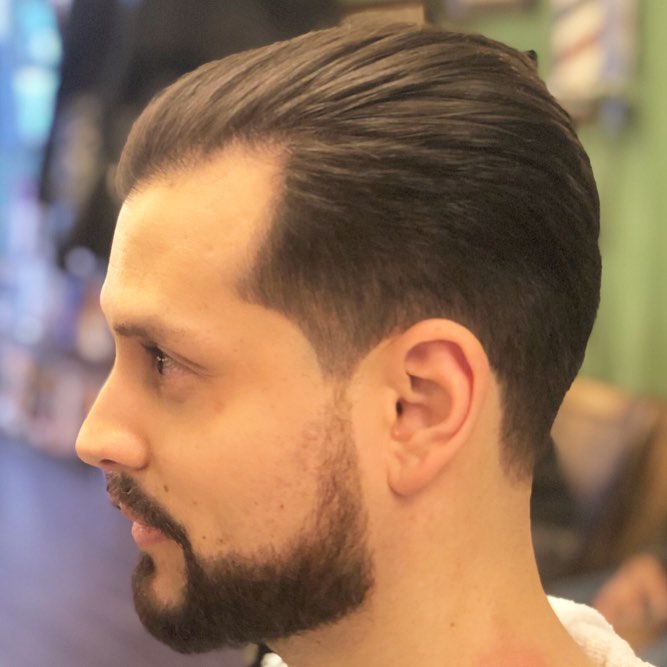
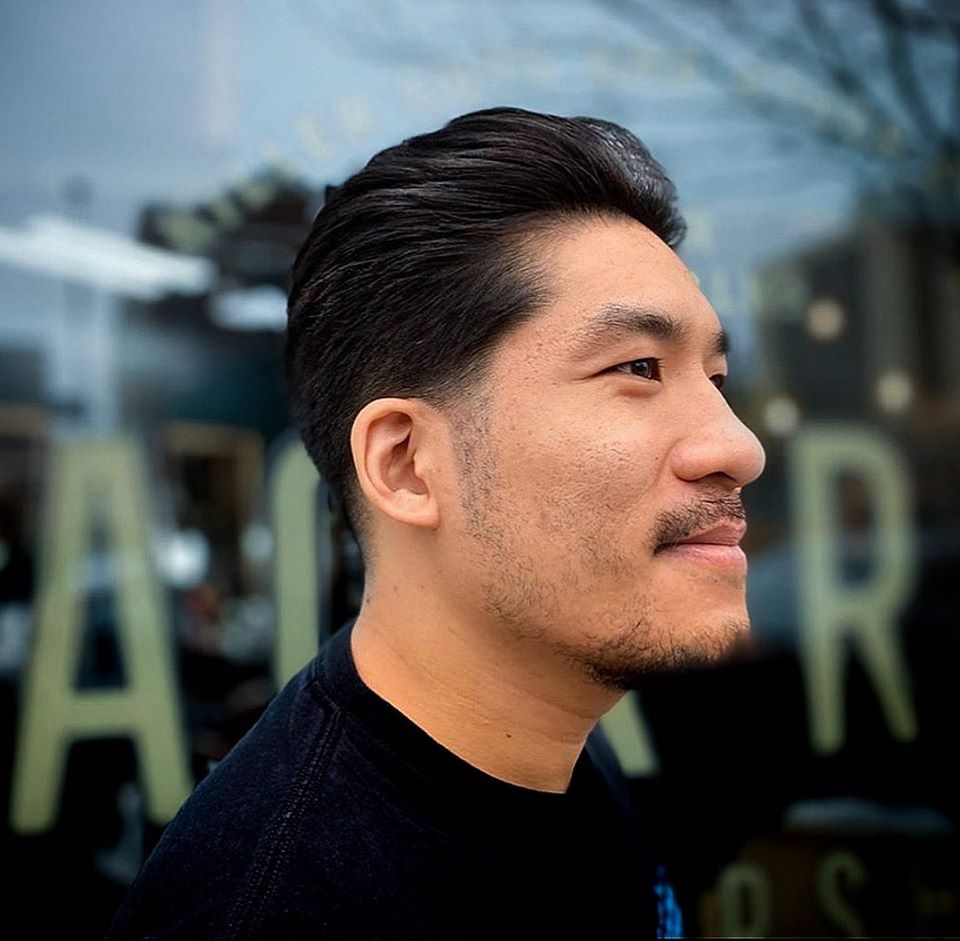
Though Mayor Lightfoot hasn’t set an exact date for a Chicago-specific Phase 3 reopening (she is reportedly moving the city’s reopening date later than the state’s), she has suggested that early June looks promising. If you’ve been itching for a date with a barber and can’t take another month of your wild mop, check out these 10 Chicago barbershops that plan to open in June at the onset of Phase 3.

Photo Credit: Kempt Barber Shop Facebook

Kempt Barber Shop

4314 W Irving Park Rd

Advertisement


Located in Irving Park, the barbers at Kempt are ready to tackle that neckbeard you’ve been cultivating while stuck at home.

Photo Credit: Franks Barber Shop Chicago Facebook

Frank’s Barber Shop

3218 W Montrose Ave

Advertisement


Boasting quality cuts and reasonable pricing, Frank’s of Ravenswood Manor is looking forward to opening its doors in June.

chicago barbershops
Photo Credit: Will’s Barber Shop Facebook

Will’s Barbershop

5335 W Belmont Ave

Advertisement


The quality cuts at Will’s in the Belmont Cragin neighborhood can be scheduled when it reopens in the coming weeks.

chicago barbershops
Photo Credit: Headquarters barber studio Facebook

Headquarters Barber Studio

3040 W Irving Park Rd

Advertisement


In mid-May, the east Irving Park barbershop announced the booking of new appointments for an imminent reopening.

chicago barbershops
Photo Credit: Northside Barbershop Facebook

Northside Barbershop

1902 W Montrose Ave

Advertisement


With new policies that include mask wearing and social distancing, Northside plans to start booking appointments for June for all the currently shaggy-haired people of Ravenswood.

chicago barbershops
Photo Credit: Gabby’s Barbershop Facebook

Gabby’s Barber Shop

2860 N Clark St

Advertisement


This Lakeview shop has previously estimated a reopening date of May 29, so a June reopening with the rest of Chicago is looking promising. While traditionally the shop only took walk-ins, Gabby’s is likely switching over to an appointment-based system during Phase 3.

chicago barbershops
Photo Credit: V’s Barbershop – Chicago Wicker Park Bucktown Facebook

V’s Barbershop

1632 N Milwaukee Ave

Advertisement


According to V’s of Wicker Park/Bucktown, the shop is ready for the estimated early-June reopening! Excellent news for trendy men and boys of Chicago waiting for haircuts.

chicago barbershops
Photo Credit: Black River Barbershop Facebook

Black River Barbershop

1845 N Western Ave

The “short hair specialists” in Logan Square intend to reopen their doors when Phase 3 goes into effect in Chicago, implementing new policies to keep their cozy 4-chair shop as safe as possible.

chicago barbershops
Photo Credit: Slade’s Barbershop Facebook

Slade’s Barbershop

3314 N Halsted

Folks in Boystown looking to lose some scruffiness this summer should be able to visit Slade’s (preferably with an appointment) in early June, as they estimated a May 29 reopening!

chicago barbershops
Photo Credit: Old Town Barbershop Facebook

Old Town Barbershop

1339 North Wells Street, 2nd Floor | 630 W Lake Street

With locations in Old Town and the West Loop, this classic men’s barbershop is set to start cutting hair and reuniting with faithful clients as soon as the city gives the green light in June.

At UrbanMatter, U Matter. And we think this matters.

Tell us what you think matters in your neighborhood and what we should write about next in the comments below!

Featured Image Credit: Kempt Barber Shop Facebook

Read More

10 Chicago Barber Shops Reopening This JuneAudrey Snyderon May 27, 2020 at 1:59 am Read More »