3 officers accused of providing false statements during investigations should be fired: COPACarly Behmon June 24, 2020 at 2:33 am
The agency that investigates use of force by Chicago police has recommended an officer who had faced charges in punching a handcuffed man and two other officers accused of lying during an investigation about a police-involved shooting be fired.
The Civilian Office of Police Accountability called for the firing of Officer Clauzell Gause for hitting a handcuffed person multiple times June 3, 2014, and lying to investigators, according to a statement from the agency Tuesday.
In that incident, Gause, who prosecutors said was seen in surveillance video, shoved a person who was handcuffed into a wall and punched him at Jackson Park Hospital, according to the COPA report.
Gause was charged with misconduct two years after the incident, but the charges were dropped last year. A video of the incident shows Gause attacking the handcuffed man in a room and then leaving after hospital staff stepped in.
The man Gause punched also filed a lawsuit against the city and Police Department in 2016. The suit was settled, and the man was awarded $175,000 in 2018, according to court documents.
Officers Carol Weingart and Laura Kuhlmann also are accused of giving false statements during an investigation stemming from an officer-involved shooting Dec. 29, 2015, COPA said. At the time, Kuhlmann was accused of firing shots at a moving vehicle in Lake View.
Chicago Police Superintendent David Brown concurred with COPA’s recommendation, and the matter is pending a judgement by the Chicago Police Board, the release said.
“At this historical time in our nation and city, it is imperative that officers are truthful and cooperative when COPA initiates an investigation into the actions of members of the Department and the public,” Sydney Roberts, chief administrator at COPA said in a statement. “Our mandate requires that we follow the evidence and facts of each case and when officers knowingly make false statements, we will hold them accountable.”
A Chicago police spokesman didn’t immediately respond to a request for information.

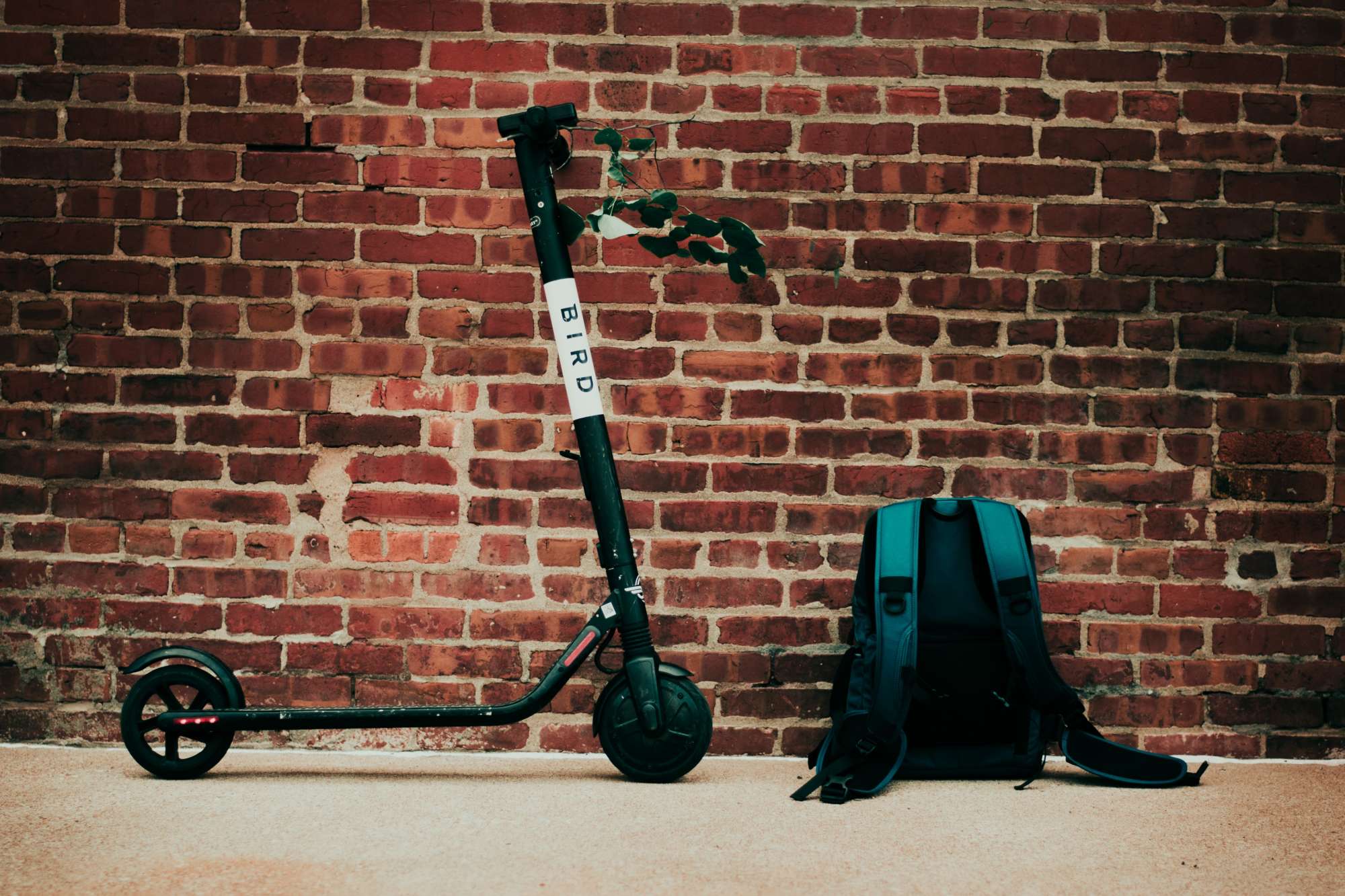 While last year’s program lasted roughly four months, included a fleet of 2,500 electric scooters, and covered around 50 square miles of the North, South, and West sides, this summer will up the game.
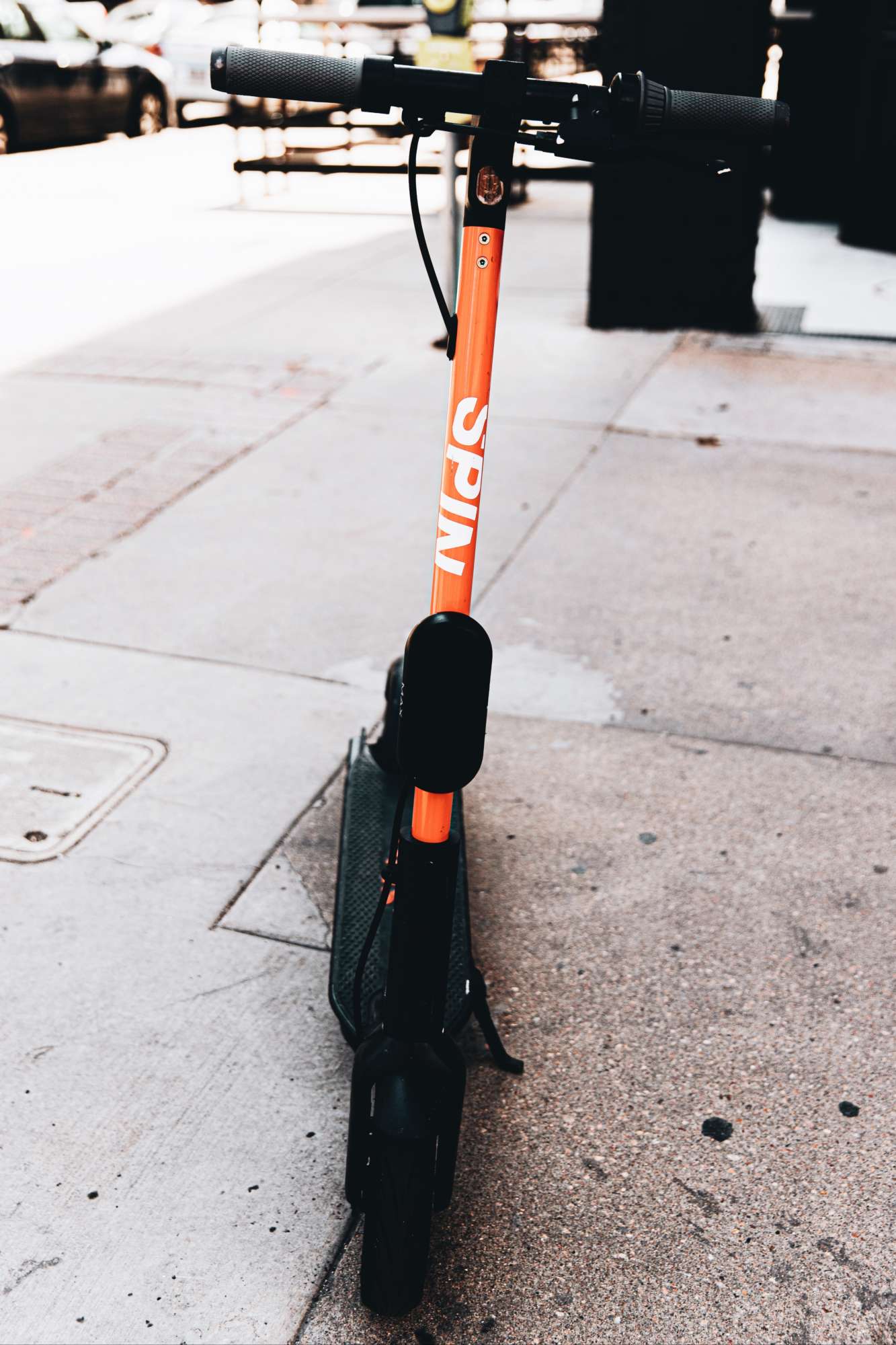 The area in which scooters will be deployed is larger than last year’s limit to the West Side priority areas (chosen primarily because of the diminished access to
 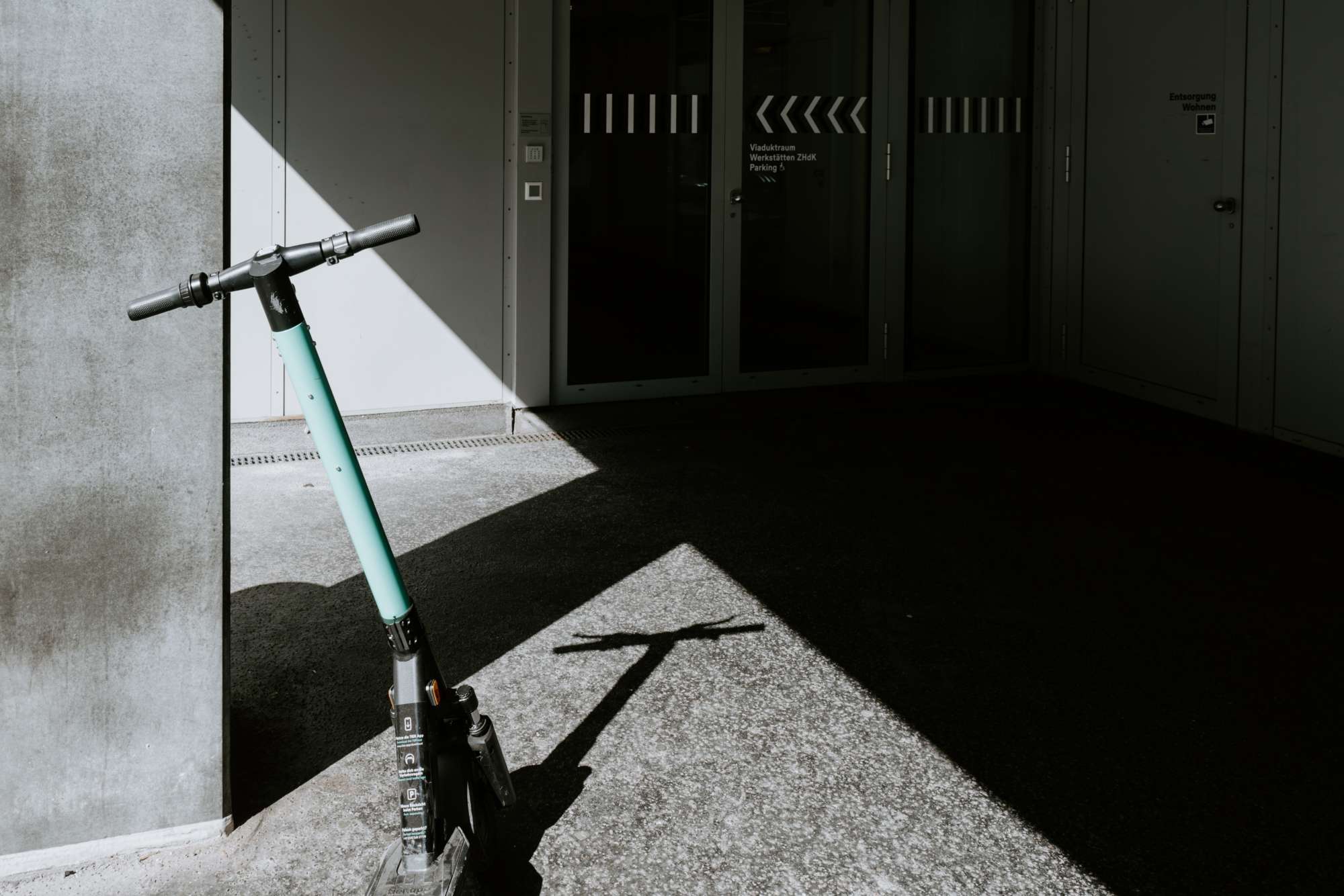 One of the biggest changes coming to the scooters this summer is that after a ride, scooters will be required to be locked up to a bike rack or other fixed objects in order to curb complaints about scooters being tripping hazards or obstructing pedestrian pathways. This will also help eliminate the need for companies to round up the scooters nightly and then redistribute them in the morning.