What’s New

Goodbye to songwriter Michael SmithMark Guarinoon August 5, 2020 at 4:25 pm

Michael Smith - COURTESY JAMIE O'REILLY

Michael Smith died in his bed at home on Monday, on a cold August afternoon in Chicago. Wind snapped at the windows of his lakefront apartment. Dark clouds sprinkled rain on children in summer clothes. People in masks scurried under trees or to their cars. Later the sun came out.

These could all be snapshots from one of Smith’s songs, which go deeper than detached observation and ask you to feel along with the people they bring to life.

Smith, who died of colon cancer at age 78, moved to Chicago in the 1970s, at the height of the second folk boom. He never became a household name the way John Prine and Steve Goodman did, but his lengthy discography is just as mighty. And his work scoring theater–including Steppenwolf Theatre’s production of Frank Galati’s The Grapes of Wrath and the 2010s incarnation of Blair Thomas‘s long-gestating Moby Dick–proved him to be a songwriter who could summon characters from the world’s greatest works of literature and make them speak with convincing authority.

Smith was a prodigious talent, and considered himself a songwriter first–he performed only occasionally, to make a living. His best songs–“Crazy Mary,” “Ballad of Dan Moody,” “Panther in Michigan,” “Spoon River,” “Sister Clarissa”–tell stories and cast moods just as powerfully as anything on a theater stage. “The Dutchman,” a tender song about caring for someone losing their mind, is today considered a modern folk classic.

“It didn’t occur to me they were about me in the beginning,” Smith told me in 2018. “People would say, ‘Your songs are so personal.’ I would say, ‘Well, I’ll try to get away from that.’ But I couldn’t.”

Michael Peter Smith was born September 7, 1941, and grew up the oldest of six children in Little Falls, New Jersey. He came of age during the folk revival of the late 1950s. The Kingston Trio and Harry Belafonte got him into the world of guitar music, but he discovered that what mesmerized him were the songs, mined from decades past, and the worlds they created in his imagination.

“Harry Belafonte singing ‘Shenandoah.’ I played ‘Shenandoah’ 50 times. Oh, it’s so beautiful. And one guitar. ‘Shenandoah, I long to see you.’ What the fuck does he mean by that? I have no idea. I don’t care. It was so poignant,” he said.

Smith’s idyllic childhood ended the morning of December 1, 1958, when his father, a frustrated musician who worked factory jobs to support the family, walked into the garage and killed himself by carbon monoxide poisoning. “When you’re the oldest kid at 17, and you’re a boy, and your dad kills himself, you’re done,” Smith said. “You’re fixed in a certain angry and lost place. You’ll never be graceful and suave.”

The suicide would wrack Smith with survivor’s guilt into adulthood, and his Catholic upbringing only compounded it. “I’m still apologizing to my dad, to myself, and to the world for not coming through. . . . But it’s too late, man. It’s ingrained. And they tell you at Catholic school, you’re six years old and looking at a fucking crucifix and they’re telling you, ‘It’s your fault,'” he said. “Songwriting was the one way I could say, ‘I have beauty inside me.'”

Smith’s mother waited until he’d finished high school to move the family to St. Petersburg, Florida, and start a new life. In 1962 Smith started playing the Florida coffeehouse circuit, and he soon ended up the house act at the Flick, an influential nightspot in Coral Gables where he performed alongside the likes of David Crosby, Joni Mitchell, Steve Martin, and Steve Goodman (who would eventually record several of his songs). Smith honed his chops there and, along the way, met singer Barbara Barrow. The two of them married in 1968 and played together in a psychedelic folk-rock band called Juarez that put out an LP on Decca in 1970 and toured nationally. Eventually the couple returned to a duo format, and after spending several years living a nomadic life, they settled in Chicago in 1976.

By the time they arrived, they were already known here. With repeated tour stops, they’d built up an audience at the Earl of Old Town, the Wells Street club that was a mainstay for singer-songwriters at the time. Goodman had already made Smith’s songs familiar to Chicago audiences. Eventually Suzy Bogguss, Tom Russell, John Gorka, Jerry Jeff Walker, David Allan Coe, Celtic Thunder, Jimmy Buffett, and many others would record Smith’s material as well.

Chicago had a robust community of songwriters in the 1970s, and Chris Farrell, who was part of that community himself, remembers that Smith was seen as a “deity.”

“He always had a great way of explaining something with a simple phrase. Some of these things we all struggle with. But it made more sense because he had a handle on it,” Farrell says. “In writing a song, you don’t want to make any mistakes, but he said as long as you know the truth of the song you’ll be fine. I never heard it said so perfectly.”

In the 1980s, the club scene in Chicago eventually dried up. Smith relied on a job selling subscriptions for Time-Life and the occasional teaching gig at the Old Town School of Folk Music. His life changed when director Frank Galati caught one of his performances there and asked him to write songs for, and appear in, an adaptation of John Steinbeck’s novel The Grapes of Wrath that premiered in 1988 and would eventually win two Tony Awards. In a New York Times review of Steppenwolf’s 1990 revival of the play, critic Frank Rich called Smith’s score “astringent and evocative . . . [it] echoes Woody Guthrie and heartland musical forms and is played by a migrant band on such instruments as harmonica, jew’s-harp and banjo. Sometimes salted with descriptive lyrics from Steinbeck, the music becomes the thread that loosely binds a scattered society.”

Smith quit his job and entered his most productive run of his career. The three albums that followed–Michael Smith (1986), Love Stories (1988), and Time (1993)–represent a suite of songs that he would perform until the end of his life. Like the theater work he was increasingly undertaking, the songs were dramatic mood pieces, comparable to Leonard Cohen or Kurt Weill, and he sang them quietly, backed by his guitar or by strings. On “I Brought My Father With Me,” he addressed for the first time his lifelong struggle with his father’s death: “There are some ways I’m just like him / Some ways he was just like me / And sometimes when the mirror’s dim / His face is clear to see.”

Chicago itself would sometimes creep into Smith’s songs. On “Ballad of Elizabeth Dark,” he recounted taking the el to Rogers Park to visit the lake. “And I walk along the Sheridan sand / Where the waves are breaking over the jetty / Where the wind is like an icy hand.”

“He gives you a real sense of time and place. He puts you right in the center of a scene so you can experience it with him,” says Anne Hills, who produced those three records. She thinks of Smith as a painter who could develop scenes “right in front of you.”

His song “We Become Birds” imagines that humans return to life as birds after they die: “I know because sometimes I just want to / Lift off / Go right to the mesa and / Have a feast / Eat our bread / Stand in a circle / Hear my grandmother talk about our people.”

“He was extremely masculine, but he had emotional insight to his writing. You hear deep empathy in his work,” Hills says. “He brings a lot of sensuality.”

Smith continued to work in theater until the late 2010s, writing music for and appearing in shows at Victory Gardens and Lookingglass and collaborating several times with puppeteer and producer Blair Thomas. He reunited with Galati in 2006 for The Snow Queen, an adaptation of the Hans Christian Andersen story. He also partnered with Jamie O’Reilly to develop folk cabaret shows that the duo appeared in together throughout Chicago.

In February, Barrow died of complications stemming from her 12-year struggle with Parkinson’s disease. In June, Smith discovered he had colon cancer, which had already spread to his liver. O’Reilly opened her apartment to him as a hospice for three weeks. Toward the end, he transferred to his own apartment, where he was surrounded for his final days by his five surviving siblings.

During this time, Smith took to Facebook to share with the people he couldn’t see. He started posting covers of his songs that he liked. He told jokes. He shared stories of his time playing with and getting to know Michael Bloomfield, Steve Goodman, Fred Neil, Fred Willard, and Steve Martin on the nightclub circuit. He talked about his love of Paul McCartney, the Kingston Trio, President Barack Obama. He was happy, O’Reilly recalls. “He did his moral inventory. He did it deliberately. And in this last chapter he felt fully free,” she says. “That’s the gift he’s given himself.”

On June 20, when Smith knew his failing strength would soon rob him of his ability to communicate, he took to Facebook one last time. “I been a good ole wagon, and if I’ve done broke down they’ll fix me up if they possibly can,” he wrote. “Old man, everybody dies.” v

Read More

Goodbye to songwriter Michael SmithMark Guarinoon August 5, 2020 at 4:25 pm Read More »

The Reader has 56 places to start your shopping this Bandcamp dayLeor Galilon August 6, 2020 at 12:15 am

bandcamp_web.jpg

Last week, Music Ally published an interview with Spotify CEO Daniel Ek where he suggested that artists upset with paltry streaming royalties should produce more music. “Some artists that used to do well in the past may not do well in this future landscape,” Ek said. “Where you can’t record music once every three to four years and think that’s going to be enough.” I can’t speak to why people decide to pursue careers in music, but I’m pretty sure it’s not so they can have a boss who devises a business model so broken that the only way they can hope to survive is by doubling or tripling the amount of work they release.

Bandcamp can’t match Spotify’s reach–it has just a tiny fraction of the streaming giant’s user base–but because it sells music outright, each of its users represents the potential for a lot more artist income. Ever since COVID-19 disemboweled the live-music industry in March, shutting down touring revenue, Bandcamp has periodically waived its cut of sales so that all proceeds go directly to artists and labels. Friday, August 7, will be the fifth such “Bandcamp day.”

An extra 10 or 15 percent from Bandcamp certainly won’t replace musicians’ lost income, but anecdotal evidence at least suggests that Bandcamp days incentivize enough buying binges to make a difference. On June’s Bandcamp day, Chicago polymath Nnamdi released the EP Black Plight, which made more than $10,000 in 24 hours (he donated the proceeds to charitable causes). On the four previous Bandcamp days–in March, May, June, and July–artists and labels made more than $20 million total, many times more than they would have on ordinary Fridays.

I’ve once again rounded up all the Reader’s recent recommendations of albums and EPs available through Bandcamp. Each one is linked to the Reader story that mentions it. I hope this gets you started searching through the bounty of great material on Bandcamp–happy hunting, and I’ll see you again for next month’s list!

Another Sunny Day, London Weekend

Vince Ash, Vito

Julianna Barwick, Healing Is a Miracle

Bloodmist, Phos

Boris, No

Peter Brotzmann & Fred Lonberg-Holm, Memories of a Tunicate

Bruges, A Thread of Light

Cinder Well, No Summer

Cold Beaches, Drifter

Chris Crack, Cute Boys (The Rise of Lil Delicious)

Cutta, Physicalism

Dehd, Flower of Devotion

Evicshen, Hair Birth

Fat Night, Live for Each Other

He Who Walks Three Ways, Technology Delivered 91/94

HHY & the Macumbas, Camouflage Vector: Edits From Live Actions 2017-2019

Park Hye Jin, How Can I

Ghetto Kumbe, Ghetto Kumbe

Gosh Diggity, Bedtime for Bonzos

Jovan Landry, World Vibe

Lawrence Arms, Skeleton Coast

Le Tour, S/T 2020

Scott McGaughey, You Don’t Need a Key to Leave

Mexican Werewolf, Murder House

Robert Millis, Related Ephemera

Nicole Mitchell & Lisa E. Harris, EarthSeed

Myquale, Passport Package

Bob Nanna, Celebration States

Thiago Nassif, Mente

Nest Egg, Dislocation

Carlos Nino & Miguel Atwood-Ferguson, Chicago Waves

Nnamdi, Krazy Karl

Ocean Cult, Elastic Era

Old Man Gloom, Seminar VIII: Light of Meaning and Seminar IX: Darkness of Being

Oscillator Bug, Fruit Collection

Paisley Fields, Electric Park Ballroom

Park National, The Big Glad

Margo Price, That’s How Rumors Get Started

Protagonists, 1983-1985

Protomartyr, Ultimate Success Today

Pyrrhon, Abscess Time

Quicksails, Blue Rise

Quiet Eye, Program One

Sault, Untitled (Black Is)

Silicone Prairie, Two Songs

Spectacular Diagnostics, Thebeautifulmusic

Surgery Boys, 1

James Swanberg, The One and Only

Various artists, Attack of the Chicago Boogie

Various artists, Lillerne #122

Various artists, SituationChicago

Vile Creature, Glory, Glory! Apathy Took Helm!

Warm Human, The Bummer Album

Warrior Tribes, The Con

Xoe Wise, Air

Zombi, 2020 v

Read More

The Reader has 56 places to start your shopping this Bandcamp dayLeor Galilon August 6, 2020 at 12:15 am Read More »

Chicago indie rocker Jeff Kelley digs into experimental pop with Ocean CultLeor Galilon August 5, 2020 at 5:00 pm

Over the past decade, it’s often felt like everyone in Chicago’s underground-rock subscenes was legally required to have multiple projects, and Jeff Kelley certainly cleared that bar. He fronted frazzled art-rock group Vaya, mathy indie-pop outfit Dick Wolf!, and ragged new-wave band New Drugs. When he wasn’t making music, Kelley helped document the scene as cofounder and creative director of Chicago Singles Club, a hybrid music-journalism outlet and record label whose activity sadly tapered off in the late 2010s (the site stopped posting monthly artist profiles in 2016, but continued to host events for about another year). These days Kelley focuses on his solo project, Ocean Cult, which builds on the complicated mathletics of Dick Wolf! and the peculiar, irascible angles of Talking Heads. On Ocean Cult’s new debut album, Elastic Era, Kelley stretches out as a singer and songwriter, reaching past his old prickly ruggedness to embrace a heartfelt flamboyance. On “Touch Me, Electricity” he delivers the hook atop a patchwork of zigzagging synths, his voice swooping down from its highest register into a sensual croon—-and his confidence makes the song glow. v

Read More

Chicago indie rocker Jeff Kelley digs into experimental pop with Ocean CultLeor Galilon August 5, 2020 at 5:00 pm Read More »

Steve Von Till finds beauty and humanity within a chaotic universe on No Wilderness Deep EnoughJamie Ludwigon August 6, 2020 at 1:00 pm

Steve Von Till is best known as co-front man of the mighty Neurosis, but for two decades the singer, multi-instrumentalist, and poet has also led an ambitious and expansive solo career. Under his own name he’s released dark pastoral folk, and as Harvestman he’s made dynamic, psych- and drone-infused music. On his new album, No Wilderness Deep Enough (released alongside a new book titled Harvestman: 23 Untitled Poems and Collected Lyrics), Von Till merges those personas with glistening ambient washes and somber neoclassical arrangements. He began working on the album in early 2018, first recording stark piano melodies on the rural land in northern Germany that his wife’s family has farmed for more than 500 years and then adding electronic elements at his home studio in Idaho. He originally intended No Wilderness Deep Enough to be strictly instrumental, but when he consulted producer Randall Dunn about incorporating French horn and cello in the studio (provided by Aaron Korn and Brent Arnold, respectively), his friend challenged him to add lyrics. Though the music certainly could’ve stood on its own, Von Till’s deep voice and contemplative delivery help draw threads connecting heaven and earth and his ruminations on longing, loss, and humanity, which lie at the album’s core. “Indifferent Eyes” seems to cast its glance upward–its shooting-star synths cascade into serene piano and cello, as if providing a glimmer of light by which Von Till can study the possibilities in detachment, the unknown, and connection. On the brooding, textural “Shadows on the Run,” he ponders the esoteric mysteries of the universe and the legacies of those who’ve left this plane of existence behind. Neurosis at their most turbulent and commanding can summon all the heaviness of the world–a sonic manifestation of Atlas bearing his load–even as they break into cosmic catharsis. No Wilderness Deep Enough carries some of that same weight, but for all the enormity of its spacious meditations, they also offer us a chance to stretch out, take a breath, and even tap into untouched sources of strength before we head into the next storm. v

Read More

Steve Von Till finds beauty and humanity within a chaotic universe on No Wilderness Deep EnoughJamie Ludwigon August 6, 2020 at 1:00 pm Read More »

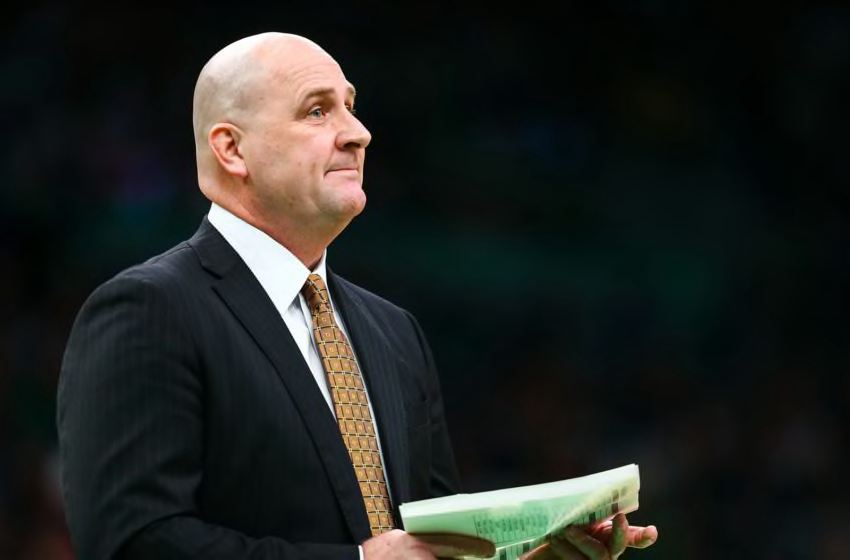
Chicago Bulls Rumors: Reinsdorf won’t allow Boylen to be firedRyan Heckmanon August 6, 2020 at 6:02 pm

Read More

Chicago Bulls Rumors: Reinsdorf won’t allow Boylen to be firedRyan Heckmanon August 6, 2020 at 6:02 pm Read More »

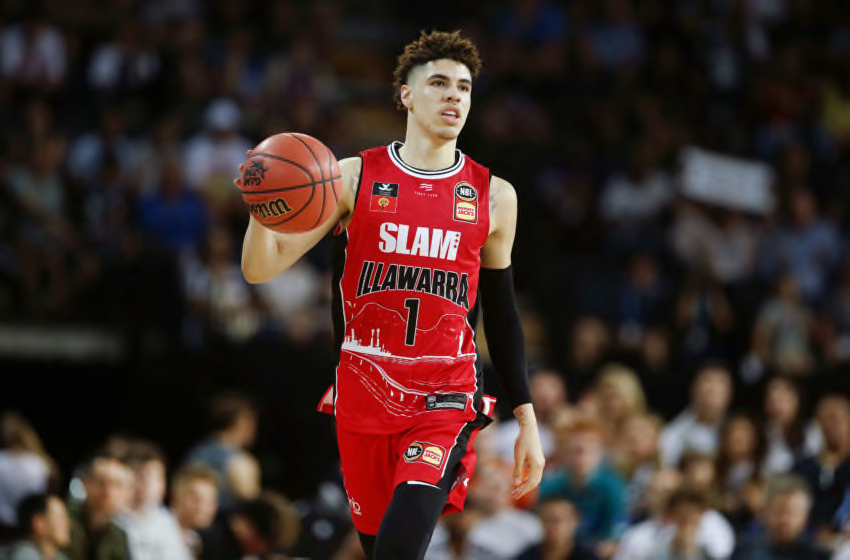
Chicago Bulls hit jackpot in latest mock draftPatrick Sheldonon August 6, 2020 at 4:00 pm

Read More

Chicago Bulls hit jackpot in latest mock draftPatrick Sheldonon August 6, 2020 at 4:00 pm Read More »

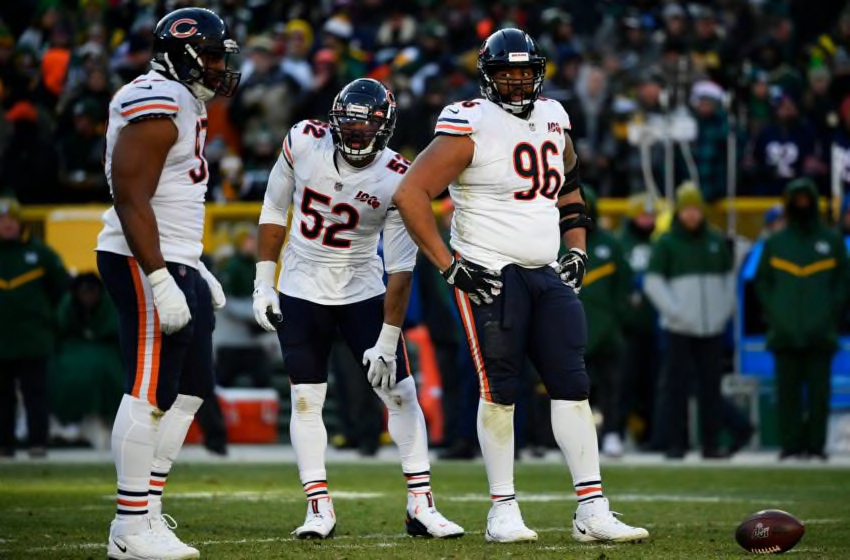
Chicago Bears: Why Akiem Hicks being healthy mattersUsayd Koshulon August 6, 2020 at 3:00 pm

Read More

Chicago Bears: Why Akiem Hicks being healthy mattersUsayd Koshulon August 6, 2020 at 3:00 pm Read More »

7 Best Kayak Rentals in ChicagoAlicia Likenon August 6, 2020 at 8:37 pm

Table of Contents

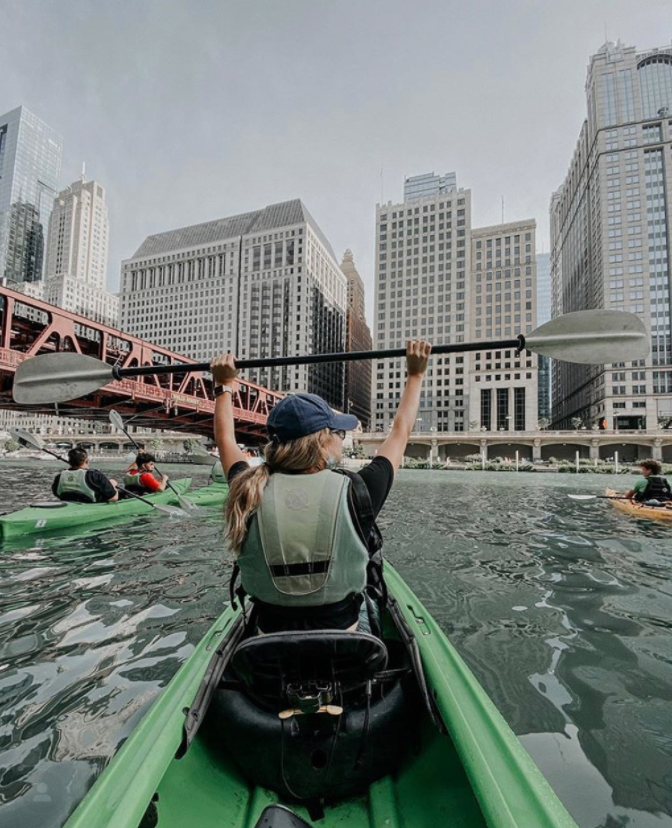
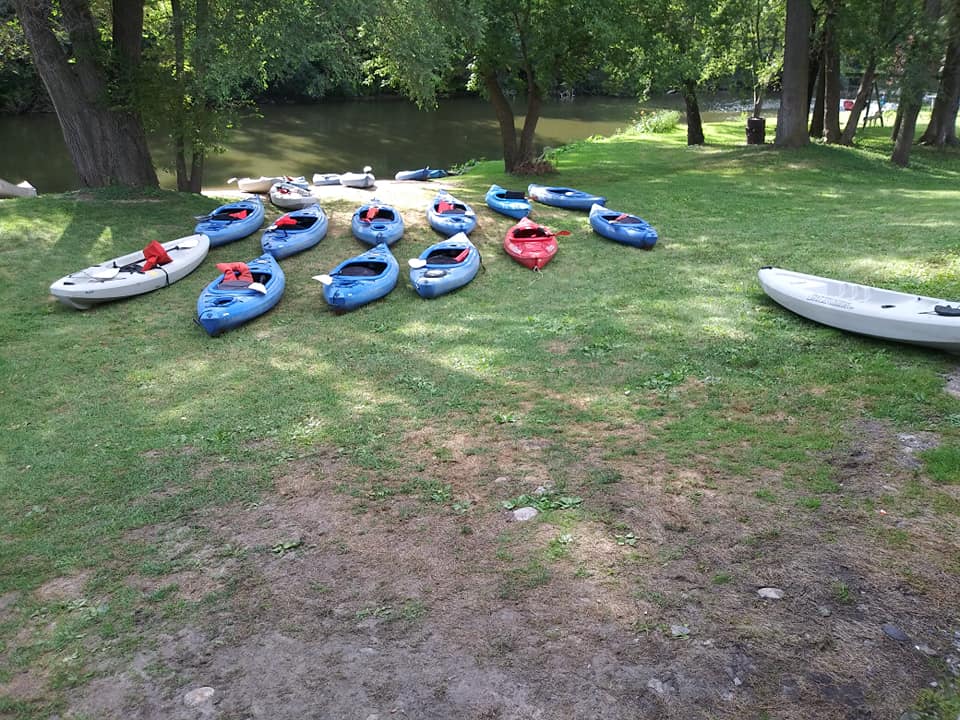
From the winding Chicago River to the clear blue waters of Lake Michigan, it’s no secret that Chicago has some of the best paddling in the Midwest. And here’s even better news: you don’t have to own a kayak to enjoy it. Rental shops offer a variety of kayak trips ranging in length and difficulty. So, whether you’re new to paddling or a seasoned expert, take advantage of summer with an aquatic adventure! Here are the 7 best kayak rentals in Chicago.

kayak rentals chicago
Photo Credit: @ariadnaepineda Instagram Page

435 E Chicago Riverwalk, Chicago, IL 60601 | 110 N Lakeshore Dr, Chicago, IL 60601

Advertisement

Looking for a leisurely paddle? The Lakefront location at Monroe Harbor is great for beginners with calmer conditions. Consider yourself more advanced? The Riverwalk location is a more challenging option. Heads up, renters will be given a quick skills assessment to make sure they’re ready. Newbie kayakers should opt for a tandem kayak with a more experienced partner. Reservations must be made online, in advance and prices start at $30/hour per person (one per single or two per tandem).

kayak rentals chicago
Photo Credit: Wateriders Facebook Page

500 N Kingsbury St, Chicago, IL 60654

Advertisement

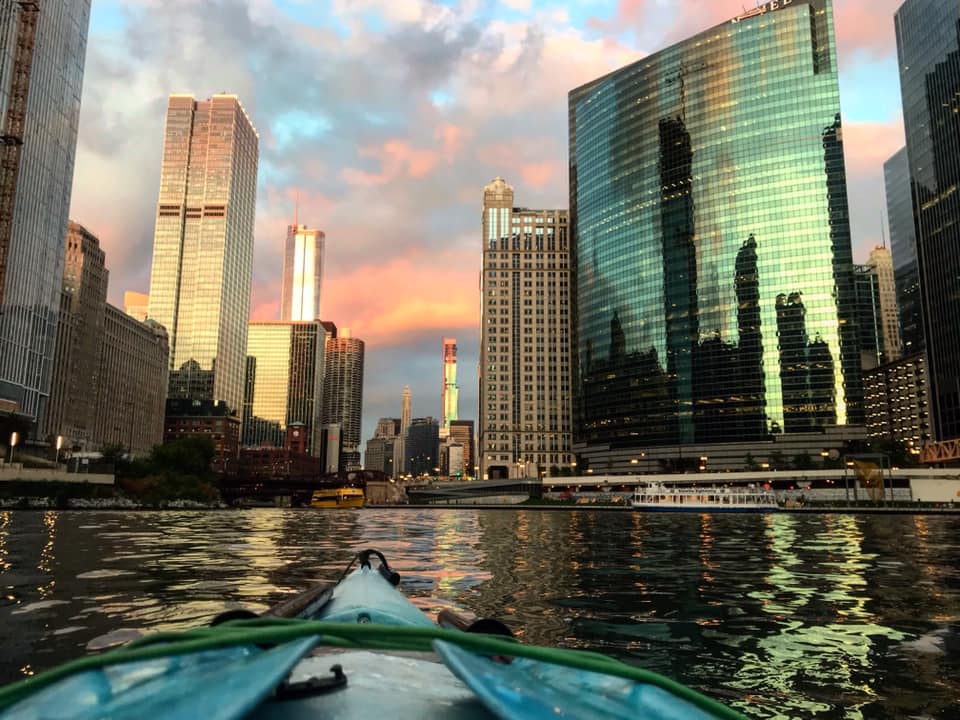
Since 1997, Wateriders have led adventure-seekers through the concrete canyons of downtown Chicago. You can choose from several different tours ranging from an architecture tour, moonlight paddle, ghosts and gangsters tour, plus more. Need some quick coaching? Everyone gets a lesson on land but the friendly folks at Wateriders will provide additional training on water, at no cost! Prices start at around $40.

architecture tour
Photo Credit: Kayak Chicago

1220 W Lemoyne Ave, Chicago, IL 60642

Advertisement

Escape your house and get active with the best social distancing activity there is: paddling (duh). The team at Kayak Chicago is taking every precaution to ensure all equipment is clean. They’re sanitizing each kayak and paddle after every use and continue to enforce strict social distancing guidelines. Prices start at $30 per hour but use code Openair20 to snag 10 percent off now!

Photo Credit: Kayak Chicago North Avenue

1603 N Lake Shore Drive, Chicago, IL 60642

Advertisement

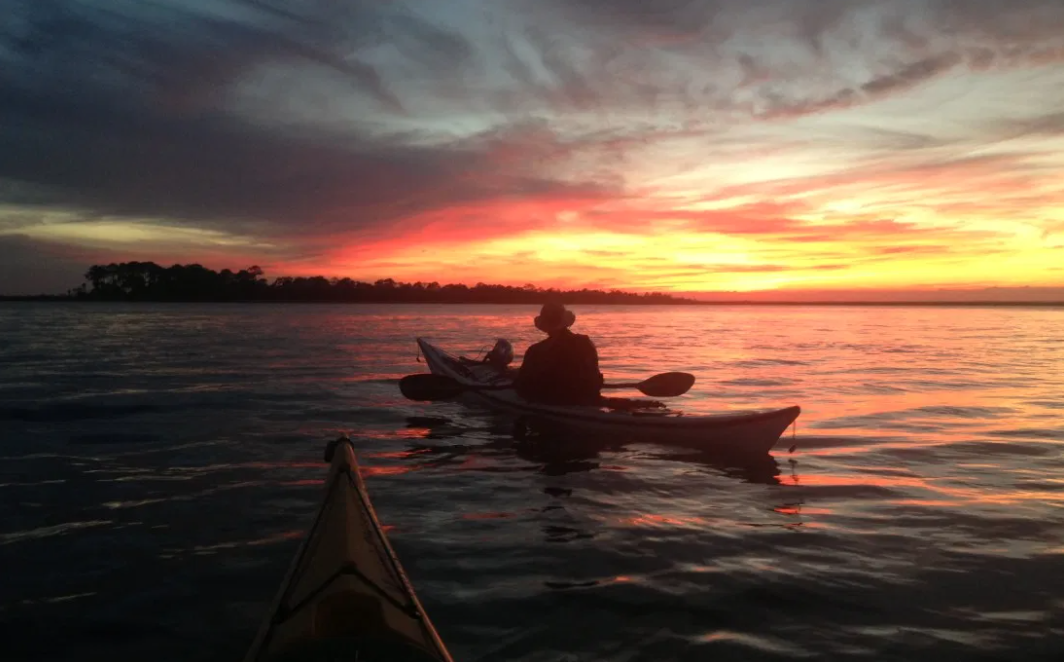
Experience a breathtaking sunset on the lake! Your evening will start with the basics: rules of the water, safety, and paddle strokes. Then you will launch from the beach with your boat lights on. From there, enjoy a relaxing paddle and watch the sun sink into the horizon!

architecture tour
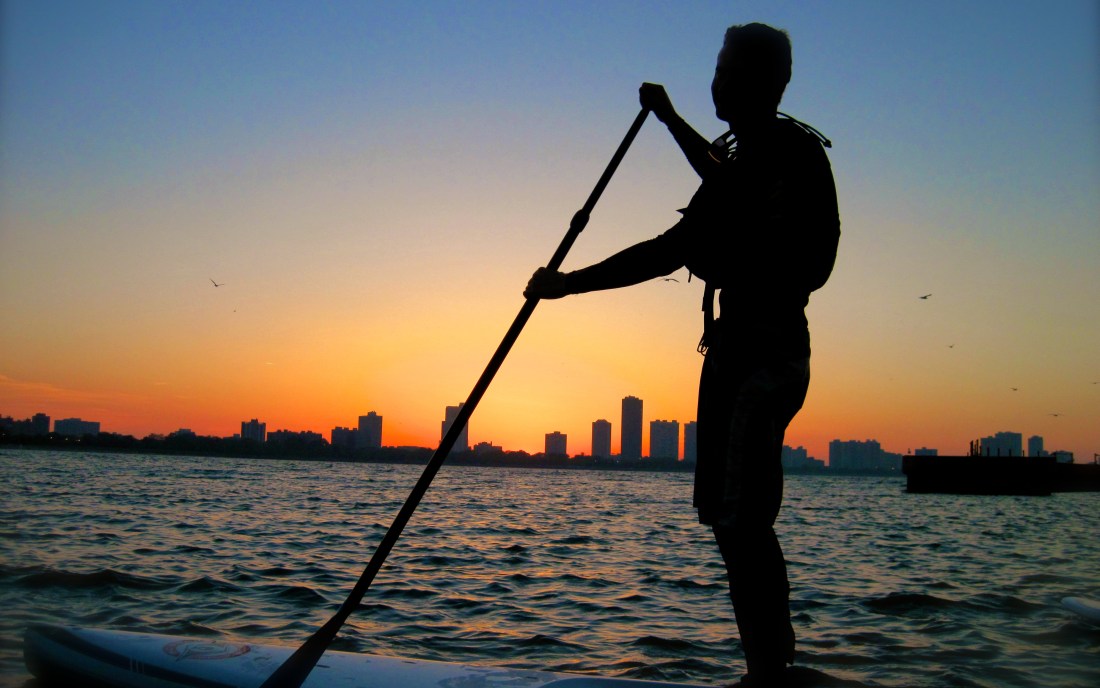
Photo Credit: Chicago SUP Instagram Page

1601 N Lake Shore Dr, Chicago, IL 60614

Advertisement

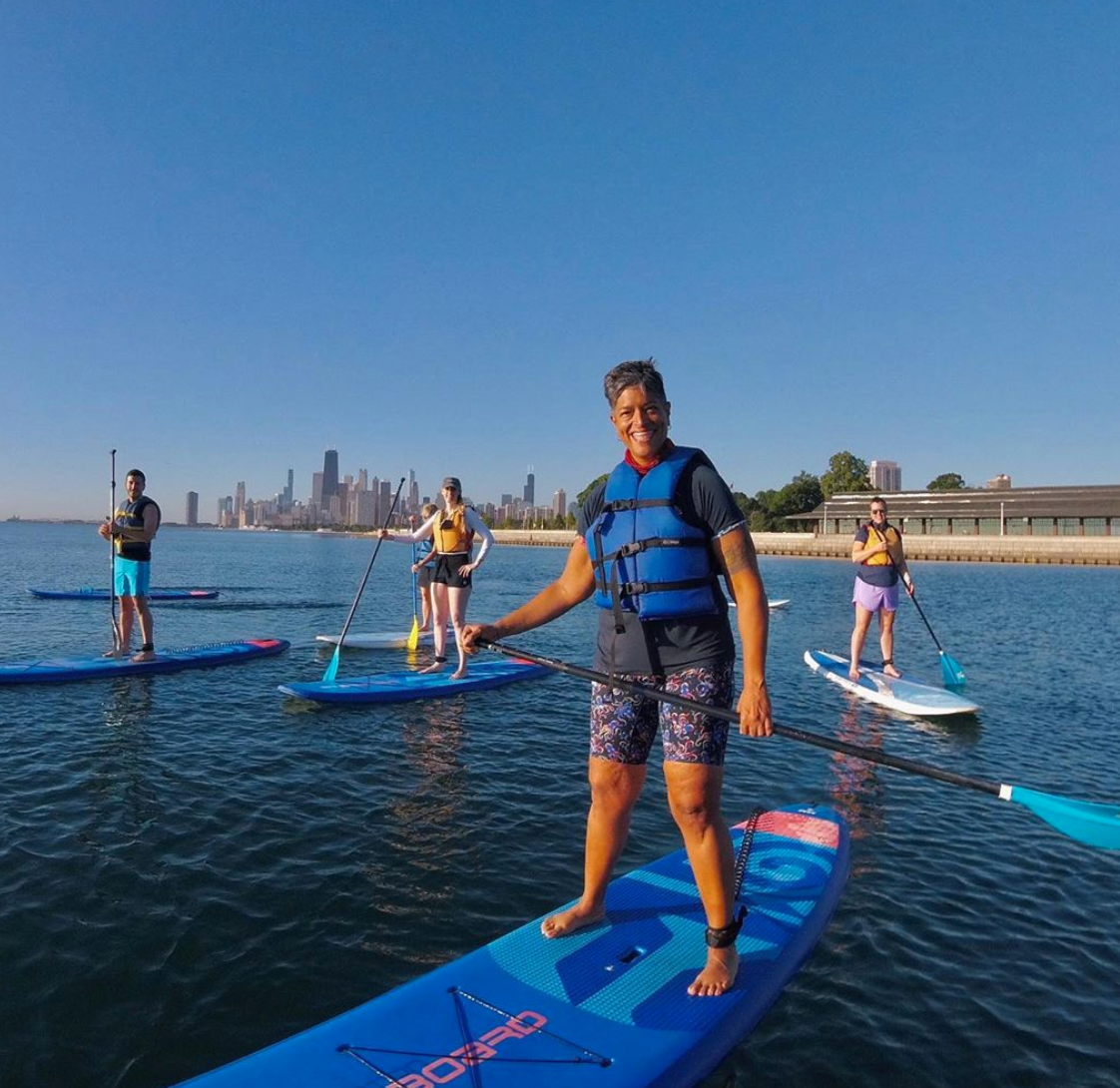
Want to try something different? Check out Chicago’s “Stand Up Paddling.” Their rentals include everything you need for an easy, breezy paddle! Perfect to take in Chicago’s lakefront and skyline, without the need to lug around a heavy board. Also great for expert paddlers visiting the Windy City, or just about anyone searching for fun! Rental prices start at $35 per hour.

Photo Credit: Chicago River Instagram Page

3400 N Rockwell St, Chicago, IL 60618

Advertisement

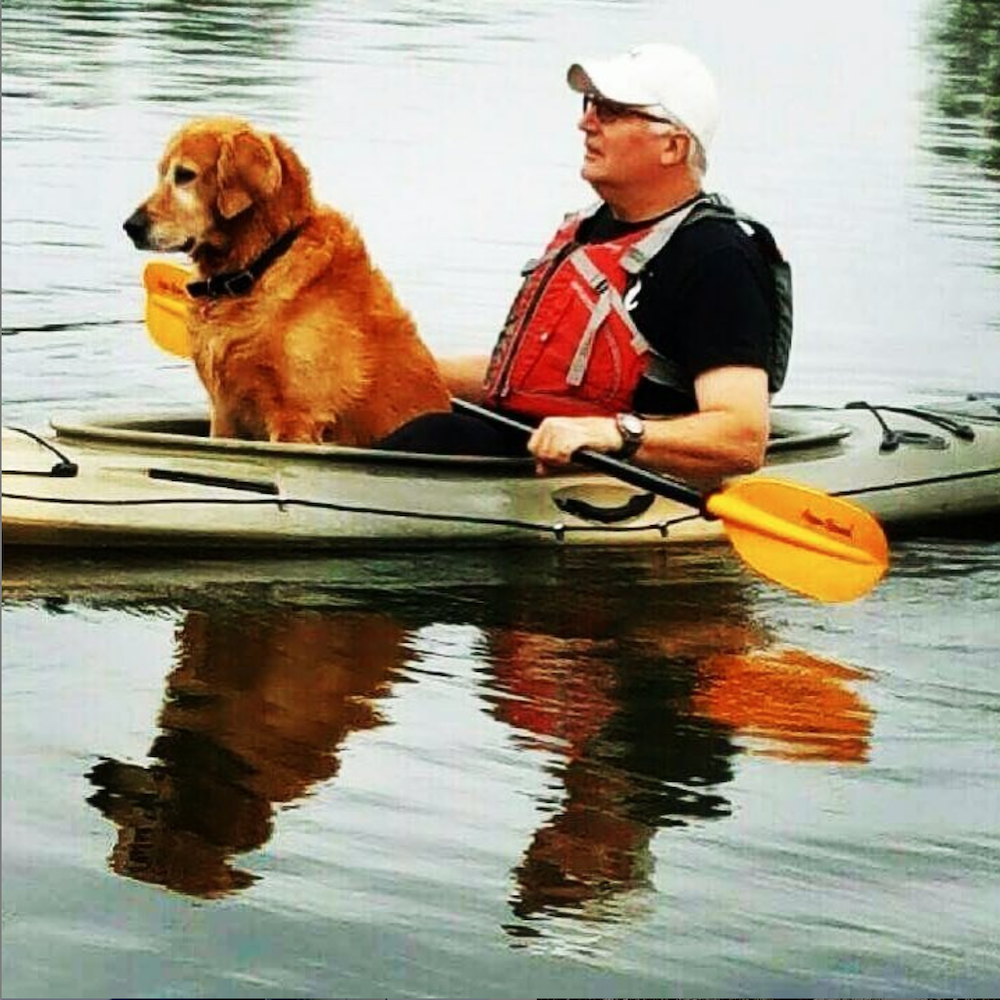
Channel your inner nature-lover! Paddle along the soothing shorelines of Busse Reservoir or take on calming waters of Lake Tampier. Heads up, both locations are a bit of a drive but the destination is worth it. The Busse Reservoir location is open Saturdays and Tuesdays and the Lake Tampier site on Sundays and Wednesdays. Hours are 9 am until 4 pm and the team operates on a first-come, first-served basis. Kayak rentals start at $20 per hour.


Photo Credit: Chicago’s First Lady Floating Rooftop

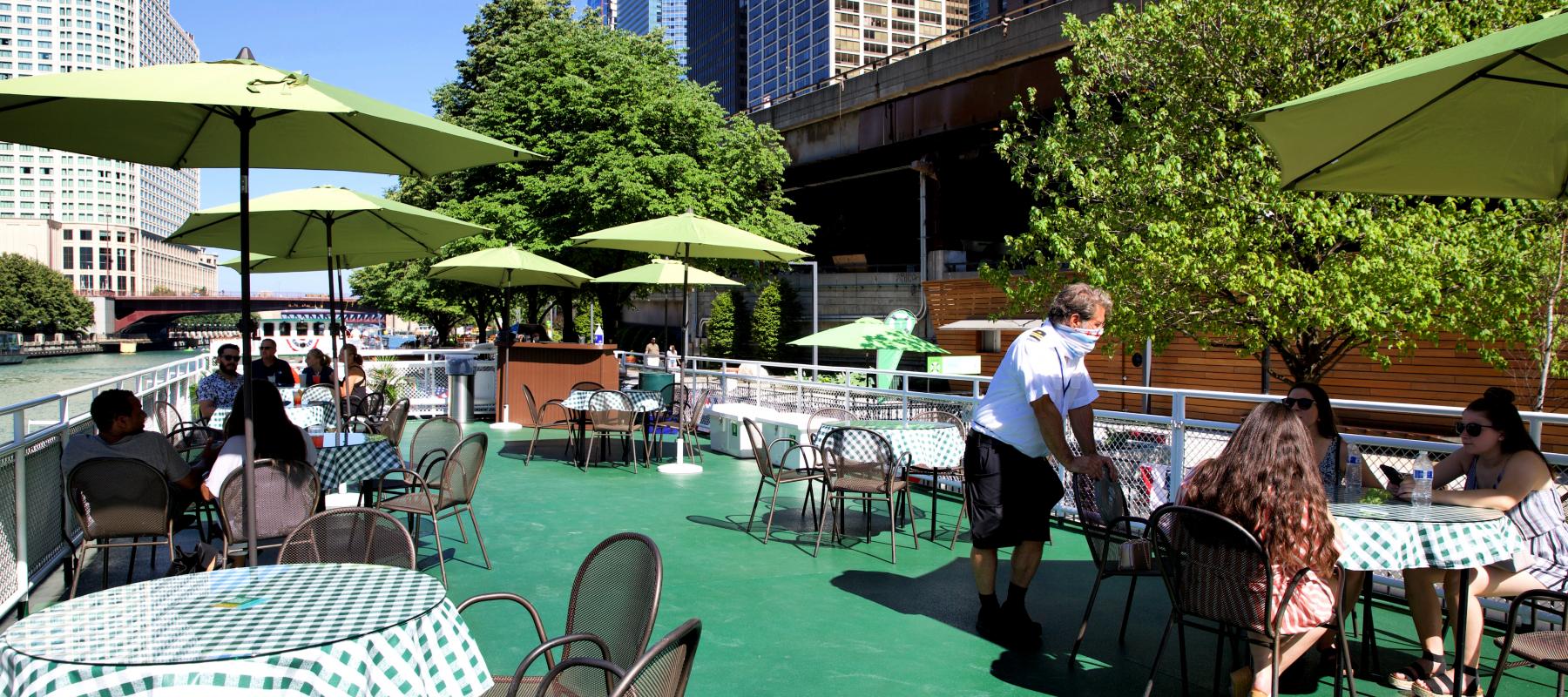
Check Out this Floating Rooftop Bar in Chicago

Can’t get enough of the river? Check out our breakdown of this floating rooftop bar in the city.

Advertisement

Check Out this Floating Rooftop Bar in Chicago


Photo Credit: Scull and Oars Facebook Page

6014 N Mill Dr, Wonder Lake, IL 60097

Enjoy nature at it’s finest, just outside of Chicago. Choose from two different journeys. A 4-hour, 7-mile paddle begins at Keystone landing in Richmond and will take you through Glacial Park. Or opt for a 6-hour, 11-middle paddle that starts at Keystone Landing and winds down Nippersink Creek. Both offer scenic views and plenty of wildlife to observe. Single kayaks start at $55.

At UrbanMatter, U Matter. And we think this matters.

Tell us what you think matters in your neighborhood and what we should write about next in the comments below!

Featured Image Credit: Wateriders Facebook Page

Read More

7 Best Kayak Rentals in ChicagoAlicia Likenon August 6, 2020 at 8:37 pm Read More »

Open House Chicago to Have Outdoor and Online Programming in OctoberNishat Ahmedon August 6, 2020 at 7:36 pm

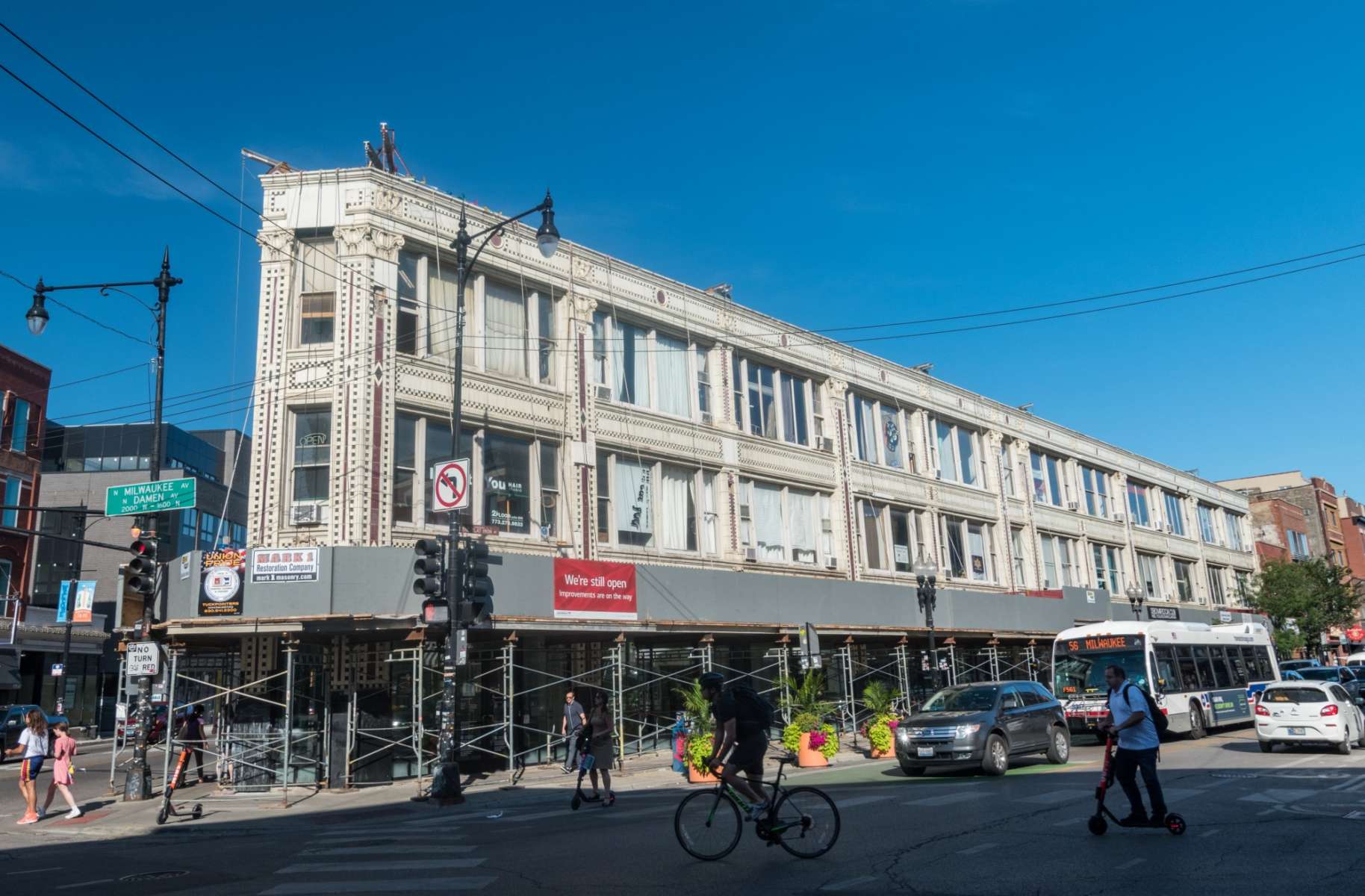
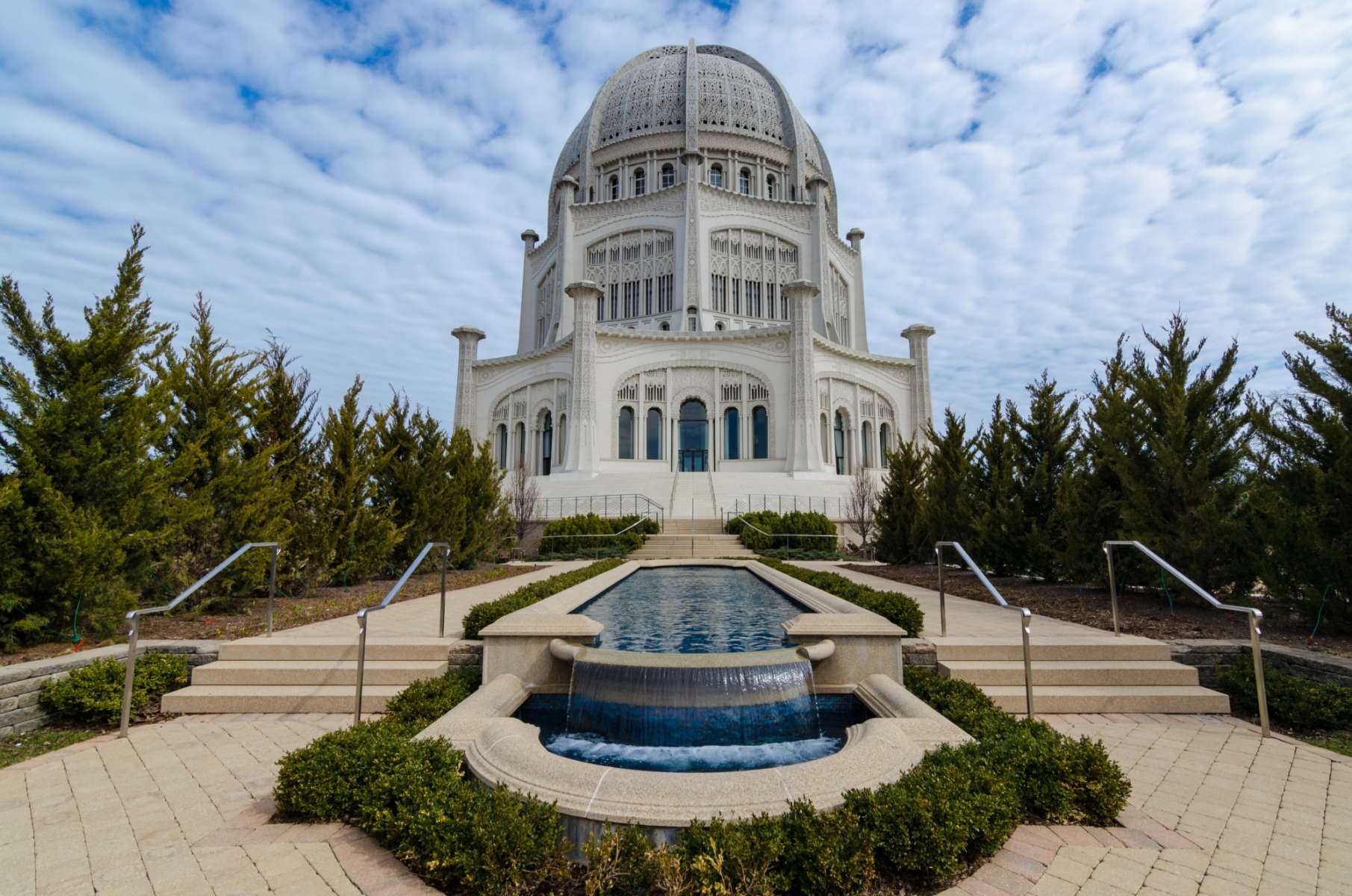
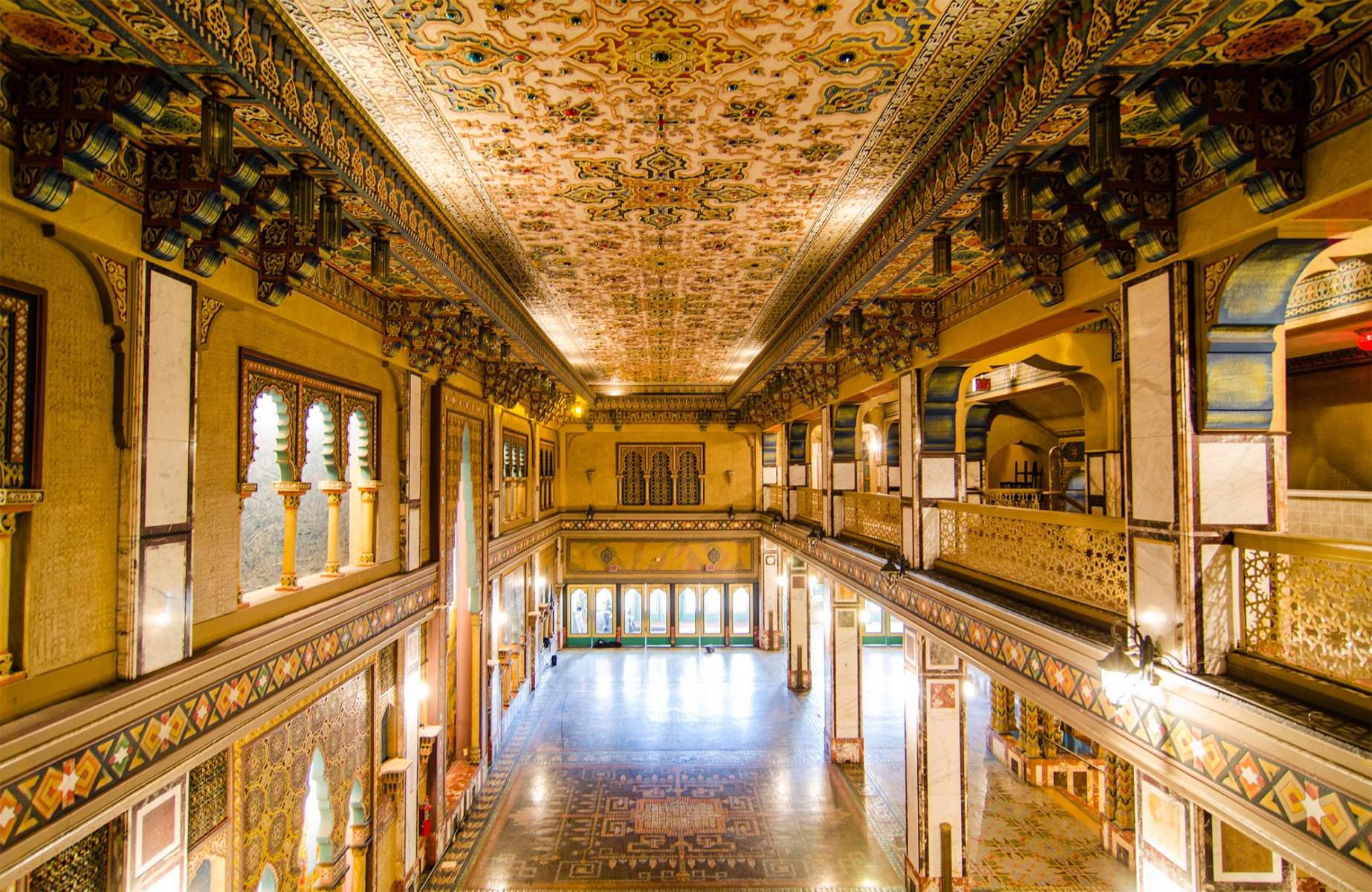
Open House Chicago, put on by the Chicago Architecture Center, is the city’s annual architecture festival. The festival traditionally takes place over an October weekend where festival attendees can explore the most iconic and unique architectural gems of Chicago. This October, Open House Chicago will still bring its festivities with outdoor and online programming to accommodate for the new health and safety guidelines put into place by the city and health officials.

open house chicagoCelebrating its 10th anniversary, the Open House Chicago is the second-most widely attended event of its kind in the whole world. Known as “the city of neighborhoods,” Chicago’s South and West sides are intentionally focused on by Open House Chicago, spotlighting architecturally, culturally, and historically significant buildings and areas.

Advertisement

open house chicago
Photo Credit: Erica Allix Rogers via Open House Chicago

Usually running for only a weekend, this year’s modified Open House Chicago will be extended to 10 days, beginning on October 16th and running through October 25th. The programming for the festival is still under construction, but the largest thing to note is that most (if not all) the buildings featured for the festival will only be accessible in an outdoor capacity. For those wishing they could step inside historic spaces and take in famed views, this news might come as a disappointment, but given all the cancellations that have happened this year, the fact that such an important event is still surviving should (hopefully) come as a relief.

open house chicago
Photo Credit: Erica Allix Rogers via Open House Chicago

Individuals, families, and other small groups can take self-guided tours using the Open House Chicago mobile app and visit over 20 neighborhoods in the city. The app will provide history for these significant areas and buildings and, while no one can enter the buildings, there is still plenty to admire and marvel at from the outside. Yet, for those who absolutely must know about what beauty awaits inside, Open House Chicago will have virtual programming to take viewers inside some buildings inaccessible to the public at this year’s event. For online programming, both free and paid options will be available. If you’d like to attend, make sure you register in advance!

Advertisement


Photo Credit: Beyond Cinema

View the Drive-Ins Coming to Chicago

Looking for some more family fun? View our list of drive0in theaters coming to the city.

View the Drive-Ins Coming to Chicago

Advertisement


With concerns of rising coronavirus case numbers rising across the city and state, Open House Chicago will not be conducting any kind of large group activities/gatherings and, while not mandatory because all in-person programming will be happening outdoors, all attendees are strongly encouraged to wear face masks at all times while maintaining six feet of social distance during their explorations save for the others in their attending group. To keep informed of all safety updates and full programming for Open House Chicago, be sure to check out their website

Advertisement

At UrbanMatter, U Matter. And we think this matters.

Tell us what you think matters in your neighborhood and what we should write about next in the comments below!

Advertisement

Featured Image Credit: Erica Allix Rogers via Open House Chicago

Advertisement


Advertisement

Read More

Open House Chicago to Have Outdoor and Online Programming in OctoberNishat Ahmedon August 6, 2020 at 7:36 pm Read More »

Do not dismiss the power of symbolsHoward Englanderon August 6, 2020 at 1:00 pm

Cheating Death

Do not dismiss the power of symbols

Read More

Do not dismiss the power of symbolsHoward Englanderon August 6, 2020 at 1:00 pm Read More »