What’s New

Spun Out make their case for Chicago indie-pop canonizationLeor Galilon August 20, 2020 at 5:00 pm

Ne-Hi formed in 2013 and subsequently became one of the most revered Chicago indie-rock bands of the decade. The four-piece called it quits in May 2019, but I imagine their reputation will only keep growing–partly because all four members continue to play in remarkable groups. Jason Balla always juggled a few projects while in Ne-Hi, chief among them postpunk trio Dehd, which he’s helped lead since 2016; their recent Flower of Devotion is one of the most celebrated indie albums of 2020. The rest of Ne-Hi–Mikey Wells, James Weir, and Alex Otake–re-emerged last summer as Spun Out, molding a dance-friendly indie pop that draws on 1980s UK postpunk and leaves a lot of room for synth flourishes. Their new debut album, Touch the Sound (Shuga), also bears the influence of the Madchester scene; the exquisite piano melody and hypnotic percussion on “Off the Vine,” for instance, make it sound like a long-lost Screamadelica outtake. But Spun Out transcend mere pop bricolage–they can adapt their fluid style to whatever grabs them. And as you’d expect from a band with this pedigree, the hooks on Touch the Sound are ironclad. v

Read More

Spun Out make their case for Chicago indie-pop canonizationLeor Galilon August 20, 2020 at 5:00 pm Read More »

Remembering Chicago jazz anchor Joe SegalNeil Tesseron August 21, 2020 at 12:30 am

Joe Segal plays on his birthday in April 2011. - MARC POKEMPNER

Joe Segal, my cantankerous friend and inadvertent mentor, died last week on Monday, August 10. He was a champion of creative music for more than 70 years. His once peripatetic Jazz Showcase–firmly settled at Dearborn Station since 2008–drew jazz fans from around the world like moths to a flame, and in 2015 he became only the second nightclub owner to be named an NEA Jazz Master. He was 94; even in a wheelchair, having been in ill health for the past several years, he still showed up at the club once in a while. He was dealt a good hand when it came to long life.

I knew him for a little more than half of those 94 years, and a little better than anyone whose interactions with him stopped at the desk where he took admission. I have more good stories than I can squeeze in here, but rest assured, they’re available on request.

In 1972, the first summer I spent in Chicago after my junior year at Northwestern, I showed up at a joint called the Brown Shoe, on Wells Street in Old Town, where Joe was temporarily ensconced. I introduced myself as a college disc jockey from WNUR and told him that each week I played the artists appearing at his shows, and that for this reason he should let me in for free. (At the time I had no idea of Joe’s–well, let’s call it his “reputation for thrift.”) Either he really did arch an eyebrow, or else that’s just the image I’ve constructed in my memory, but for reasons I still don’t understand–his amusement at youthful chutzpah, perhaps?–he waved me in. And that summer, one or two or sometimes even three times each week, I got to see musicians I had only read about in reviews or on the backs of LPs. Those three months constituted a priceless course in contemporary jazz history, which would lead me to graduate studies at the College of Joe for the next half century.

Many of the postings that have followed Joe’s passing start out with a similar story: a longtime fan or recent convert recalls the many great shows they attended at the various locales of Segal’s Jazz Showcase–in the North Park Hotel, or below the old Happy Medium on Rush Street, or in the lobby lounge at the Blackstone Hotel (the one with the Wedgwood decor). Some folks even reach all the way back to some of the other 50-odd venues (by Joe’s estimate) where he presented jazz in his earlier years. For a while he even had two full-time clubs running at once, when he opened Joe’s Be-Bop Cafe & Jazz Emporium on Navy Pier, focusing on Chicago musicians but serving New Orleans-style food in a nod to jazz’s birthplace. This gave Joe the opportunity to treat his Jazz Showcase headliners to dinner between their afternoon and evening shows.

His impact on the Chicago entertainment scene is nearly incalculable. Even when such high-end jazz clubs as the London House and Mr. Kelly’s ruled the city’s nightclub scene–booking the likes of Basie and Ellington, Oscar Peterson and Sarah Vaughan–Joe made sure to bring in equally important artists less well-known to the general public: Dexter Gordon, Claudio Roditi, Eddie Harris, the Thad Jones-Mel Lewis Orchestra (direct from their famous Monday-night blasts at New York’s Village Vanguard). These were the sort of artists still striving each night, the true inheritors of the jazz flame: the musicians referred to over and over by the fans paying homage to Joe online. They returned to play the Showcase regularly, and during the lean years for jazz, the Showcase ensured the steady appearance of such major stars in what coastal booking agents wrote off as “flyover country.” Chicago didn’t lack for homegrown talent, but Joe kept us supplied with the music’s larger history.

Some Facebookers took the opportunity to release their pent-up complaints about the artists he booked, and especially the artists he refused to book, or about the times he was rude to them at the door, or about his lengthy preshow announcements, during which he would reel off the schedule for the next three to six months mixed with highly opinionated comments on music, politics, and the Cubs. Joe had grown up listening to “Symphony Sid” Torin–a 1940s radio host who used the editorial “we” when talking about himself on the air–and he also referred to himself in the plural, a quirk that I found cooler even as it grew increasingly outdated.

He could be gruffly dismissive, and dour even in a good mood: I soon realized that the music (and to a lesser extent baseball) served as his haven as well as his raison d’etre. He could be delightfully silly, trading on his genuinely sharp wit, a well-earned cynicism, and the hipster humor of the 1950s, laced with puns and wordplay and obscure references worth the effort to look up. He was as stubborn as the day is long about things that changed but not for the better. When he and I both traveled on a tour of Italian jazz festivals in the late 90s, I learned that he enjoyed New York Times crossword puzzles; I think he even did them in ink. But when the answers began to feature such previously taboo items as proper names and abbreviations, he threatened to ditch them entirely.

I eventually came to think of Joe as a sort of distant uncle, maybe two or three times removed, whom I greatly respected, genuinely liked, and fully accepted as complicated and controversial. He often treated the club like his living room, hiring artists he liked (personally) and idolized (musically), even if their name value had faded–and then railed at the fact that the crowds for his favorites were small. It didn’t make a lot of business sense, but more than once I caught myself admiring the quixotic nature of his pursuit.

Joe Segal in July 2014 - MARC POKEMPNER

As an unrepentant bebopper, having heard the siren call of Charlie Parker and Dizzy Gillespie while still in his 20s, he loudly and often proclaimed bop “the music of the future,” even into this century. He honed a jazz-world notoriety for heaping contempt on many subsequent jazz genres, and especially pop music from the Beatles on, but not without humor: he billed his Sunday matinees, which welcomed those under 18, as his “Save the Children” campaign, inviting parents to bring their kids to “hear the music of Milt Jackson rather than Michael Jackson.” When he eventually did bring in some postfusion guitarist or contemporary keyboardist who filled the room with younger listeners, he might castigate his new audience for not having come to see the previous week’s 72-year-old headliner (of whom they’d never heard). He complained about overamplification, and wondered why every band couldn’t play acoustically at his club–as did the Phil Woods Quintet, which had made it their trademark to perform without microphones. When I suggested that few other jazz groups did this regularly, and thus could hardly be expected to instantly find the onstage balance it required, Joe shut down the conversation with a flick of the wrist. He knew how it ought to sound, and that was that.

As one longtime Chicago trumpeter and Segal pal said to me this week, with a hearty guffaw: “Well, Joe was Joe! What else can you say?”

We had our fights. In the early years of the Chicago Jazz Festival–for which Joe initially served as stage manager–he argued that free music in the park was decimating his business (though he reserved his greatest displeasure for the “Waste of Chicago,” as he called the annual summer food fight in Grant Park). But to his credit, he then adapted to this immovable object by turning his club into a go-to destination for postfest jam sessions: he actively courted festival performers to participate, and for years he packed the Jazz Showcase that entire week. Once, after I’d written a somewhat negative Sun-Times review about that week’s headliner, Joe upbraided me, saying I should’ve simply written about something else (not my call, not on an overnight deadline) and then “reminded” me that if he went out of business, I’d have nothing to write about. But by then I had already started to think of him as family, in a way, which made it a lot easier to take in stride.

And as time wore on, it dawned on me that Joe’s perseverance had worn down plenty of others as well. Artists whom he had rejected or disrespected in the past came to appreciate what he had built and maintained over the years, and welcomed the chance to eventually play at the storied Jazz Showcase. In the 1990s, decades after Gary Burton had formed one of the first jazz-rock fusion bands–helping launch a genre that Joe openly and frequently derided–the vibraphonist made his first appearance at the club. Gary is one of my oldest friends in music, so I felt comfortable expressing my surprise that he would come to an agreement with Joe. But Gary explained: I have a lot of respect for guys like Joe (or words to that effect). These are the guys who have kept things going when times were tough. He’s one of the good guys.

Joe sometimes made that hard to remember, but he really was. In fact, the very qualities that made some people bristle were the ones that allowed him to build and maintain the Jazz Showcase nameplate as an unquestioned Chicago institution–not only among musicians and listeners, but also among the many other owners of jazz and blues and rock clubs who considered him a pioneer and a survivor.

So as he tended to his jazz shrine–with the increasingly valuable help of his son Wayne, who will now keep the Jazz Showcase going–did his single-minded devotion spill into a brusque reply to a customer looking for small talk? Did his hardheaded intransigence about whom to book translate into a rock-solid commitment that allowed him to bounce back, again and again, when the space he’d been renting closed him down? Of course; two sides of the same coin. In the words of Tom Waits (the sort of jazz-adjacent artist Joe would probably never have booked), “If I exorcise my devils / Well my angels may leave too.”

Joe was Joe. v

Read More

Remembering Chicago jazz anchor Joe SegalNeil Tesseron August 21, 2020 at 12:30 am Read More »

Give your money to Mary LaneKatie Prouton August 20, 2020 at 8:45 pm

Mary Lane in the 2018 documentary I Can Only Be Mary Lane - COURTESY JESSECA YNEZ SIMMONS

This story was originally published by Belt Magazine on June 26, 2020.

I was looking for Mary Lane because I owed her 20 dollars: ten for the CD, and another ten to apologize for the year it took me to get the first ten to her.

It started one winter night in 2015, at Rosa’s Lounge in Chicago. I was there on accident; came for a storytelling show, stayed for the whiskeys, and danced for Mary, whom I’d never before heard sing, and her husband, Jeff Lebon, whom I’d never before heard play. Mary came down off the stage and began working the crowd, limping slightly. She shouted flirty, dirty things back and forth with the men, hugged the women, and reminded both that she had a CD for sale. Later, after the show, Mary sat at a table with Jeff, drinking water and counting her cash. I went over and told her how much I’d liked her voice. “Thank you, baby,” she said, “but why don’t you buy my CD?” She pressed a copy of Appointment With the Blues into my hands, even after I told her I had no cash. It was a quick decision on her part, and I saw it go down on her face: the smile while I gushed, the drop of that smile when I asked if she took card, the bare exhaustion beneath her bones and skin. Then she looked at me and turned her light back on.

When I woke up the next morning and remembered her face, I felt bad. Work is done for pay, and Mary had worked. “Lemme get closer to you,” she’d said the night before, and then she had. The band was good and her voice was great, but it was the sharp heat of Mary herself–getting right down and dirty with the crowd, calling us baby, calling us other names too and laughing, asking if we wanted it and how bad, talking just enough shit about her band to make them play harder, faster, just because they loved her so–that compelled me up and out of my seat. “I said, do you want me to tell you all about it?” Mary asked, holding the microphone to her face like a bouquet of roses, peering out into the dark of the bar with a slight lift in her mouth and eyes as the crowd hooted and whistled and stomped and gave her the answer she already knew. “Tell us, Mary!” a woman to my right begged. And so, for the next two hours, she did.

I could not stop thinking about that moment when she gave me her album for free: the hesitation, the take-it-anyway vibe, and then her request. “Just tell your friends about me,” she’d said. I promised her I would, and when I scrolled through my texts, I could see that, on my bus ride home, I had. Hungover at work, I googled her, hoping to find a way to pay online, but I was more surprised by what I didn’t find than what I did. A Chicago Tribune article from 1997 popped up, as did a Facebook page for Mary Lane & the No Static Blues Band. But there was no website, no e-mail, no other way to track her down.

On my lunch break, I called Rosa’s, and when the manager, Tony Mangiullo, picked up, I could hear his frown through the phone. “You want to leave cash for Mary Lane?” he asked.

“Like, in an envelope,” I said.

It wouldn’t work, Tony said. He’d been manager since 1984. Mary was too unreliable, too hard to pin down, tough even to book. “I don’t know when she’ll be back next,” he said. She was “like the wind,” blowing in and blowing out. And no, he didn’t have a number or an address. He wished he could help me. He sounded sincere. I made him take down my number anyway, just in case she did come through.

“But let me tell you something,” Tony said. “She should be famous.” If she wasn’t so unreliable, he said, she would be.

For the next five years, I’d hear this over and over from every man of any race I talked to about Mary–that she should be famous, that she was one of the greats, and that the reason she wasn’t better known outside of Chicago was because she was difficult, ornery, domineering, paranoid, impatient, afraid of flying, afraid of trains, afraid of travel, and generally getting in her own way. They’d lay out examples, almost as many examples as there are men in her orbit: club owners and bouncers, harp players and drummers, Grammy-winning producers and blues magazine writers, band members.

A year later, I took a bus back to Chicago from Iowa, where I had moved for grad school, to find Mary and pay what I owed, plus interest. Her band aligned behind her in the shape of a C, Mary moved on and off the stage, a little older, a little more tired than I remembered. During a break in the show, I gave her the money and she gave me another thing free. This time it was a shirt, fire truck red. On the front, in black letters:

The No Static Blues Band

On the back, in the same:

Mary Lane

Ain’t No Man Telling Me What to Do

This is the part of the story of Mary Lane that gets mentioned most often in the write-ups that have peppered Chicago papers over the last few decades she’s been singing: how she knew or knows Junior Wells, Howlin’ Wolf, Buddy Guy, Otis Rush, and other near-mythic Chicago bluesmen. Mary is from the Arkansas Delta. Before Howlin’ Wolf made his 1952 move up to Chicago, he sang every week for years at the White Swan in Brinkley, Arkansas, where Mary’s uncle worked. Eventually, her uncle asked if Wolf wouldn’t mind giving his niece a listen. Or maybe Wolf had heard her before, one slow afternoon when he came by for a beer and passed Mary out front, singing for money, something she learned to do before she learned to read. No one now remembers exactly how the beginning began, but soon, while Wolf sat back and wailed on his harp, Mary Lane went up onstage to sing. She wasn’t yet 13 years old.

This is the part of the story that goes Discovery and Authenticity, then Hardship, then Grit and Survival. If you get all five in, you’ve got a Blues Article Bingo. At 16, Mary sang while Robert Nighthawk played slide guitar at her side. She followed Howlin’ Wolf up from Arkansas, during the second wave of the Great Migration, before she was 20. She landed in Waukegan, then Chicago, living and singing in the Blackest parts of the city’s south and west sides. She had eight kids. She sang with Elmore James just before he died. She sang with James Cotton. She tended bar at the legendary Theresa’s, under the table, while a young Buddy Guy played guitar and Theresa herself reportedly kept a gun in the fur she sometimes wore to work. She is repeatedly, proudly described as “a staple” who has worked so hard and has nearly made it so many times. Always, this litany of men’s names, of men who became famous after their deaths, a lucky few famous in their lives, provided as the backstory to her backstory, proof of her Authenticity, her Grit. Except for Buddy Guy, Mary’s outlived them all.

Writing about, and appreciation of, blues music–especially, I think, when it is written about and appreciated by white people, and when the singer or musician is Black–praises suffering. The writer/reader/listener wants details of the pain as proof of the “realness” of the blues, but they also want to know that the artist is OK, at least OK enough for them to read or listen without discomfort or guilt.

There is a format to these stories, as standard as the blues song itself. Popularly, the blues are sung in three-line stanzas. In the first line, you mean it; in the second line, which is roughly the same as the first, you really mean it, and throw your voice a certain way to open up new understanding to the listener’s ears. In the third line, you bring it home. Like so:

Bad luck and trouble, they run hand in hand

I say bad luck and and trouble, they run hand in hand

You got to treat me right, if you wanna be my man

Many of the stories that have been written about Mary over the years, the stories I’ve been able to find in the Harold Washington Blues Archives, have this arc–they tell about the blues artist’s pain in the first third, repeat that pain in the second. The final third is the twist, where the theme is survival, and words like “perseverance” are used. For example, write-ups on Mary mention her picking cotton, a signifier of pain and a particular kind of southern Blackness, without going into the suffering, or without asking if she did suffer. It’s uncomfortable to wrestle with the real pain that, like bad luck and trouble, comes hand in hand with the pleasure blues artists provide. White listeners want enough pain to prove it’s real, but not enough to implicate us.

I’m not trying to shit all over other writers or lovers of the blues, or claim that, in this sentence, I am doing the writing and appreciating right. I started writing this essay four years ago and have more than 40,000 words in various files with various names, all dormant. I’ve pitched this story, had it accepted, and let that acceptance die, because the version I pitched followed the format I’ve described above, and it didn’t feel true or fair to the Mary I know. Writing the truer version would be harder, and scarier, and would require me to engage with Mary in all her complexity and pain, by which I mean it would require me to practice a kind of love, and I wasn’t sure if I was strong enough to do it. But last year, I moved back to Chicago and thought of Mary every time I saw her shirt folded in my drawer, as tucked away as a secret, as red as a fire truck wailing an alarm. I wanted to be braver for her. I needed to try again.

I tried again because of guilt and love, death and money, the stuff of the blues itself. I also tried because, years after hearing Tony say “she should be famous,” I still had questions to answer about that, and as it turned out, when we did speak again, so did Mary. “I can’t live on my name,” she told me. “I’m Mary, I’m good at this, I did that, but I got to eat.” What is the profession of ongoing love from a community worth if it doesn’t come with ongoing money?

A few months ago, Mary and Jeff’s old mattress finally busted. Now, he sleeps on the couch in their humid apartment, and she sleeps in a recliner. And so the question that needs asking, amid all the accolades, is this: What is appreciation worth if it doesn’t come with cash? Why, at 84, can a musician who is universally admired, who has been called the “real deal” and “the voice of experience,” not afford to buy a new bed?


Readers are encouraged to donate to Mary Lane via this GoFundMe organized by her friend Lisa Burris Arthur, wife of blues musician Michael Bloom, who’s played with Mary and her band.


Since I came back to Chicago to find Mary, four years ago, I’ve spent a lot of time with her. I started by helping her hawk CDs for money and explaining to white women my age and demographic that no, Mary’s music doesn’t come on vinyl, and no, the shirt doesn’t come in small. Sometimes I slept over on the couch at Mary and Jeff’s overheated Melrose Park apartment. The first time I did that, she told me a little bit about her childhood in Arkansas, a place she’s only been back to three times since moving north more than 60 years ago.

On summer mornings, back then, Mary woke up slow. Before opening her eyes, she’d stretch her child limbs across the side of the bed recently vacated by her sister, Mary Helen. Across the room, Mary Helen might be up and at the stove, eating the biscuits their father left for them, made each morning when it was still dark. The kids knew the rule: they were to stay in the house and play with each other “till the dew dropped off the cotton and the train that run from Elaine to Helena came by and blows.” That was their signal: once the whistle sounded and the dew was dry, Mary, Mary Helen, and their brother, Charlie Jr., headed out to join their father, Charlie Sr., in the field to pick. It was the early 1940s in the Deep South, and, from what I understand, the family worked together for a sharecropper. Over the years, it’s possible the kids were joined by any of Mary’s other siblings, of which there were eventually 20 in total.

“[Charlie Sr.] was a great father,” she said to me one summer day in 2016. I was painting her toenails before a show. Her right ankle–broken in 1985 and never set right due to Mary’s phobia of hospitals–tends to swell, making her foot hard to reach. “He used to sing all the time. And he was funny, because every time it would start stormin’, he would put his boots on, overcoat and everything, and he would go out and sit on the porch. And when there was a high wind blowing, he’d be still out there, holdin’ onto the pole. . . . He would sit out on that porch and sing gospel.”

Following the 2019 release of Mary’s second album, Travelin’ Woman, more than 20 years after Appointment With the Blues, NPR wrote: “Lane remembers her earliest days performing in Arkansas, where she would sing for the workers in the cotton fields. ‘I used to go to the field and all the people were out there picking cotton and everything. I’d always be behind. I’d be back there just singing and everybody say, ‘Come and sing, Mary. Go on and sing.’ And I kept on doing it for years and years as I came up.”

Mary is a professional singer, a businesswoman. She knows what stories sell, what lines of her life people want to hear. She also knows that sometimes, it doesn’t matter what she says–people will hear what they want to regardless, taking what they find inspirational or appealing and leaving the rest.

Besides stories about her dad, Mary rarely shares specific details with me about what her life was like growing up sharecropping in the Arkansas Delta. Even questions I think are banal are met with a kind of rebuke. “What did it look like?” Mary said to me, incredulous, the first time I asked her to describe the house she grew up in. “It looked like a house. Sittin’ on the ground.” Later, when I ask her to describe the land she’s from and farmed: “You always asking what it look like, what it feel like. It was the country; wasn’t nothin’ there.”

Maybe she isn’t used to being asked how she feels, maybe she finds the questions boring, maybe the world taught her a long time ago to put her feelings somewhere deep inside of herself, where no one, especially not a nosy white writer, can reach. As a writer, it’s my responsibility to walk an uneven line between minding my business and asking questions that allow Mary to make herself a little more known, if she wants. For example: Cotton harvest in Arkansas continues through at least late fall. If Mary Lane was singing, or picking, in the field, how did she go to school?

The three times Mary’s been back to Arkansas: to bury her mother, Ada; to bury one of her brothers; and, in autumn of 2019, to sing at the King Biscuit Blues Festival in promotion of Travelin’ Woman. Mary is terrified of flying and was reluctant to go in the first place, so she, her manager Lynn Orman, and the rest of the No Static Blues Band rented a van and made the trip from Chicago in a day. When Charlie Sr. died years back, Mary–grief-stricken, sick, and broke–decided not to make the trip back for his funeral. “Up here,” Mary told me, “I never say yassir or nossir to no white person or nobody. See, when I was down there, you had to do that. It’s a big difference. It’s like I say: I don’t wanna go back down there.”

That’s what singing “for the workers in the cotton fields” means. There’s the version that offers Grit and Authenticity for a white audience, and then there’s the story of a child working so much in a cotton field in the Jim Crow south that she never did have the chance to finish elementary school. That’s a little harder to comfortably bear.

One night in 2017, I was in Chicago, at Buddy Guy’s club Legends, watching Mary sing, when Buddy himself showed up. He joined Mary onstage; this wasn’t long after his seventh Grammy, so more tourists were in on a Tuesday than usual. Within seconds, iPhones shot up. “No recordings!” shouted a bouncer. Mary was grinning so hard I worried the top of her head was going to fall off. Buddy put his arm around her and, after a brief, profanity-laden banter, the two began to sing, tossing verses back and forth as lightly as silk scarves. Buddy was tall and comfortably, perfectly dressed.

Halfway through, Buddy held up his hand and pointed to the tip jar. The band went quiet. Buddy turned to Mary. “Mary,” he said conversationally, “What does that look like to you?” Mary squinted into the jar, where a few bills floated, and then looked away as though she had just witnessed someone doing something rude and probably unsanitary. “It don’t look like shit to me,” she said, and shrugged. The crowd, pressed close to the stage now, giggled nervously.

“Well,” said Buddy, as he slowly opened his wallet and pulled out some green. “Ain’t that a motherfucking shame.” The crowd collectively looked at its hands. “People these days don’t have the decency”–and here, his voice grew louder–“to pay”–the bill dropped into the bucket–“a hardworking artist. But they’re happy to take.” With each emphasis, the crowd squirmed. Then, a rush: folks pressed forward, and money came out. Later, after the show, I asked Mary how she was doing. She sighed. “It just feels good,” she said, “to have some bills in my hands.”

After my second visit, in 2016, Mary called and asked if I’d be visiting her for Mother’s Day, though, she said, she’d “understand” if I was going to spend time with my own mom. I could do neither, seeing as I was a broke grad student in a different state than either woman, but our calls continued, and the visits when I could. One hot night, we watched movies in her bed in front of a fan as she dozed. One day, I ran across the street to buy her lotto tickets and helped her fill them out via a complicated system of numbers she keeps written out on cardboard scraps. “When you find somebody, I want you to find somebody with some money, ’cause you can starve by your goddamn self,” she said to me. It’s one of her favorite bantering lines to sing out from the stage, because it always brings in a laugh–and with that laugh, tips.

"I can't live on my name," says Mary Lane. "I'm Mary, I'm good at this, I did that, but I got to eat." - COURTESY JESSECA YNEZ SIMMONS

I watched her sell her food assistance card for cash. I bought her groceries. She hates most of the food I like, but I like all the food she does, so it worked out. She wouldn’t let me cook, but she would let me do the dishes. We mopped the floor. I held her hand while we walked down her apartment stairs. Her eyes aren’t great, so when her son Elvis sent her letters from prison, I read them to her. She dictated her replies to me, and I mailed them. She asked me about my mom, my dad, my brothers and my sister. She asked me to describe our yard. “I’d like to visit them sometime,” she said. Another time, looking up at me sideways as she set food on the table: “Do your parents know you have a Black friend?”

We talked about sex and love. I asked her about having her first child at 13. The father was 26, 27. “He was an asshole,” she started, then stopped. Sometimes, Mary told me never to have kids if I could help it. Other times, my phone rang and it was one of her daughters on the phone, introducing herself to me, Mary shouting in the background with pride.

Jeff has been with Mary since the early 90s. They met at a show where he was playing bass and she was looking fine. “I love that woman,” Jeff said to me. “We fight, we argue, but I have never hit her and I’d walk out before I ever would. That’s not what love is.” Besides “that woman,” I only ever heard Jeff call Mary by her first and last name both: “Mary Lane, ain’t you doing an interview?” “Mary Lane, ain’t these your earrings?” I asked him why, and he winked. “That’s what they do when you’re famous.”

Mary Lane rarely drinks, except for a single shot of whiskey sometimes, before a show if her throat is sore, but she gave me tallboys before I asked. Also beads, signs printed with prayers, statues of angels. Her favorite words are “motherfucker,” “money,” and “I don’t need that pressure.” She believes in God but doesn’t go to church. She still dreams about Ada, her mom, especially when it storms–and when it storms, even now, she lays shaking on her floor until it passes. She talks about what she calls her “nervous,” about getting so “jitterous” that she can’t sleep, can’t breathe. I asked her once if she’d ever been diagnosed with anxiety, depression, PTSD. “No,” she said.

It was probably after my second visit that we started ending our phone calls with “I love you,” though I don’t remember who said it first. It was around the same time she started asking to borrow money until she got paid after a show. The first time or two, she paid me back, insisted on it. After that, if I had it, I gave it; if I didn’t, I couldn’t. It didn’t feel good. Each time she asked, there was such pain and urgency in her voice that my heart jumped; each time I couldn’t pay, I felt guilty, and her disappointment dropped into me like a stone.

She talked a lot about her death, about how it was coming, soon, she just didn’t know when and that terrified her. Sometimes when she called me and asked to borrow money, she was crying. Sometimes she said I didn’t love her. Sometimes she said no one did, that the whole world had screwed her round, and proceeded into such a fiery litany of accusations against everyone she knows that I grew to dread her calls, feeling like I already had mother figures in my life I disappointed, like all I wanted to do was write about a woman I admire whose music I like. It’s too hard to witness her pain, sorrow, fear, and rage, or to know what I’m responsible for. Our boundaries are all tangled. She told me she hoped that, when this story finally got published, I could split the check with her. I didn’t think she was wrong, but I need money too. It was too hard to parse what I felt, so I started to shrink.

Our calls got fewer as the years passed, and our visits. She stopped calling me, though later she’d say I stopped calling her. When I did call, every few months, she yelled, “Oh my God, I thought you forgot all about me! You ain’t gone and got married or anything, did you?” and ended every call with how she might die before I see her again, but if that’s that, that’s that. One time, I couldn’t take it anymore. “For fuck’s sake, Mary,” I said, “stop threatening to die! I hate it!” There was silence, then her laugh, amber and low, started up. For a little bit, it felt like it used to.

In the fall of 2018, she told me about recording her new album, due out early the next year. She was happy but worried, and concerned that everyone else who was part of the album’s production was already making money on it and hiding it from her. (Later, I interviewed the team, and they showed me numbers that demonstrated losses in the record production.) Money from a GoFundMe for the album’s production went to costs associated with the production, not to Mary, and even though that had been the plan all along, she felt betrayed. “I’m still broke,” she said, “trying to make it day to day.” And then: “It’s been a long time since I heard from you. I was starting to think you’d forgot me.”

It would be a year and a half before we spoke again.

One day, during a rainy fall visit, I asked Mary where she got her ideas for her songs. Mary shrugged. “From my own mind,” she said. “Things that have happened.”

Mary’s first songs were recorded in Chicago in the early 60s. After that, there was a near 30-year gap. When I asked one Chicago blues historian why he thought Mary wasn’t more well-known, more successful, he pointed to this gap with a shrug in his voice. It wasn’t like she was out there recording music all the time, performing much, he told me. This was at odds with Mary’s own recollection of hustling and playing in the late 70s and early 80s, even with the time she took off to raise her eight children. When I pointed this out to the historian, he shrugged. Well, I never saw her, he said. She recorded with Morris and disappeared.

Morris Pejoe originally hailed from Louisiana, and brought some of that brassy Cajun sound with him: you can hear it on his recordings with Cobra Records, a short-lived but influential label run out of Chicago’s west side from 1956 to 1959, and Chess Records. Morris never featured with Chess, but is credited with guitar on a number of tracks to come out of its recording studio on South Michigan Avenue; he recorded more regularly with Checker, a Chess subsidiary. In the early 60s, Mary and Morris recorded two jump tunes together, “He Don’t Want My Loving No More” and “I Always Want You Near.” On the tracks, Mary’s voice shocks me. She sounds so young.

I didn’t hear about those tracks, or about Morris, until one afternoon when she mentioned his name in passing. Tell me about Morris, I said. “He was jealous, Morris, he was so jealous, girl, I couldn’t talk to nobody, not even women.” For the next few minutes, I listened in silence as she spoke.

“He used to jump on me all the time, he the one who used to keep my face all swolled up, black-eyed and everything. I couldn’t go to the club; if I go to the club and go to the bathroom, he be sending somebody to the door, knocking on the door, telling me to come out, and anybody who say anything to me, when he come down off the stage? He be ready to fight. And the kids? He had the kids so afraid and everything, ’cause when we go out and when we come to the house and knock on the door at night, they all start running to the closet, runnin’ up under the bed and hidin’, cause they knew we were gonna be fightin’ when we come home.

“One night, I got tired of him jumpin’ on me, you know. He had me really afraid of him: ‘If you leave me, I’m gon’ kill ya, if I catch you with–‘ He wasn’t gonna catch me doing nothin’ ’cause I know how he was! And then he lost two jobs, he was so jealous. He would go to work, come back to the house, ease the key in the door and everything–this is the God’s truth, I wouldn’t lie to ya–he’d come on in the house, and then he’d keep on through to the back door, talkin’ about somebody run through, run out the door, somethin’ like that? Girl, I went through treacherous, I went through hell, for a long time.

“One night he jumped on me, had me up in the little closet, in the pantry, and he was beatin’ me. I had a big old long kitchen fork, you know, one of these forks you turn the chicken over with, and I grabbed that fork and I stuck it in him like that [motions to her abdomen] and blood shot out and everything, and then he grabbed his side and run, and fell on the bed, and I just took that fork and stuck it in his ass.”

Their relationship had lasted eight years and brought about three children, but after that, it was over, no matter how much Morris cried. He never hit her again.

Mary writes her own lyrics, or rather, she sings them out until she’s got them down and until Jeff has found the right tune to go with them, because her cataracts make it hard for her to read and write. One of my favorite songs of hers is “Candy Yams.” On Appointment With the Blues, it’s about four minutes, but live, Mary lets it linger for longer. It’s a song, to my ears, that’s about oral sex:

I’ve got brown candy yams to slap across his face

They tell me when you feed ’em like that, girl

You don’t have to worry about him going no place

But also, for one line at least, it’s about violence:

Shot my man five times to make sure he was dead

But when I raised my leg, that man, he raised his head

Mary’s never asked me why we stopped talking. When I called her in May 2020 and told her it was me, there was a beat, and then she said my name.

Mary and Jeff haven’t worked since March. Coronavirus has canceled all their gigs in the city, and with them, all of Mary’s album promotion. Touring is key to promotion, and thus to sales, and because she’s so afraid of travel, it would’ve been difficult to make money even without the pandemic sweeping clubs and bars shut, some for good. But still, what money could’ve been made is gone.

In the last year, Mary’s been on local television, been nominated by the Blues Foundation for the Koko Taylor Award, given to a “Traditional Blues Female Artist,” and been inducted into the Chicago Blues Hall of Fame. “A white girl won [the Koko Taylor Award] over me,” she said. “They don’t want an older person. They want a young person, somebody they can put in and make a lot of money on. They don’t think we been out here putting the blues how they supposed to be.” But she doesn’t care, she tells me, about awards. This spring I asked her what she needs to be OK. “I need some money, I need some food, and I need a peace of mind,” Mary said, “and I don’t have it.”

Before COVID-19, Mary’s manager had been constantly promoting her, setting her up for interviews. Travelin’ Woman has gotten a few good reviews in blues mags. Mary’s profile is arguably higher than it ever has been, but she’s poorer. “I done gave interviews. I don’t understand why they be, you know, telling the inside of your life, give them interviews, and when you go to them for somethin’, they can’t even reach out and help you. I don’t understand that one,” she said.

Mary believes she should get paid for interviews, for every time she tells the inside of her life, and the more I think about it, the more I think she might be right. Praise and appreciation don’t pay the rent. Her job, all her life, has been to craft her story in such a way that other people want to hear it, on repeat, when they’re dancing and drinking and holding someone close, or when they’re sitting on their porch wondering where to go from here. By detailing the blues of her life, Mary’s lyrics and voice guide other people safely through their own swampy feelings. In her company, they don’t have to move through their pain alone. Why should she?

“You know how I been doing all these interviews, dealing with the peoples, that wasn’t right. If I live to see November, I’ll be 85 years old, and I ain’t got nothing to show for it. Nothing [but just] a name out here for doing music,” Mary said. “But I’m still broke.” Once again, she had brought up the possibility of her death, but this time it wasn’t funny or aggravating. She’s right: she doesn’t have forever left, and should be able to spend that time, after working so hard all her life, sleeping at night in a good bed. Before we hung up, she asked me if I was in a spot where I could give her some money. I’m not, but I e-mailed some friends who were and asked her if I could apply to some COVID relief grants on her behalf. She said yes.

The blues are not linear; they circle around the listener like smoke or spiral stairs, returning again to the same rounded corner, or what feels like the same. For that, they can sound repetitive, deceptively simple. But it’s not the same stair; you and your ghosts are one floor up. It’s not the same line; there’s a stronger chord, an “I said” where there wasn’t one before, which acts as a streak of lightning in the same dark and illuminates, briefly, the world around you and your place in it.

After all, Mary and I have been here before. This isn’t the first time a year has passed where she and I didn’t talk. It happened the year after I first saw her at Rosa’s, tried to pay her for her CD, failed, moved to Iowa. Then one day, her Facebook page, which I’d messaged before with no luck, flicked back on. A post sharing information about another blues singer’s death referenced Mary and her band; the band shared information about a show they were playing at Buddy Guy’s Legends; and so I decided to be there too. I took a Megabus that later caught on fire to watch Mary sing to a room two-thirds empty and drowning in a dark blue light. When I walked to the bathroom, I passed more than a hundred framed photos of blues artists, Chicagoan and otherwise, spanning a time line 90 years long. All these artists were men. Everyone in Mary’s band was a man. Everyone in Mary’s band wore a T-shirt with her name on it, and soon, though I didn’t know it, I’d be wearing one too. Mary was also wearing a T-shirt with her name on it, along with glittering, ruby-red pumps on her feet that would make it impossible for her to stand in the morning. But that night, she turned carefully and smiled as I approached her on her break.

“Miss Mary Lane,” I said, a letter and a twenty clutched in my right hand. “My name is Katie, and I’ve been looking for you. I owe you.” v

Read More

Give your money to Mary LaneKatie Prouton August 20, 2020 at 8:45 pm Read More »

AMC theaters reopen their doors, cautiouslyAssociated Presson August 20, 2020 at 11:50 pm

WEST HOMESTEAD, Pa — The doors to the AMC Waterfront 22 were locked. They had been for five months, along with most indoor theaters in the U.S. because of COVID-19. But in 20 minutes that was about to change and four people in masks were already gathered outside the theater eight miles southeast of Pittsburgh in eager anticipation.

They were there to see the Vin Diesel movie “Bloodshot” for 15 cents a ticket. After so many months, 20 extra minutes didn’t seem like all that long to wait.

The lights started slowing coming back on in theaters nationwide Thursday with AMC Theaters, the country’s largest chain, leading the charge.

AMC opened some 113 locations across the U.S., including several in the Chicago area, advertising retro pricing and retro screenings to entice audiences back to the movies. Regal, the second largest exhibitor, is following suit Friday.

It’s been a long-time coming for the beleaguered businesses, which had several false starts due to coronavirus spikes.

When the doors at the West Homestead theater finally opened, masked employees stood in the lobby to greet patrons and help them navigate the new safety protocols inside, where masks are required (except when eating and drinking concessions) and the sick are asked to stay home. Pretty soon, the number of customers had doubled and in time there was a steady stream of people of all ages coming through the doors ready to experience the big screen again.

“My son and I counted the days until it reopened. We love coming to the movies. That’s why we’re here,” said Betty Gallagher. “And today’s 15 cents, so that was another incentive.”

The “1920s pricing” was a main draw for most of those early customers. One 58-year-old man, Jerome Heslin, said he hadn’t been to a theater in over 40 years, but the price got him back.

“It’s a nice thing to do,” Heslin said.

After opening day, the back-catalog films from “Black Panther” to “Grease” will cost $5 a ticket.

For others, it was something to do with their children. Leslie Lopez came out with her 5-year-old daughter to see the live-action “Beauty and the Beast,” as did Lindsey Adams with her 3-year-old, bedecked in Belle’s golden ball gown.

Neither were concerned about COVID-19.

“We have our masks on and our hand sanitizer and we’re taking our precautions,” Adams said. “We’re sure the theater has done everything they could.”

There was a bit of a learning curve for some patrons when it came to the new safety and social distancing protocols. Some wandered in with masks down by their chins (an employee quickly approached them to ask that they cover their faces). Others were surprised that concessions were cash only.

But others had already mastered the art of ordering concessions online, like Eileen Nucci and her husband, who simply told the employees their names and were handed their food and cups in a paper shopping bag.

“It was easy,” Nucci said. “We’re just happy to be here.”

Even without a new movie in the bunch, within 30 minutes, 17 of the 20 showtimes had sold out and all that remained were a few tickets for “The Goonies,” “Jumanji: The Next Level” and the Christian film “I Still Believe.” Tickets for “The Empire Strikes Back” and “Back to the Future” had already been gone for days.

A sellout, however, isn’t exactly what it used to be. AMC is only selling to 30% capacity, which in this location meant about 25 people per screen. Each film only gets two screenings a day to give employees ample time to clean. And showtimes are also being staggered to help prevent too many people from congregating in the lobby.

New movies are soon to follow, though, which the theaters are counting on for survival. Disney’s much-delayed “New Mutants” will debut on Aug. 27 and Christopher Nolan’s “Tenet” will follow soon after, with some screenings as early as Aug. 31.

At least one patron was a little reluctant to come back.

“I wasn’t sure if I wanted to, but then I saw they were playing ‘The Empire Strikes Back,’ one of my all-time favorites, and I’m like, ‘I’ll see how bad it is with the mask. It’s only a couple of hours,’ ” said Jason Parks.

It’d been a few years since he’d seen the “Star Wars” film on the big screen. He even wore his Luke and Vader lightsaber fight T-shirt for the occasion.

But he’s not entirely sure yet if he’ll be rushing to the theater again soon.

“It all depends on how I feel after today,” Parks said. “If this is a little too much, maybe not, but as of right now it’s not too bad.”

Read More

AMC theaters reopen their doors, cautiouslyAssociated Presson August 20, 2020 at 11:50 pm Read More »

Naperville to Allow Recreational Marijuana SalesNishat Ahmedon August 20, 2020 at 7:08 pm

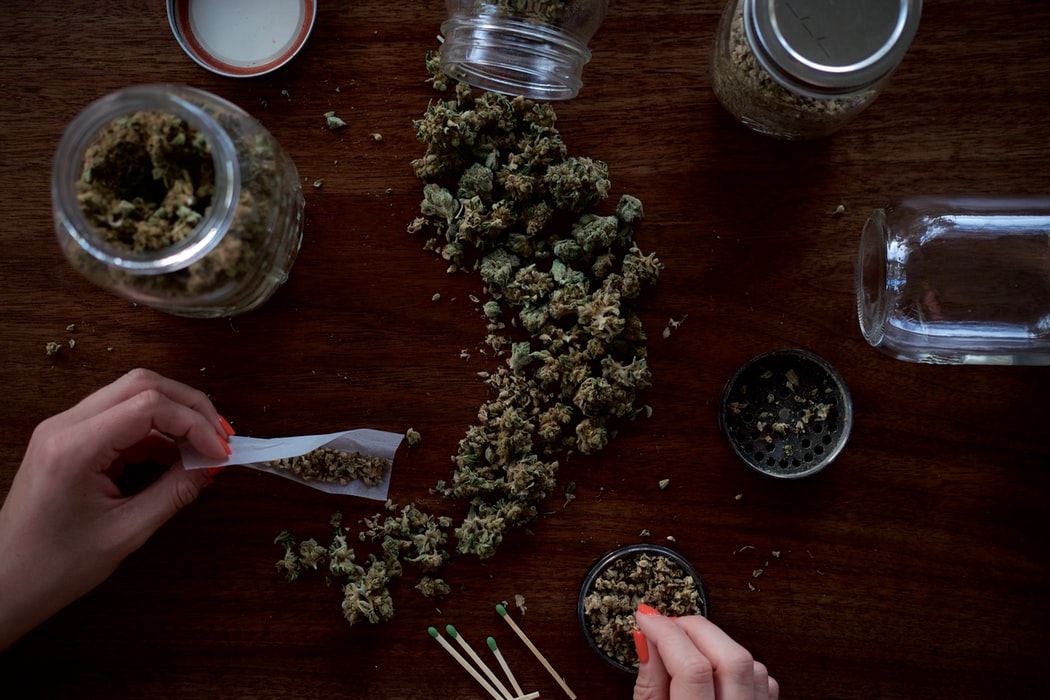
On Tuesday, August 18th, the Naperville City Council sat down to vote on the hotly debated topic of recreational marijuana sales. The subject has seen a great divide among the public ever since Gov. Pritzker allowed recreational cannabis sales statewide. In a 6 to 3 vote, the council voted in favor of an ordinance allowing up to three recreational cannabis dispensaries within the limits of the city. Coyne, Hinterlong, and Gustin were the council members that made up the votes dissenting. 

Naperville Recreational Cannabis Sales
Photo Credit: Unsplash

The Naperville City Council decided in September of 2019 to opt out of recreational marijuana sales ahead of January 2020 when recreational sales became legal in the state. The council voted 6-3 in favor of the opt-out. Concerns about safety in the city and around schools were what many Naperville residents brought up, most likely a large factor in the prior decision to opt-out of legal sales.

Advertisement

Naperville Recreational Cannabis Sales
Photo Credit: Unsplash

The recreational marijuana sales opt-in ordinance mandates that dispensaries must be located at least 250 feet from residential spots and at least 1,000 feet away from schools. In addition, they must not be within one mile of each other. As reported by Patch, a referendum run by the city about recreational sales back in March came back with about 53% of voters responding “yes” to the question “Shall the city of Naperville, in light of state legislation legalizing the possession, consumption, and sale of recreational adult-use cannabis, allow the sale of recreational adult-use cannabis within its jurisdiction?”


Best Pizza Places in Chicago
Photo Credit: Uno Instagram

View the Best Pizza Restaurants in Chicago, Ranked

Are you trying to find the best pizza places in Chicago to visit? View our list of the top 50 pizza restaurants in the city.

Advertisement

View the Best Pizza Places in Chicago


With the coronavirus pandemic also hurting many local businesses and the economy at large, perhaps the latest news is a shift in mindset as the city is exploring new economic opportunities. What are your thoughts on Naperville entering the recreational sales game? A good move? A bad one? Let us know in the comments below!

Advertisement

At UrbanMatter, U Matter. And we think this matters.

Advertisement

Tell us what you think matters in your neighborhood and what we should write about next in the comments below!

Featured Image Credit: Pexels

Advertisement


Advertisement

Read More

Naperville to Allow Recreational Marijuana SalesNishat Ahmedon August 20, 2020 at 7:08 pm Read More »

What Can the Chicago Bulls Expect From Tonight’s NBA Draft Lottery?Brian Lendinoon August 20, 2020 at 5:38 pm

For the fourth time in five seasons the Chicago Bulls NBA Draft position will be decided by the draw of a ping pong ball as the NBA Draft Lottery is set to air at 7:30 PM CST on ESPN.

The Bulls, of course, have been watching the NBA’s Bubble restart from home since it returned in late July and have spent much of the offseason maneuvering their front office in an effort to once again operate in the 21st century. With a new EVP of Basketball Operations, new General Manager, and soon-to-be new head coach, the Bulls now set their sights on what the roster might look like entering the 2021 season. Here’s what that means tonight with the Bulls chances in tonight’s drawing:

Advertisement

  • No. 1 pick: 7.5%

  • No. 2 pick: 7.8%

    Advertisement

  • No. 3 pick: 8.1%

  • No. 4 pick: 8.5%

    Advertisement

  • No. 7 pick: 19.7%

  • No. 8 pick: 34.1%

    Advertisement

  • No. 9 pick: 12.9%

  • No. 10 pick: 1.3%

    Advertisement

  • No. 11 pick: 0.03%

The last time the Bulls held the No. 1 overall pick in the draft was 2008 where they selected, as you probably remember, Derrick Rose. For the past three seasons they have selected from the No. 7 slot—taking Coby White out of North Carolina, Wendell Carter, Jr. from Duke, and trading into the position in 2017 to select Lauri Markkanen from Arizona. In 2016, the Bulls took Denzel Valentine at 14, who was the Big Ten Player of the Year out of Michigan State.

Advertisement

Ironically, the Bulls enter the 2020 lottery with a 19.7% to select out of the seventh spot again, the second highest percentage on their board.

Advertisement

“With the ___ pick, the Chicago Bulls select…”We find out our 2020 draft spot tonight 🙏

Posted by Chicago Bulls on Thursday, August 20, 2020

For many franchises, four consecutive years in the lottery usually begins a trend towards being a competitive organization again. Not the Chicago Bulls. All four of their previous lottery selections are still on the roster and the Bulls have just one playoff appearance to show for it—a first round bounce to the Boston Celtics which eventually led to the trade that sent Jimmy Butler to Minnesota for the draft rights to the aforementioned Markkanen.

But this year feels different. Given the complete and utter confusion of sports in 2020, it’s fair to say that there is an uncertainty baked in at all slots on the board. No one knows exactly what type of player they are going to get and many college prospects have had limited time to showcase just how NBA ready they are. This could be an advantage for the newly minted Bulls front office duo of Arturas Karnišovas and Marc Eversley.

Karnišovas himself is considered a master evaluator. He’s been credited as the primary driver behind the Denver Nuggets resurgence, which includes selections of Nikola Jokic and Jamal Murray but it’s perhaps his most recent evaluation that’s shining brightest as he was the lone evaluator willing to take a chance on Michael Porter Jr. after he slipped from the Top 5 to No. 14 overall two years ago.

“I like a lot of players that are in our range…I think we’ve done a lot of work studying. That’s why the excitement is coming from studying those players and interviewing them and looking at the video. So I think we’ll add a good player to our roster next year,” Karnišovas said during a press conference near the end of the year.


the crosstown classic

It’s time again for the Crosstown Classic!

Need more information on the 2020 Crosstown Classic? View our column breaking down the entirety of the Red Line Rumble.

View the greatness of the Crosstown Classic


Regardless of the Bulls draft position, they are more than one player away from competing in the playoffs again. From a personnel standpoint, the roster is a collective of individual talent that has largely underperformed to expectation. Perhaps a new head coach revitalizes young talent like Markkanen and Valentine. However, a larger conversation needs to be had about the higher-priced centerpieces of Zach LaVine and Otto Porter Jr. and whether or not they are guys you build around in today’s NBA.

It took the Bulls firing Jim Boylen last week to initiate the feeling of a true turnaround at the United Center and, while it’s not ideal to be waiting on the randomness of a ping pong ball to decide your fate, the Bulls results tonight could set the course for how the front office will approach its coaching search and impending free agency period.

That alone provides at least a sliver of optimism.

At UrbanMatter, U Matter. And we think this matters.

Tell us what you think matters in your neighborhood and what we should write about next in the comments below!

Featured Image Credit: Chicago Bulls Facebook Page

 
Read More

What Can the Chicago Bulls Expect From Tonight’s NBA Draft Lottery?Brian Lendinoon August 20, 2020 at 5:38 pm Read More »

Green Curtain Events Organizes the Front-Running Chicago Kentucky Derby Watch Parties for 2020Brian Lendinoon August 20, 2020 at 5:27 pm

Table of Contents

Just when it looked as though the Kentucky Derby was doomed to get caught on the inside rail in its race towards a potential run date, it made a late move coming around the final turn. Like much of the sporting calendar, the iconic race has a new run date at the same home. 

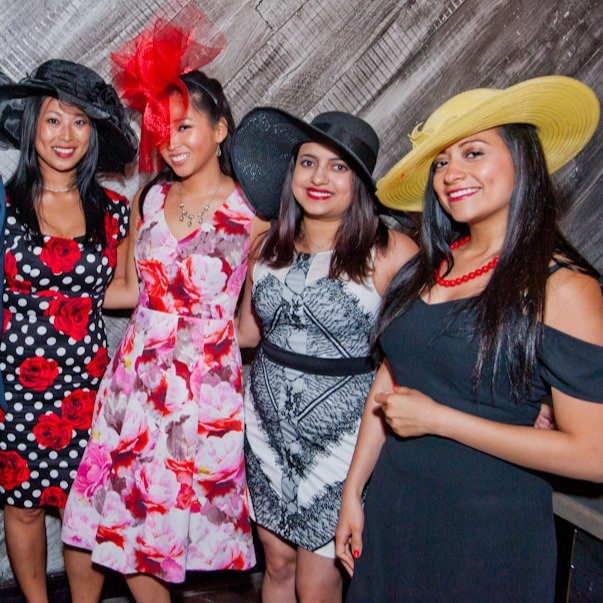
September 5th, and you and a few of your friends can get to the gates at one of Green Curtain Events’ Kentucky Derby Watch Parties around some of Chicago’s most vibrant neighborhoods. So while the guys can’t get dressed to the nines in pastel suits and the women can’t don giant floppy hats on site at Churchill Downs in 2020, there is still an option to get a bit toasty and place your bet on the best watch party around your neighborhood. 

Advertisement

We’ve talked before about the innovative watch parties and socially distanced social events that Green Curtain Events have put on across the city, however, their Derby events is the odds-on favorite to take the green flag come race day. 

In total, 10 of your favorite bars around the city will host exclusive events in coordination with Green Curtain. This incredible one-off event is your one-stop-shop for the perfect Derby atmosphere outside of Churchill Downs. You can expect the classiest mixing and watch party socializing the day has to offer in a safe and comfortable environment. 

Advertisement

This feels like a no-brainer for the first Saturday in September, especially when you consider the lengths the Green Curtain Events is taking to ensure this is a safe environment for you and your friends. That, plus, their unique ability to curate an exclusive feel on race day at not one, but 10, different venues truly makes for a memorable (or not memorable depending on your mint julep consumption) 2020 Kentucky Derby watch party.

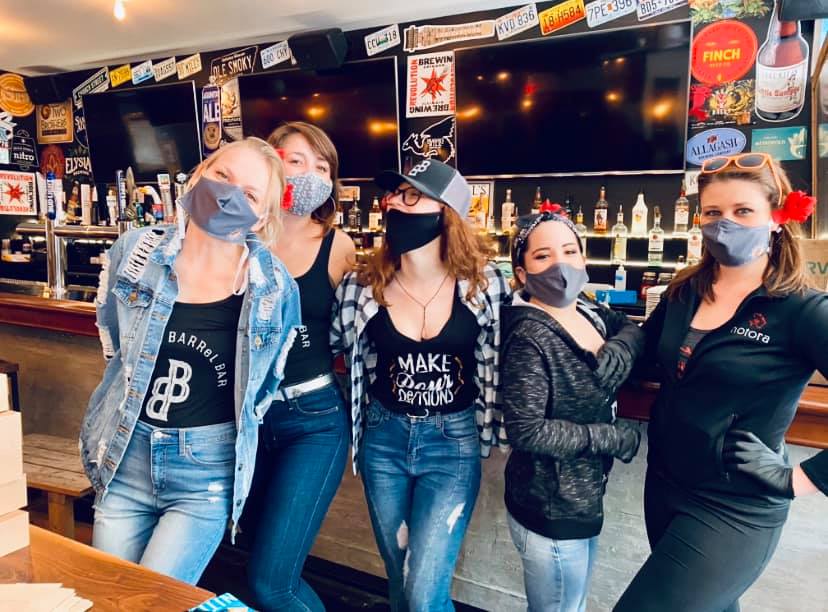
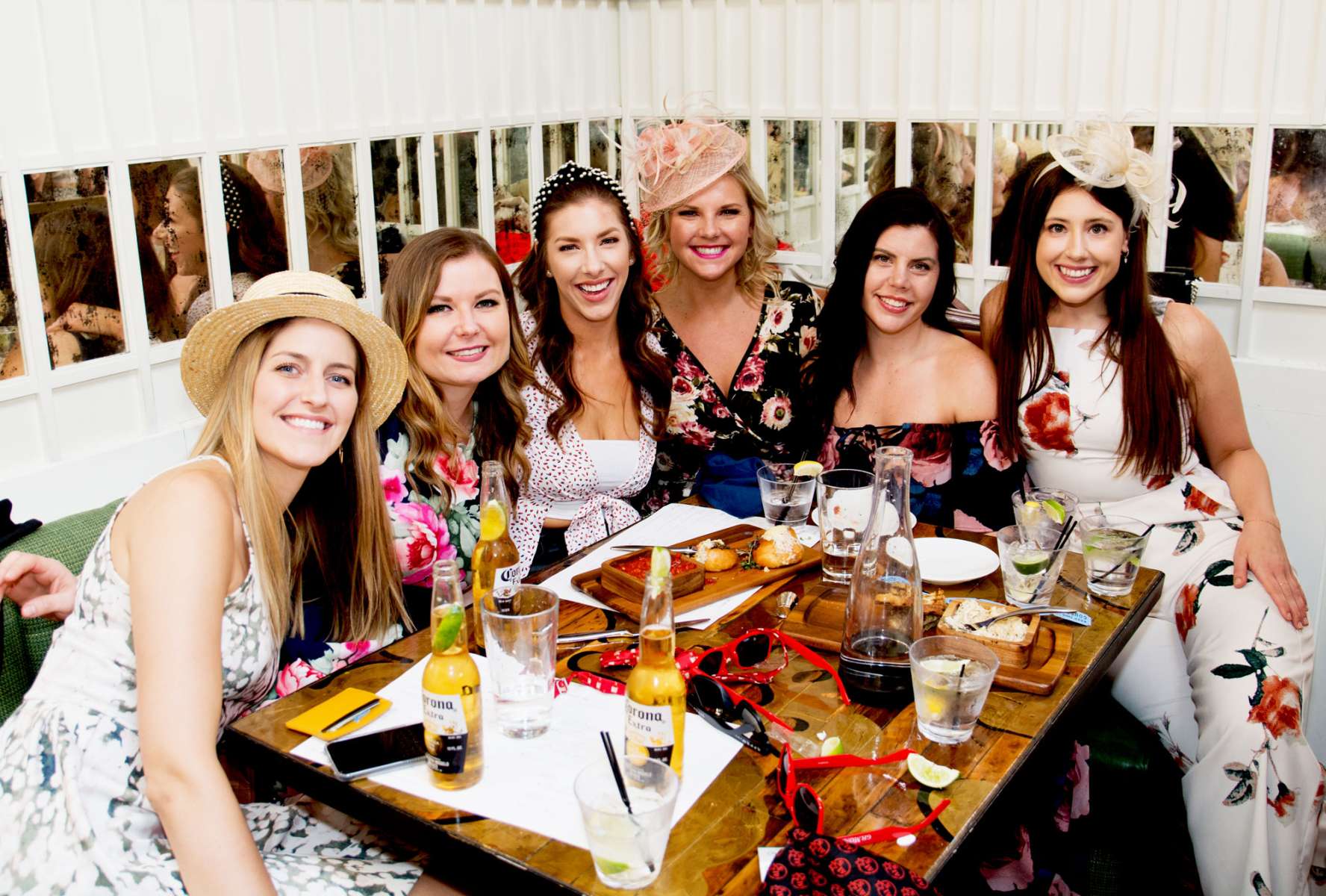
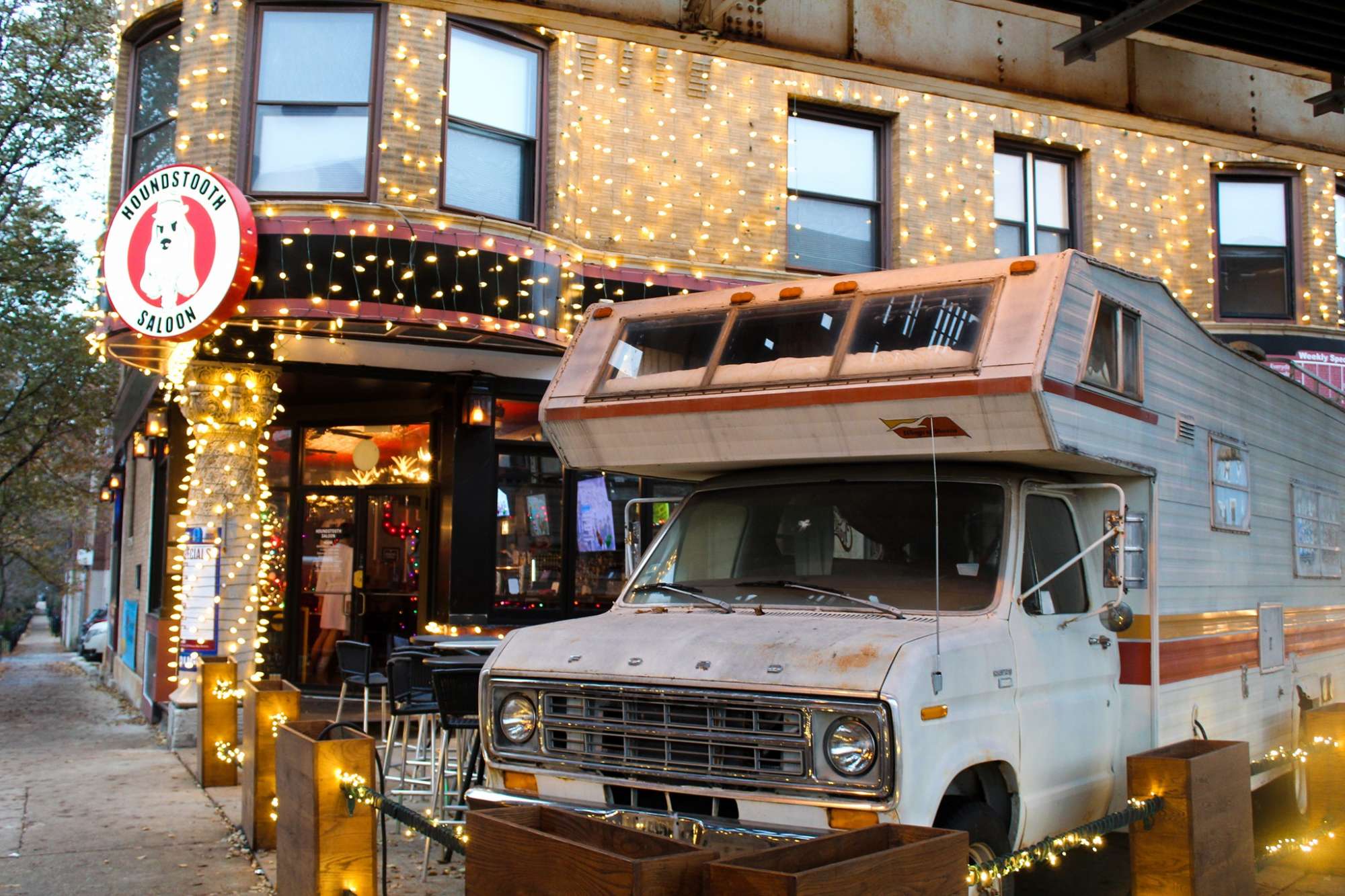
The 10 venues around the city include the following: Bandit, Bounce, Broken Barrel Bar, Clutch, Houndstooth, HVAC, Old Ground’s Social, Public House, Whiskey Business, and The Whale. 

Advertisement

Information on what your ticket includes and links to purchase tickets to your specific bar can be found below. Note: Each bar comes with a different, custom event package and price point. 

“Your health & safety is our priority here at Green Curtain Events. We are monitoring the impacts of the COVID-19 (Coronavirus) pandemic very closely based on the rules and recommendations set forth by the CDCWHO, and local municipalities in which we operate.”

“Green Curtain Events will remain in compliance and follow the City of Chicago guidelines and checklists for Meetings and Social Events (At all times). All Venues we are partnered with will follow the City of Chicago guidelines and checklists for Restaurants and Bars (At all times). We ask our Patrons to do their part and follow CDC and local government guidelines for Social Gatherings.”

Advertisement

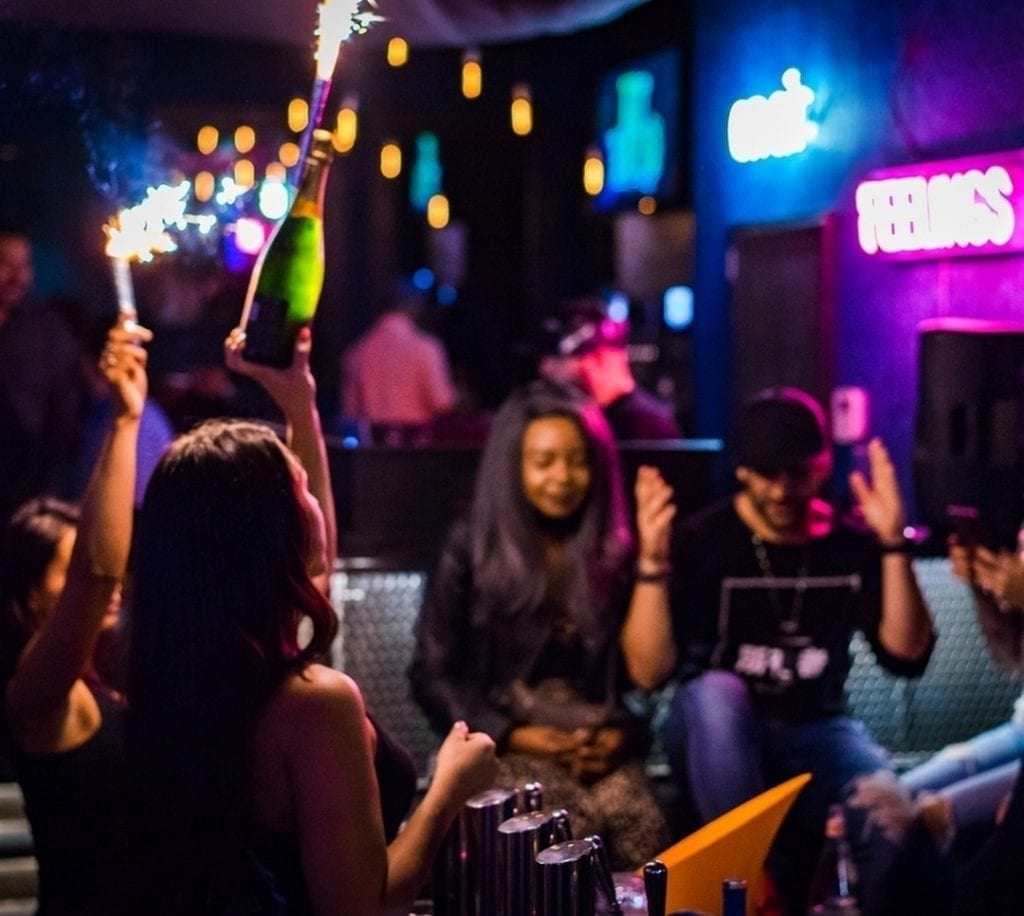
Kentucky Derby Watch Parties
Photo Credit: Bandit Facebook
841 W Randolph St, Chicago, IL 60607

Ticketed Reservations Include:

Table Package for 4:   $245
-Entry, Seating, and Reserved Service for 3 hrs
-Featured Kentucky Derby Watch Action
-One Bucket of White Claw Hard Seltzer
-One Bottle Premium Spirit with Mixtures
-Appetizer Platter for the Table 

Advertisement

Table Package for 6:   $345
-Entry, Seating, and Reserved Service for 3 hrs
-Featured Kentucky Derby Watch Action
-Two Buckets of White Claw Hard Seltzer
-One Bottle Premium Spirit with Mixtures
-Appetizer Platter for the Table

Advertisement

Kentucky Derby Watch Parties
Photo Credit: Green Curtain Events
  • 324 W Chicago Ave, Chicago, IL 60654
  • Ticketed Reservations Include:
  • Table Package for 4:  $275
  • -Entry, Seating, and Reserved Service for 3 hrs
  • -Featured Kentucky Derby Watch Action
  • -One Bucket of White Claw Hard Seltzer-One Bottle Premium Spirit with Mixtures-Two Appetizers for the Table Table Package for 6:  $475

    -Entry, Seating, and Reserved Service for 3 hrs

    -Featured Kentucky Derby Watch Action

    Advertisement

    -Two Buckets of White Claw Hard Seltzer

    -One Bottle Premium Champagne with Mimosa Kit

    -One Bottle Premium Spirit with Mixtures

    -Three Appetizers for the Table


    Rooftop Table Package for 4:  $300

    -Entry, Seating, and Reserved Service for 3 hrs

    -Featured Kentucky Derby Watch Action

    -One Bucket of White Claw Hard Seltzer

    -One Bottle Premium Spirit with Mixtures

    -Two Appetizers for the Table


    Rooftop Table Package for 6:  $500

    -Entry, Seating, and Reserved Service for 3 hrs

    -Featured Kentucky Derby Watch Action

    -Two Buckets of White Claw Hard Seltzer

    -One Bottle Premium Champagne with Mimosa Kit

    -One Bottle Premium Spirit with Mixtures

    -Three Appetizers for the Table

Kentucky Derby Watch Parties
Photo Credit: Broken Barrel Bar Facebook
2548 N Southport Ave, Chicago, IL 60614

Ticketed Reservations Include:

Bar Seating Reservation for 2:  $25

  • -Entry, Seating, and Reserved Bar Service for 3 hrs
  • -Featured Kentucky Derby Watch Action
  • -One Welcome White Claw Hard Seltzer Per Person

Table Reservation for 4:  $50

  • -Entry, Seating, and Reserved Service for 3 hrs
  • -Featured Kentucky Derby Watch Action
  • -One Welcome White Claw Hard Seltzer Per Person

Table Reservation for 6:  $65

  • -Entry, Seating, and Reserved Service for 3 hrs
  • -Featured Kentucky Derby Watch Action
  • -One Welcome White Claw Hard Seltzer Per Person

Indoor Table Package for 4:  $225

  • -Entry, Seating, and Reserved Service for 3 hrs
  • -Featured Kentucky Derby Watch Action
  • -One Welcome White Claw Hard Seltzer Per Person
  • -Inclusive House Wells, Mint Juleps, and Domestic Drafts from 3 to 6pm
  • -One Southern Inspired Appetizer Sampler Featuring Fried Chicken, Smoked Ribs, and More

Indoor Table Package for 6:  $325

  • -Entry, Seating, and Reserved Service for 3 hrs
  • -Featured Kentucky Derby Watch Action
  • -One Welcome White Claw Hard Seltzer Per Person
  • -Inclusive House Wells, Mint Juleps, and Domestic Drafts 3 to 6pm
  • -One Southern Inspired Appetizer Sampler Featuring Fried Chicken, Smoked Ribs, and More

Patio Table Package for 4:  $250

  • -Entry, Seating, and Reserved Service for 3 hrs
  • -Featured Kentucky Derby Watch Action
  • -One Welcome White Claw Hard Seltzer Per Person
  • -Inclusive House Wells, Mint Juleps, and Domestic Drafts
  • -One Southern Inspired Appetizer Sampler Featuring Fried Chicken, Smoked Ribs, and More

Patio Table Package for 6:  $370

  • -Entry, Seating, and Reserved Service for 3 hrs
  • -Featured Kentucky Derby Watch Action
  • -One Welcome White Claw Hard Seltzer Per Person
  • -Inclusive House Wells, Mint Juleps, and Domestic Drafts
  • -One Southern Inspired Appetizer Sampler Featuring Fried Chicken, Smoked Ribs, and More
Kentucky Derby Watch Parties
Photo Credit: Green Curtain Events
316 W Erie St, Chicago, IL 60654

Ticketed Reservations Include:

Table Package for 3:  $250

  • -Entry, Seating, and Reserved Service for 3 hrs
  • -Featured Kentucky Derby Watch Action
  • -One Bucket of White Claw Hard Seltzer
  • -One Bottle Premium Champagne with Mimosa Kit
  • -Two Appetizers for the Table

Table Package for 4:  $350

  • -Entry, Seating, and Reserved Service for 3 hrs
  • -Featured Kentucky Derby Watch Action
  • -One Bucket of White Claw Hard Seltzer
  • -One Bottle Premium Spirit with Mixtures
  • -Two Appetizers for the Table 

Table Package for 6 (Hi-Tops):  $550

  • -Entry, Seating, and Reserved Service for 3 hrs
  • -Featured Kentucky Derby Watch Action
  • -Two Buckets of White Claw Hard Seltzer
  • -One Bottle Premium Champagne with Mimosa Kit
  • -One Bottle Premium Spirit with Mixtures
  • -Three Appetizers for the Table

Table Package for 6 (Booth):  $600

  • -Entry, Seating, and Reserved Service for 3 hrs
  • -Featured Kentucky Derby Watch Action
  • -Two Buckets of White Claw Hard Seltzer
  • -One Bottle Premium Champagne with Mimosa Kit
  • -One Bottle Premium Spirit with Mixtures
  • -Three Appetizers for the Table 

Table Package for 6 – Second Floor:  $450

  • -Entry, Seating, and Reserved Service for 3 hrs
  • -Featured Kentucky Derby Watch Action
  • -Two Buckets of White Claw Hard Seltzer
  • -One Bottle Premium Spirit with Mixtures
  • -Three Appetizers for the Table
Frozen Drinks in Chicago
Photo Credit: Houndstooth Facebook
3369 N Clark St, Chicago, IL 60657

Ticketed Reservations Include:

Bar Seating Reservation for 2:  $25

  • -Entry, Seating, and Reserved Bar Service for 3 hrs
  • -Featured Kentucky Derby Watch Action
  • -One Welcome White Claw Hard Seltzer Per Person

Table Reservation for 4:  $50

  • -Entry, Seating, and Reserved Service for 3 hrs
  • -Featured Kentucky Derby Watch Action
  • -One Welcome White Claw Hard Seltzer Per Person

Table Reservation for 6:  $65

  • -Entry, Seating, and Reserved Service for 3 hrs
  • -Featured Kentucky Derby Watch Action
  • -One Welcome White Claw Hard Seltzer Per Person 
Photo Credit: HVAC Pub
3530 N Clark St, Chicago, IL 60657

Bar Seating Reservation for 2:  $25

  • -Entry, Seating, and Reserved Bar Service for 3 hrs
  • -Featured Kentucky Derby Watch Action
  • -One Welcome White Claw Hard Seltzer Per Person

Table Reservation for 4:  $50

  • -Entry, Seating, and Reserved Service for 3 hrs
  • -Featured Kentucky Derby Watch Action
  • -One Welcome White Claw Hard Seltzer Per Person

Table Reservation for 6:  $65

  • -Entry, Seating, and Reserved Service for 3 hrs
  • -Featured Kentucky Derby Watch Action
  • -One Welcome White Claw Hard Seltzer Per Person

Table Package for 4:  $225

  • -Entry, Seating, and Reserved Service for 3 hrs
  • -Featured Kentucky Derby Watch Action
  • -One Welcome White Claw Hard Seltzer Per Person
  • -Inclusive House Wells and Domestic Drafts from 3 to 6pm
  • -One Appetizer for the Table

Table Package for 6:  $325

  • -Entry, Seating, and Reserved Service for 3 hrs
  • -Featured Kentucky Derby Watch Action
  • -One Welcome White Claw Hard Seltzer Per Person
  • -Inclusive House Wells and Domestic Drafts from 3 to 6pm
  • -One Appetizer for the Table
Kentucky Derby Watch Parties
Photo Credit: OG Social Facebook

950 W Wrightwood Ave, Chicago, IL 60614

Ticketed Reservations Include:

Bar Seating Reservation for 2:  $25

  • -Entry, Seating, and Reserved Bar Service for 3 hrs
  • -Featured Kentucky Derby Watch Action
  • -One Welcome White Claw Hard Seltzer Per Person

Table Reservation for 4:  $50

  • -Entry, Seating, and Reserved Service for 3 hrs
  • -Featured Kentucky Derby Watch Action
  • -One Welcome White Claw Hard Seltzer Per Person

Table Reservation for 6:  $65

  • -Entry, Seating, and Reserved Service for 3 hrs
  • -Featured Kentucky Derby Watch Action
  • -One Welcome White Claw Hard Seltzer Per Person

Table Package for 4:  $225

  • -Entry, Seating, and Reserved Service for 3 hrs
  • -Featured Kentucky Derby Watch Action
  • -One Welcome White Claw Hard Seltzer Per Person
  • -Inclusive House Wells and Domestic Drafts from 3 to 6pm
  • -One Appetizer for the Table

Table Package for 6:  $325

  • -Entry, Seating, and Reserved Service for 3 hrs
  • -Featured Kentucky Derby Watch Action
  • -One Welcome White Claw Hard Seltzer Per Person
  • -Inclusive House Wells and Domestic Drafts from 3 to 6pm
  • -One Appetizer for the Table
best bars river north
Photo Credit: Public House via Instagram

400 N State St, Chicago, IL 60654

Ticketed Reservations Include:

Table Reservation for 2:   $25
-Entry, Seating, and Reserved Service for 3 hrs
-Featured Kentucky Derby Watch Action
-One Welcome White Claw Hard Seltzer Per Person

Table Reservation for 4:   $50
-Entry, Seating, and Reserved Service for 3 hrs
-Featured Kentucky Derby Watch Action
-One Welcome White Claw Hard Seltzer Per Person

Table Reservation for 6:   $75
-Entry, Seating, and Reserved Service for 3 hrs
-Featured Kentucky Derby Watch Action
-One Welcome White Claw Hard Seltzer Per Person

Table Package for 4:   $225
-Entry, Seating, and Reserved Service for 3 hrs
-Featured Kentucky Derby Watch Action
-One Bucket of White Claw Hard Seltzer
-One Bottle Premium Spirit with Mixtures
-Appetizer Platter for the Table 

Table Package for 6:   $325
-Entry, Seating, and Reserved Service for 3 hrs
-Featured Kentucky Derby Watch Action
-Two Buckets of White Claw Hard Seltzer
-One Bottle Premium Spirit with Mixtures
-Appetizer Platter for the Table

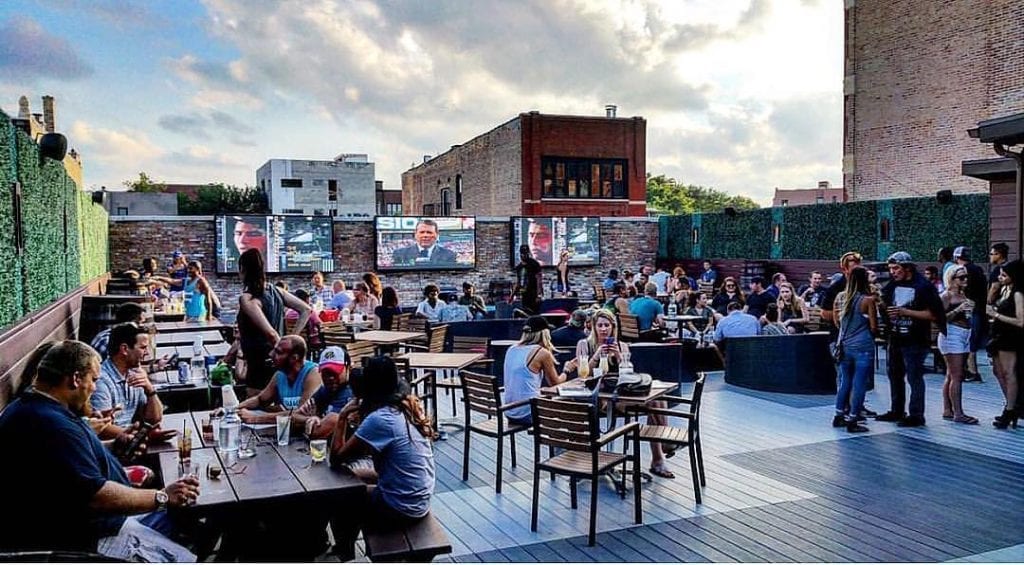
Chicago Rooftops
Photo Credit: Whiskey Business Instagram Page

1367 N Milwaukee Ave, Chicago, IL 60622

Ticketed Reservations Include:

Bar Seating Package for 2:  $80

  • -Entry, Seating, and Reserved Bar Service for 3 hrs
  • -Featured Kentucky Derby Watch Action
  • -One Welcome White Claw Hard Seltzer Per Person
  • -One Bottle Premium (Lamarca) Champagne with Mimosa Kit
  • -Two Appetizers

First Floor Table Package for 4:  $200

  • -Entry, Seating, and Reserved Service for 3 hrs
  • -Featured Kentucky Derby Watch Action
  • -One Bucket of White Claw Hard Seltzer
  • -One Bottle Call Spirit with Mixtures
  • -Two Appetizers for the Table

First Floor Table Package for 6:  $300

  • -Entry, Seating, and Reserved Service for 3 hrs
  • -Featured Kentucky Derby Watch Action
  • -Two Buckets of White Claw Hard Seltzer
  • -One Bottle Premium (Lamarca) Champagne with Mimosa Kit
  • -One Bottle Call Spirit with Mixtures
  • -Two Appetizers for the Table

Second Floor Table Package for 4:  $300

  • -Entry, Seating, and Reserved Service for 3 hrs
  • -Featured Kentucky Derby Watch Action
  • -One Bucket of White Claw Hard Seltzer
  • -One Bottle Call Spirit with Mixtures
  • -Two Appetizers for the Table

Second Floor Cabana Package for 6:  $500

  • -Entry, Seating, and Reserved Service for 3 hrs
  • -Featured Kentucky Derby Watch Action
  • -Two Buckets of White Claw Hard Seltzer
  • -One Bottle Premium (Lamarca) with Mimosa Kit
  • -One Bottle Call Spirit with Mixtures
  • -Three Appetizers for the Table

Beach House Package for 6:  $550

  • -Entry, Seating, and Reserved Service for 3 hrs
  • -Featured Kentucky Derby Watch Action
  • -Two Buckets of White Claw Hard Seltzer
  • -One Bottle Premium (Lamarca) with Mimosa Kit
  • -One Bottle Call Spirit with Mixtures
  • -Three Appetizers for the Table
Kentucky Derby Watch Parties
Photo Credit: The Whale Facebook

2427 N Milwaukee Ave, Chicago, IL 60647

Ticketed Reservations Include:

Table Reservation for 4:  $50 

  • -Entry, Seating, and Reserved Service for 3 hrs
  • -Featured Kentucky Derby Watch Action
  • -One Welcome White Claw Hard Seltzer Per Person

Table Reservation for 6:  $60 

  • -Entry, Seating, and Reserved Service for 3 hrs
  • -Featured Kentucky Derby Watch Action
  • -One Welcome White Claw Hard Seltzer Per Person

At UrbanMatter, U Matter. And we think this matters.

Tell us what you think matters in your neighborhood and what we should write about next in the comments below!

Featured Image Credit: Photo Credit: Clutch Bar Chicago 

Read More

Green Curtain Events Organizes the Front-Running Chicago Kentucky Derby Watch Parties for 2020Brian Lendinoon August 20, 2020 at 5:27 pm Read More »

The 2020 Crosstown Classic Is Here!Drew Krieson August 20, 2020 at 3:59 pm

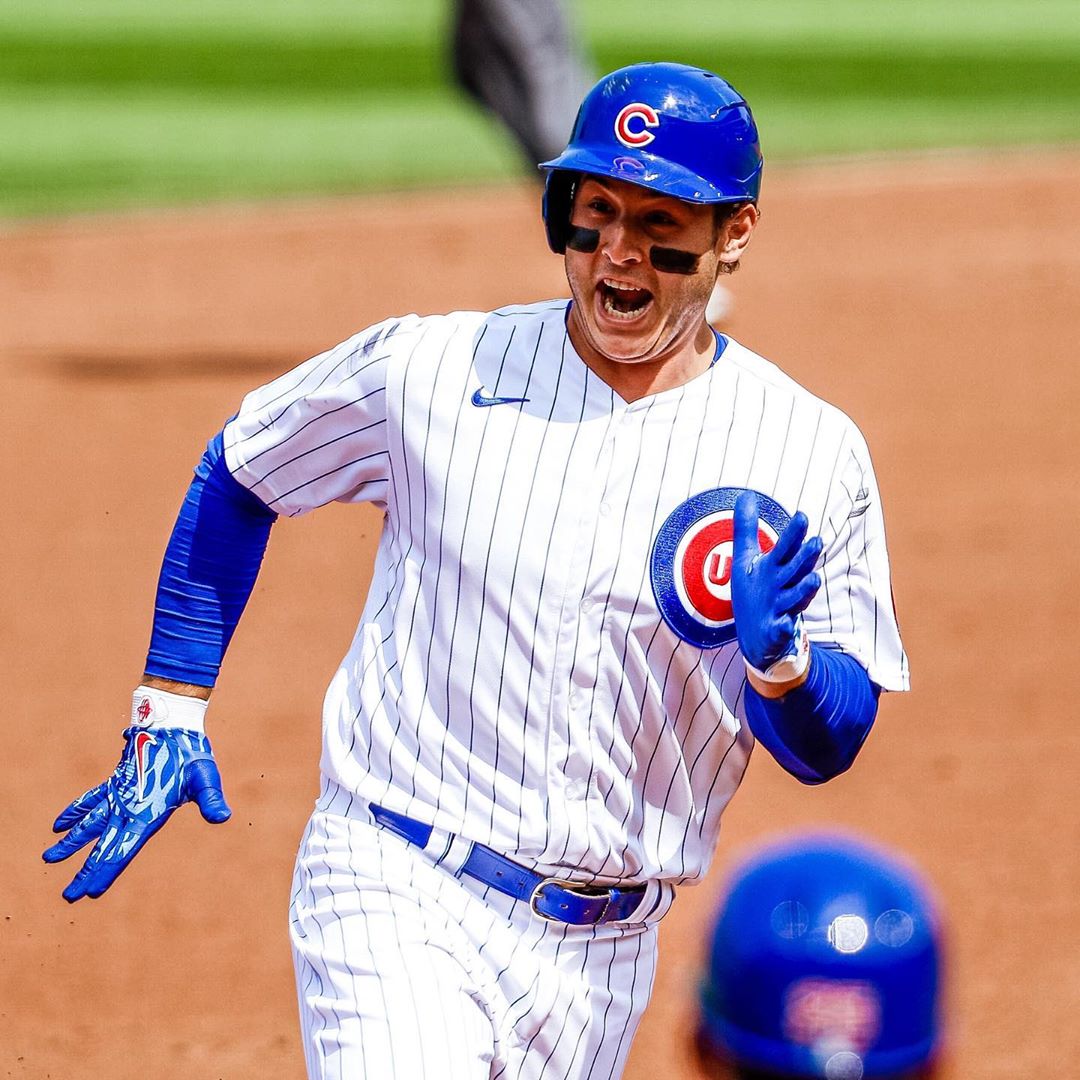
It’s that time of year again Chicago baseball fans. The Crosstown Classic is back! This weekend, the Chicago Cubs and White Sox play the first three games of their six scheduled matchups this year, and it’s sure to be an exciting series since the rivalry games make up 10% of each team’s season. For the games scheduled this week, both teams face off at Wrigley Field. But once the end of September rolls around, the Cubs and the Sox play again at Guaranteed Rate Field. On top of all that, those September games are the last ones on each teams’ schedule. Talk about playoff importance.

Advertisement

View this post on Instagram

Greatest hits of the 2000s.

Advertisement

A post shared by cubs (@cubs) on Aug 19, 2020 at 2:33pm PDT

Advertisement

A Brief Crosstown Classic History

Throughout the years of Major League Baseball history, the Cubs and Sox have faced off a total of 128 times. However, despite all those games, it’s still a close series. And surprisingly enough, the White Sox have the upper hand. In their historic rivalry the White Sox just barely edge out the Cubs with a record of 66-62. All but six of those games were played in the regular season. In fact, the two ball clubs only played against each other one time in the postseason. That happened way back in 1906, during the MLB World Series that year. The White Sox would go on to win that series in a surprising 4-2 upset. This turned out to be the Sox first World Series championship in team history. The Cubs shortly followed by winning their first just one year later. It would take another 100 years for both teams to make the playoffs in the same season.

Despite having the upper hand on the rivalry, the White Sox haven’t fared too well in recent years. The Cubs have held the Crosstown Cup since 2017, something that the White Sox will hope to regain this season. That all starts with this weekend.

Advertisement

View this post on Instagram

Advertisement

Come on, man!

A post shared by Chicago White Sox (@whitesox) on Aug 17, 2020 at 9:09pm PDT

Advertisement

The Battle For The 2020 Crosstown Cup

This year’s Crosstown Classic has plenty of opportunities to be one of the best ones yet. On one hand, you have the Chicago Cubs. This team is built to win now and has been for quite some time. On top of that, if they can win five of their six games against the Sox this year, then they’ll gain the lead in the rivalry. On the other hand, there’s the Chicago White Sox. This southside squad has shown us that last season was no joke. Plus, after all of the moves they made in the offseason, they’re definitely looking to take it to the next level. If they can manage to walk away with four wins against the Cubs they’ll manage to steal the Crosstown Cup back for the first time since 2016. If the White Sox manage to do that, there definitely won’t be any question as to who Chicago’s best ballclub is.

Advertisement


Best Pizza Places in Chicago
Photo Credit: Uno Instagram

View the Best Pizza Restaurants in Chicago, Ranked

Nothing more Chicago than pizza, right? View our list of the top 50 pizza restaurants in the city.

View the Best Pizza Places in Chicago


The Crosstown Classic matchup is set for six games between Chicago Cubs and White Sox this year. The first set of games will be played at Wrigley Field from August 21-23. The next three games occur at the end of the season at Guaranteed Rate Field from September 25-27.

At UrbanMatter, U Matter. And we think this matters.

Tell us what you think matters and what we should write about next in the comments below!

Featured Image Credit: MLB Instagram

READ MORE LIKE THIS

DOWNLOAD THE URBANMATTER APP

FIND PARKING

Read More

The 2020 Crosstown Classic Is Here!Drew Krieson August 20, 2020 at 3:59 pm Read More »

Willie Nelson offers end-of-the-road life lessons on First Rose of SpringSalem Collo-Julinon August 20, 2020 at 1:00 pm

Melancholy shoots right out of the gate on Willie Nelson’s new full-length, First Rose of Spring. The album opens with its title track, a sweet but ultimately tragic love song by a trio of stalwart Nashville songwriters: Allen Shamblin (Bonnie Raitt), Marc Beeson (LeAnn Rimes, Blake Shelton), and Randy Houser (who hit number two on the Billboard Hot Country Songs chart in 2009 performing his own “Boots On”). Nelson’s no-frills singing and plaintive solo on his trusty acoustic guitar, Trigger, make “First Rose of Spring” an anchor for the wistful, contemplative songs ahead. Like Nelson’s other recent releases, including 2018’s Last Man Standing and last year’s Ride Me Back Home, the new album is filled with end-of-the-road thoughts and tributes to compadres who have passed away. Who better than the Willie Nelson to deliver such reflections? At 87 years old, he still sings with a pointed clarity, as though he wants you to truly hear every word. Nelson and longtime cowriter and producer Buddy Cannon keep up the elegiac tone with heartbreaking songs such as “Blue Star,” but there are also a few uplifting moments, including covers of Toby Keith’s “Don’t Let the Old Man In” (written for a 2018 Clint Eastwood movie of the same name) and a timely resurrection of Billy Joe Shaver’s 1981 “We Are the Cowboys,” a dissection of the cowboy-as-hero mythology that centers white men as saviors. “Cowboys are average American people / Texicans, Mexicans, Black men, and Jews,” Nelson sings, his intimate, uncomplicated vocal approach helping the message speak loudly–he’s just one average cowboy, speaking on behalf of others like him. First Rose is full of perspectives that only a man with Nelson’s lived experience can offer. It’s a collection of good old-fashioned country songs, delivered with the soulful spirit of a true country great. v

Read More

Willie Nelson offers end-of-the-road life lessons on First Rose of SpringSalem Collo-Julinon August 20, 2020 at 1:00 pm Read More »

Who’s under that makeup on the gig poster of the weekSalem Collo-Julinon August 19, 2020 at 8:30 pm

rota_medusas.jpg

In honor of the late Dave Shelton, this week we’re featuring a gig poster from a 1987 show at the legendary Sheffield Avenue location of his club Medusa’s. Artist Rob Schwager lived in Chicagoland back then, and created this image for a packed bill featuring punk bands the Meatmen, Straw Dogs, and Rights of the Accused alongside rockers Redd Kross.

Schwager is now based in Florida, and he told me through e-mail that he wishes he’d held onto every flyer he made back in the day. When he still lived here, his passion for live music found an outlet via his professional life as well. “I used to work security at the Metro during the 90s, and also designed and hand-printed some gig posters for shows there and at Double Door,” he writes. “I did the work under the name ‘Trucker.'”

Some of the posters that Schwager made during this period are featured in the 2004 book Art of Modern Rock: The Poster Explosion, edited by Paul Grushkin and Dennis King. We’re thankful to him for allowing us to post this blast from the past in tribute to the eclectic programming that made Medusa’s such a thriving and exciting community.

We continue to accept submissions of fantasy gig posters (for a show from the past, or one you think should’ve happened). To participate, please e-mail [email protected] with your name, contact information, and your original design or drawing (you can attach a JPG or PNG file or provide a download link). We won’t be able to publish everything we receive, but we’ll feature as many as possible while the pandemic continues. Your submission can also include a nonprofit, fundraiser, or action campaign that you’d like to bring to the attention of our readers. We’re also always happy to hear about gig posters for current shows, whether in-person or livestreamed; e-mail us at the same address.

Not everybody can make a fantasy gig poster, of course, but it’s simple and free to take action through the website of the National Independent Venue Association–click here to tell your representatives to save our homegrown music ecosystems. And anybody with a few bucks to spare can support the out-of-work staffers at Chicago’s venues–here’s our list of fundraisers. Lastly, don’t forget record stores! The Reader has published a list of local stores that will let you shop remotely.


ARTIST: Rob Schwager
GIG: Meatmen, Redd Kross, Straw Dogs, and Rights of the Accused at Medusa’s on Sunday, June 14, 1987
ARTIST INFO: Tiny Bird Press
FUNDRAISER TO KNOW: Medusa’s shirts, masks, and posters are available for sale on Etsy. Proceeds will go toward the expenses associated with Dave Shelton’s memorial service (on Saturday, August 22) as well as to an animal-focused charity being created in his name.

Read More

Who’s under that makeup on the gig poster of the weekSalem Collo-Julinon August 19, 2020 at 8:30 pm Read More »