What’s New

Creatives are doing it for themselves with the Chicago Artists Relief FundAmanda Finnon July 7, 2020 at 11:25 pm

At the start of COVID-19 lockdowns, thousands of Chicago theater artists lost immediate income. In the weeks to come, even more lost future gigs. And now, with no reopening date in sight, many of those artists are still without work. Before the state went into lockdown on March 22, the organizers behind the Chicago Artists Relief Fund were already set to help their community.

“Following in the footsteps of the Seattle Artist Relief Fund Amid COVID-19 founded by Ijeoma Oluo [author of So You Want to Talk About Race], Jessica Kadish-Hernandez put out a call to the Chicago art world and folks from different walks and administrative talents joined the team,” co-organizer Claire Stone, the company manager for First Floor Theater, said via e-mail. “We all have different disciplines, some of us with day jobs outside of the arts entirely, and we all care very deeply about our creative community.”

Kadish-Hernandez, a director and actor, posted a Facebook status about creating a relief fund in Chicago on March 13. By that afternoon there was a group discussion and two days later the GoFundMe went live.

“When I saw Jess’s post on Facebook sharing the Seattle Fund and saying ‘Who is going to do this with me?!’ I immediately replied, ‘I’m in,'” co-organizer Ellenor Riley-Condit (theatermaker and one of the creators of the kid-oriented Unspookable podcast) said via e-mail. “Everyone on the administrative team came together [similarly.]”

The relief fund is providing microgrants up to $300 to Chicago-area artists who lost work due to COVID-19. Priority is given to artists who are BIPOC, trans+, nonbinary, queer, or disabled, though the administrators want to fund as many artists as possible.

As of July 6, the GoFundMe raised just over $96,000 of their $150,000 goal. That’s enough to fund 313 artists the full amount. The current goal would allow them to fund 500 artists in full.

“We’ve also all signed a confidentiality agreement that we take extremely seriously,” Kadish-Hernandez said via e-mail. “Disclosing need is a vulnerable act, particularly when you’re disclosing to fellow artists who you may know from other contexts. From day one, we made sure we were clear about putting privacy and confidentiality standards in writing.”

When originally interviewed early on in lockdown, the three organizers were blown away by how quickly Chicago came together to support the fundraising efforts. Donations were coming in more quickly than anticipated and fellow artists were quick to step in.

“We had local musicians, led by Fiona McMahon, plan a Quarantine Concert where 20 different people streamed sets from their homes on Facebook Live,” Riley-Condit said. “We had a reading of Steel Magnolias, planned by Chicago theater company the New Colony, that took place over Zoom. We’ve had tons of artists and press shout us out and that has helped donations continue to come in.”

Angel Idowu at WTTW covered us in our first week, which was huge for us, and social media word-of-mouth spread worldwide within days of launching–by the end of that first week we’d raised $31,000,” Kadish-Hernandez added. “(Donations have slowed down a bit since then, but we’re getting ready for another big push.) We’re seeing support from current Chicagoans and former Chicagoans and people from all over the world who happen to know and love Chicago.”

Like the Seattle artist fund and other crowdsourced funds, the goal for the Chicago Artists Relief Fund will continue to rise. As each goal is met, the administrators will raise the bar a little higher. The original goal was $50,000 and now it is $150,000.

“We meet on Zoom every day to discuss and delegate and check in with each other,” Stone said in an e-mail. “Administratively this project has a lot of challenges, especially navigating GoFundMe and PayPal at a time when both are functionally overloaded. Emotionally, we’re connecting the dots day by day. But we have folks on the team who are parents calling in between teaching their kids and making dinner, we have folks with telecommute day jobs–I work ‘at’ a hospital!–some of us are full-time artists biding time. I think we’re all discovering what it is that individually we need to get through, and the growing pains are real.”

With the recent news that Broadway won’t reopen until 2021, it’s possible Chicago theater won’t be live again until the new year. Bearing that in mind is difficult for artists who thrive on live performance. And yet, the team behind the fund is focused on the positive.

“We have to be optimistic at this point: Chicago theater will come out of this stronger, invigorated, inspired, brought emotionally closer by time apart,” Stone said. “It will take time to recover, and we’ll have to grow and change with it. There will be some permanent scarring. Maybe the scene will look a lot different, and we’ll be ready for whatever forms it takes. But we’re looking forward to a family reunion like no other, sharing space and sharing work, and we’ll hold each other up until then as best as we can.”

Chicago theater, when it does come back, could have a much different landscape. Mercury Theater and iO Theater have already announced they are closing permanently, and there may be more closures down the line. But there is hope in the changes that Chicago theaters can become a more equitable and workable environment.

“There’s been a lot of wonderful equity work done across arts industries in the last few years,” Riley-Condit said. “People are recognizing the need to educate themselves and their organizations, and increase their support of work by artists of color, queer and trans+ artists, disabled artists, and so many more. Chicago theater is no exception there; from our largest institutions to our smallest, many have committed to these equity efforts. My biggest hope coming out of this, and even during it, is that the Chicago theater community puts their money where their mouth is, so to speak. All of the equity efforts mean little if we don’t act on them when the people we claim to want to support are in need.” v

For more information on the fund or to donate go to gofundme.com/f/chicago-artists-relief-fund.

Read More

Creatives are doing it for themselves with the Chicago Artists Relief FundAmanda Finnon July 7, 2020 at 11:25 pm Read More »

Chicago Cubs Want Street Dining Outside Wrigley Field This SummerNishat Ahmedon July 7, 2020 at 6:08 pm

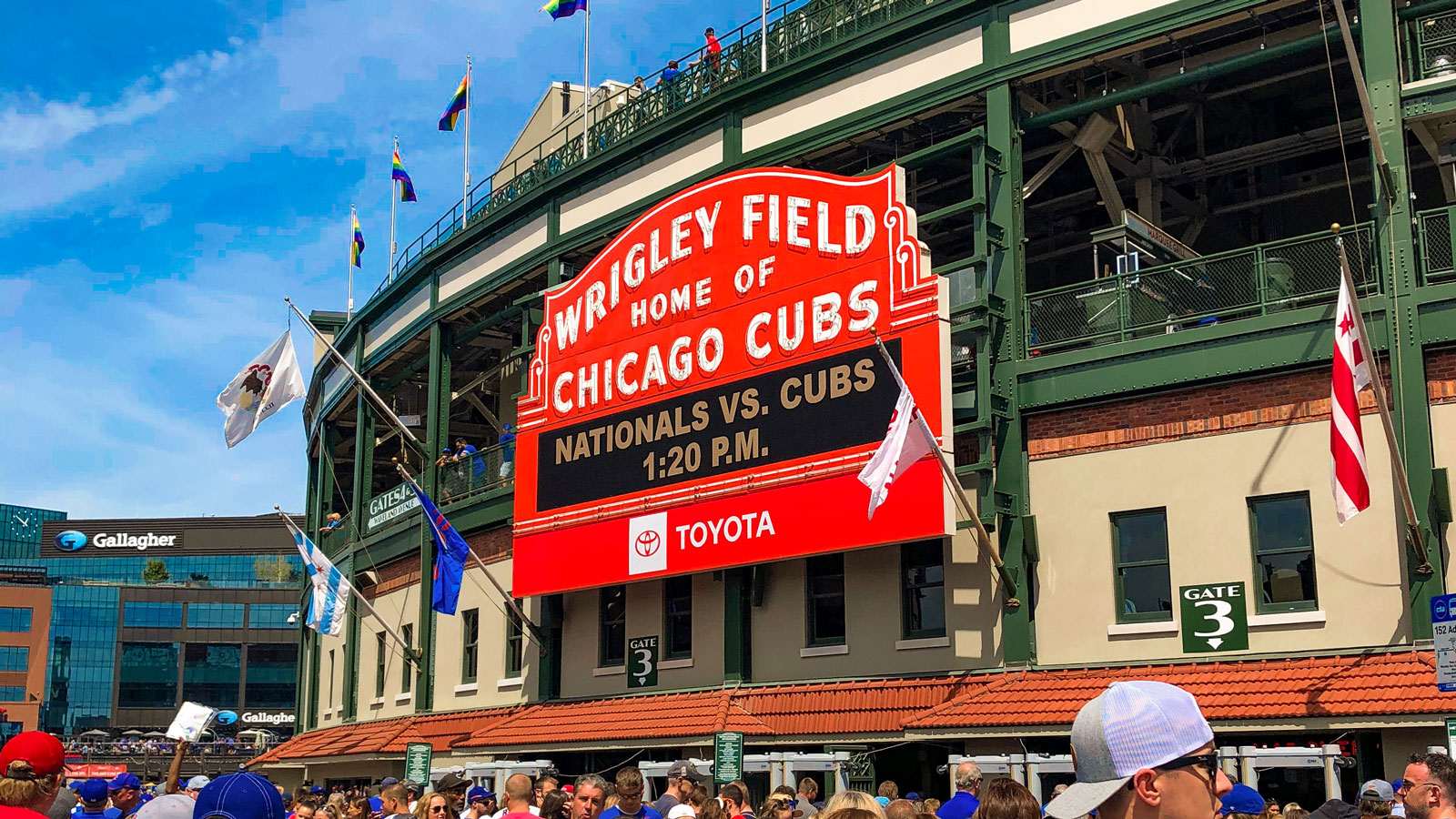
There’s no debate about the fact that the coronavirus has hit every industry extremely hard. From restaurant closures to theaters shuttering their doors, the financial strain of social distancing and safety guidelines puts more and more pressure on Chicago operations by the day. While some restaurants are open for indoor dining and doing a bit better at making up losses, others are trying to count on expanded seating from street closures to help aid in sales. In line with the latter option, the Chicago Cubs have been trying to work with the city to close down Clark and Addison and bring street dining to Wrigleyville.


rooftop bars
Photo Credit: Offshore via Heron Agency

View the Best Rooftop Bars in Chicago

Need to dine higher than the street? View our list of the best rooftop bars in the city.

Advertisement

View the Best Rooftop Bars in Chicago


The Cubs were hoping the street closures would begin this past holiday weekend, expanding on the city’s “Make Way” program, but the approval wasn’t granted. Julian Green, a Cubs spokesperson, notes that the delay gives the city and the team more time to deal with safety concerns and implement better safety measures for patrons.

Advertisement

Before the holiday weekend, Green said, “While we would love to open, we understand how a holiday weekend launch while managing ongoing protests and activities could strain already strapped city resources to ensure public safety.”

Hotel Zachary
Photo Credit: Megan Laurie

The idea of closing Clark Street north of Addison up until Patterson every Friday, Saturday, and Sunday through the end of August has been dubbed “Dining on Clark at Gallagher Way.” The closure would allow Hotel Zachary’s four restaurants to host and serve diners at around 80 tables. The Ricketts family, through Marquee Development (originally branded as Hickory Street Capital), owns the Hotel Zachary, the Cubs, and is the investment company funneling a good part of the new construction happening around Wrigley Field.

Advertisement

The restaurants hoping to participate in “Dining on Clark at Gallagher Way” are Big Star, Smoke Daddy, Swift & Sons Tavern, and McDonald’s. Because of the recommendations from health experts saying that outdoor dining poses less risk (but risk, nonetheless) compared to indoor dining, establishments are trying their best to increase their outdoor eating spaces so as to recuperate some of the financial strain caused by the elongated closures due to COVID-19.

Photo Credit: The Smoke Daddy Facebook

Perhaps a delay in the opening to properly assess safety concerns is a good thing, considering the number of establishments that have been hit with complaints and warnings about not properly adhering to the social distancing and safety guidelines set forth by the city. Mayor Lightfoot issued a warning last Thursday to bar and restaurant owners in Chicago. “We’re not going to hesitate to shut you down and if you’re shut down, you’re not coming back anytime soon.” This warning is an important one to heed considering the fact that Governor Pritzker warned the state that if people acted recklessly and allowed case numbers to rise rapidly in the state, a reversion to Phase 3 is certainly not out of the question.

Advertisement

Would you want to eat outside of Wrigley? Or are you just itching to get baseball back? Let us know in the comments below!  

Advertisement

At UrbanMatter, U Matter. And we think this matters.

Tell us what you think matters in your neighborhood and what we should write about next in the comments below!

Advertisement

Featured Image Credit: Wrigley Field

Advertisement

Read More

Chicago Cubs Want Street Dining Outside Wrigley Field This SummerNishat Ahmedon July 7, 2020 at 6:08 pm Read More »

Where to Get Amazing Mac & Cheese in ChicagoAudrey Snyderon July 6, 2020 at 8:53 pm

Table of Contents

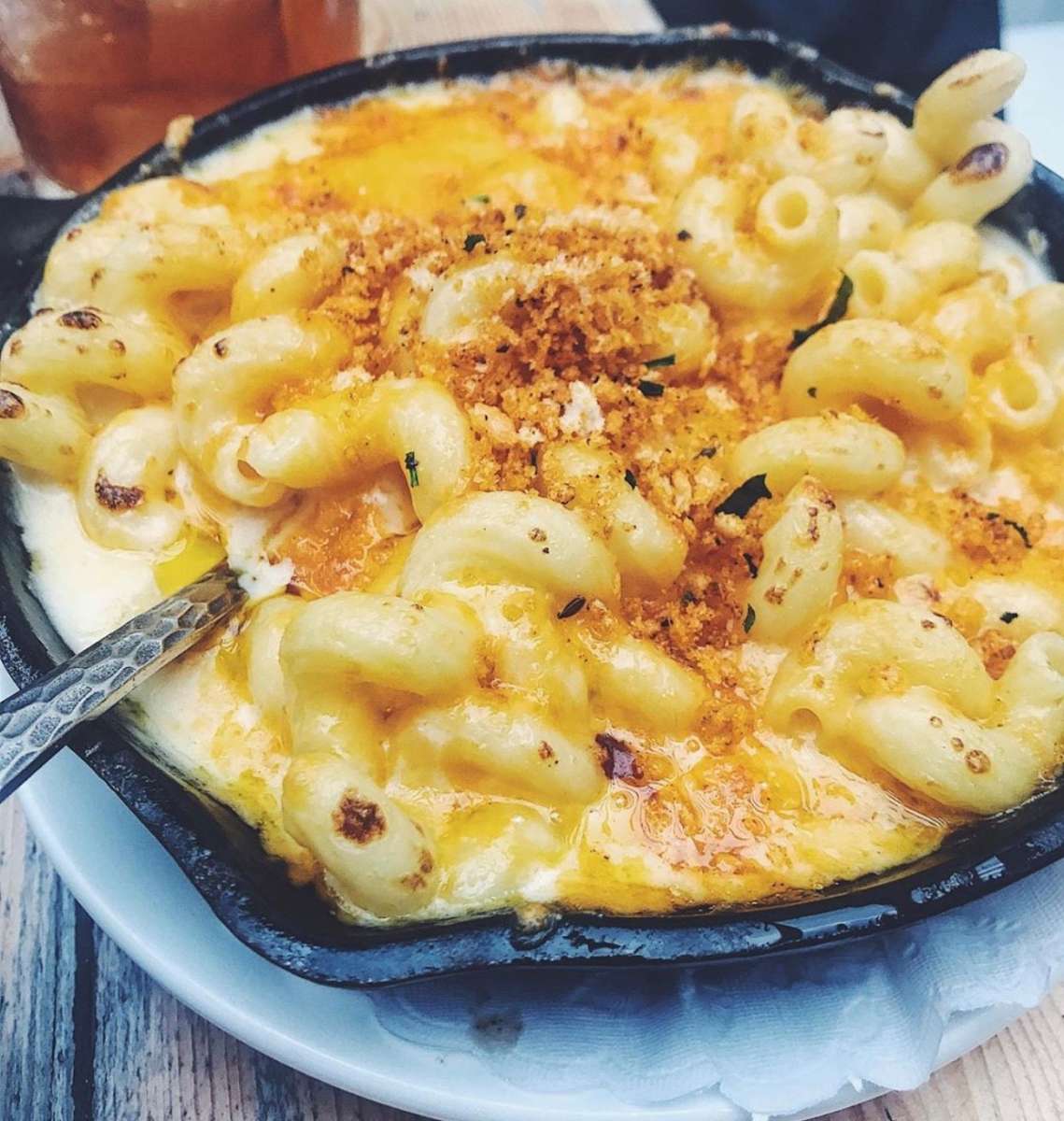
Though a hot dish might not hold quite the same appeal in July that it does in January, it’s almost never too hot for comfort food like mac and cheese. While it takes a multitude of different forms (orecchiette instead of macaroni, gourmet mushroom add-ons, coveted bacon, etc.), mac and cheese can always feed the world-weary soul like few other dishes can. If you’re ready to experience your favorite childhood dish in all of its permutations — the classic and the less classic — check out some of these places for incredible mac and cheese right here in Chicago.


Best Pizza Places in Chicago
Photo Credit: Uno Instagram

View the Best Pizza Restaurants in Chicago, Ranked

Need even more cheese to please? View our list of the top 50 pizza restaurants in the city.

Advertisement

View the Best Pizza Places in Chicago


mac and cheese chicago
Photo Credit: Chicago q Facebook Page

Chicago q

1160 N Dearborn St, Chicago IL 60610

Advertisement

Served among other barbecue and comfort food dishes, Lou Lou’s Mac ’N Cheese is listed on the q menu as one of head chef Art Smith’s favorites. In addition to its essential cheesiness, this take on the traditional treat also includes panko bread crumbs and — believe it or not — fried alligator.

mac and cheese chicago
Photo Credit: GT Facebook Page

GT Fish & Oyster

531 N Wells St, Chicago IL 60654

Advertisement

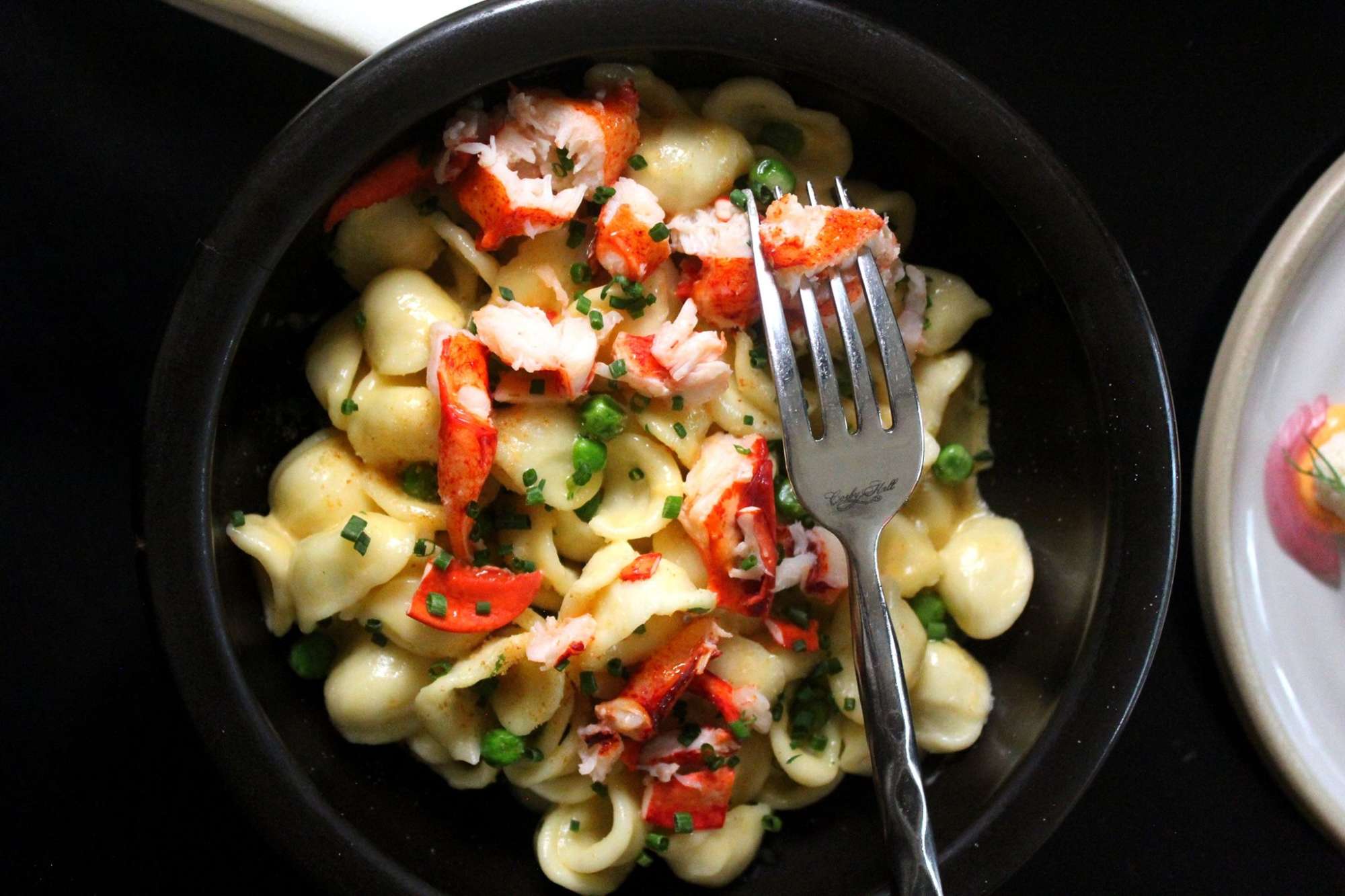
Filled with lobster, peas, and brioche, GT’s mac and cheese fits right into a menu full of great seafood. After all— what’s a fish place without a good lobster mac?

mac and cheese chicago
Photo Credit: Kuma’s Corner Facebook Page

Kuma’s Corner

Multiple Locations

Advertisement

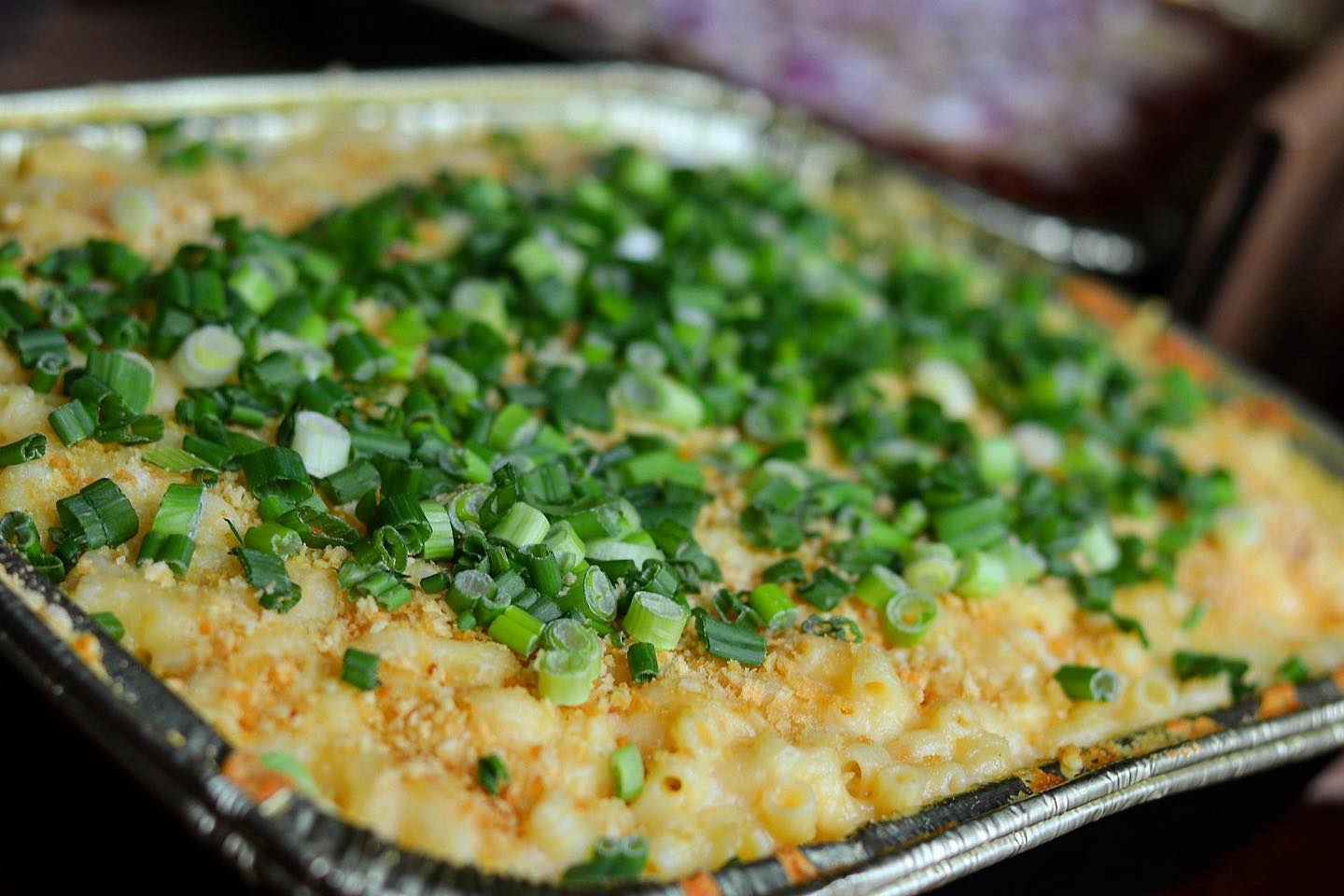
On top of a house cheese blend already sprinkled with breadcrumbs and scallions, those dining at Kuma’s Corner can add two more toppings from a long list of options, including andouille, caramelized onion, roasted red pepper, and many more.

mac and cheese chicago
Photo Credit: Uncommon Ground Facebook Page

Uncommon Ground

1401 W Devon Ave, Chicago IL 60660 | 3800 N Clark St, Chicago IL 60613

Advertisement

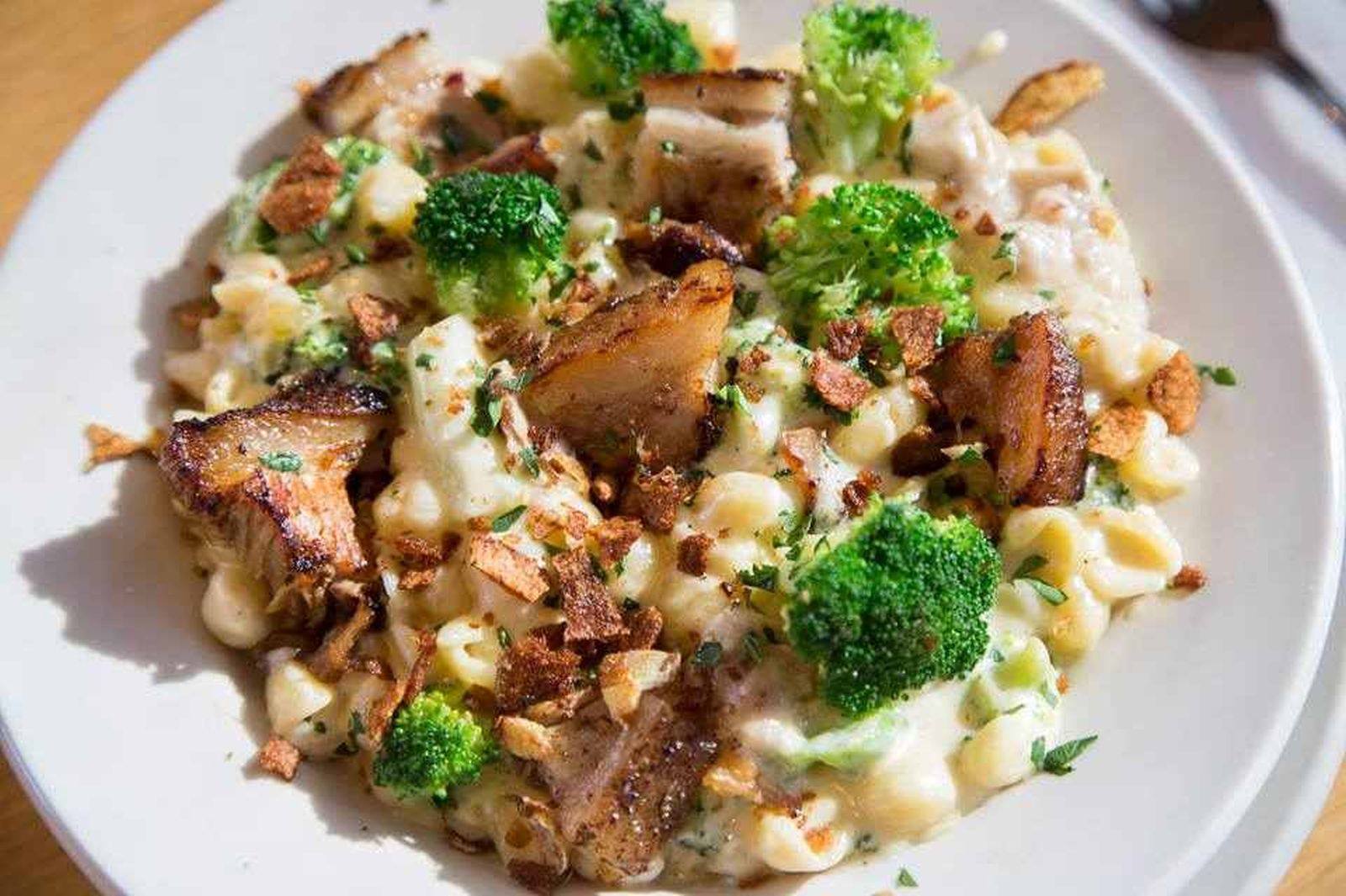
At both locations, you’ll find a tasty mac and cheese flavored with smoked gouda, cheddar, and a sprinkling of “crispy herb potato crumble,” which keeps the original dish vegetarian but adds a little crunchy texture. If you’re feeling like something a bit more hearty, there are both meat and vegetable add-ons from which you can choose.

mac and cheese chicago
Photo Credit: Public House Facebook Page

Public House

400 N State St, Chicago IL 60654

Advertisement

The Multiple Choice Mac n’ Cheese may be the hardest quiz you’ll ever take — at least at first glance. When it comes to choosing between adding on burnt end brisket, roasted jalapeño, or truffle, it seems like you have an impossible decision to make, until you see at the very bottom of the list that there’s a pricing option for all of the toppings combined.

mac and cheese chicago
Photo Credit: Maple and Ash Facebook Page

Maple & Ash

8 W Maple St, Chicago IL 60610

Advertisement

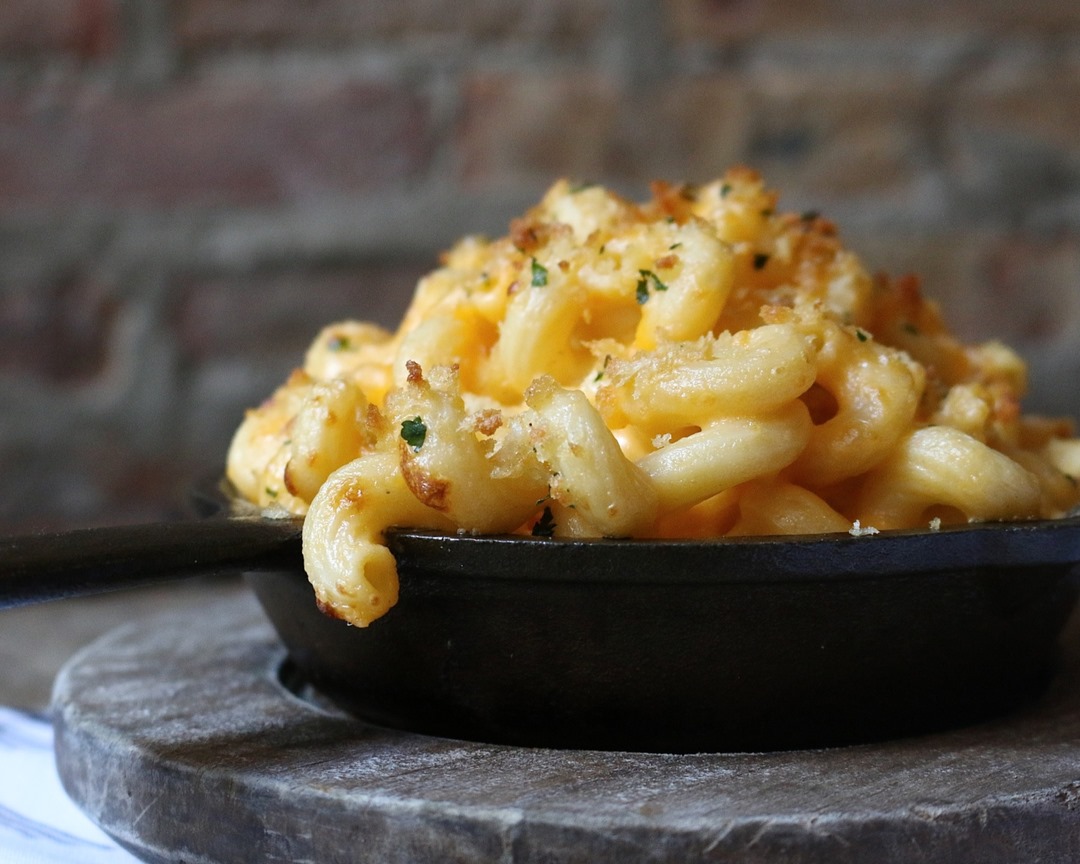
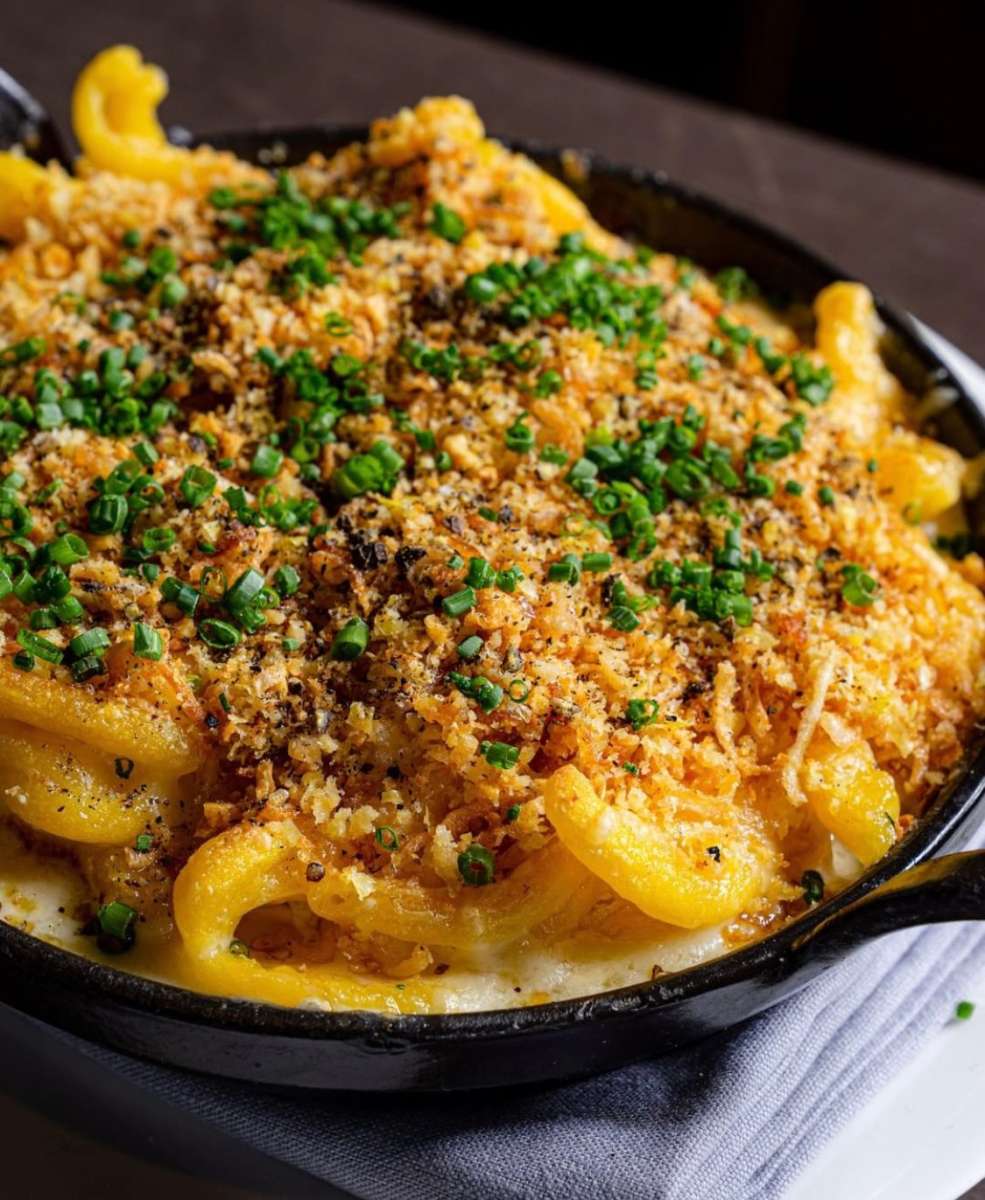
The Mac & Cheese here isn’t an overwhelming combination of different flavors, but its ingredients are delicious and typical of the beloved comfort food: gruyere, brown butter panko, and black pepper.mac and cheese chicago

Honey Butter Fried Chicken

3361 N Elston Ave, Chicago IL 60618

The Pimento Mac ’N Cheese fits in well with the Southern barbecue feel of Honey Butter’s menu (which features fried chicken sandwiches, corn muffins, and slaw), while simultaneously tipping its hat to its Midwestern locale with the addition of Wisconsin cheddar to its ingredients.

Photo Credit: Cheesie’s Facebook Page

Cheesie’s Pub & Grub

Multiple Locations

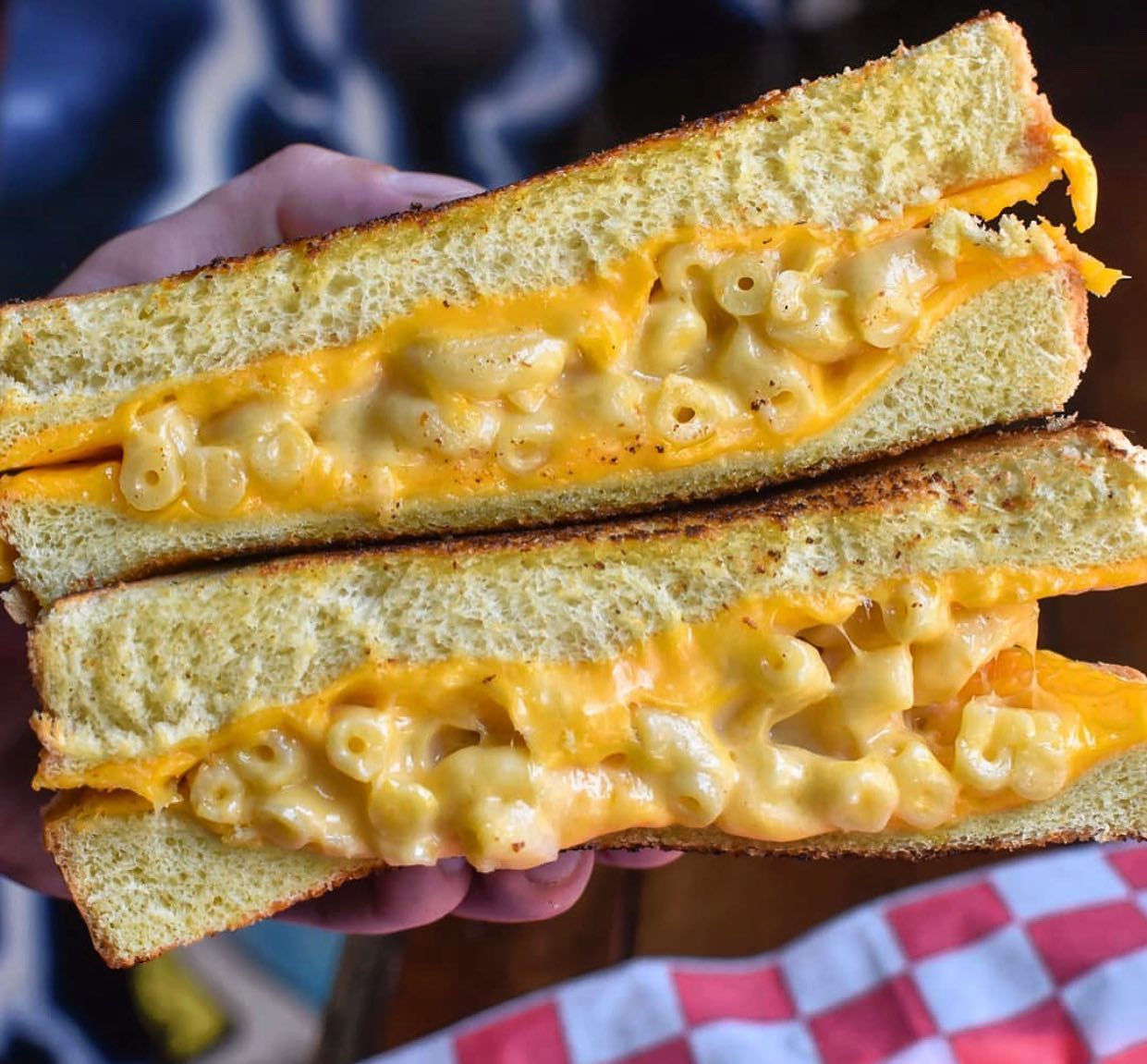
Though Cheesie’s may be reserved, to some, for late-night, post-bar snacking, you cannot talk about mac and cheese in Chicago and not mention The Mac: two slices of Texas toast which hold between them a blissful combination of American cheese, cheddar cheese, and homemade macaroni and cheese.

At UrbanMatter, U Matter. And we think this matters.

Tell us what you think matters in your neighborhood and what we should write about next in the comments below!

Featured Image Credit: Maple and Ash Facebook Page

Read More

Where to Get Amazing Mac & Cheese in ChicagoAudrey Snyderon July 6, 2020 at 8:53 pm Read More »

Carlos Nino and Miguel Atwood-Ferguson showcase their telepathic collaboration on the hushed Chicago WavesLeor Galilon July 7, 2020 at 5:00 pm

In 2005, Los Angeles percussionist, DJ, arranger, and producer Carlos Nino began collaborating with fellow Angeleno Miguel Atwood-Ferguson, a multi-instrumentalist, composer, and music director. That year, Atwood-Ferguson joined Nino’s expansive soul-jazz collective, Build an Ark, and helped record studio albums by two of Nino’s other projects: With Voices, the final full-length from progressive hip-hop production duo AmmonContact, and Living Room, from jazzy downtempo unit the Life Force Trio (both were released in 2006). Chicago drummer Makaya McCraven clearly understood their partnership when he brought in Nino and Atwood-Ferguson to augment the hip-hop electricity and downtempo elasticity on the D side of his monumental 2018 double LP, Universal Beings. When McCraven celebrated the album’s release in November 2018, Nino and Atwood-Ferguson flew to Chicago to perform, and in their free time, the two of them played an improvised set opening for drummer Jeremy Cunningham at Co-Prosperity Sphere. Thus was birthed Chicago Waves (International Anthem), a live recording of that show that rests on the interplay between Atwood-Ferguson’s wafting violin and Nino’s minimal, trembling percussion. The musicians’ telepathic connection enlivens even the most hushed moments, lending an arresting charge to every microscopic shift. v

Read More

Carlos Nino and Miguel Atwood-Ferguson showcase their telepathic collaboration on the hushed Chicago WavesLeor Galilon July 7, 2020 at 5:00 pm Read More »

DJ Hank, footwork producer and bike messengerLeor Galilon July 7, 2020 at 5:00 pm

PHOTO BY NICK ACCARDI

DJ Hank, 27, moved to Chicago from North Carolina in 2011 to become a bike messenger. He began producing footwork tracks within a year, after befriending members of the influential Teklife collective. In April, Louisville label Sophomore Lounge issued his first 12-inch, Traffic Control.


A big catalyst was pirating FL Studio back when I was in middle school–I just started making beats, not taking it too seriously. When I was in high school I started playing with a couple different bands, just by going to a lot of DIY stuff that was all ages. I saw this band Whatever Brains, and they were all way older than me–I was like 15 years old. They were already touring and gearing up to record and shit. I wrote them a message on MySpace, like, “Man, I was at y’all’s show, I’m 15, you guys are lit.” They responded, “Do you want to be in our band?” So I started playing with them, going on tours, and recorded a couple albums with them.

I was making rap beats to start off with, but then I started hearing some electronic music and tried to incorporate that a little bit. I never tried making [footwork] tracks until I came to Chicago. Going to Battlegrounds, meeting Manny, Phil, and Rashad–that was the catalyst for me to be like, “Let me try to make some tracks.”

Right after graduating high school, I was working two or three jobs. I was doing food delivery in North Carolina. I knew that they have bike messengers up in Chicago, and there would probably be more opportunities for me here. Through touring with Whatever Brains, I knew some people and played in Chicago before I came here. I knew it was pretty affordable; it was cheaper for me to get a place in Chicago than it was for me to get something back home.

I fired up Google one day and started calling all the messenger companies I could find. In retrospect, that was probably crazy to be a bike-messenger manager in Chicago getting an e-mail like, “Yo, I’m this 18-year-old kid. I don’t even live there, but I want to come work for you guys.”

Footwork came on my radar through YouTube: Wala Cam dance videos. I didn’t make the connection between the dance and the music till a couple years later. How it came to me actually getting connected was, I’m here in Chicago, and I don’t really know a lot of people. I’m 18; Chicago’s a very 21-and-up town. I went to see an all-ages show with Rashad and Spinn at the Metro, and at the end of the night they were like, “Catch us tomorrow–we’re gonna be at Battlegrounds.”

When you go to Battlegrounds, pretty much everybody that’s there is dancing. If you’re not dancing, you’re gonna look out of place–it’s a real tight-knit community anyway. People were probably scratching their heads, like, “Who’s this new guy.” But I was received warmly as soon as I walked in the door. Manny had come up to me, introduced himself, and started introducing me to a bunch of people.

That first day I went to Battlegrounds was a legendary night. A group called Red Legends was battling everybody–that’s honestly one of the craziest nights for footworking I’ve ever seen. Something with the culture just instantly made sense, coming from a punk background. I think footwork music is pretty subversive. It’s raw. It’s not like a club setting; it’s all ages.

You couldn’t really hear footwork tracks to the extent that you can get it now–it’s almost a little bit oversaturated now. But back then, you could be listening to music at Battlegrounds and not recognize a single track for, like, hours–this is all hot off the presses. That’s how I got started. After the first time going to Battlegrounds, I kept going to different events.

[For Traffic Control] I definitely wanted to do something that was less sample based–like, less straight remixes. There’s obviously still samples on the album; I used samples from cell phones, traffic sounds, and social-media videos. Those were the motifs I wanted to draw on for the album, ’cause it’s something that really reflected my life in a very personal and honest way. The song “Traffic Control,” with all the traffic sounds on it, that was a track that I had wanted to make for a couple years. I had a concept in my head just from being a bike messenger; it just took me a couple years to unlock what I needed to do on that one.

There’s two [bike messenger] categories: one is food messengers, and the other people are, like, paper messengers, legal messengers, whatever you want to call it. There’s been a mass exodus from the Loop–everyone’s working from home, so we’ve been struggling just keeping our work up because no one’s downtown right now. We’re hanging in there.

I’m the operations manager at my company. I got promoted almost two years ago. I still do deliveries, but I’m the leader for my bike team. I’m just trying to think one step ahead, and trying to figure out what we can do to stay afloat and keep the money coming in. I’ve got about 20 people on my team.

All these different big shifts happen, where we had 9/11 and now we’ve got COVID, and that is gonna drastically alter the bike-messenger game. It’s definitely an industry that was already on the cutting block in some ways. In the ten years that I’ve been in Chicago, I’ve noticed a lot of changes: less companies, companies are folding, there’s way less bike messengers out.

I just moved houses. I haven’t done music in two months ’cause all my stuff’s been in boxes–I just got all my music stuff set up, so I’m real excited. I was initially trying to go do some shows, but it’s been cool. Got a new house, and that’s something to be happy for. v

Read More

DJ Hank, footwork producer and bike messengerLeor Galilon July 7, 2020 at 5:00 pm Read More »

It’s a time of protest, and college football players are starting to make their voices heardRick Telanderon July 8, 2020 at 1:02 am

This is a time of deep stress.

And who likes deep stress?

Nobody.

Well, maybe anarchists do. But anarchists are the emperors of delusion. Forget them.

Yet out of heavy stress can come good change, sparked by the re-examination of systems and ways of living that have been taken for granted or tolerated as ”the way things are.”

COVID-19 and the Black Lives Matter protests coming together really moved the needle for change in America.

It’s hard to say which statue anywhere in this country is safe, for instance. It’s hard to know which famous person, living or dead, can withstand the scrutiny of eager historians digging for frailty, avarice, cruelty, oppression. Statues are symbols, and symbols are powerful.

Of course, the Confederate heroes of yore got theirs. Statues of Robert E. Lee and Jefferson Davis were toppled or removed all over the South. Christopher Columbus did not fare well anywhere (except, notably, Chicago).

The statue of UNLV Rebels mascot ”Hey Reb,” which stood in front of the Richard Tam Alumni Center on campus, was yanked by the school.

Stonewall Jackson and former Twins owner Calvin Griffith came down.

Francis Scott Key, Ulysses S. Grant, former International Olympic Committee chairman Avery Brundage, even the ”Forward” statue in Madison, Wisconsin — an inspirational bronze figure of a woman created in 1893 by female sculptor Jean Pond Miner — all were torn down.

A frenzy of historical ”correction” can be a hard thing to stop. When a mob tore down George Washington’s statue in Portland, Oregon, even a liberal-minded person had to wonder where the carnage would end, where the protesters would say, ”This guy gets a pass.”

The ultimate deduction is that our country wasn’t made with the belief that ”all men are created equal,” unless you don’t count women, Native Americans, Black slaves and their descendants. The past was pretty evil, for the uninformed.

Nor was the tumult confined to the United States. Offensive statues of slave traders, slave owners or racists were torn down or removed by officials in England, Belgium, India, New Zealand and South Africa.

Some people in Rochester, New York, tore down the statue of Black abolitionist Frederick Douglass in a public park, apparently as payback for the other attacks on white ”heroes.”

Through all this, we have wondered where our own lives are headed, when we can mingle safely with other (mask-less) humans again, what our jobs will be like, how our country will come out of this social upheaval and health terror and move into the future as the good ol’ USA. Or if anything ever will be the same.

Let’s say the virus is stopped. Let’s say work, entertainment and travel crank back up and the sky looks blue again. Let’s even say race relations improve in this country so that all of us are aware of the role we play every day in discrimination and fairness and nobody is left out of opportunity.

The voice protesters have developed is fresh and strong, and even those young people known as amateur athletes — the most voiceless folks around — have started to holler.

College football players, with so many of the stars being Black, were prominent in several Black Lives Matter marches. They also (slightly) began to protest things coaches lord over them the way only coaches can. At Florida State, defensive lineman and team captain Marvin Wilson tweeted his coach, Mike Norvell, was lying about certain talks with players.

”Man this [bleep] did not happen,” Wilson tweeted. ”This is a lie and me and my teammates as a whole are outraged and we will not be working out until further notice.”

Stuff like that did not occur in the past. Big-time, revenue-producing college football players always have been told to shut up and play. They get no money, while their coach might make — let’s see — $4.42 million a year in Norvell’s case. They can be replaced or thrown off the team at any time.

Maybe the crazy inequity of playing for free in front of 80,000 paying customers (someday, we hope) will end soon. From players rising up.

”This is a moment where the outrage of players is stronger than their fear of speaking out,” Ramogi Huma, the executive director of the National College Players Association, said recently. ”This has not been the case in modern times.”

That part is certainly true. From stress, the world might be starting over.

Read More

It’s a time of protest, and college football players are starting to make their voices heardRick Telanderon July 8, 2020 at 1:02 am Read More »

Lin-Manuel Miranda: Renewed criticism of musical ‘Hamilton’ is ‘all fair game’USA TODAYon July 8, 2020 at 1:17 am

It may not be an infamous duel, but some critics are taking their shots at the renewed popularity of the musical “Hamilton.”

With a staged production of the mega-popular show now streaming on Disney+, there is a fresh effort to look at the musical’s portrayal of the Founding Fathers and their complicated history with slavery — especially now with Black Lives Matter being such a large part of the national conversation and more eyes on “Hamilton” than ever before.

“Hamilton” creator Lin-Manuel Miranda even admitted that “all the criticisms are valid” on Twitter Monday. “The sheer tonnage of complexities & failings of these people I couldn’t get. Or wrestled with but cut. I took 6 years and fit as much as I could in a 2.5 hour musical. Did my best. It’s all fair game.”

Miranda’s tweet was in response to a series of missives by writer Tracy Clayton, host of Netflix’s “Strong Black Legends” podcast, saying he appreciated “so much” that Clayton she was giving nuance to the conflicted political environment that “Hamilton” lands in today. She pointed out that “Hamilton” the play — which premiered in 2015 during the Obama administration — and the new movie “were given to us in two different worlds” and called the “willingness” to debate “a clear sign of change.”

In the musical, Alexander Hamilton (Miranda) takes a jab at Thomas Jefferson (Daveed Diggs) for having slaves at his Monticello home during a Cabinet meeting/rap battle: “A civics lesson from a slaver, hey neighbor/Your debts are paid ’cause you don’t pay for labor.” Historically, Hamilton wasn’t known to have kept slaves but he bought and sold those working for his wife’s family, the Schuylers. “He was not an abolitionist,” Harvard history professor Annette Gordon-Reed said in 2016.

One cut song from the musical, a third Cabinet rap battle that’s included on “The Hamilton Mixtape,” finds Hamilton and Jefferson debating ending the African slave trade. Hamilton argues for emancipation, and George Washington ends with the line, “Let’s hope the next generation thinks of something better.” “I had Ham, Madison and Jefferson go in on slavery,” Miranda tweeted in 2016, but said the song was nixed for time “because none of them ended it.”

The criticism around the musical has bubbled over the years as it became a Broadway sensation that won 11 Tonys. Author Ishmael Reed collected his thoughts on “Hamilton” and its creator into a play, “The Haunting of Lin-Manuel Miranda” (partially funded by the late Toni Morrison). In an interview with the Associated Press last year, Louisiana State University history professor – and Aaron Burr biographer – Nancy Isenberg called the musical “a fictional rewrite of Hamilton. You can’t pick the history facts that you want.”

On Friday, writer Roxane Gay tweeted that she had some issues with how “Hamilton” “idealizes the founders, and how such a brilliant musical dangerously elides (their) realities of slavery.” Gay also is not a fan of a moment with Sally Hemings, a slave with whom Thomas Jefferson had a sexual relationship, “played for laughs” in the musical. But she gave kudos to Leslie Odom Jr. and raved that “it’s a brilliant show. … It’s not some vulnerable upstart. The show can handle critical engagement and the performances and book and music will still be absolutely incredible.”

In the Twitter thread Miranda responded to, Clayton, who copped to being “a high ranking priestess in the church of Hamilton,” said she “would have appreciated more context” about the real-life Founding Father’s involvement with slavery, “but to lump it in” with the current controversy of what to do with statues of historical figures like Christopher Columbus and Robert E. Lee “denies this conversation the nuance it deserves (and) we’re capable of giving it that.

“Navigating history and historical figures is hard and messy. Humans are flawed and messy, both the ones who lived then (and) the ones reading and writing about them now.”

Read more at usatoday.com

Read More

Lin-Manuel Miranda: Renewed criticism of musical ‘Hamilton’ is ‘all fair game’USA TODAYon July 8, 2020 at 1:17 am Read More »

Suburban movie theaters to temporarily close again after 3 weeks of social distancingDarel Jevenson July 7, 2020 at 9:39 pm

Suburban movie theaters in the Classic Cinemas chain, which reopened 11 days ago, will close again temporarily after the end of business on Thursday.

“Unfortunately, the lack of new movies and the extra costs have made our current business model unsustainable,” the company said in a statement Tuesday.

Classic Cinemas operates the York Theatre in Elmhurst, the Luxury 6 in North Riverside, the Charlestowne 18 in St. Charles, the Cinema 12 in Carpentersville, the Cinema 7 in Sandwich, the Elk Grove in Elk Grove Village, the Fox Lake in Fox Lake, the Paramount Theatre in Kankakee and the Woodstock in Woodstock, as well as locations in Beloit, Wisconsin, and Freeport.

“We are in this for the long term,” the statement said, “so we look forward to welcoming you back just as soon as the outlook improves and new movies are released.”

After the state’s measures to slow COVID-19 forced all Chicago area theaters to close in mid-March, Classic Cinemas was the first company to tiptoe back into the indoor movie business starting June 26. Its theaters complied with a new state regulation limiting audiences to no more than 50 people or 50% capacity per auditorium (whichever is fewer).

The company also required masks on patrons (except when seated) and increased cleaning between showtimes.

Few theaters followed its lead in reopening, except for the Music Box Theatre in Lake View, which began small outdoor screenings on June 26 and now is showing films at its two indoor auditoriums.

In addition, several outdoor drive-in movie theaters old and new have been operating in and around Chicago for the last few weeks.

Recent big-ticket movie openings have been taking place on streaming services, including “Hamilton” on Disney+ and this week’s Tom Hanks vehicle “Greyhound” on Apple TV+. The next major release intended for theaters is Russell Crowe’s “Unhinged” on July 31.

Read More

Suburban movie theaters to temporarily close again after 3 weeks of social distancingDarel Jevenson July 7, 2020 at 9:39 pm Read More »

The Grocery Store in the Time of Covid-19Candace Drimmeron July 7, 2020 at 6:56 pm

Bon Bini Ya’ll

The Grocery Store in the Time of Covid-19

Read More

The Grocery Store in the Time of Covid-19Candace Drimmeron July 7, 2020 at 6:56 pm Read More »

When Hearing Aids Aren’t EnoughDr. Sheri Gostomelskyon July 7, 2020 at 3:31 pm

Say What?

When Hearing Aids Aren’t Enough

Read More

When Hearing Aids Aren’t EnoughDr. Sheri Gostomelskyon July 7, 2020 at 3:31 pm Read More »