He was driving near Halsted and 31st Street when someone fired shots and gunfire went through the back window of his vehicle, striking him in the head.
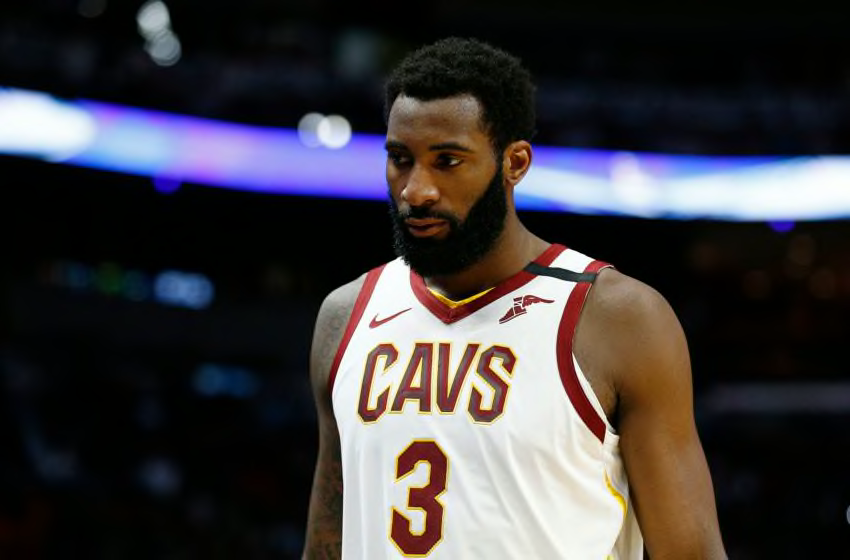
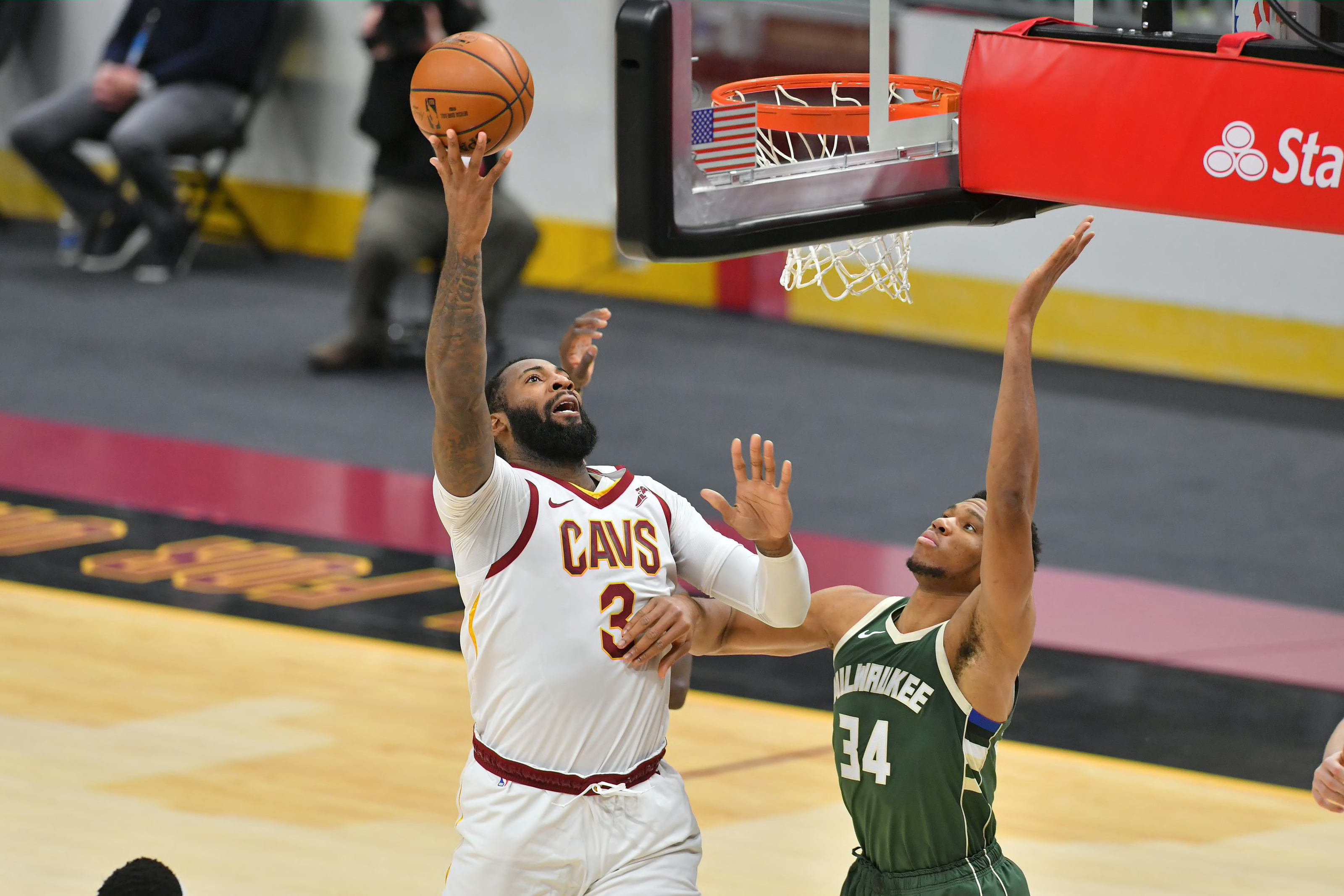
One of the biggest names on this year’s NBA trade market is star center Andre Drummond, and the Chicago Bulls should get involved.
A true center is tough to find in today’s NBA, and it’s also not fully necessary. So many teams are playing small ball and have players lining up at the five who can shoot from long distance. The days of a big-bodied center, posting up and shutting down the paint, seem to be over.
However, the few who can still do it well can still be considered valuable — and that’s Drummond. Yet, he is likely to be moved prior to the deadline.
The guy is a walking double-double, averaging over 14 points and 13 rebounds per game for his career. This season, with Cleveland, Drummond is posting a line of: 17.5 points, 13.5 rebounds, 2.6 assists, 1.6 steals and 1.2 blocks.
It’s tough to imagine the Bulls entering the Drummond sweepstakes, especially if Cleveland ends up buying him out and he is allowed to choose his next destination. But, if the Bulls wanted to take a shot on a 27-year-old big man who has plenty of elite basketball left in him, this is the right move.
Should the Chicago Bulls deal for Andre Drummond and thus give up on a former lottery pick?
Trading for Drummond would then raise the question of what to do with Wendell Carter Jr. In three seasons, Carter has yet to show he can stay healthy. He’s also developing a little slower and looks to be a guy who might be best served as a backup center after all.
Carter has had some very good games, but he’s also had some inconsistencies. For a no. 7 overall pick, the Bulls were expecting more, to say the least.
Regardless of what were to happen with Carter, the Bulls should at least throw their name into the conversation of landing Drummond. The following deals could potentially get it done.
ChicagoBulls (Photo by Jonathan Daniel/Getty Images)
It seems odd that we’re approaching the All-Star Break in a season that began almost immediately after the previous one ended, but here we are. It’s been an up-and-down season so far for the Chicago Bulls, and it’s a totally new regime at the helm.
The results have been mixed, but the team is coming off arguably their biggest win of the season and some things are starting to click. While there are still a lot of growing pains, the Bulls even have an outside chance at a playoff spot. I want to believe, but there’s also a lot of season left.
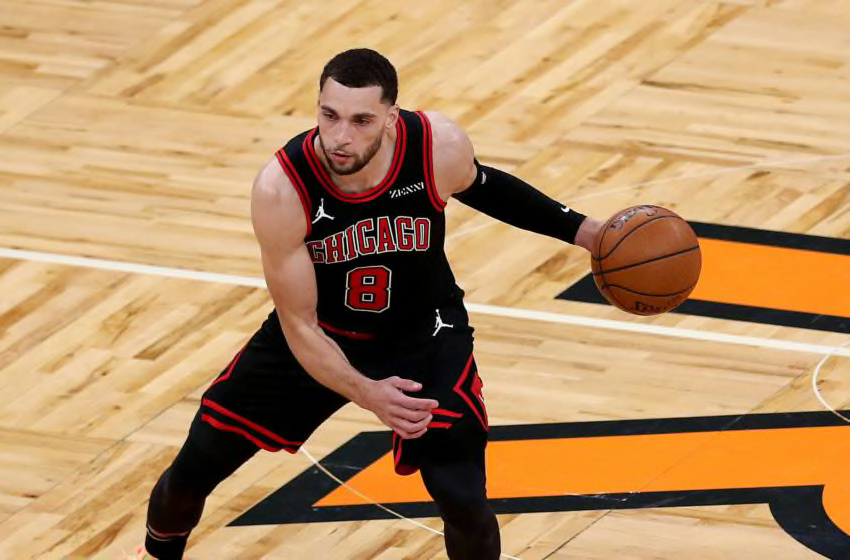
The Chicago Bulls remain a topic of the NBA rumor mill, but here’s why they shouldn’t trade star guard Zach LaVine…yet.
On Monday night, the Bulls traveled to Indiana to face the Pacers. Late in the fourth quarter in what looked like a potential loss after blowing a lead, the Bulls forced overtime where they won 120-112. It was one of guard Zach LaVine’s most clutch performances.
Yet rumors still remain that LaVine will be traded, and I personally think that’s a mistake. I will concede that LaVine’s lack of effectiveness on defense is what seems to be the major roadblock to him achieving superstardom. He can go cold some nights, and his shot selection suffers.
But these are hardly reasons to ditch the young scorer, especially someone who’s under contract for another year after this season. This coming offseason could give fans the answer to what the future of the Bulls roster will look like.
To me, a trade involving LaVine at the deadline would be a spoiler of yet another rebuild to come. Along with it would likely be the Bulls parting ways with power forward Lauri Markkanen as well. Here are three reasons why the Bulls should hold off on trading LaVine this season.
Two women and a firefighter suffered minor injuries Wednesday morning during a fire in a 22-story apartment building in the Kenwood neighborhood.
The fire broke out shortly before 6 a.m. on the high-rise’s second floor in the 4800 block of South Lake Park Avenue, according to the Chicago Fire Department.
The fire was contained to one apartment, CFD spokesman Frank Velez said. A woman in that unit and a woman in a neighboring unit were treated for smoke inhalation. They were 60 and 84 years old.
The pair and an injured firefighter were taken to the University of Chicago Medical Center, according to Velez, who didn’t know the nature of the firefighter’s injury.
Ten ambulances went to the fire as a precaution because the building has 584 units, Velez said. No other injuries were reported.
The cause of the fire remained under investigation.
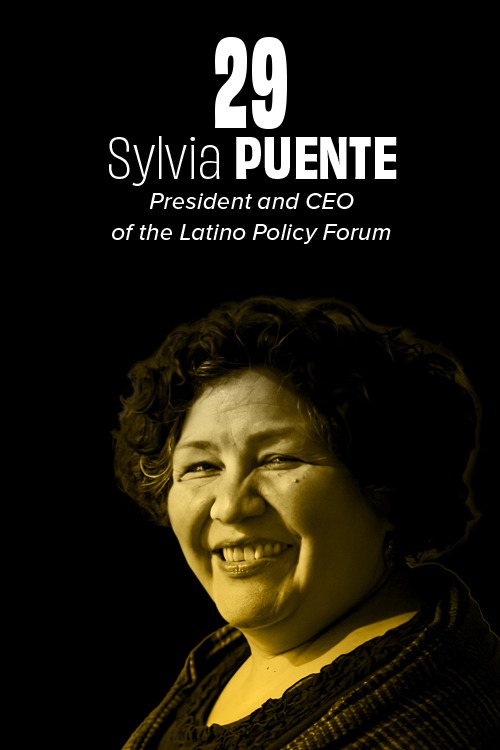
Having served on Governor Pritzker’s transition team and been appointed by previous governors to advisory boards and state councils, Puente already had plenty of name recognition when the coronavirus started devastating Latin American neighborhoods — 11 of the 15 worst-hit ZIP codes in the metro area are majority-Latino — and she used that visibility to get resources where they were needed most. She painstakingly compiled a list of dozens of organizations, many of them little known outside their communities, for the Chicago Community COVID-19 Response Fund. To date, 71 of those organizations have received more than $5 million for rent and utility assistance and other programs.
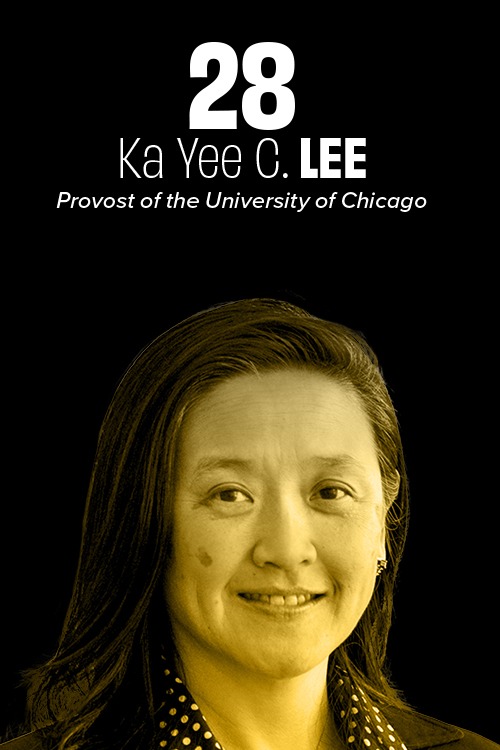
In February 2020, this Hong Kong–born chemistry professor became the first female provost in the university’s 130-year history, signaling a major cultural shift at one of the most prestigious institutions of higher education in the country. As provost, Lee oversees the allocation of budgetary resources across the entire university and sets educational priorities for the school’s 18,000 students and 2,400 faculty members. In a statement issued upon her appointment, she nodded to the sheer breadth of the job ahead: “I am excited to push the frontiers of knowledge.”
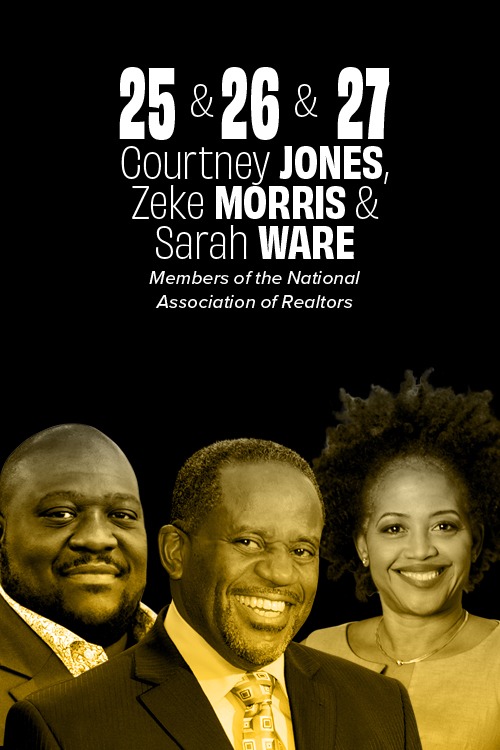
The city’s history of redlining and segregating Black neighborhoods loomed large in November, when this trio of Chicago real estate agents, along with the two other members of a national panel convened by the National Association of Realtors’ standards committee, urged the trade group to put a stop to hate speech by its members in both their professional and private lives (read: social media). The push got results that will resonate for years to come: The association adopted a rule stating that agents “must not use harassing speech, hate speech, epithets, or slurs based on race, color, religion, sex, handicap, familial status, national origin, sexual orientation, or gender identity,” at the risk of punishment from state licensing boards.
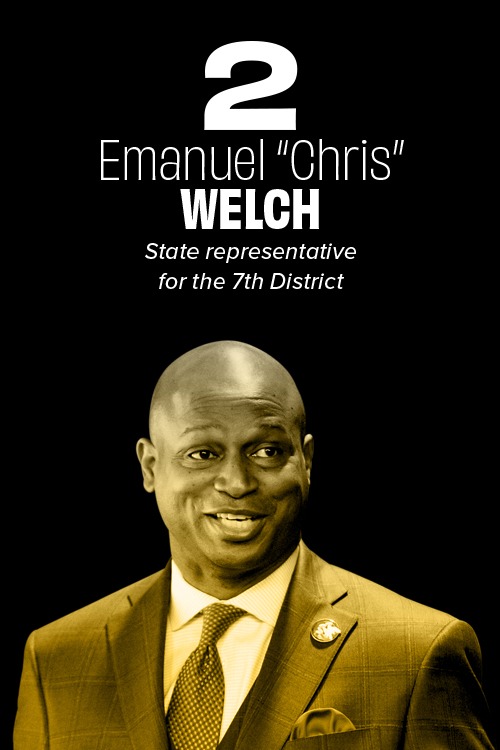
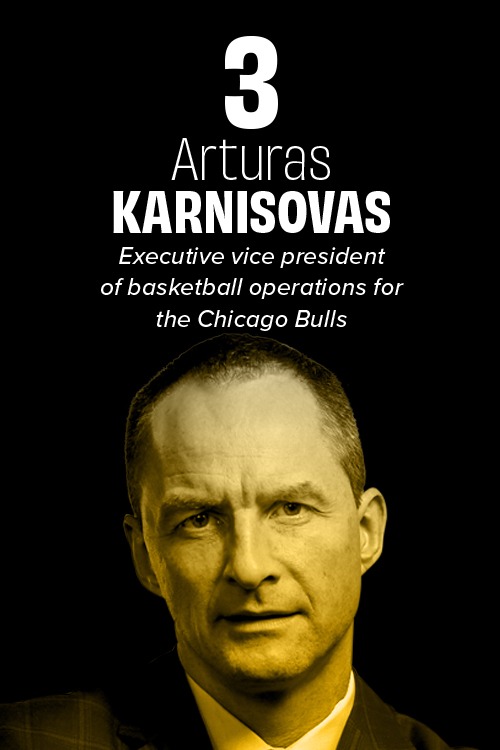
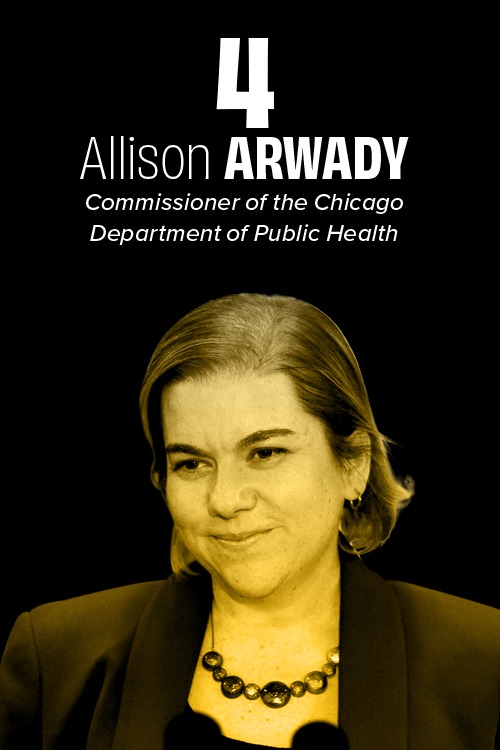
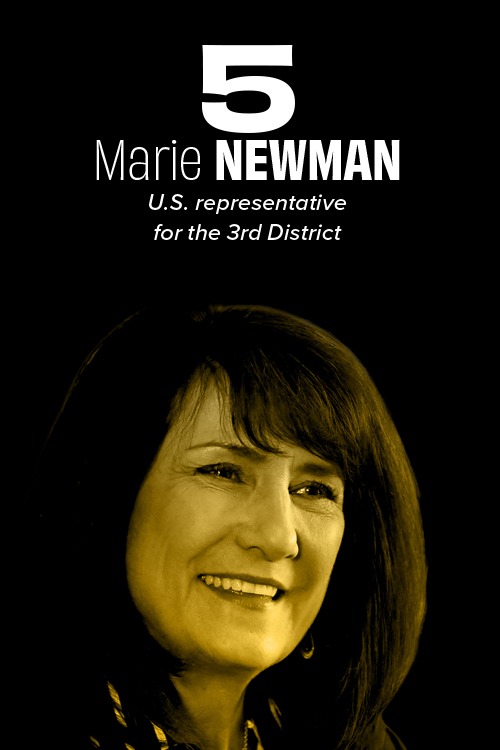
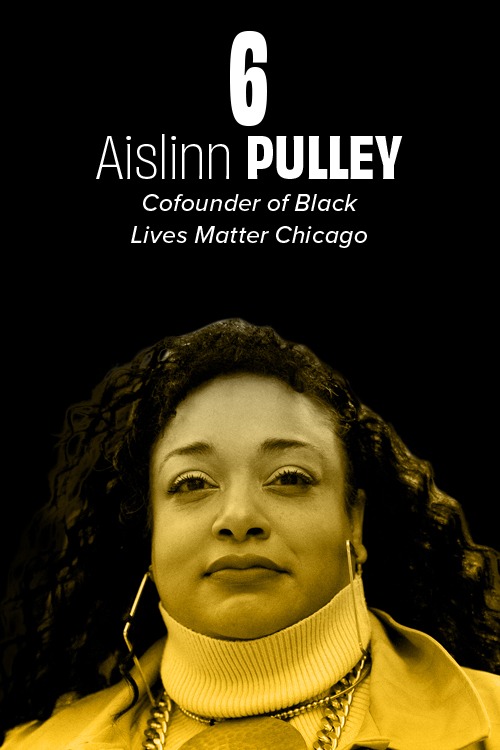
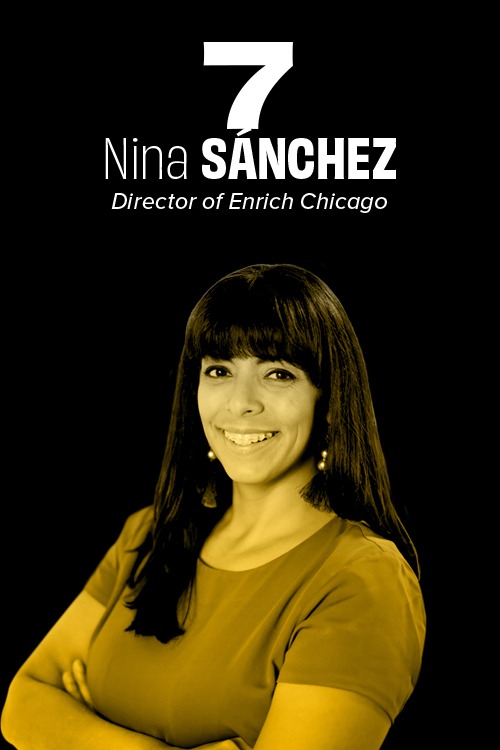
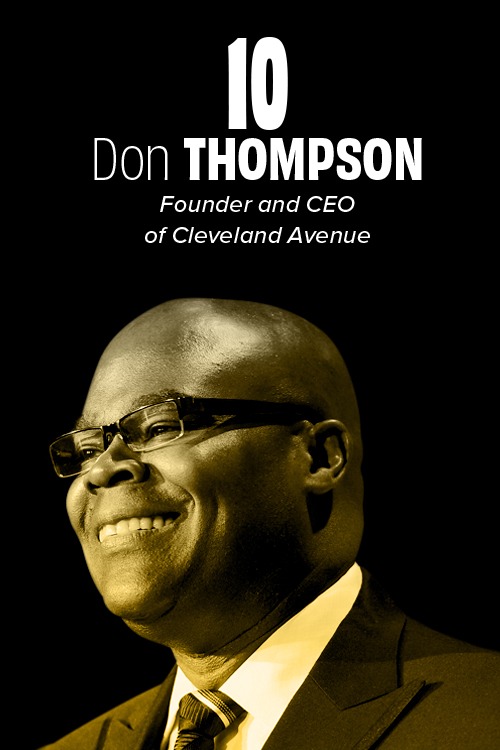
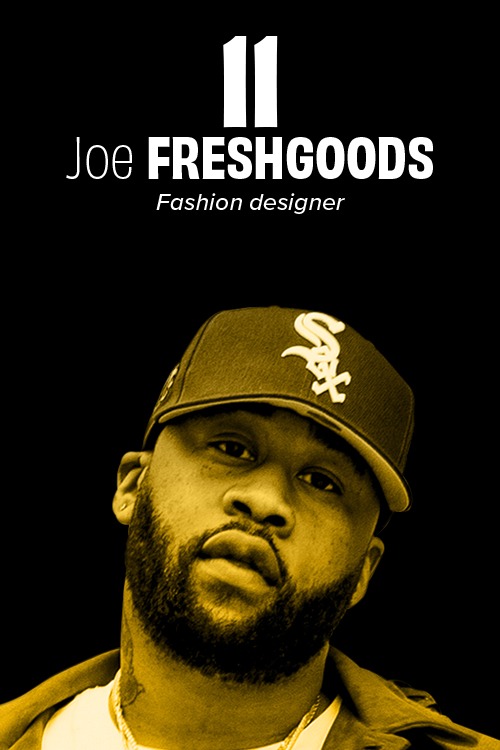
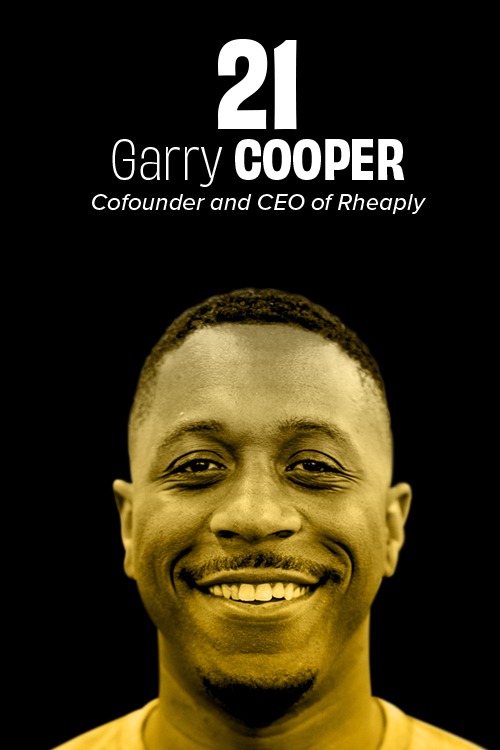
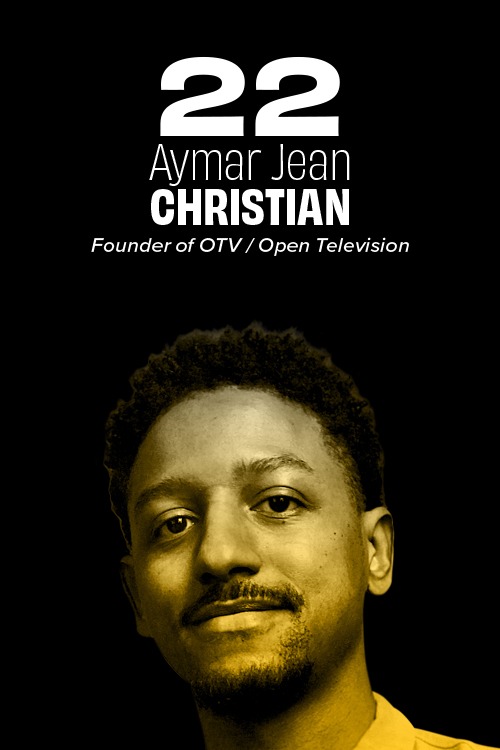
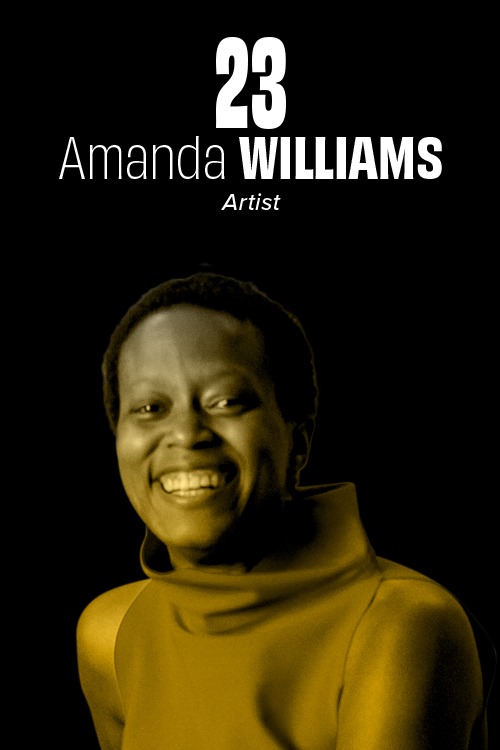
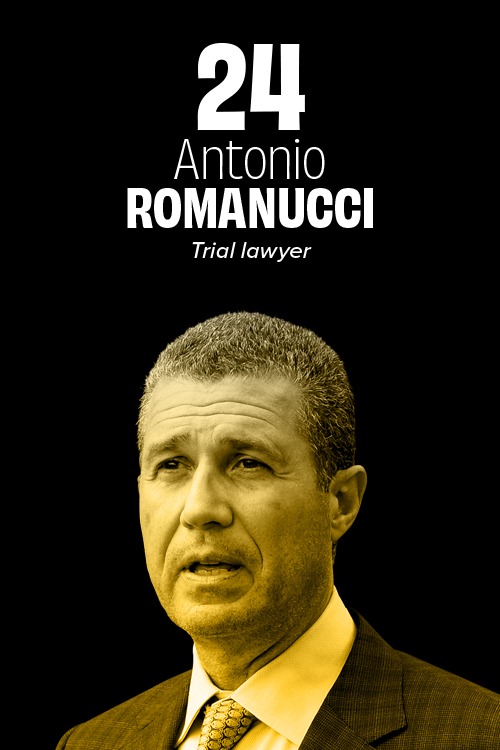
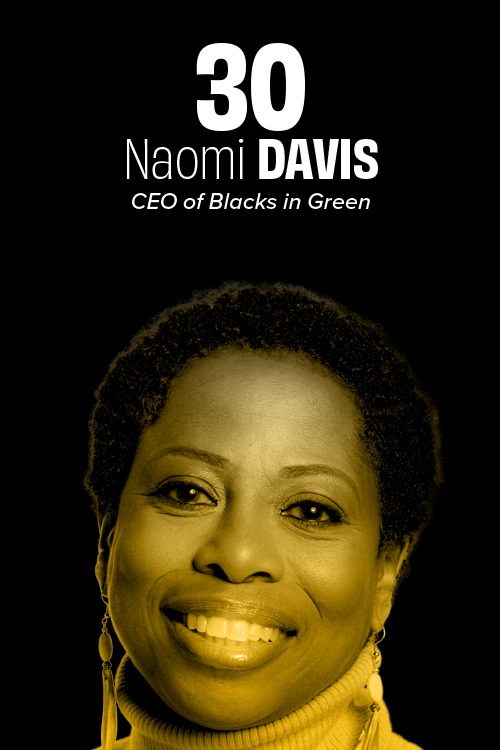
Photography: (Ezike) John J. Kim/Chicago Tribune; (Welch) Brian Cassella/Chicago Tribune; (Karnisovas) Aaron Ontiveroz/The Denver Post; (Arwady) Terrence Antonio James/Chicago Tribune; (Newman) Antonio Perez/Chicago Tribune; (Pulley) Marcus Smith; (Sanchez) Afkara Mason; (Johnson) ANF Chicago; (Walden) Samantha Cabrera Friend/Field Foundation; (Thompson) Stephen Lovekin/Getty Images; (Freshgoods) Nolis Anderson; (McEnany) SHOWTIME; (Cole, Rodriguez) Jose M. Osorio/Chicago Tribune; (Toia) Zbigniew Bzdak/Chicago Tribune; (Requejo Carballo) Courtesy of Elevated Chicago; (Bishop Sleets) E. Jason Wambsgans/Chicago Tribune; (Jo MaMa) Adam Ouahmane; (Stoole) Dan Mistich; (Friedman) Steve Ewert; (Cooper) Victoria Messina/Rheaply; (Christian) Justin Barbin/OTV; (Williams) Brian Cassella/Chicago Tribune; (Romanucci) Victor Hilitski/Chicago Tribune; (Jones) Deshon Gibbs; (Morris) Courtesy of Zeke Morris; (Ware) Dan Machnik; (Lee) Courtesy of University of Chicago; (Puente) Chicago Tribune; (Davis) David Jenkins
The November purchase by Davis’s nonprofit of the long-neglected Woodlawn home of civil rights martyr Emmett Till and his mother, Mamie Till-Mobley, with the aim of rehabilitating it as a pilgrimage site, accomplished what the Till family had been struggling to do for years. (The city declared the house a landmark in January.) It also shed light on the need for the preservation of cultural landmarks in Black neighborhoods that have often fallen prey to predatory real estate developers. What’s more, it turned a spotlight on the prescient work Blacks in Green had already been doing — namely, promoting sustainable urban living, from walkable neighborhoods to green architecture, in neighborhoods too long ignored.
Walden It was 2017. The Triibe had only been up for a month, and I wrote a response piece to an op-ed by Sun-Times columnist Mary Mitchell about a child support controversy going on with Chance the Rapper. Mitchell was saying that the messy battle with his girlfriend would overshadow his recent $1 million gift to Chicago Public Schools. The Sun-Times ran the piece on the front page, and it felt like this salacious clickbaity thing, like, “Oh, look at Chance the Rapper being a terrible father,” despite the fact that he was doing so much for people in the community. I wrote that this was an example of a larger problem in media, and especially in Chicago media, of not crafting full narratives around Black people in the city. As I’ve gotten older and understand the dynamics of power more, I realize that Mary Mitchell may not have had any power as to how that story was laid out in the newspaper. But she was a staple in the city, and for us to critique the work she was doing was a powerful moment for me.
Johnson When we started our site, the Reader seemed like a natural partnership. We pitched a series to them, called the Block Beat, which would chronicle Black musicians and the places in Chicago that matter to them. The Reader tried to get us to sign regular freelance contracts, and I said, “We’re not going to do that. The Triibe is going to maintain ownership and the trademarks for this series.” That shook the whole structure. The series ended up being stalled for about eight months, with us going back and forth. It just kept going up the chain of command. One day I answered the phone, and it’s Edwin Eisendrath, the publisher. I’m like, Oh my gosh, what do I do? He starts telling me it’s out of their wheelhouse to draft new contracts because they don’t want to pay lawyers, blah blah blah. On the spot, I just had to explain to him that we are an organization that is about Black ownership, and anything that we create, we’re going to own. I don’t remember if it was decided during that conversation. I just remember we won.
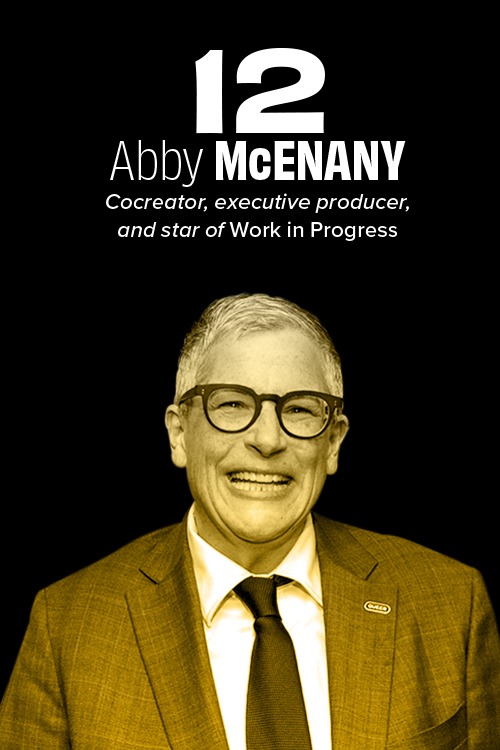
Cocreator, executive producer, and star of Work in Progress
For my first really big press event last year, they sent a Showtime photographer to take my pictures. My agents sent me the photos and were like, “Hey, you want to go through these? You can hit the kill switch on any of them.” On our show, I’m a fat 50-year-old woman who’s masculine-presenting, gray hair. And in my life, a lot of my pain came from being fat and being shamed for it. Growing up, I never saw a fat woman that was respected or seen as worthy in print, on TV, in movies. Fat guys could do anything, could have power, they could have conventionally beautiful women attracted to them. But the fat woman was always, like, the joke or, you know, a bitch, or rude, or unhappy and just needed to get laid. But when I saw my photos, I was like, “No, don’t kill any of them,” because that’s what I look like. Maybe it’s not that strong a statement because, you know, it was a Showtime photographer, so they’re not going to put out the worst ones! But I don’t know — there’s something powerful about not hiding.
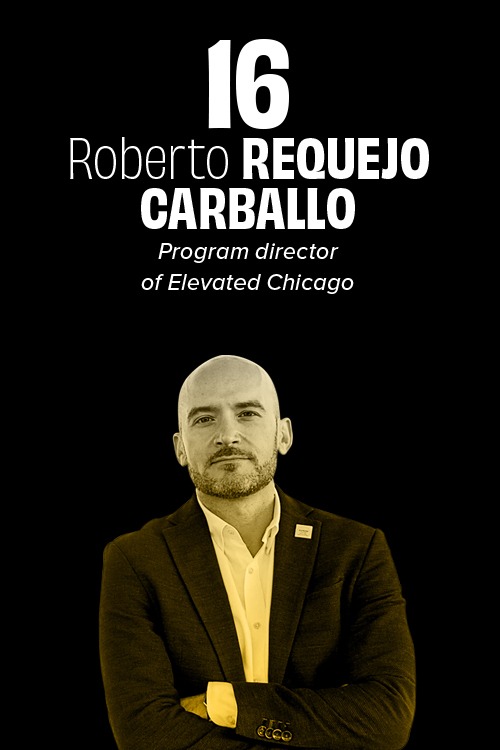
One of my employers was a large financial institution — lots of systems, lots of capacity, billions of dollars. They hired me to improve their diversity, equity, and inclusion. On my first day, they asked me to change my last name because their computer system was unable to fit two surnames. Like many people with Latin American roots, I have my father’s and my mother’s. It’s awkward on your first day at work to be hired for that and then to be told, “By the way, our system will not accept your name.” When I asked them to fix it, they had me fill out all these forms. I had to talk to my boss and then to my boss’s boss, and then the CEO got involved. This was a global institution — you would think they’d have known better. So here was a situation where I realized I could benefit from my power: I was supposed to help the bank with diversity, equity, and inclusion, and now they were in a pickle. If I had been hired for something else, like as a branch manager or IT professional, I may have had to bend. But instead I was able to tell them, “Stop it. You hired me to help you with this, and the first thing you do is to erase my name?” It was one of my first big “No, that’s not gonna happen” moments.
Watch five Chicagoans from our ranking talk about what standing up to power means to them